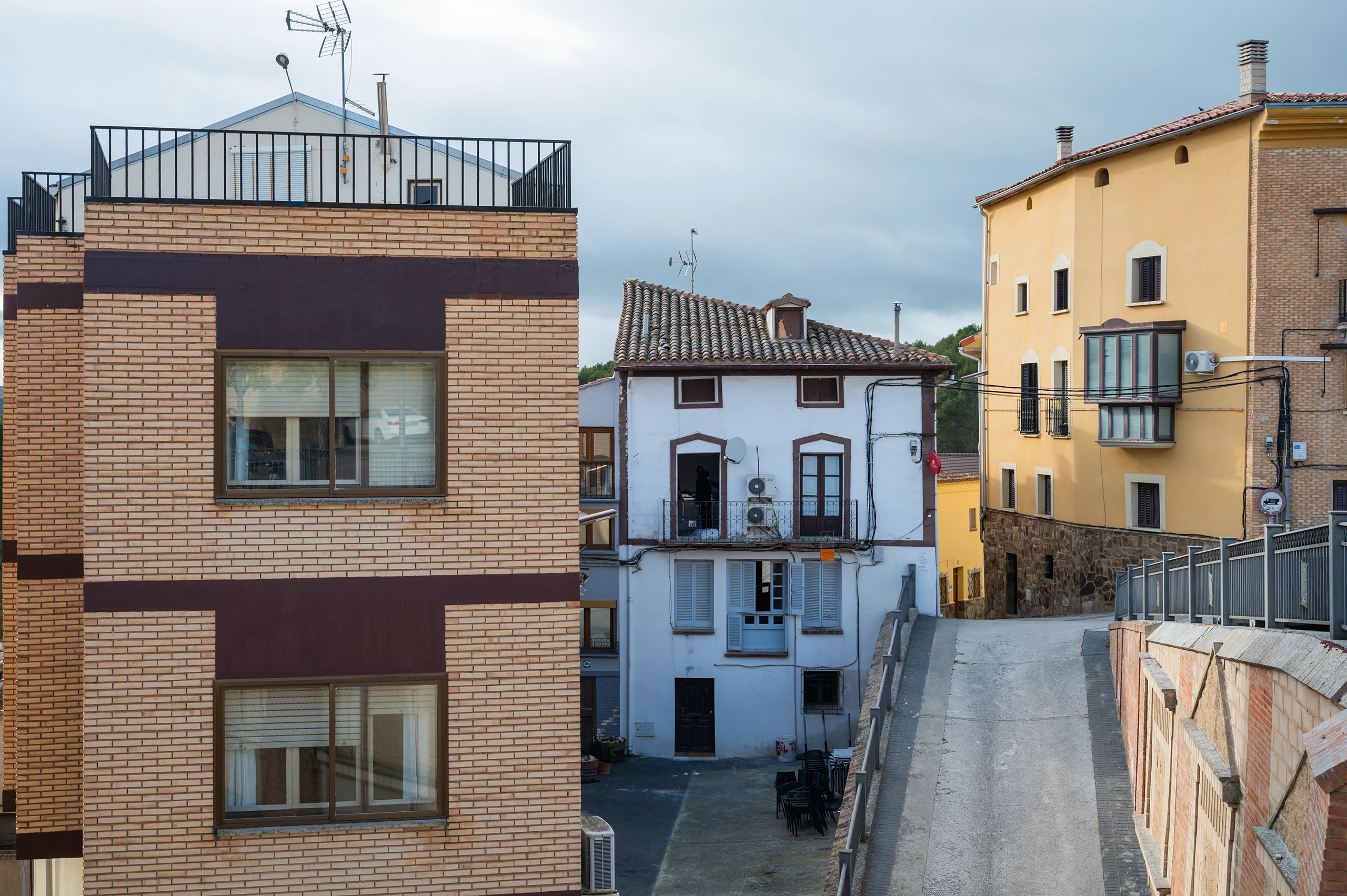
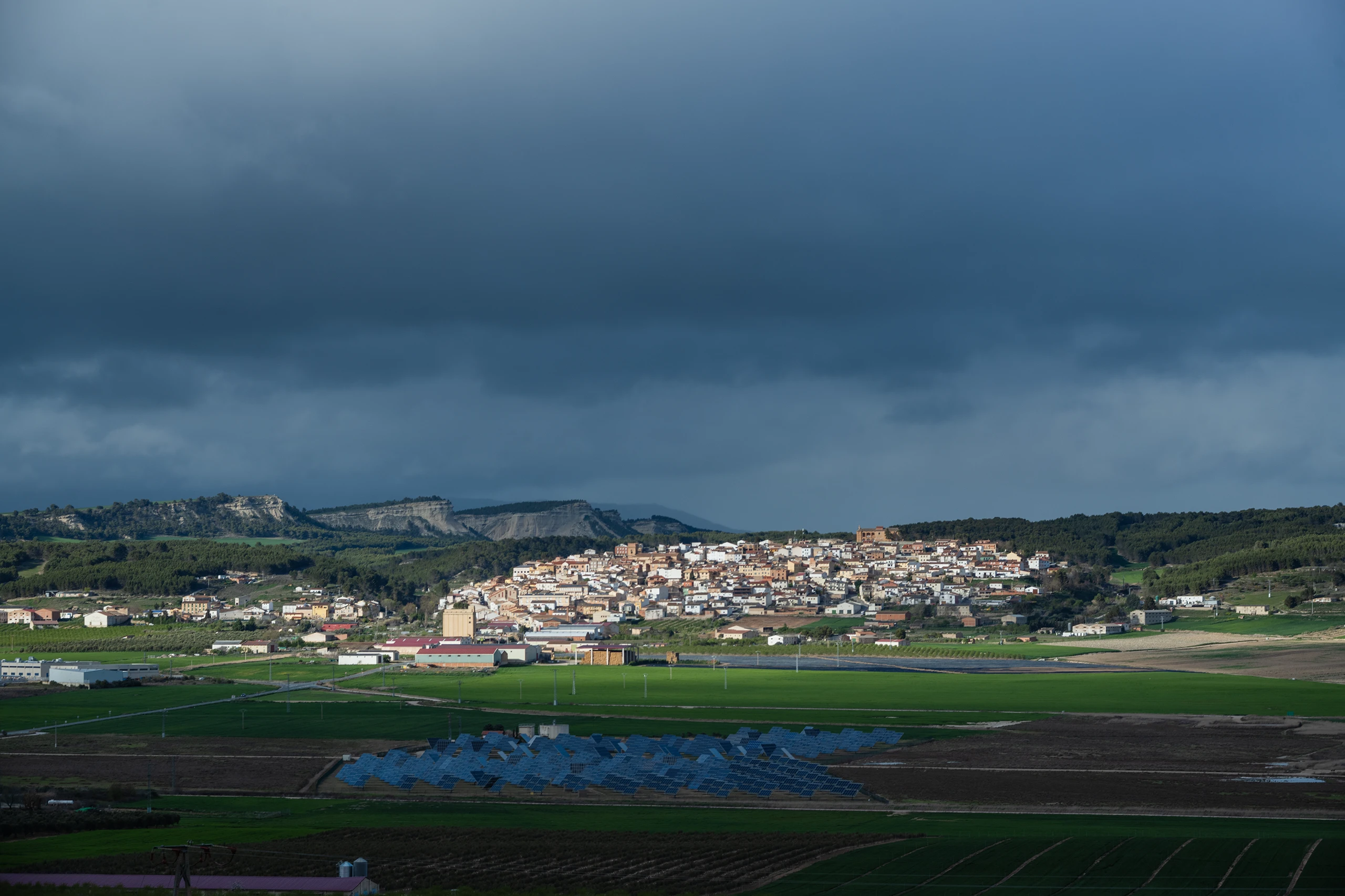
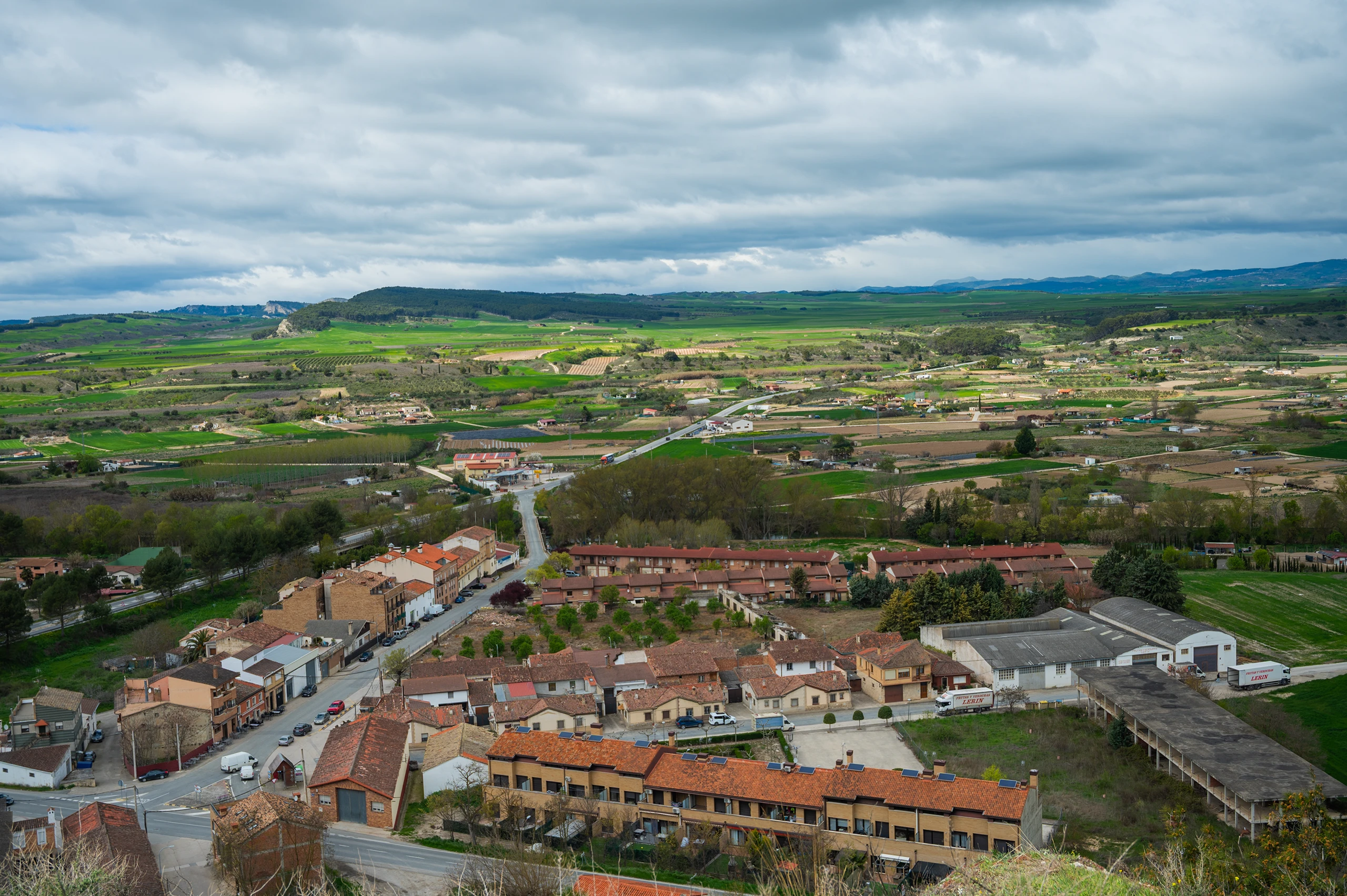
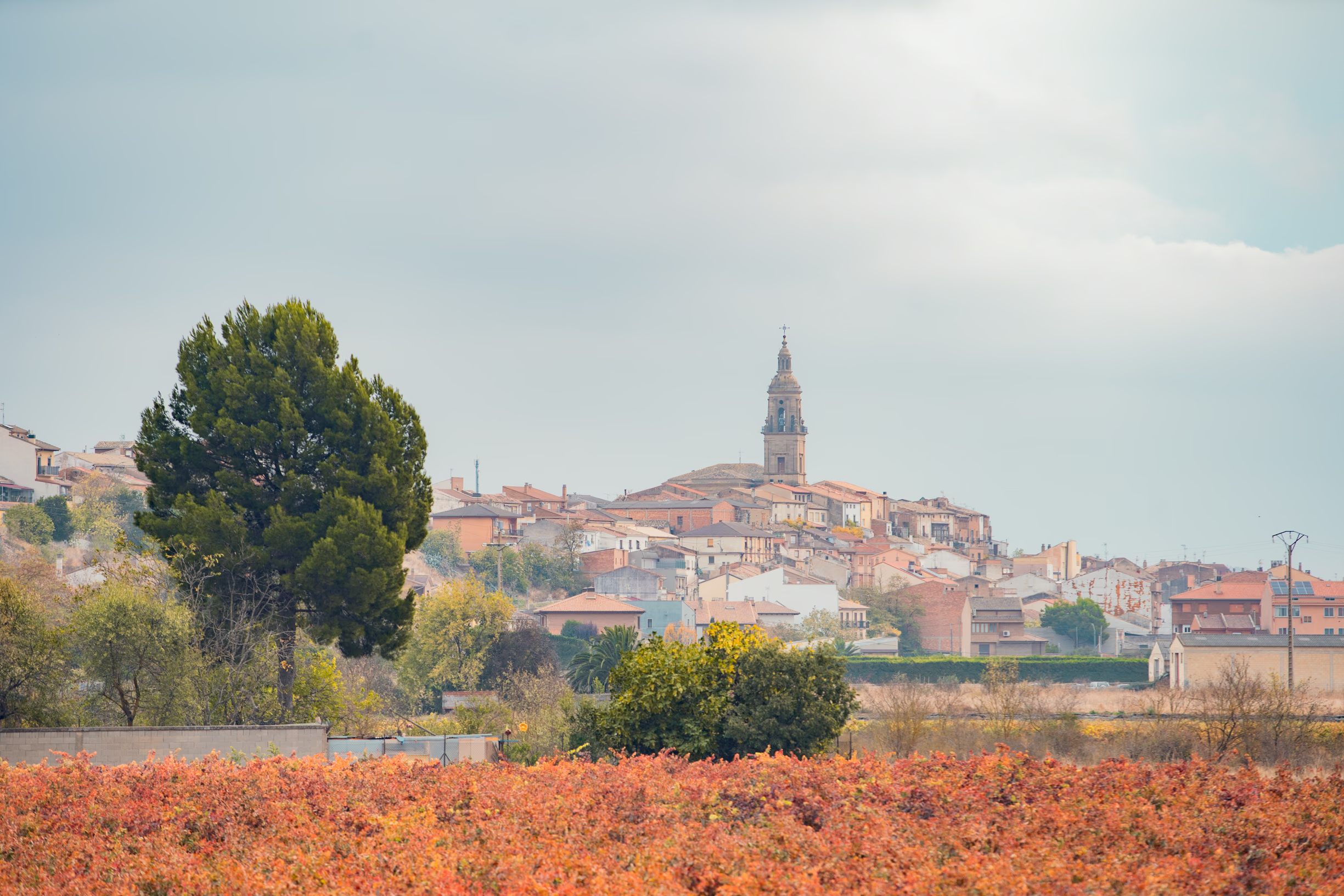
Sesma is a village perched on a chalky hillside; its town center follows the contours of the terrain with a terraced layout that preserves the memory of a past marked by hard work, self-sufficiency, and a unique identity within Navarre.
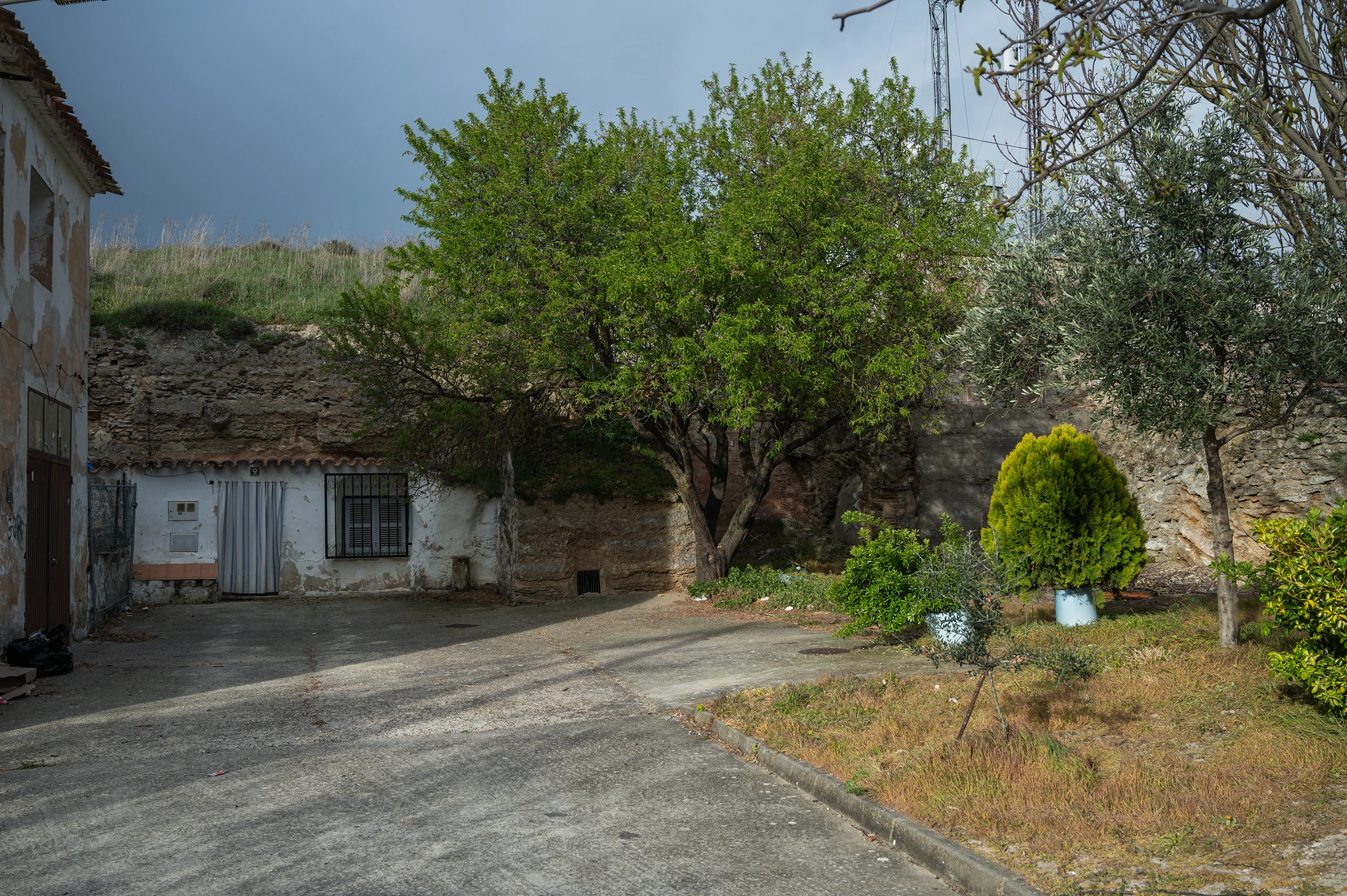
From the top of the village, the views open up to vast dry plains, open mountain ranges, and horizons with a distinct steppe-like aesthetic. For centuries, this landscape has shaped the way people live and work the land. This has given rise to such characteristic features as the cave houses, carved out of the gypsum.
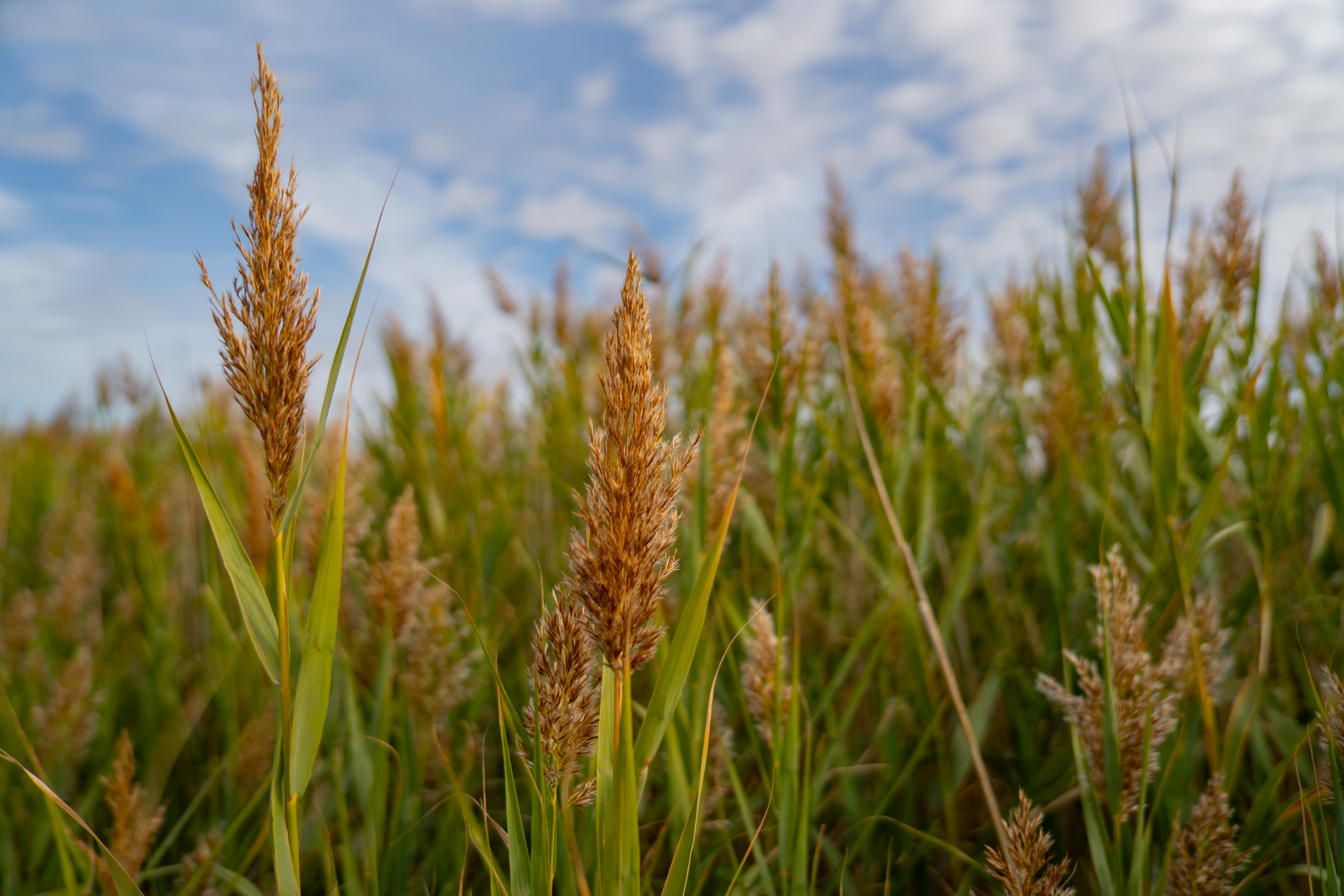
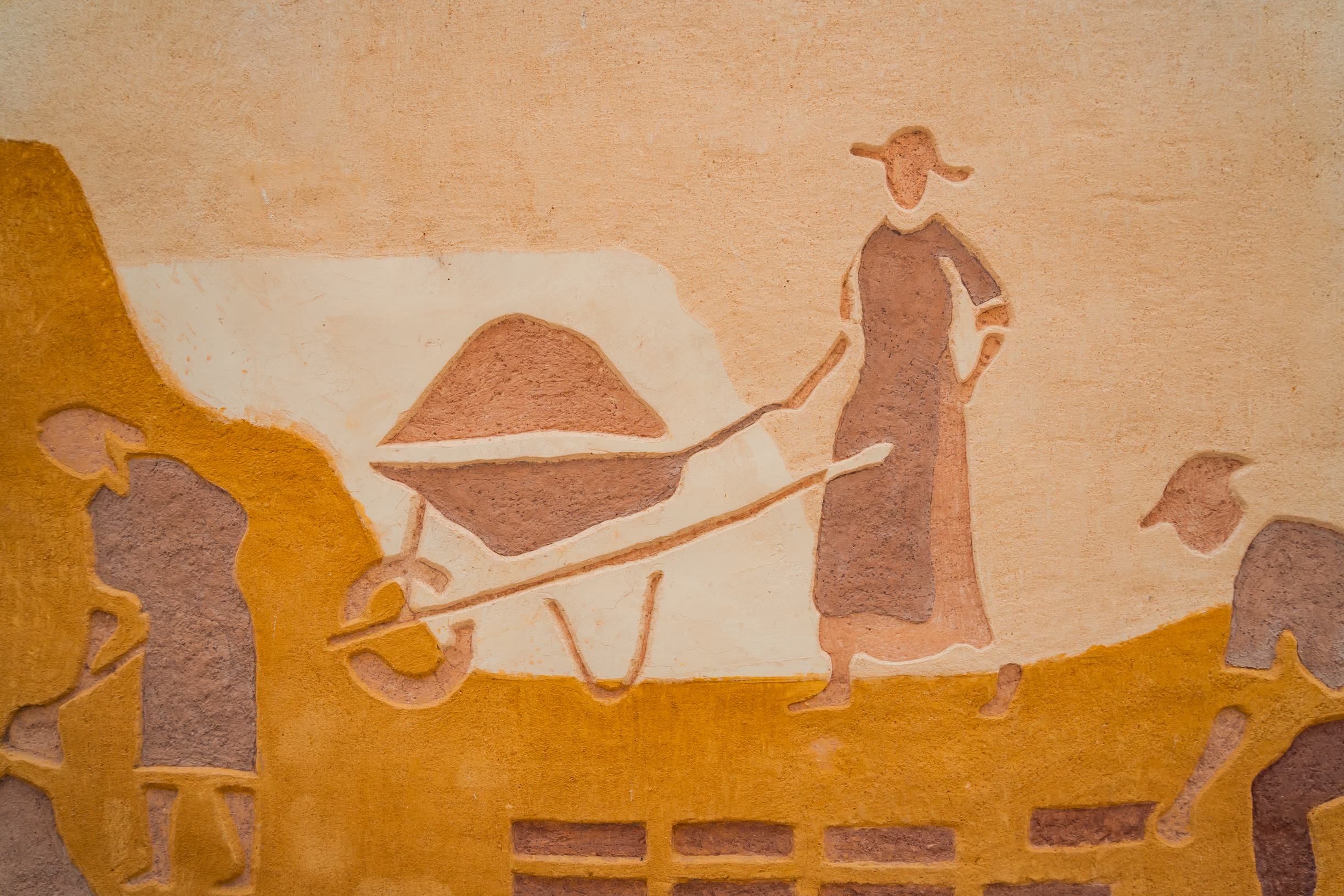
Another unique feature of Sesma is the development of the esparto craft, which made it the only esparto-producing village in Navarre. This artisanal tradition remains alive in the collective memory and is celebrated every spring at the Artesparto de Sesma, an event that revives ancestral techniques and knowledge related to this legacy.
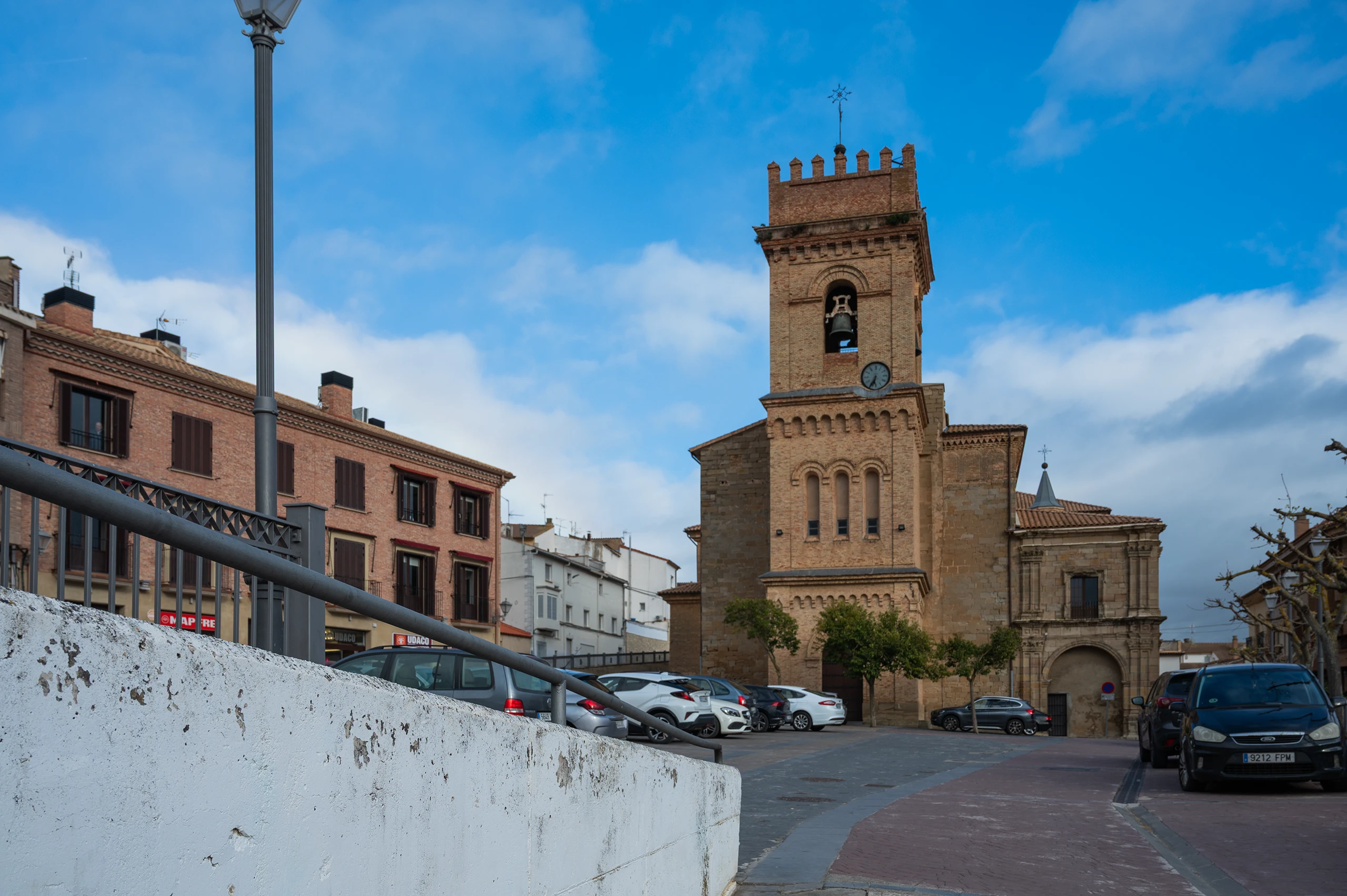
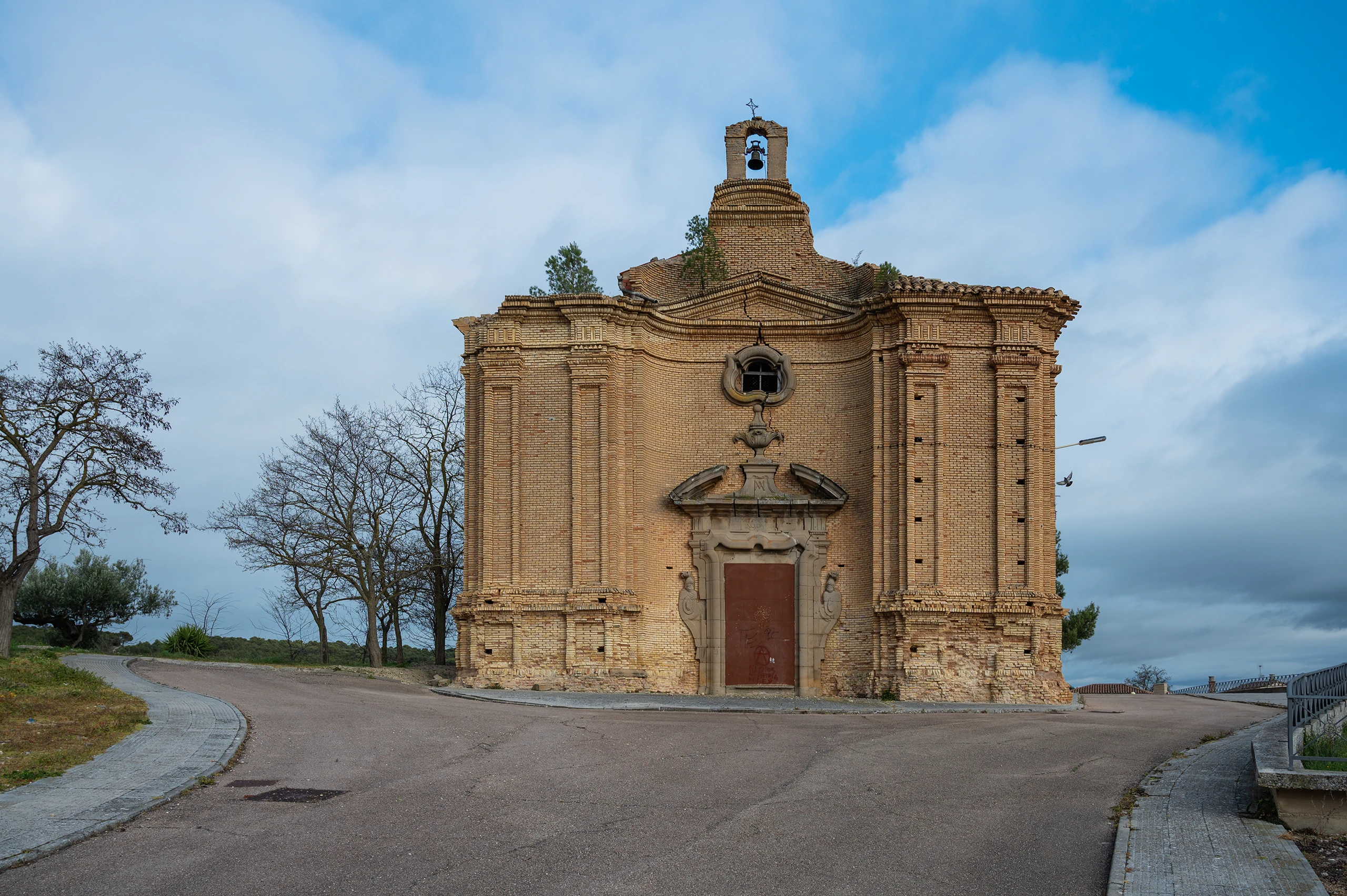
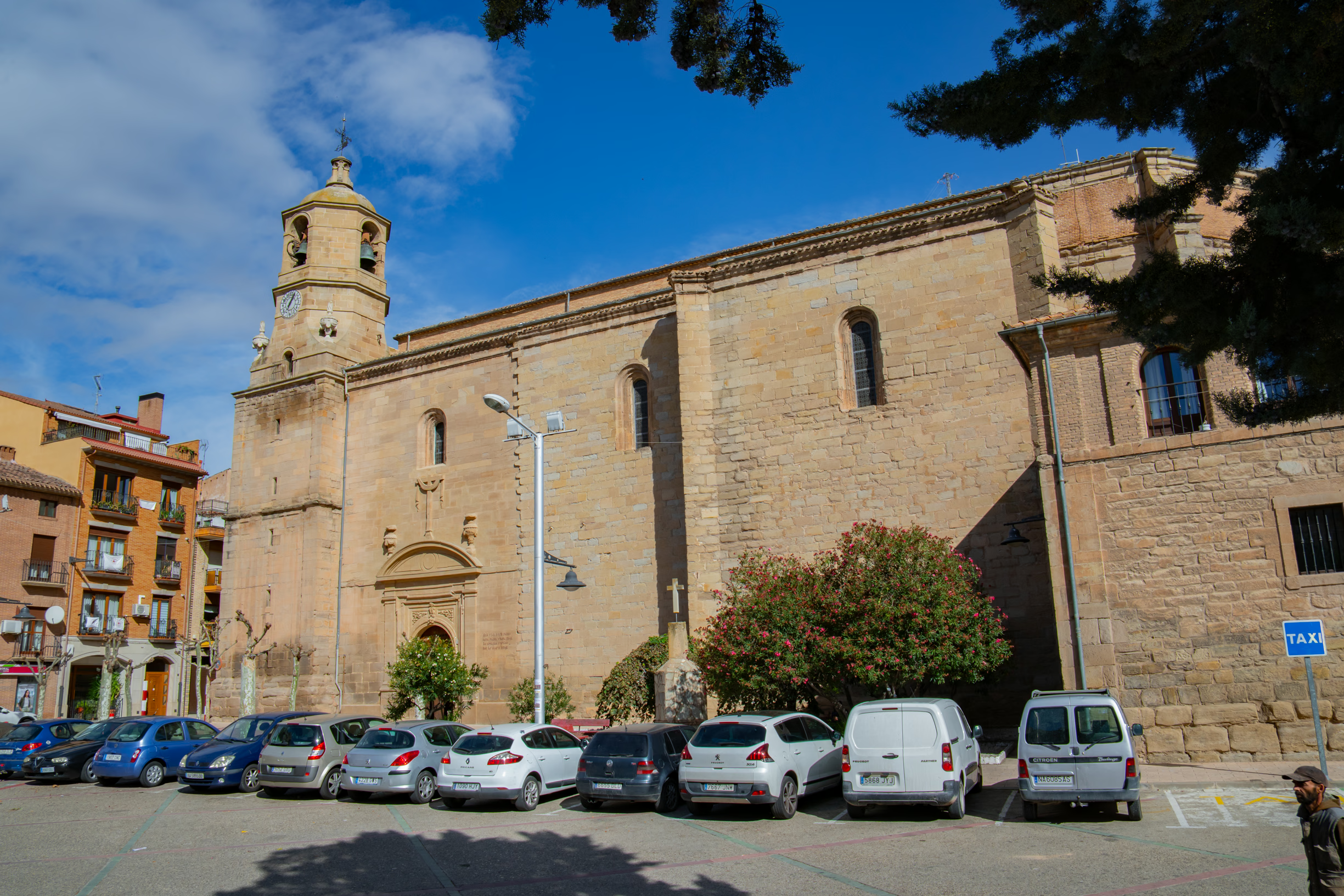
The town’s architectural heritage is centered around the town center, featuring the parish church of Nuestra Señora de la Asunción and the chapels of Nuestra Señora de los Remedios and Nuestra Señora de la Almuza. Added to this is the Padre Tomás House Museum, a space that offers insight into the town’s recent history and traditional ways of life.
Beyond the town center, Sesma invites visitors to explore an area of great natural beauty. Trails such as the circular route around Monte Ayuso wind through grain fields, scrubland, and reforested pine groves, offering continuous panoramic views of the Ribera Estellesa. A highlight of this landscape is the Salobre de Sesma, a unique site due to its saline nature and ecological importance, particularly prized for birdwatching and learning about the natural environment.
The experience is rounded out by offerings centered on local produce and viticulture, reflecting both the continuity of rural work and the evolution toward contemporary concepts that blend tradition, quality, and deep roots in the region.