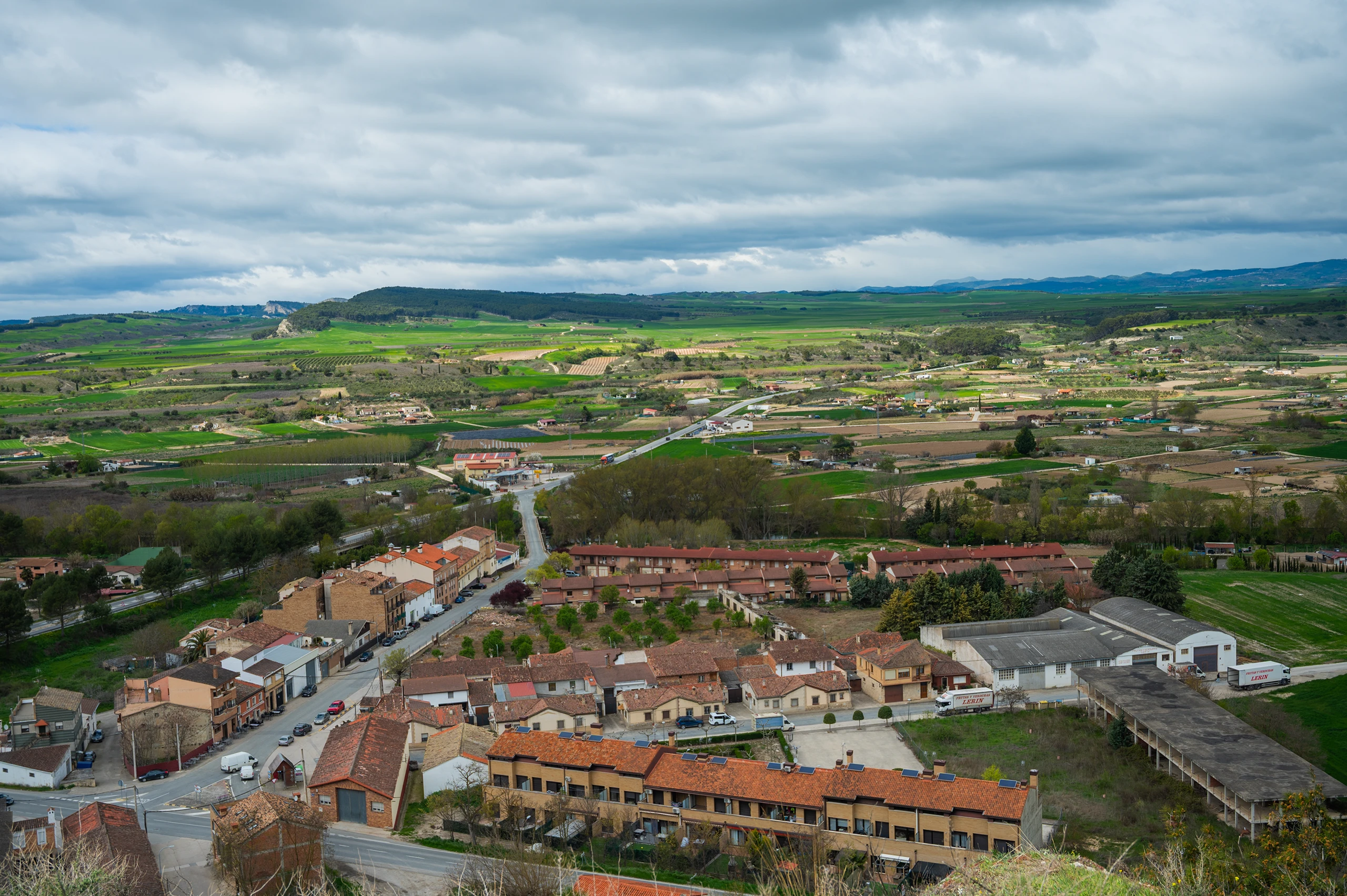
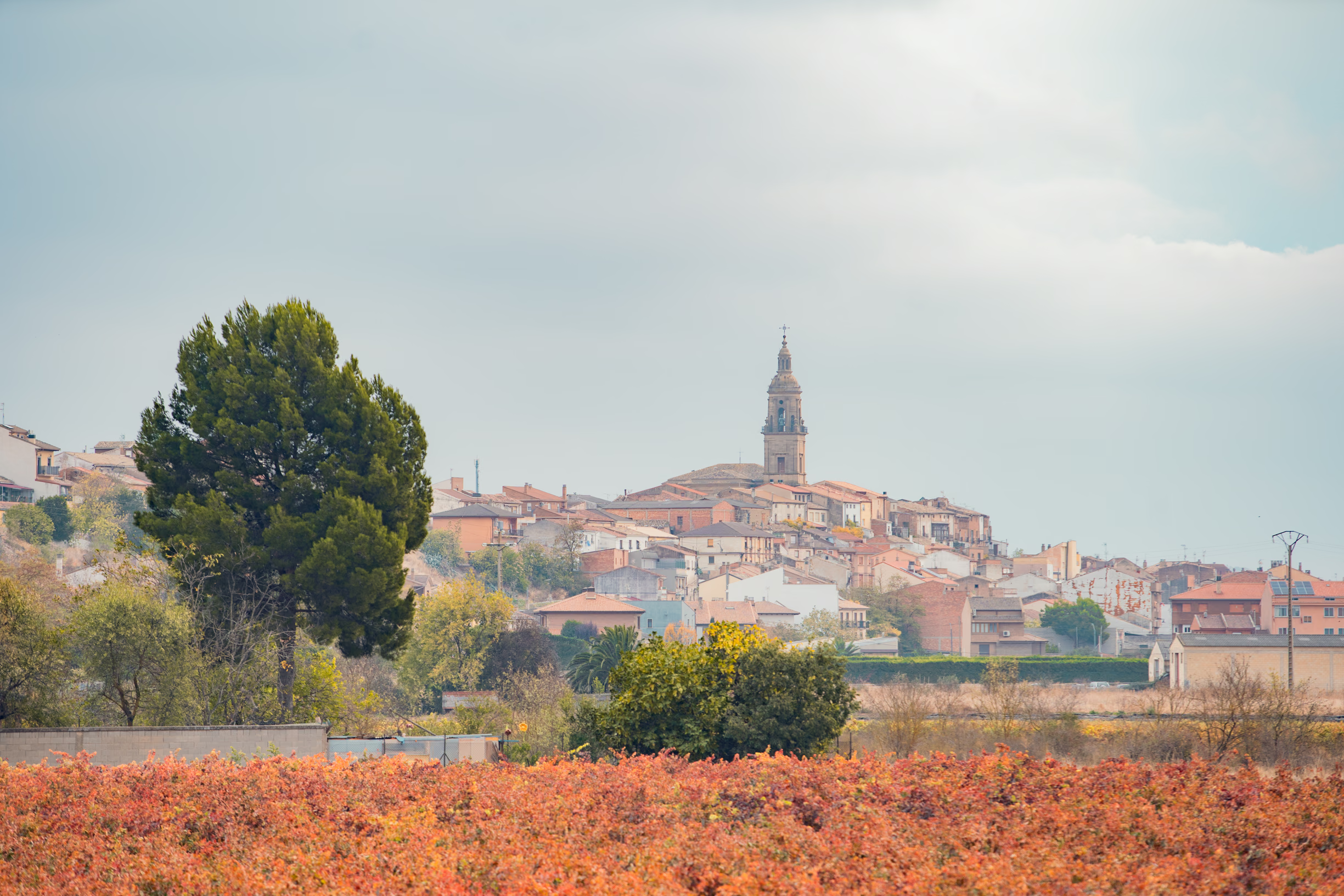
Sartaguda is a riverside town deeply connected to the Ebro River, the fertility of its orchards, and a history shaped by both agricultural life and collective memory. Located in the Ebro River valley, on the border between Navarre and La Rioja, the town has developed on irrigated land that has, since ancient times, supported human settlement and the cultivation of high-quality fruits, vegetables, and vineyards.
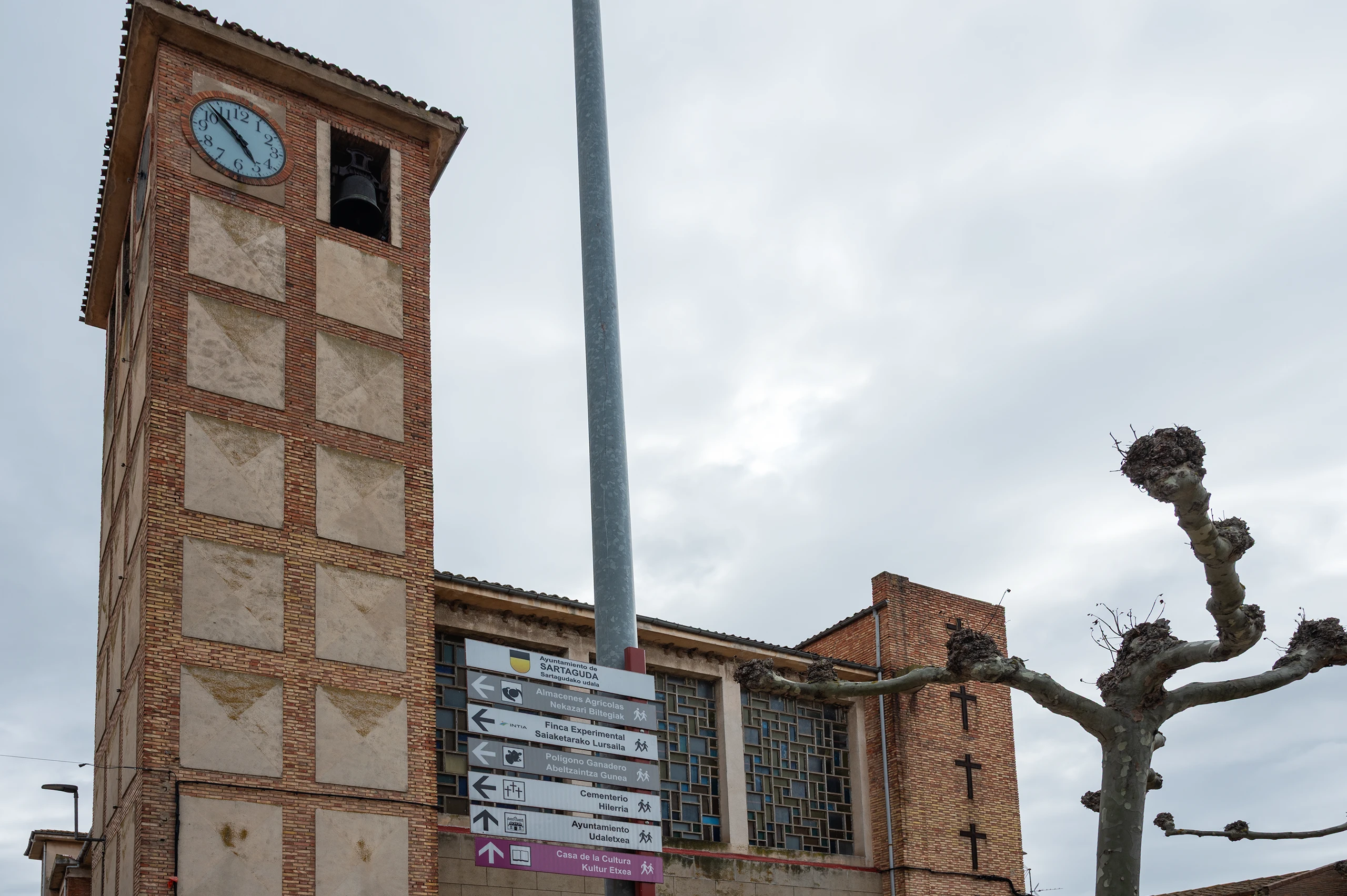
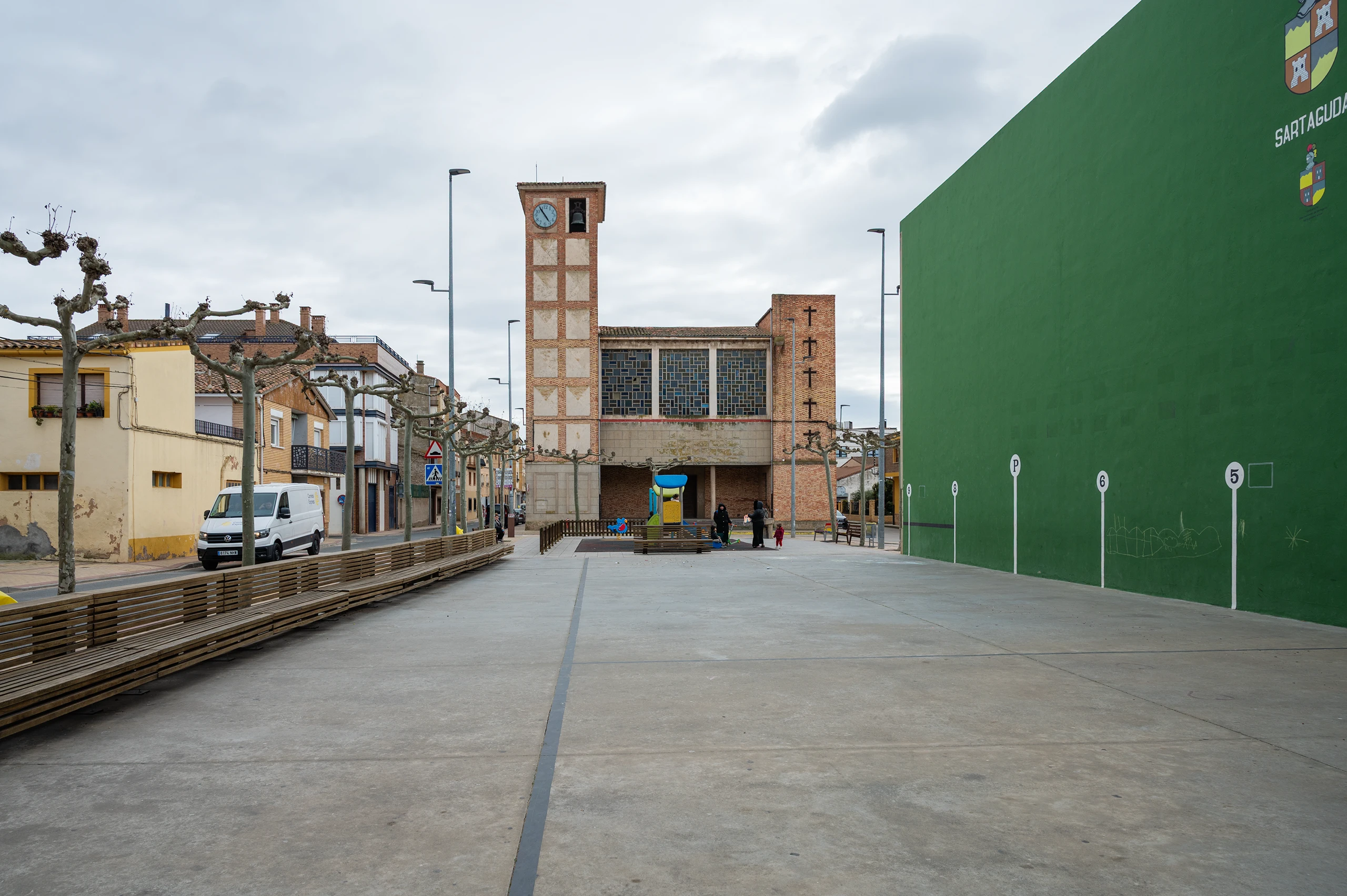
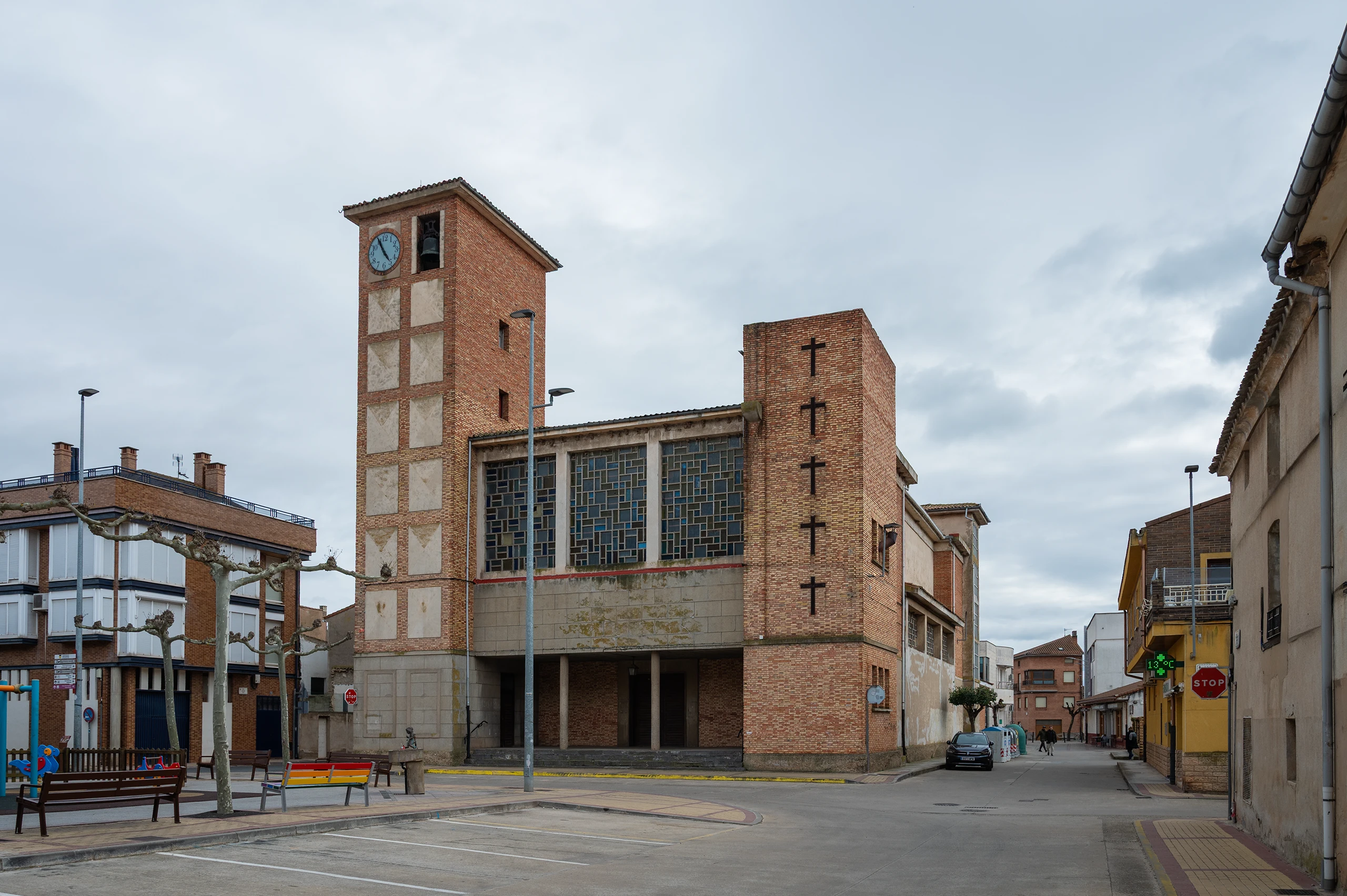
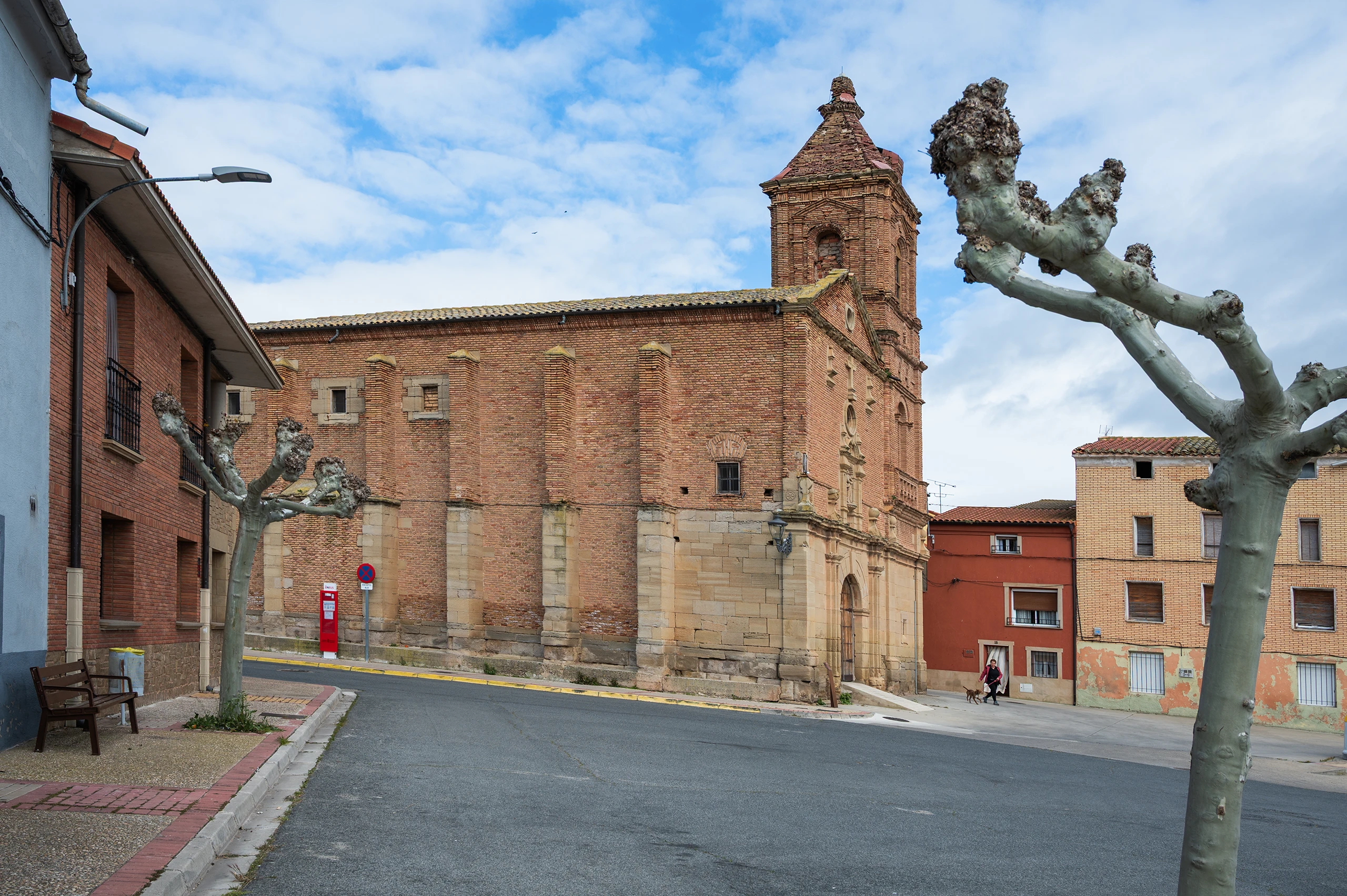
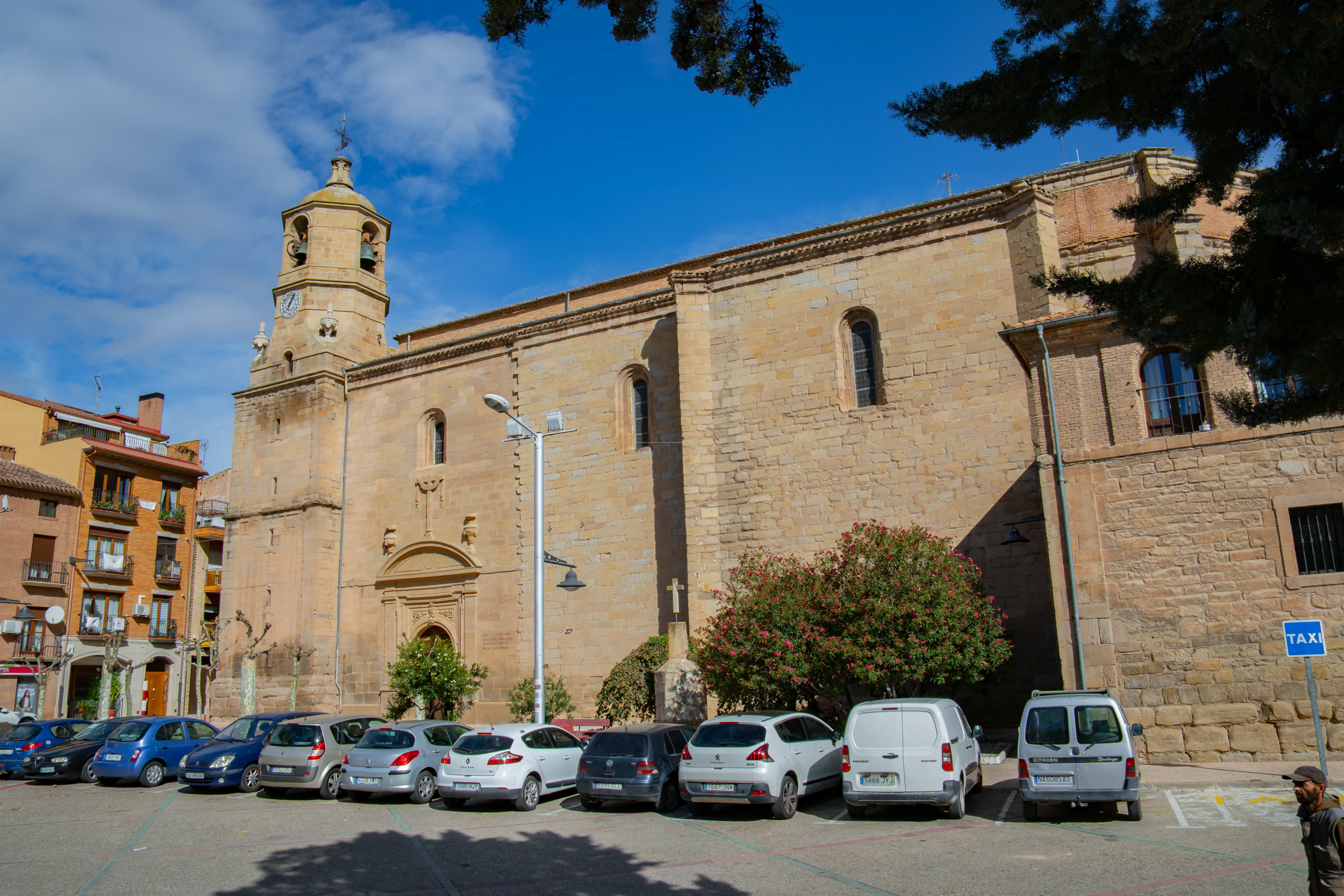
Sartaguda’s history dates back to the Upper Paleolithic, with archaeological sites such as Alto de la Mesilla, and continues into the Roman era, from which remains of ancient villae and archaeological artifacts have been preserved. For centuries, it was a feudal town, with an agrarian system that shaped its social structure well into the 20th century. The town center is organized around the parish church of Nuestra Señora del Rosario, a Baroque building that now stands alongside the new parish church, built in 1969 and currently in use.
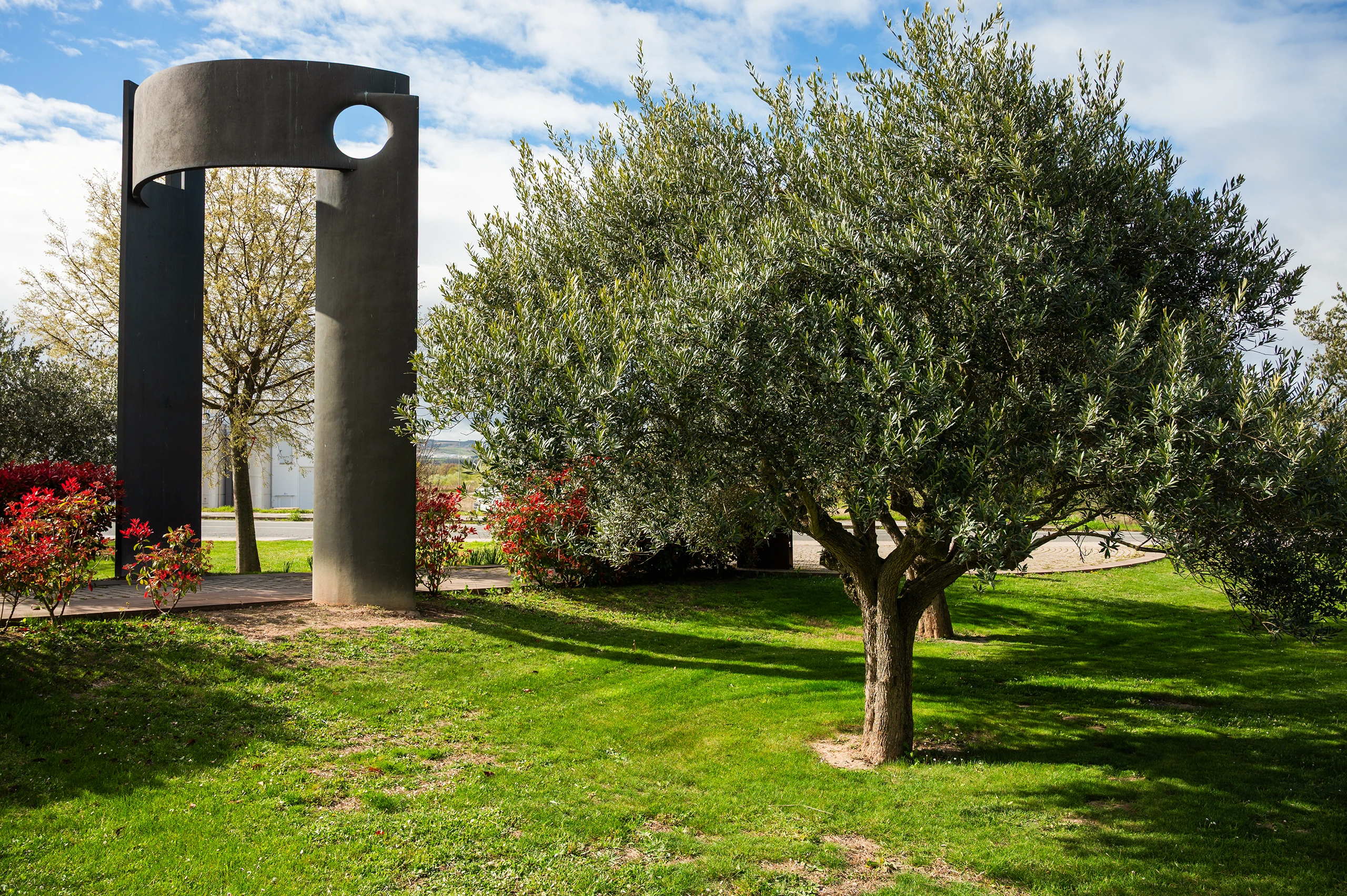
Sartaguda is known as the “Town of Widows” due to the harsh repression it suffered during the Civil War. Today, that episode is part of a process of remembrance and dignification visible in the Parque de la Memoria, a place of contemplation and reflection that makes Sartaguda a leading example in the recovery of Navarre’s collective memory.
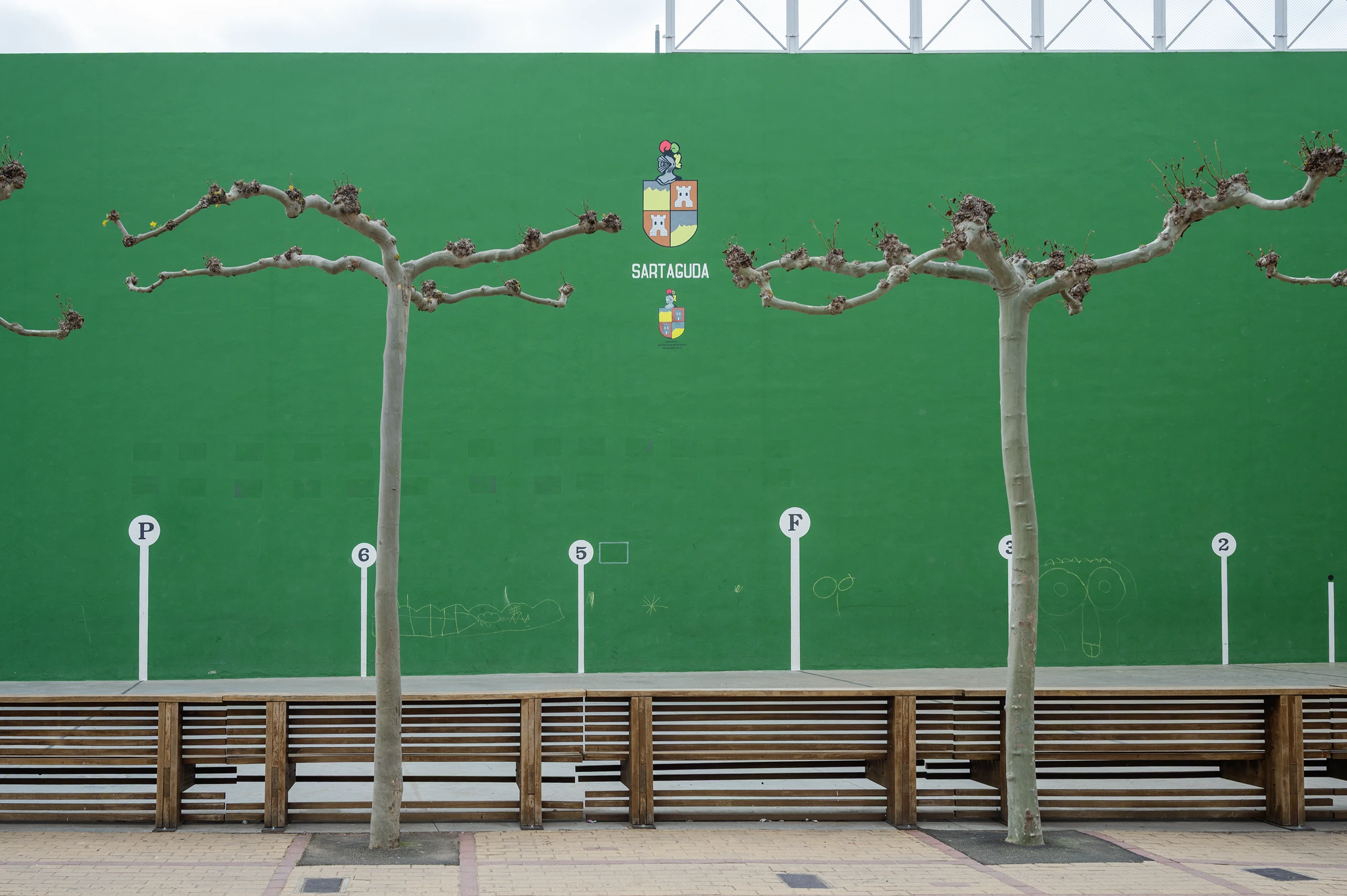
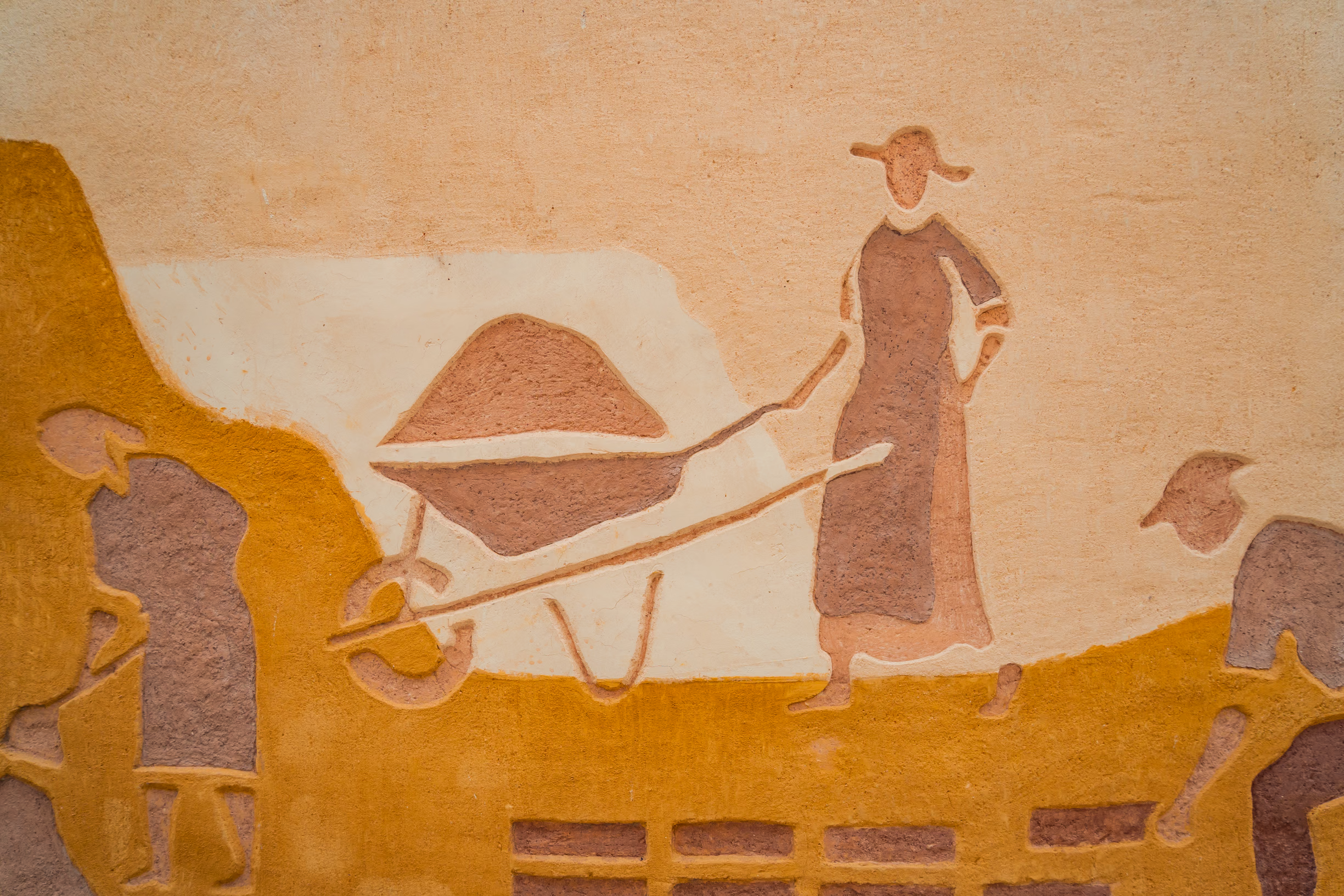
Agriculture remains the driving force of the town. Seasonal fruits and vegetables shape daily life, with peaches playing a particularly prominent role. Every summer, this fruit becomes a symbol of local identity during the Sartaguda Peach Festival, an event that brings together local produce, sports, culture, and social life. Complementing this agricultural tradition is the artisanal production of local goods, which rounds out a culinary offering rooted in the land, local expertise, and the careful processing of locally sourced produce.
With a festival calendar that spans the entire year, from San Antón to the patron saint festivities in August or the celebration of the Virgin of Monlora, Sartaguda is a small but vibrant town that offers visitors an intimate, authentic tourism experience deeply connected to its landscape, history, and people.