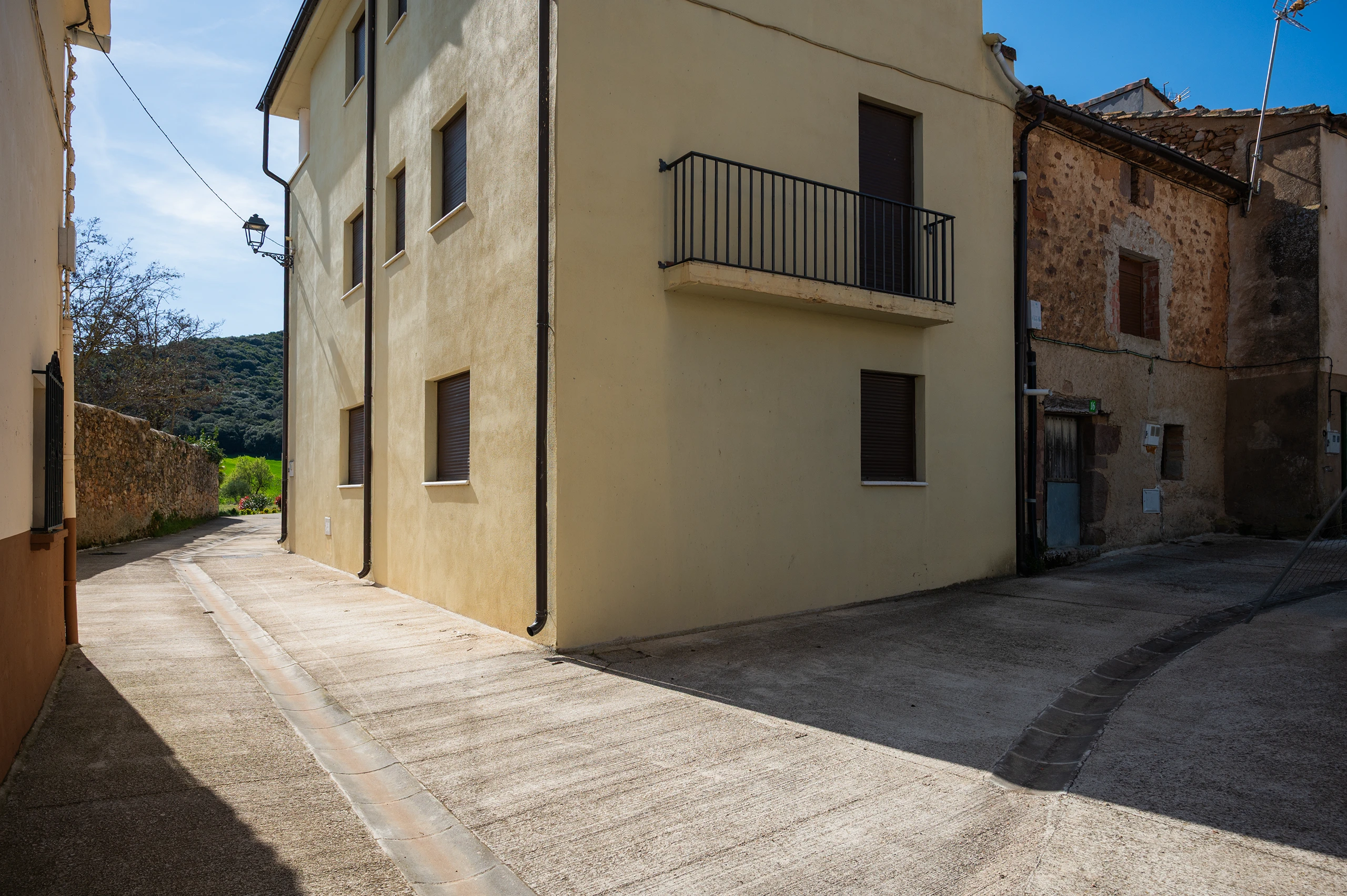
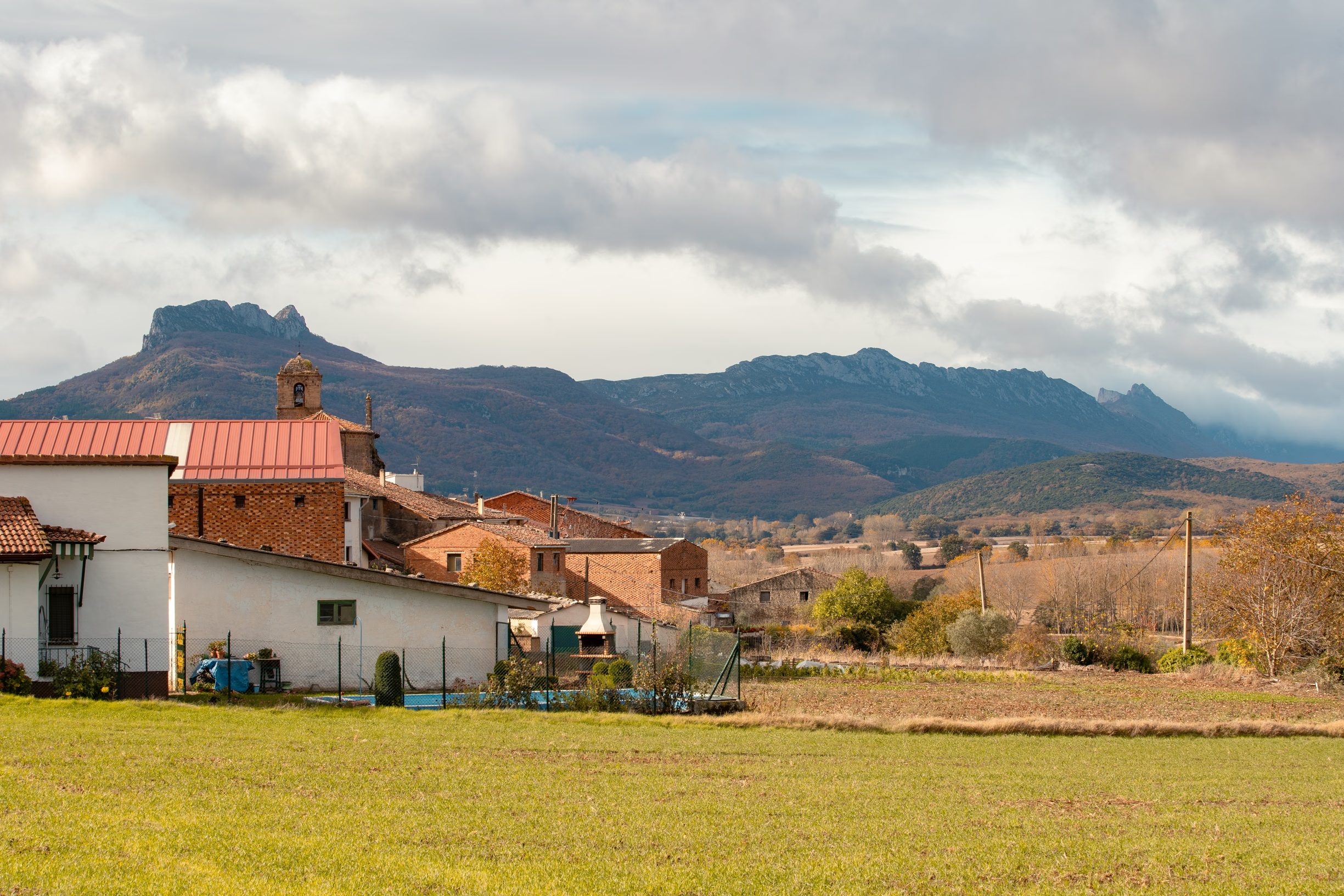
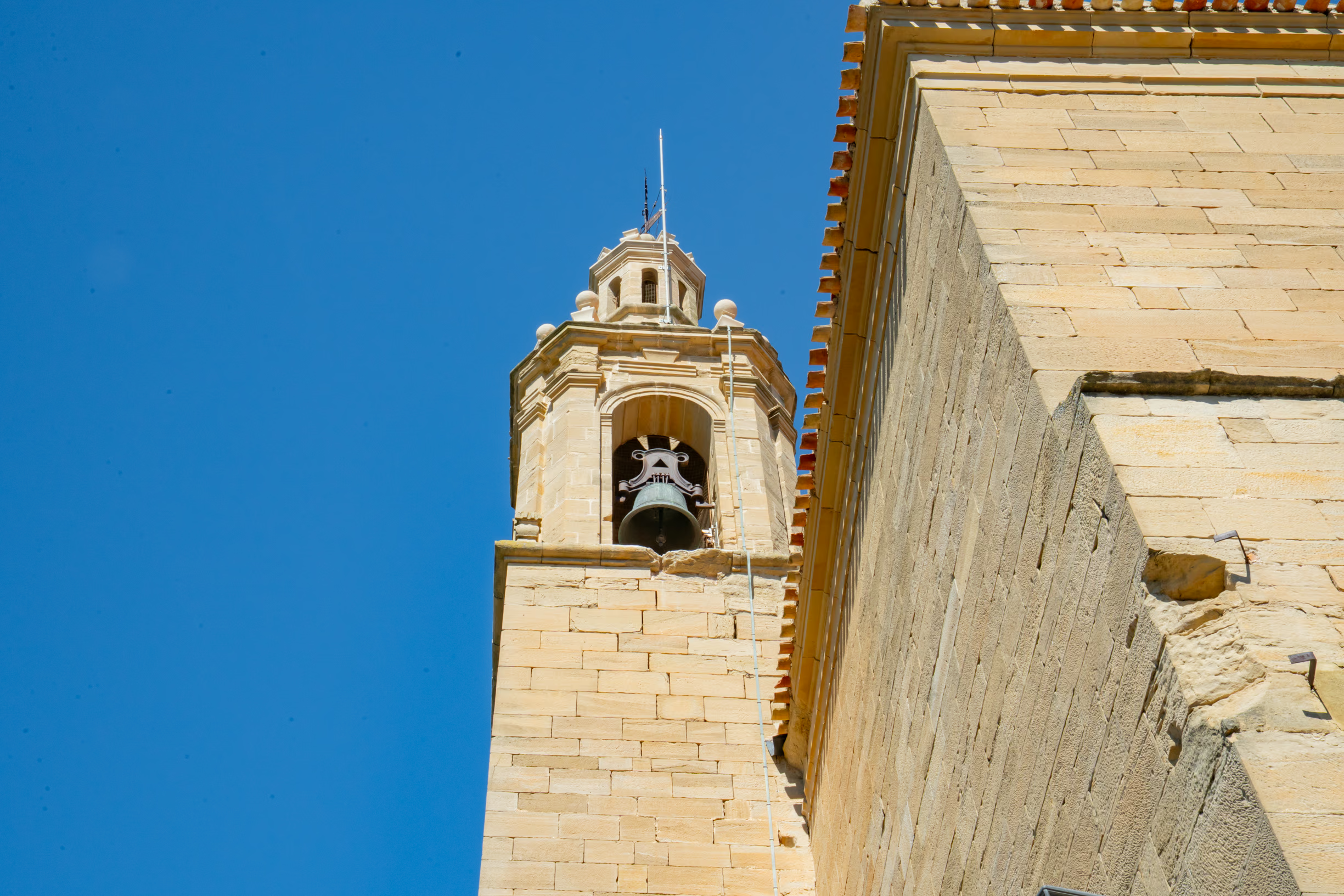
Otiñano is a small municipality in the Berrueza Valley that has preserved the essence of the rural villages of western Navarre. Located in western Navarre, very close to the border with Álava and in the foothills of the Sierra de Codés, it was originally a noble estate and was part of the Berrueza region until 1456. A few years later, Princess Leonor ceded its territory to Torralba del Río, under whose jurisdiction it has belonged ever since.
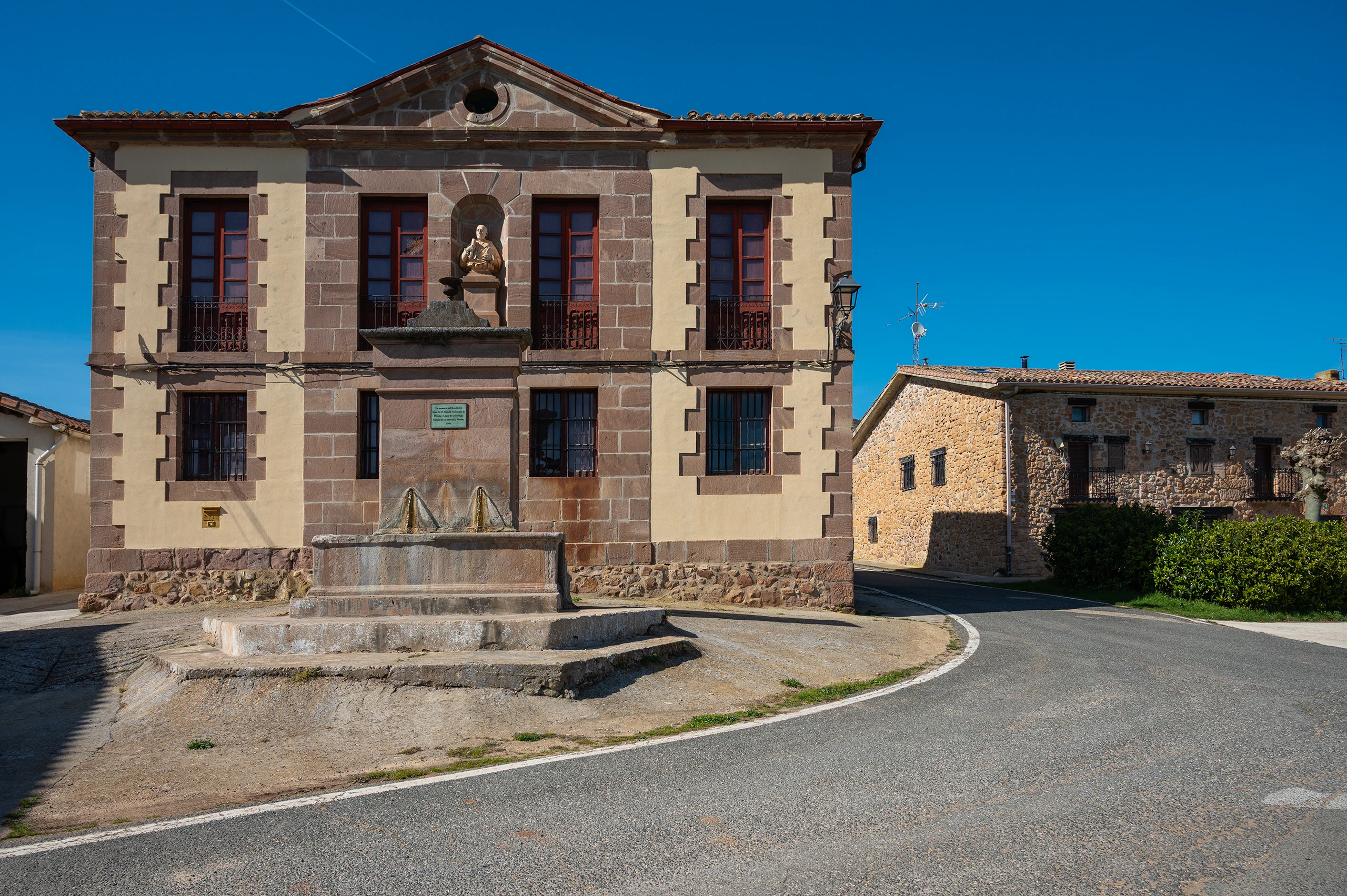
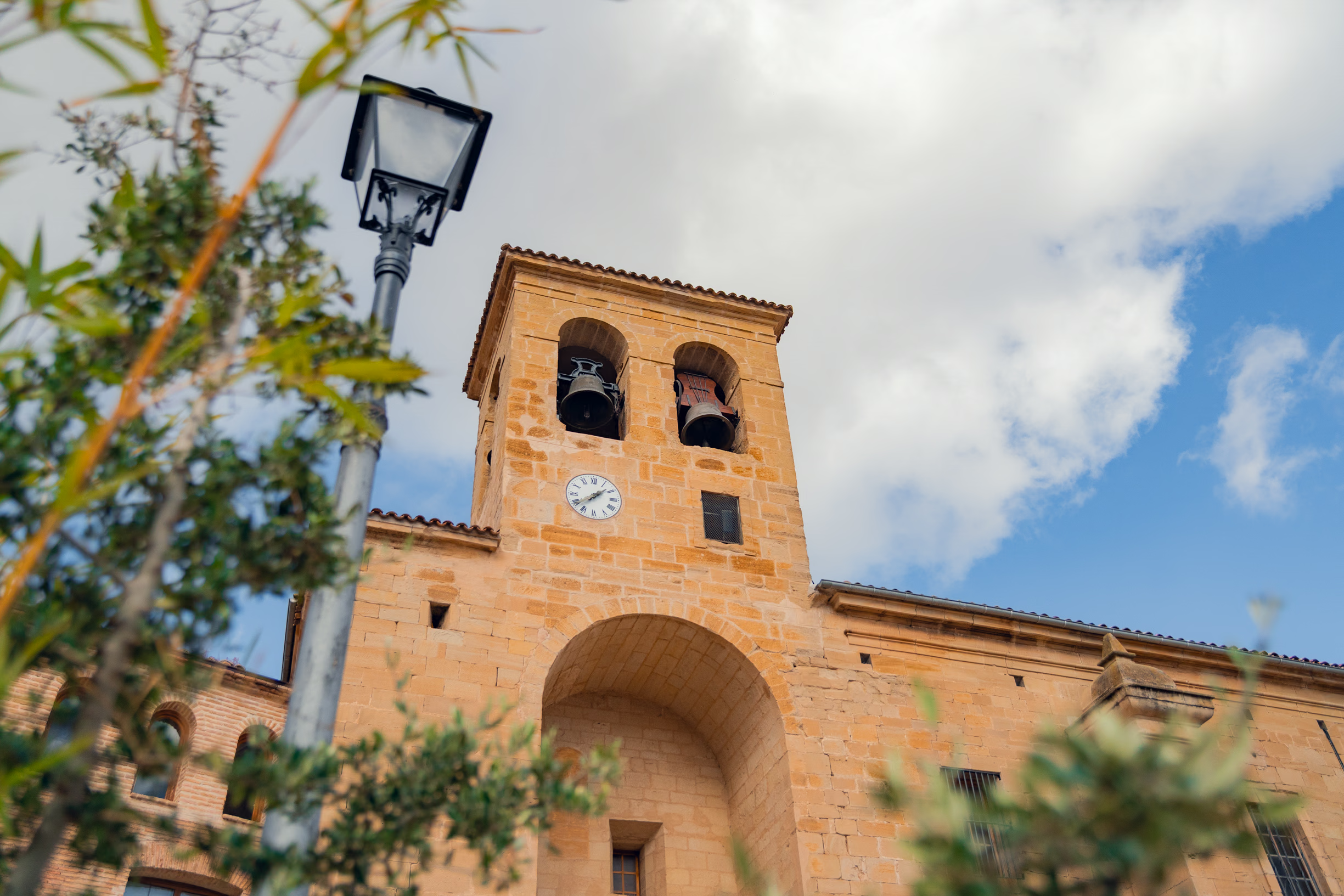
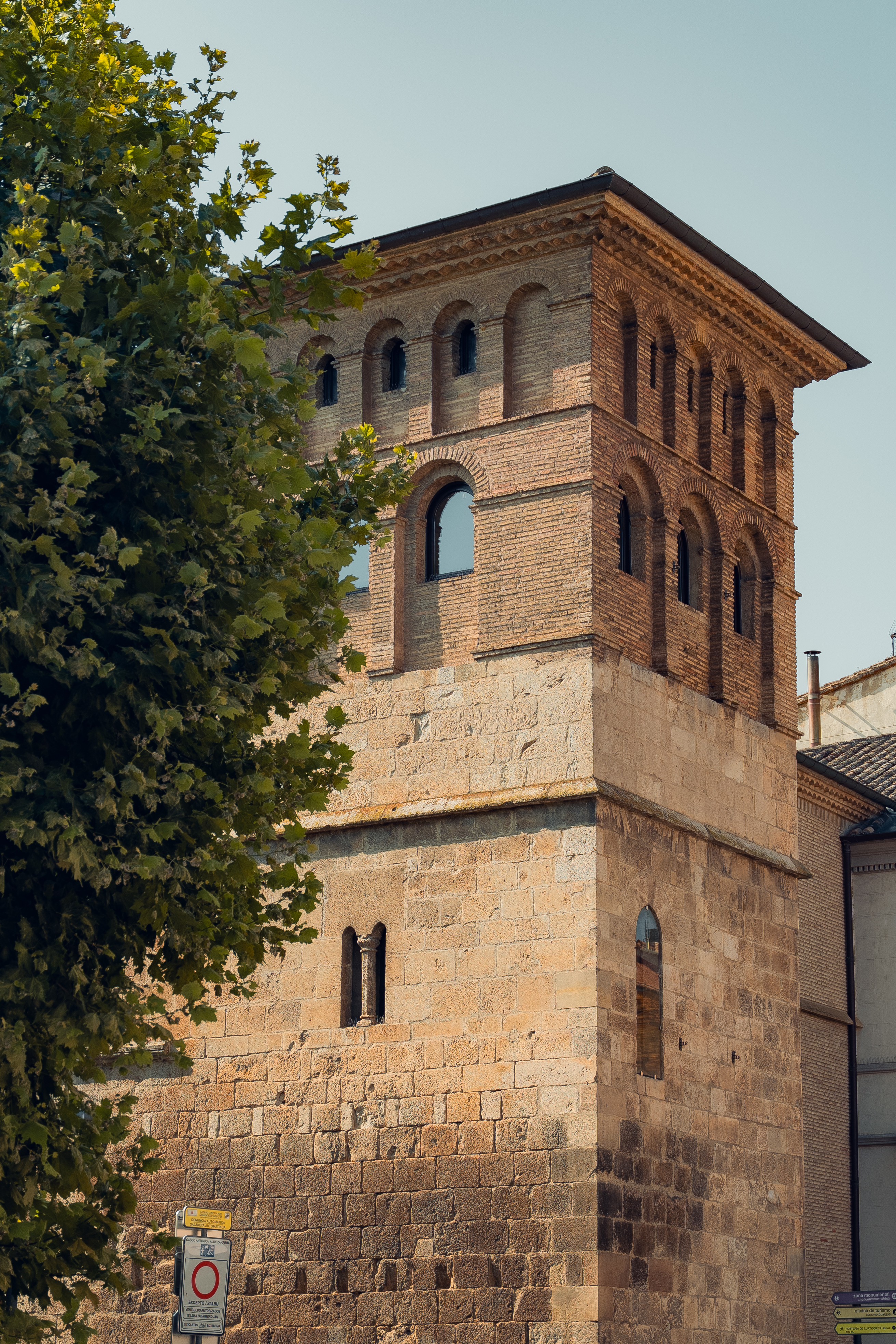
The village center is dominated by the Church of San Martín de Tours, a Romanesque-era church that was remodeled between the 16th and 17th centuries and houses an interesting collection of Baroque altarpieces, a medieval baptismal font, and an expressive carving of Saint Martin the Bishop. Next to it stands the Casa del Obispo, a 19th-century neoclassical building linked to Ramón Fernández de Piérola, a benefactor of the town, whose legacy is also evident in the water infrastructure that shaped daily life in Otiñano.
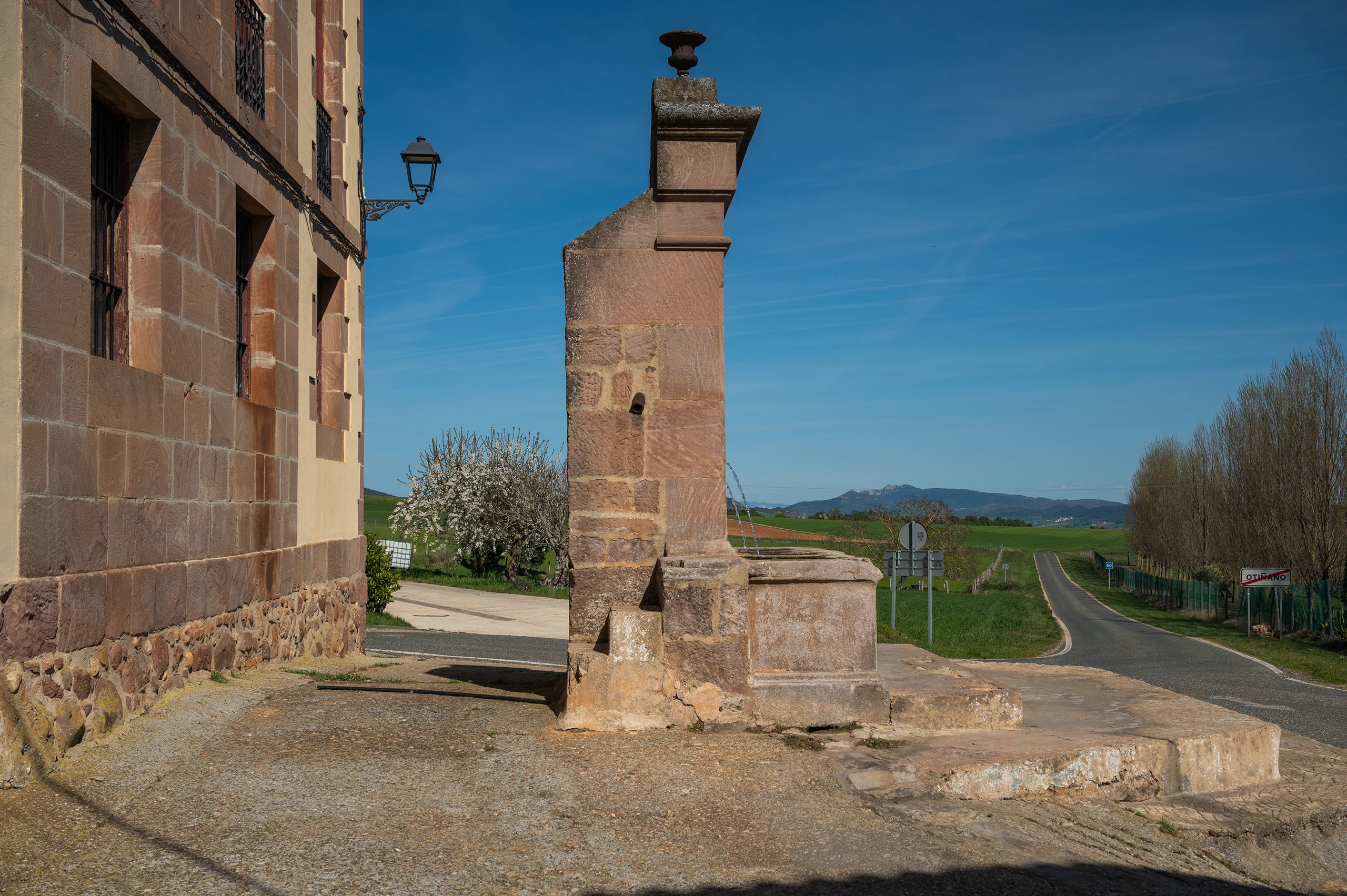
One of the most unique features of the municipality is its washhouse—one of the largest in Tierra Estella—built in the early 20th century thanks to a contribution from Bishop Piérola himself. Restored and revitalized, the complex—comprising the washhouse, fountain, and watering trough—now stands as a valuable testament to vernacular architecture linked to the use of water and community life.
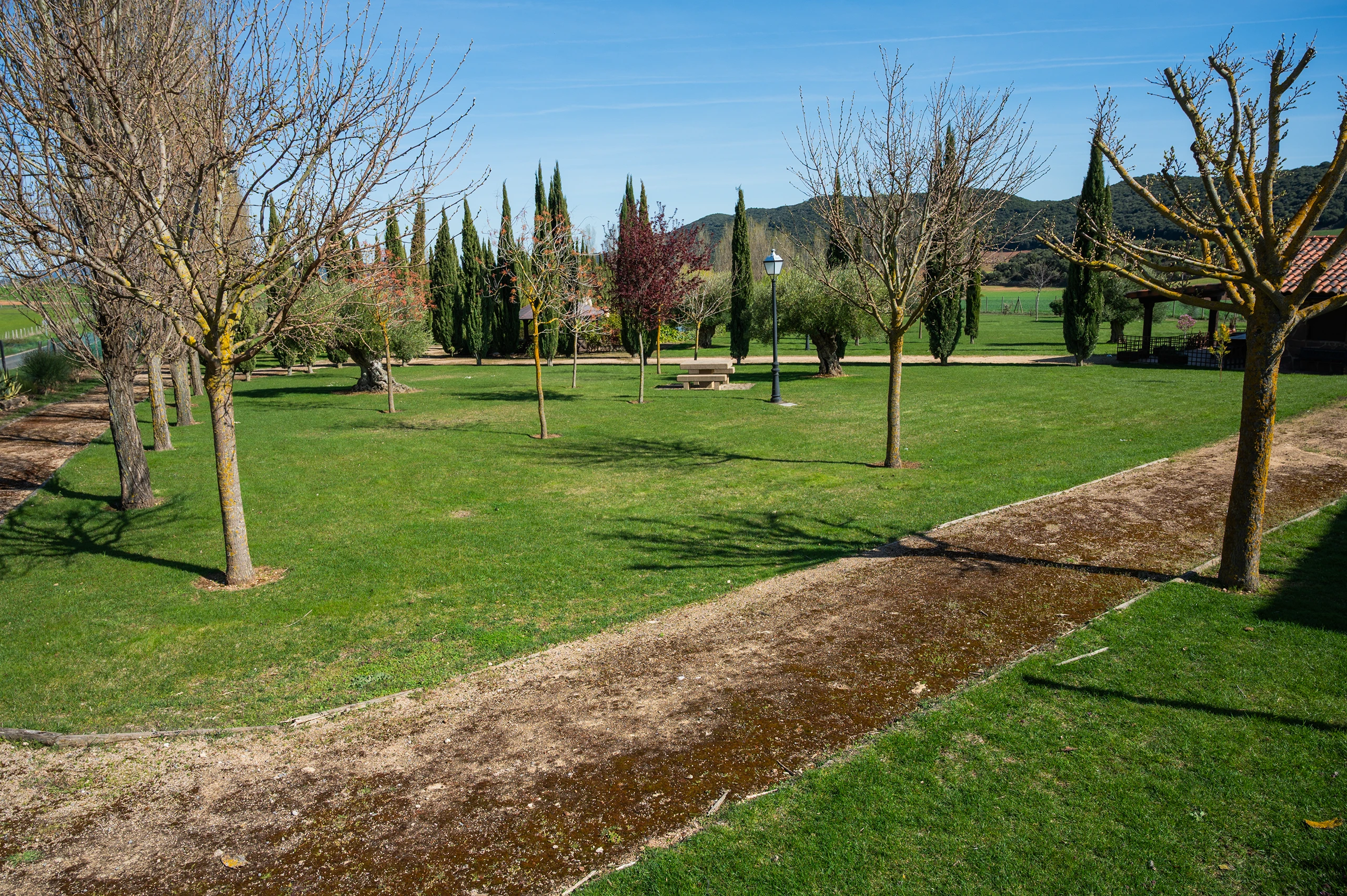
Today, its patron saint festivities in honor of the Virgin of Pilar, celebrated on October 12, bring together residents and visitors around simple, down-to-earth traditions. The village is also the starting point for walks and excursions into the Sierra de Codés, making it an ideal base for those seeking nature, cultural heritage, and tranquility.