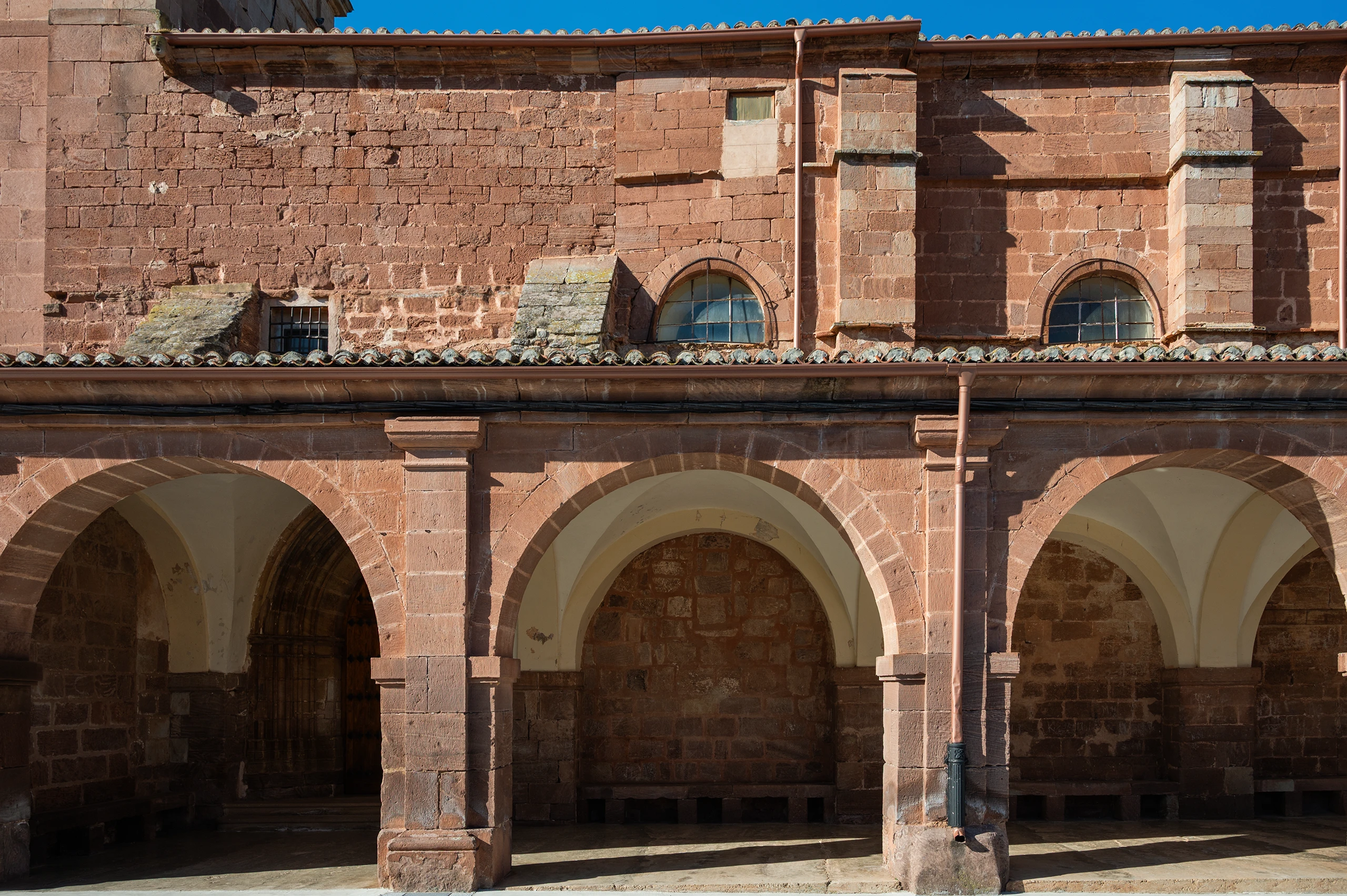
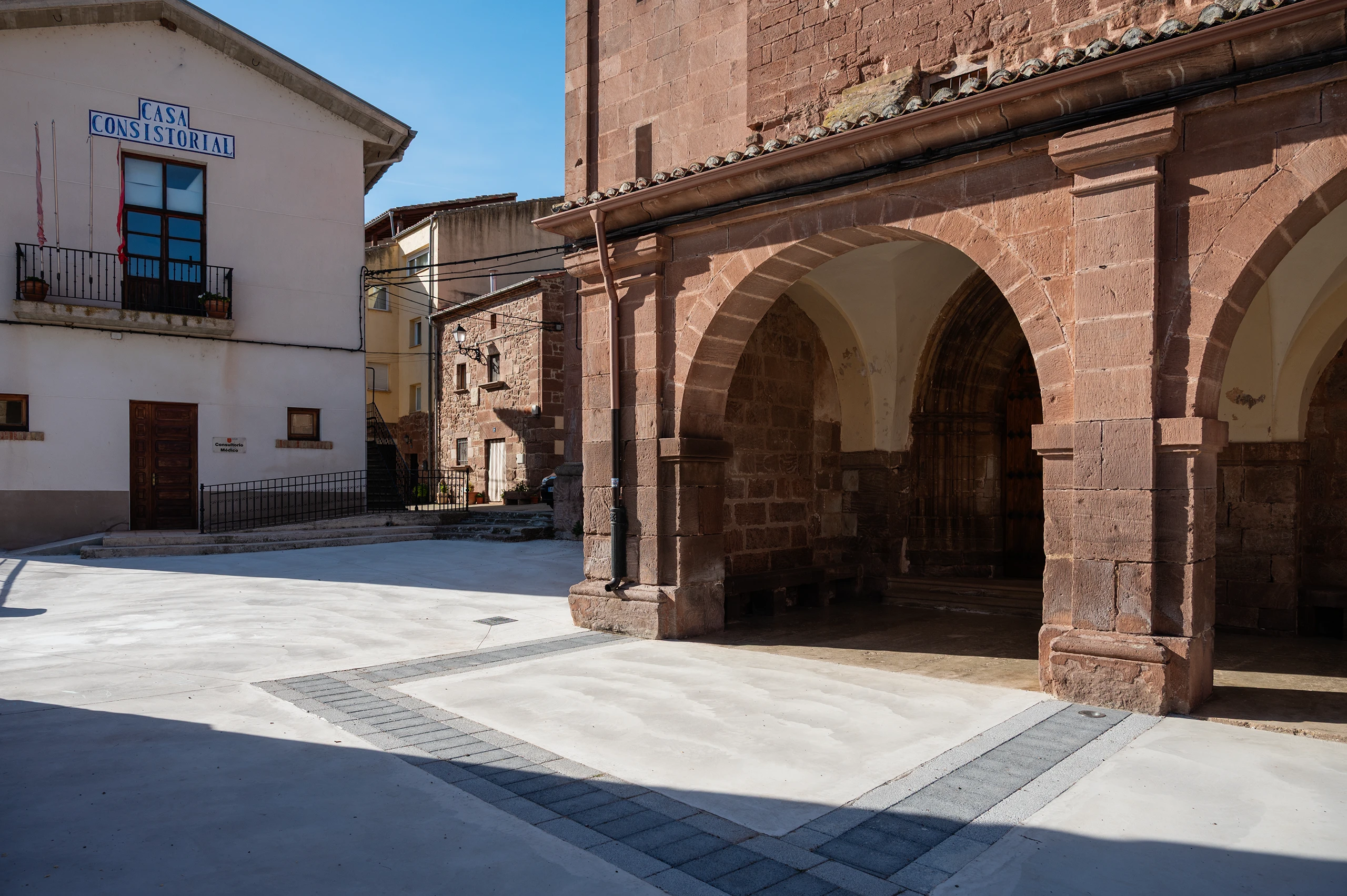
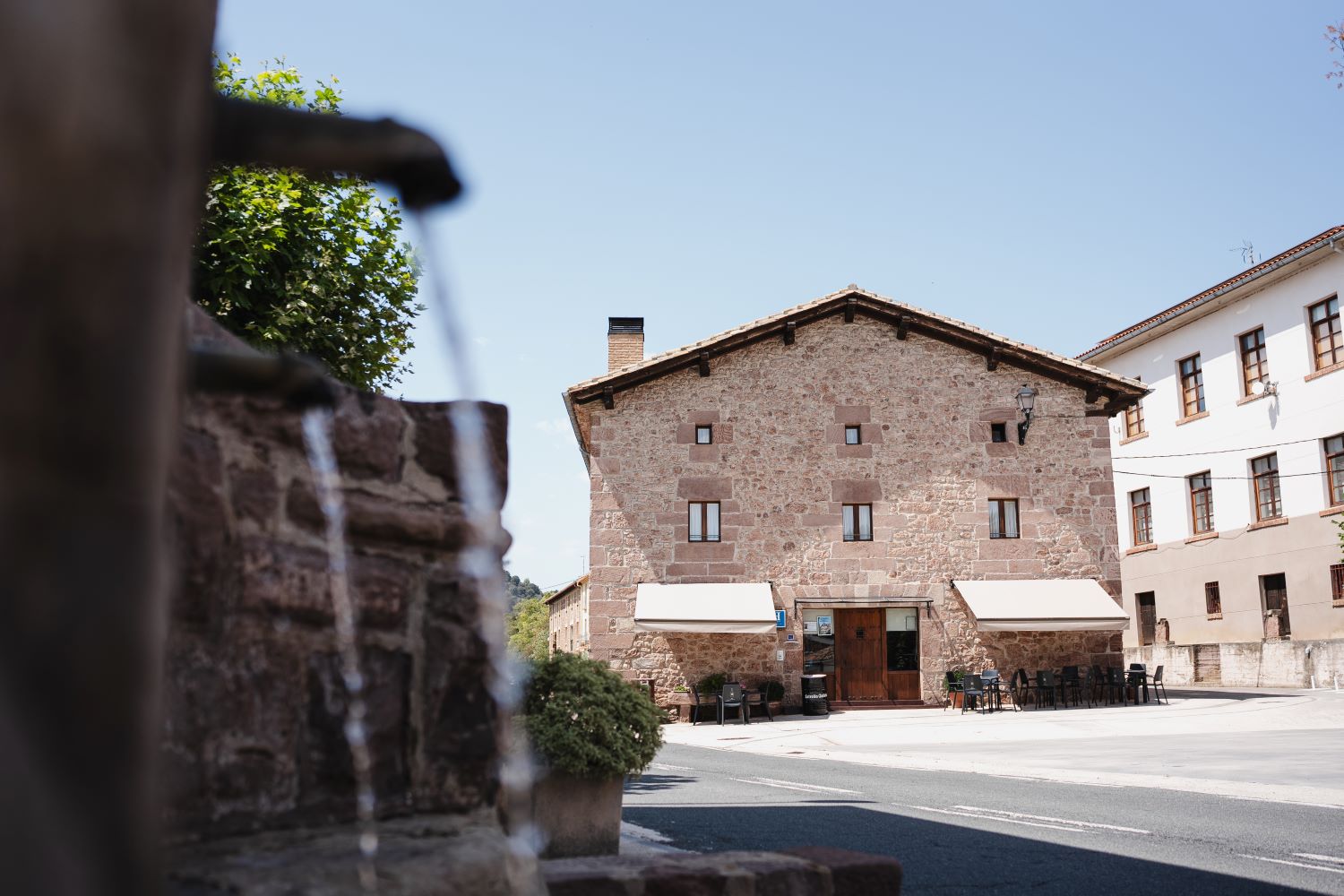
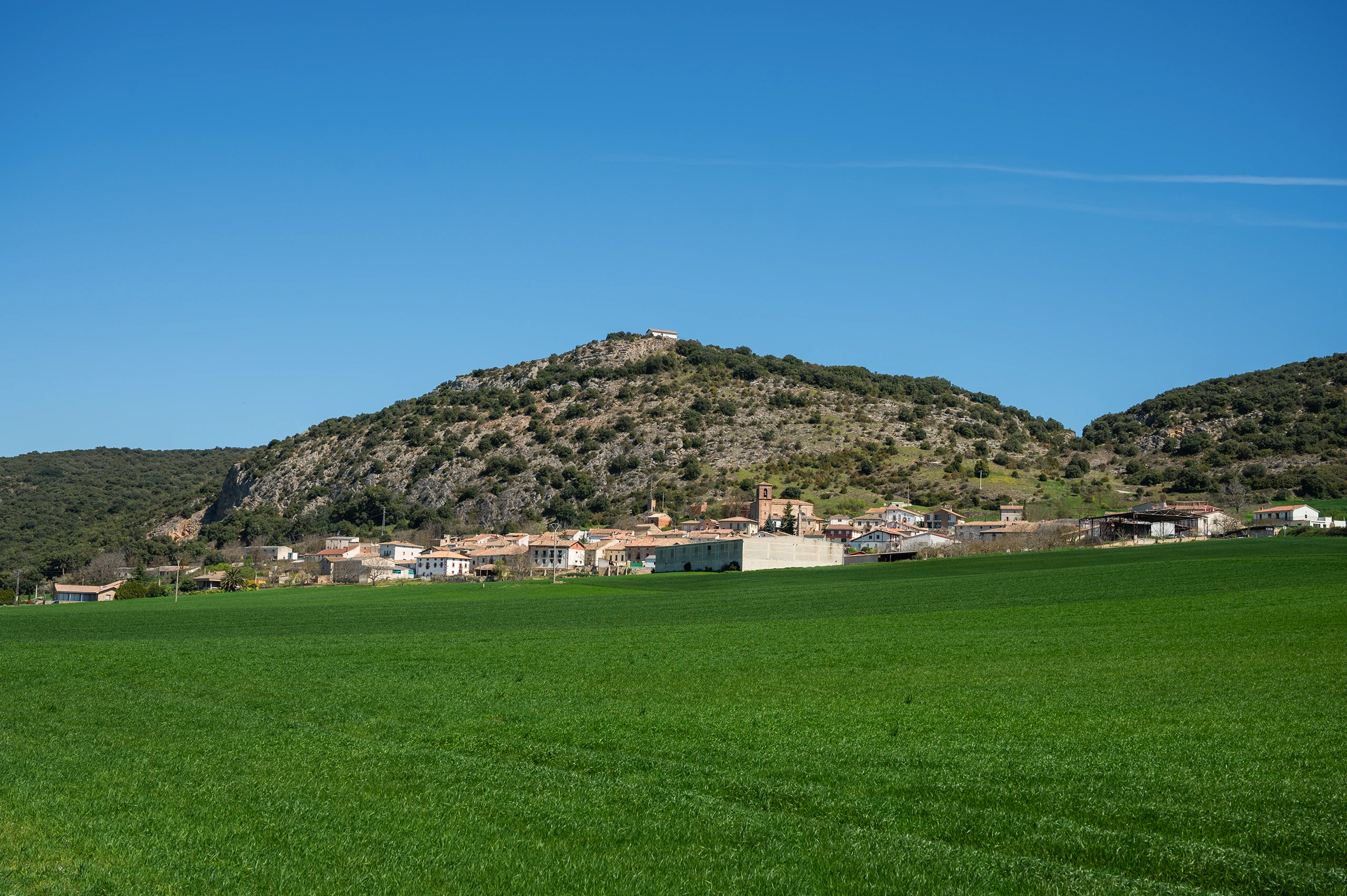
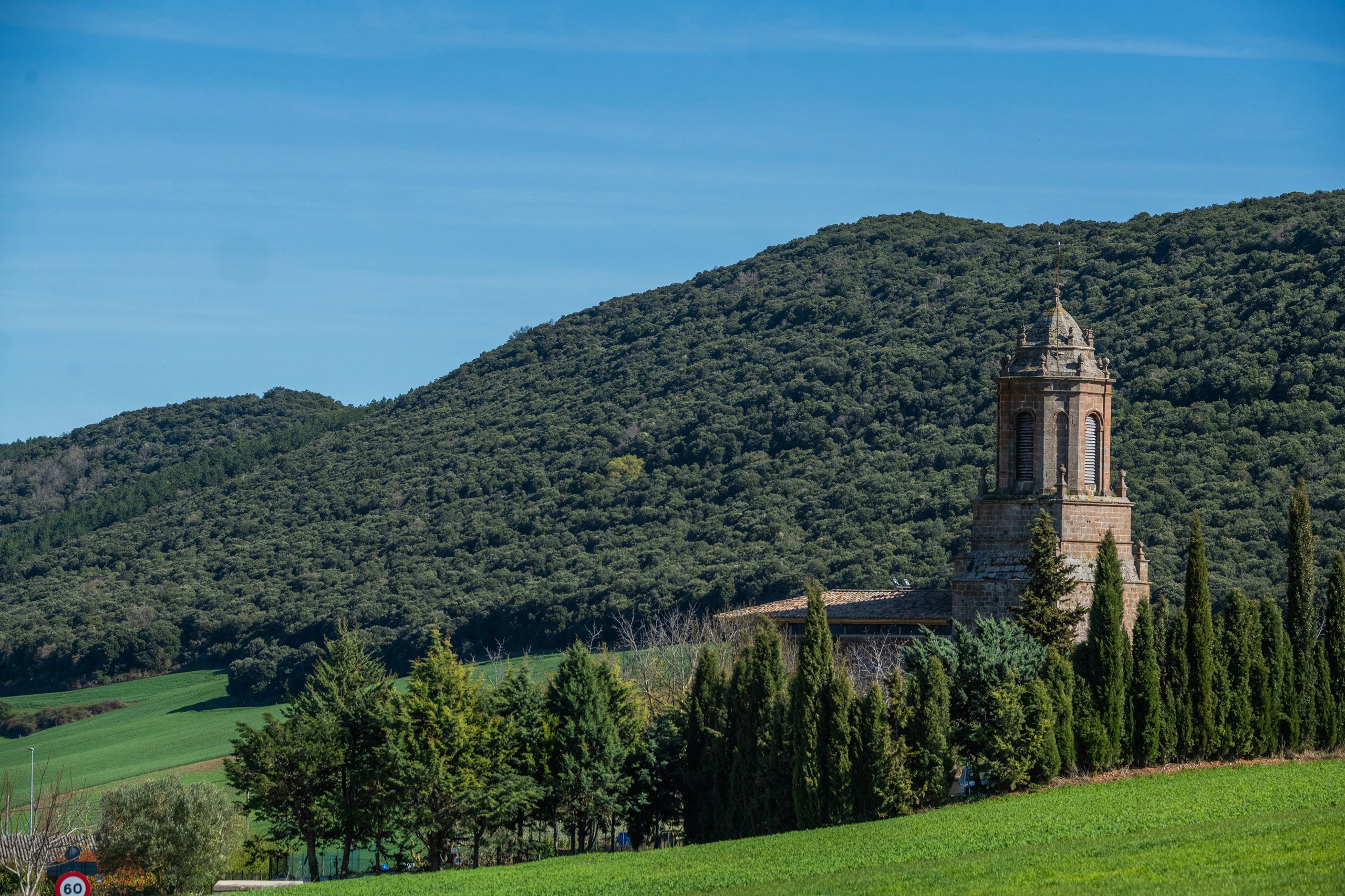
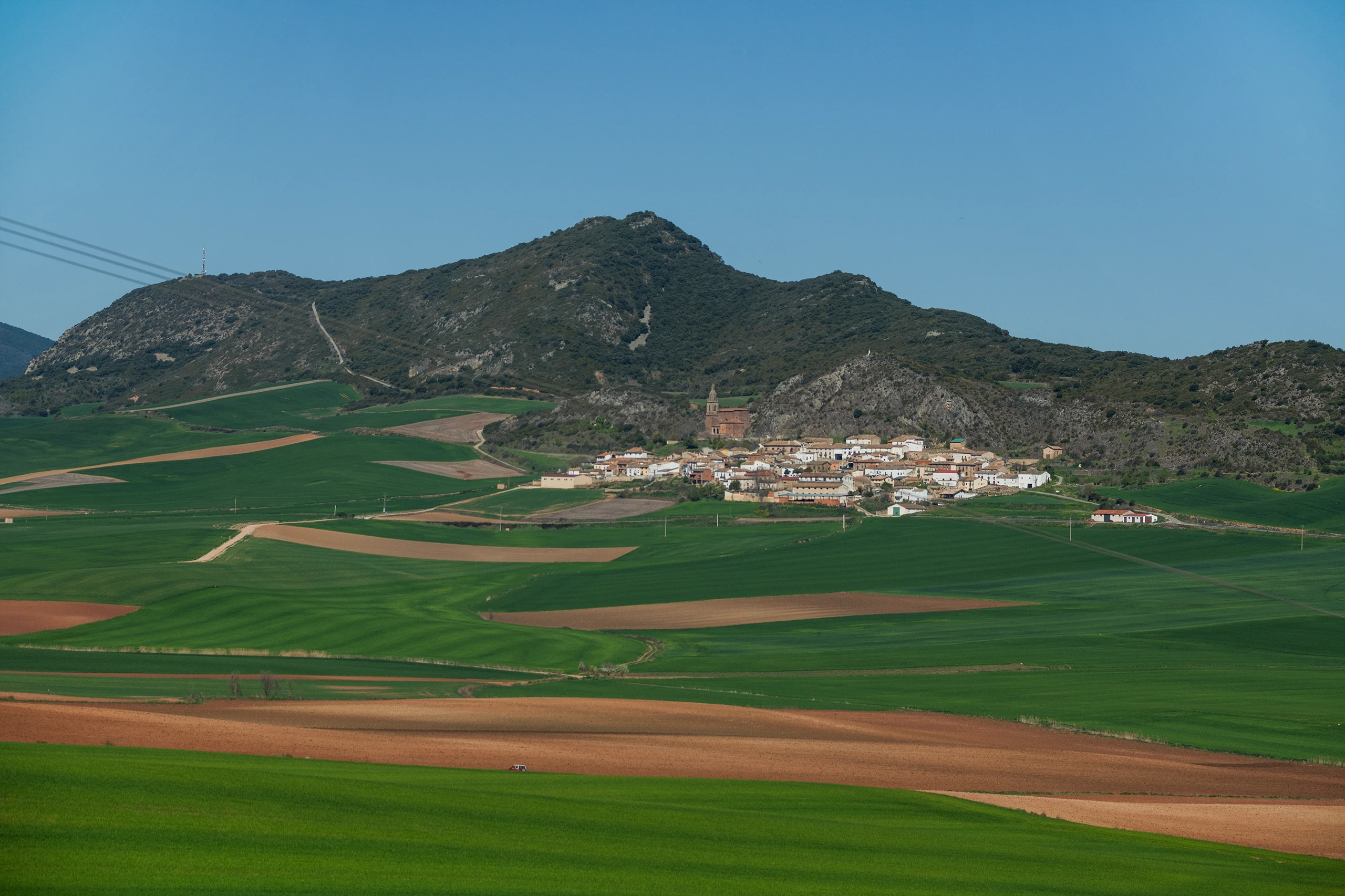
Mués is a small village in the La Berrueza Valley known for its well-maintained townscape and the distinctive use of reddish sandstone in its houses, churches, and chapels—an architectural feature that visually defines much of this area of Tierra Estella. Nestled among rolling hills and sheltered by the Murillo and Congosto cliffs, the town blends naturally into a landscape of fields, holm oak groves, and ancient rural paths.
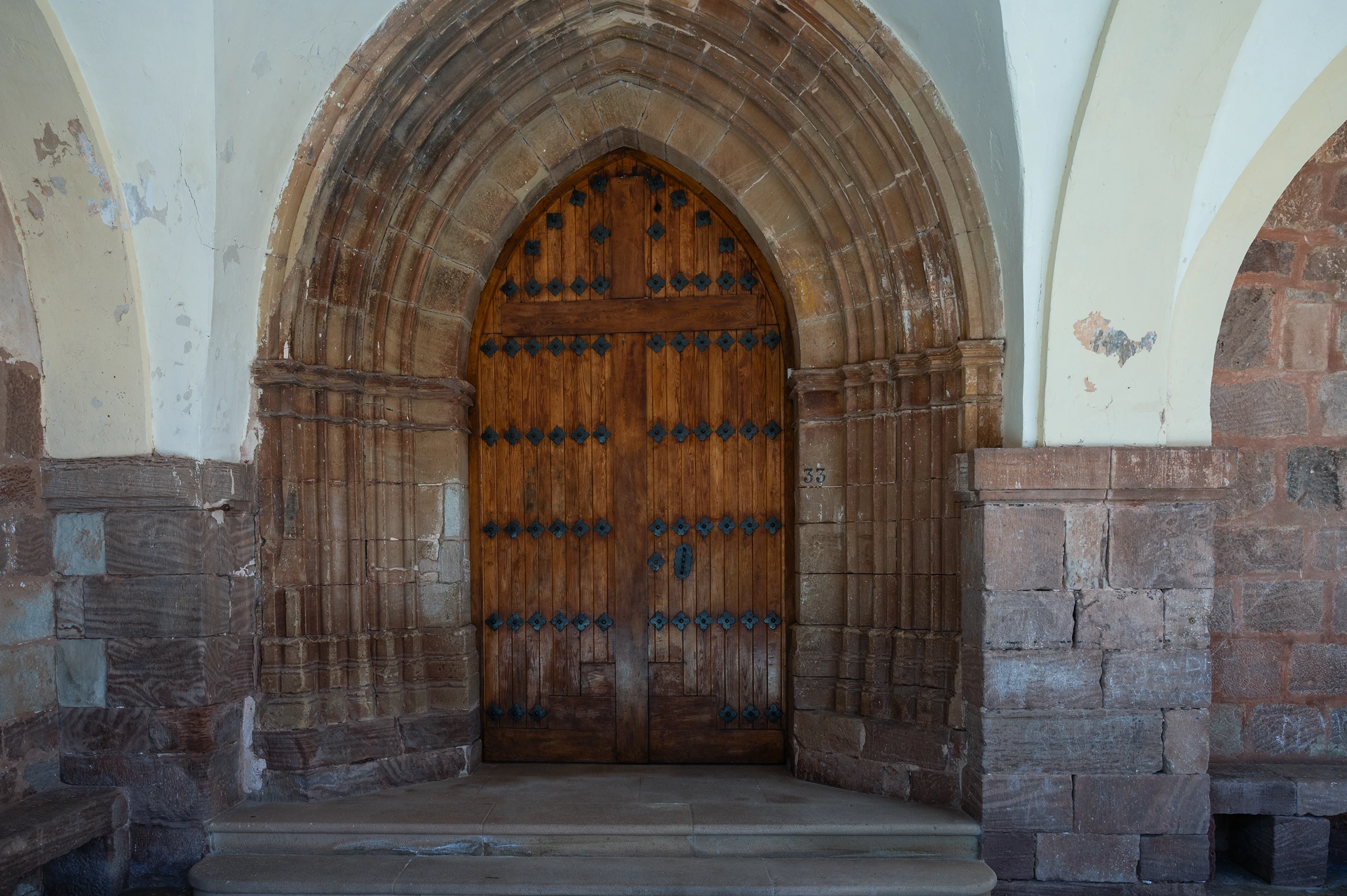
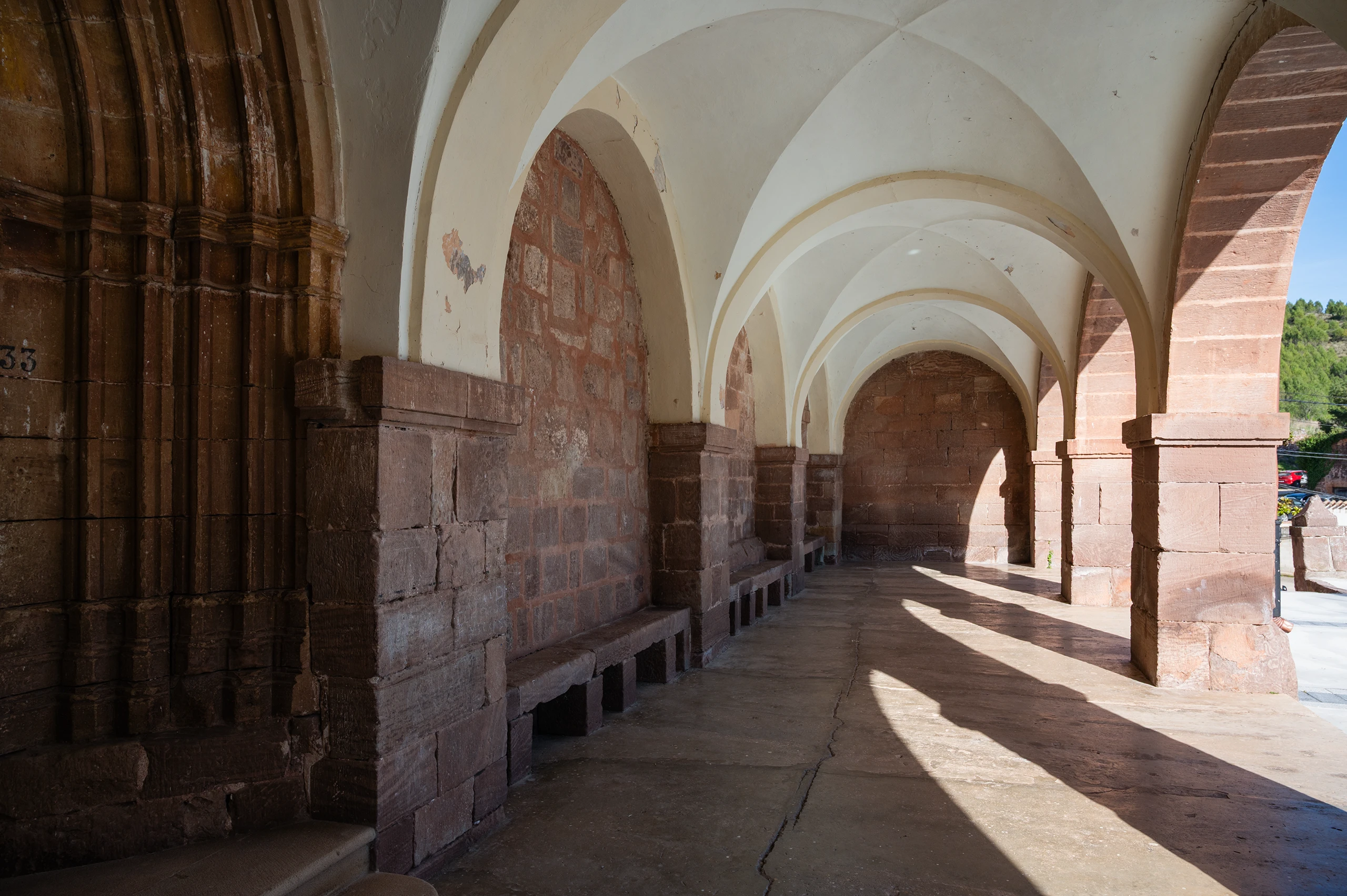
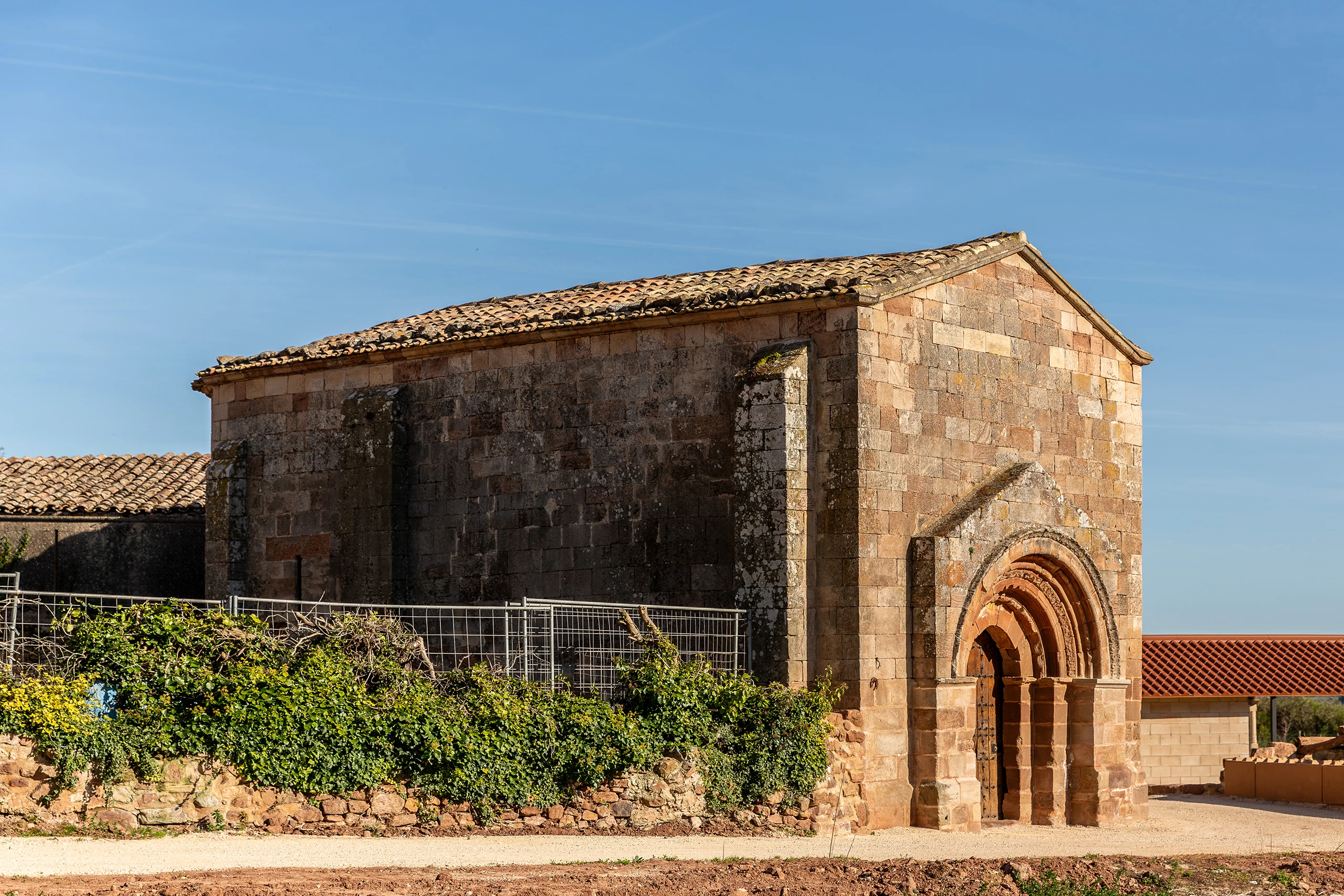
Despite its size, Mués preserves a remarkable heritage. The town center features restored traditional buildings and community spaces that keep local life vibrant. Of particular note is the Santa María Magdalena hermitage, considered one of the finest examples of late rural Romanesque architecture in Navarre. The religious heritage is rounded out by the chapels of Santa Teodosia and the Virgen de la Cuesta, linked to pilgrimages and deeply rooted traditions.
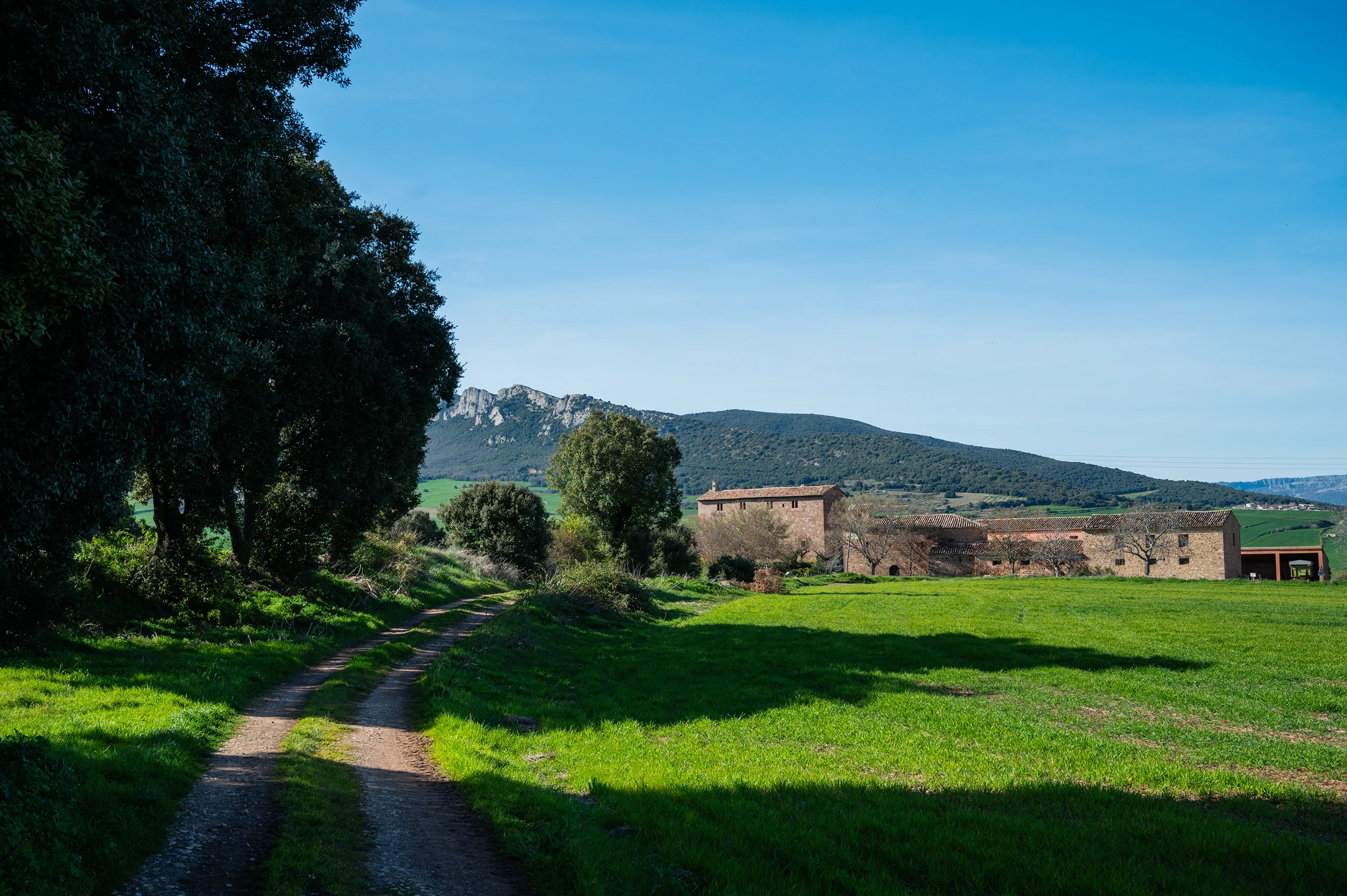
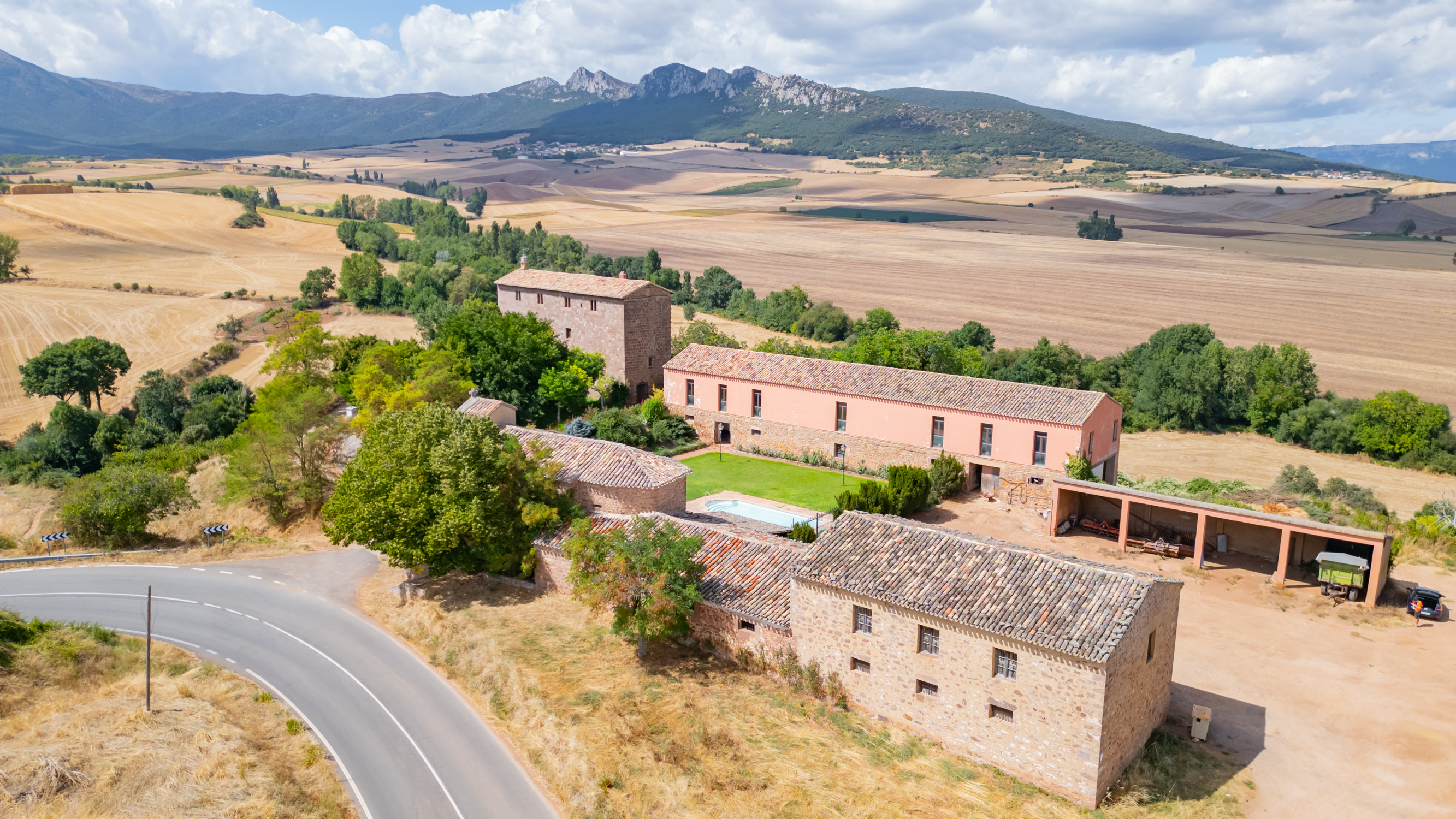
From the village, you can reach the Señorío de Cábrega, a historic and scenic site of great interest where a palace-church complex and one of the region’s most iconic trees are preserved: the Encino de Cábrega, designated a Natural Monument of Navarre. Marked trails allow visitors to explore oak groves, open spaces, and ancient sites linked to the traditional use of the forest.
Mués also preserves a surprising remnant from Roman times: a dam built between the 1st and 2nd centuries, considered one of the best-preserved in Navarre and an essential stop for understanding the region’s long history of settlement.
The village maintains an active community life, with basic services, municipal swimming pools, and a festival calendar deeply rooted in local traditions. Celebrations such as the raising of the Maypole, pilgrimages, and summer festivals reinforce the welcoming character of a village that’s ideal for discovering La Berrueza on an intimate and authentic scale.