Mendavia is an exceptional riverside town, renowned for having the highest concentration of Designations of Origin and food quality certifications in the country. It is located in the southwest of the Merindad de Estella, on a fertile plain irrigated by the Ebro River and its tributaries, the Odrón and the Linares.
The town center, typical of the Ribera Estellesa region, stands on a river terrace and extends gently downhill around the parish church of San Juan Bautista, an imposing structure that dominates the town’s skyline. Its interior houses a magnificent main altarpiece and a carving of the Virgin of Legarda, one of the town’s most cherished objects of devotion.
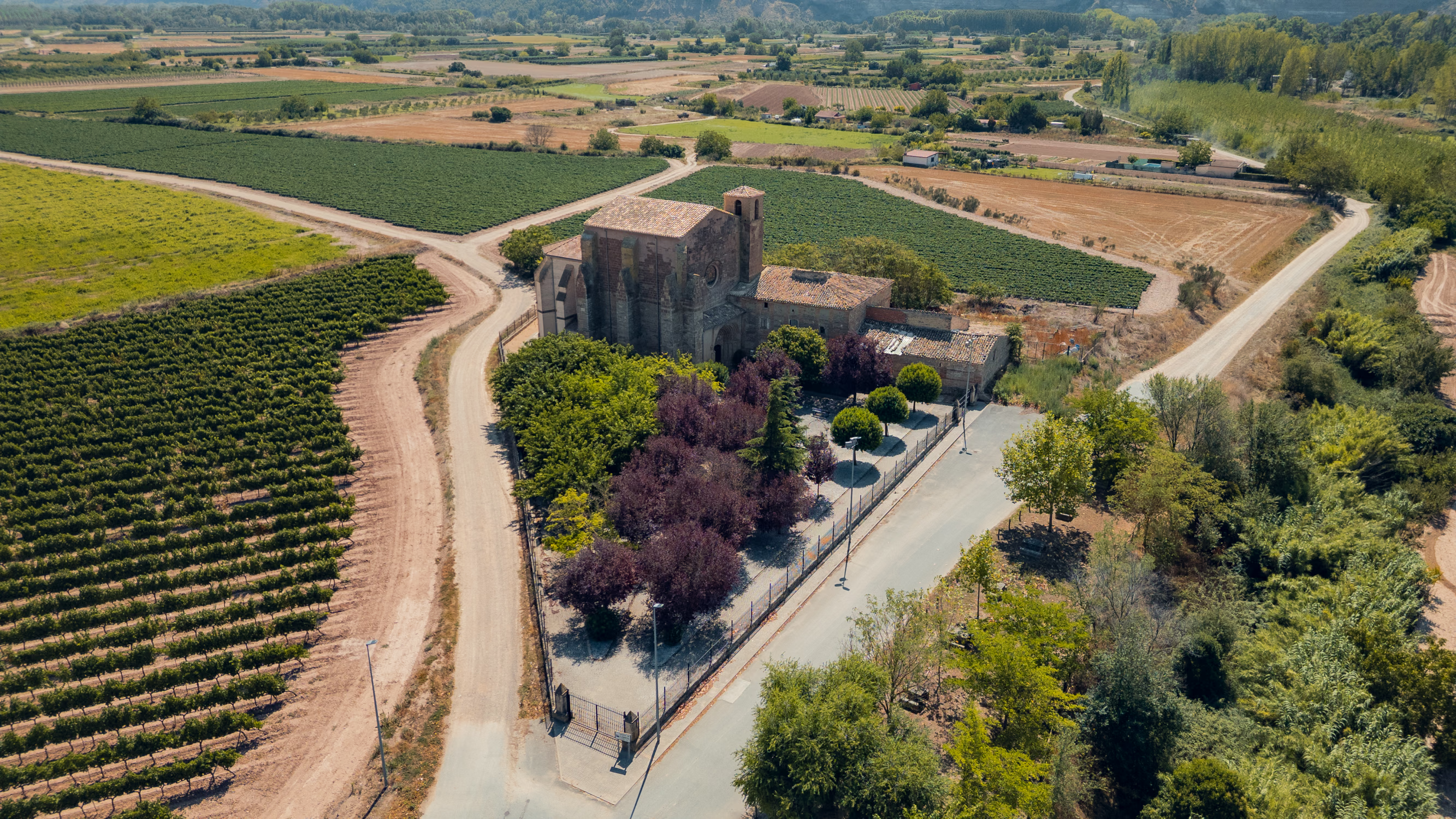
Mendavia’s earliest history dates back to prehistoric times and the Iron Age, as evidenced by archaeological sites such as the El Castillar settlement, where overlapping settlements from the Late Bronze Age through the Iron Age II have been documented. Adding to this heritage is the Virgen de Legarda Chapel, on the banks of the Ebro River, and the Soto de Magacha, a riverine forest of great ecological and cultural value that connects Mendavia to its landscape most closely linked to the river.
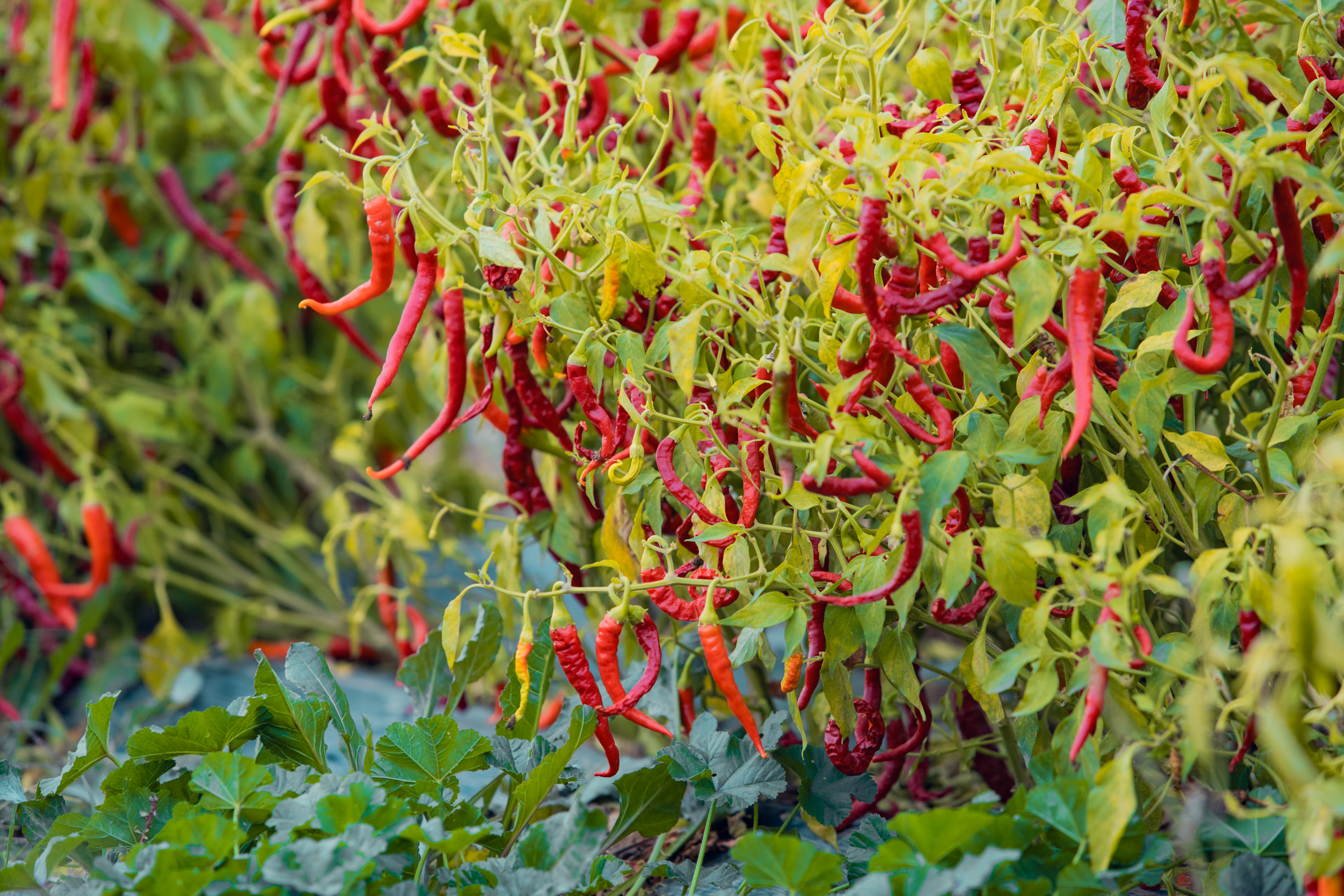
But if there is one thing that sets Mendavia apart on a national level, it is its gastronomy, linked to its designations of origin. More than 3,000 hectares of irrigated land and exceptionally fertile soil have made the town a leader in gastronomic tourism. As many as eleven Designations of Origin and quality seals coexist within just 78 km²: Rioja wine, Cava, Piquillo peppers from Lodosa, Navarre asparagus, and Navarre pacharán are just a few of these designations. This potential is celebrated each year during the Festival of the Eleven Designations of Origin and Quality, an event that brings together local products, heritage, and culture, and which complements events such as Asparagus Day.