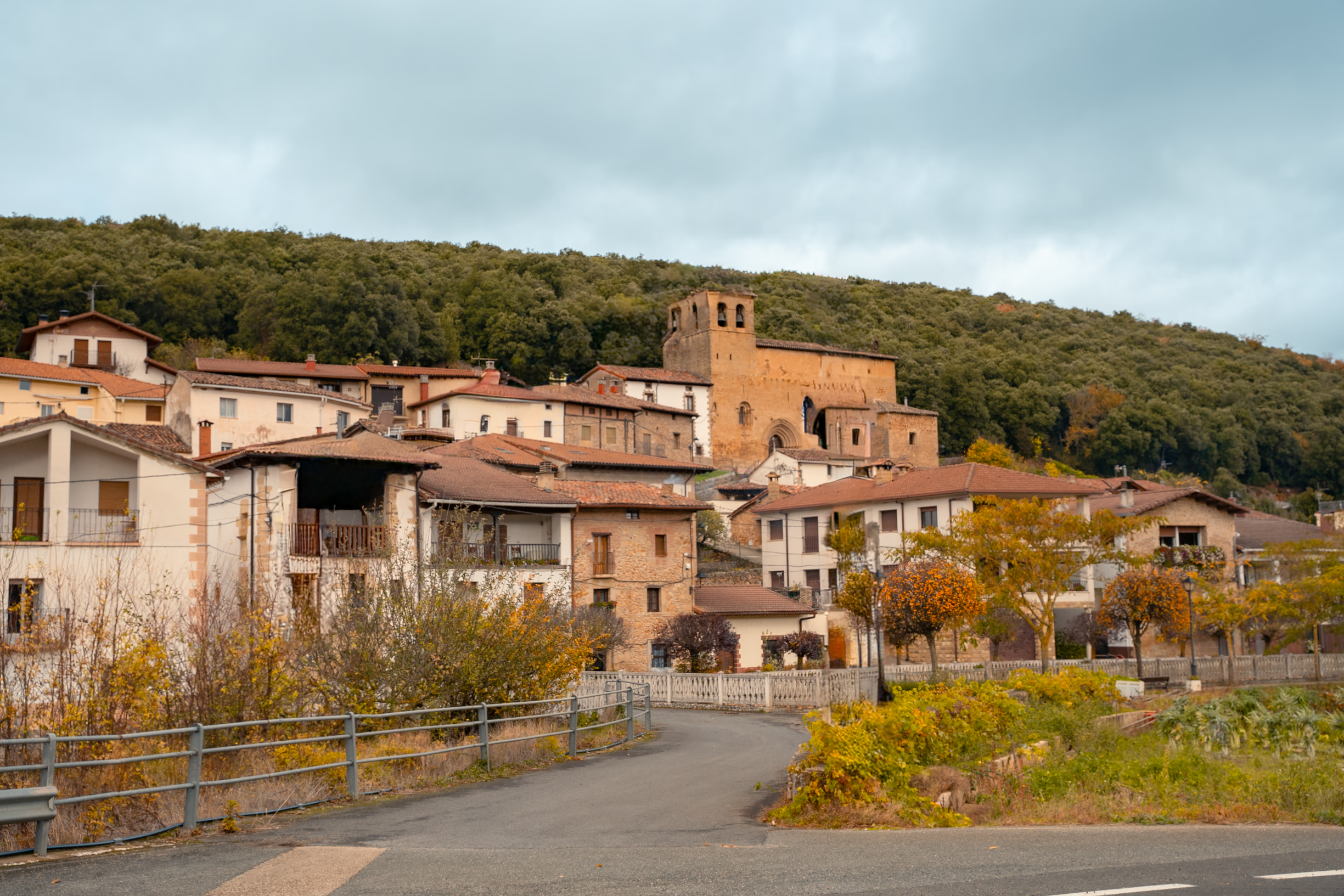
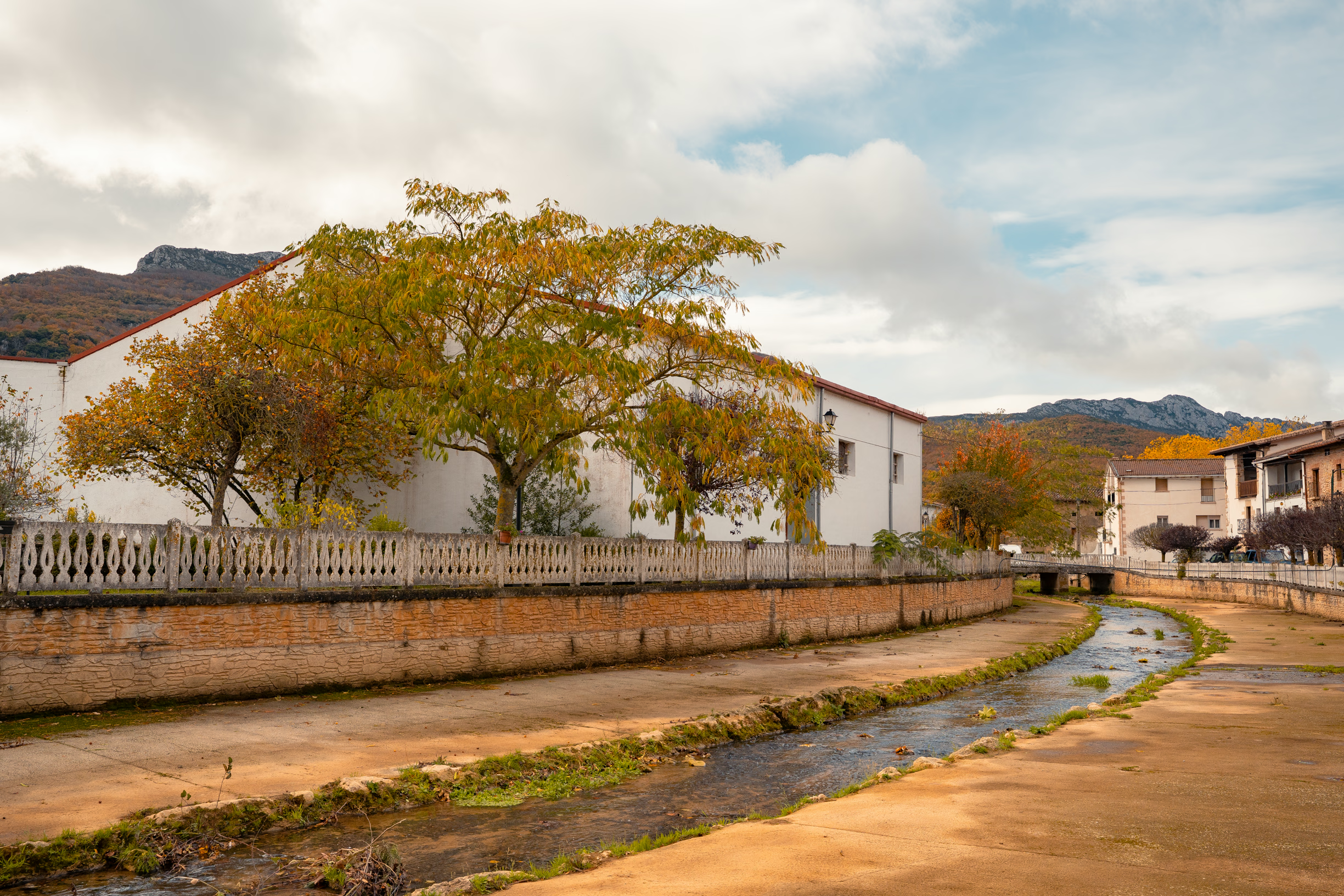
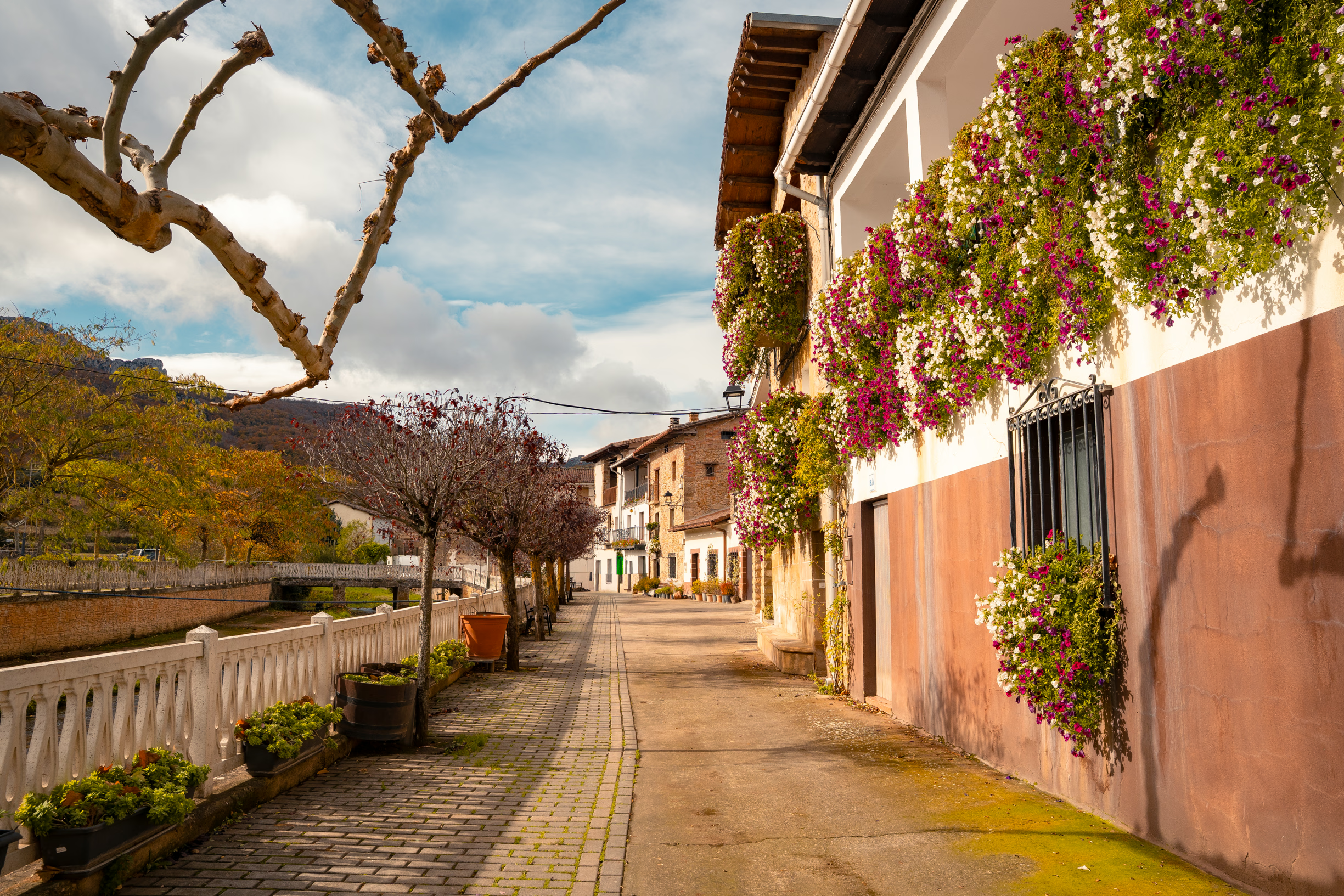
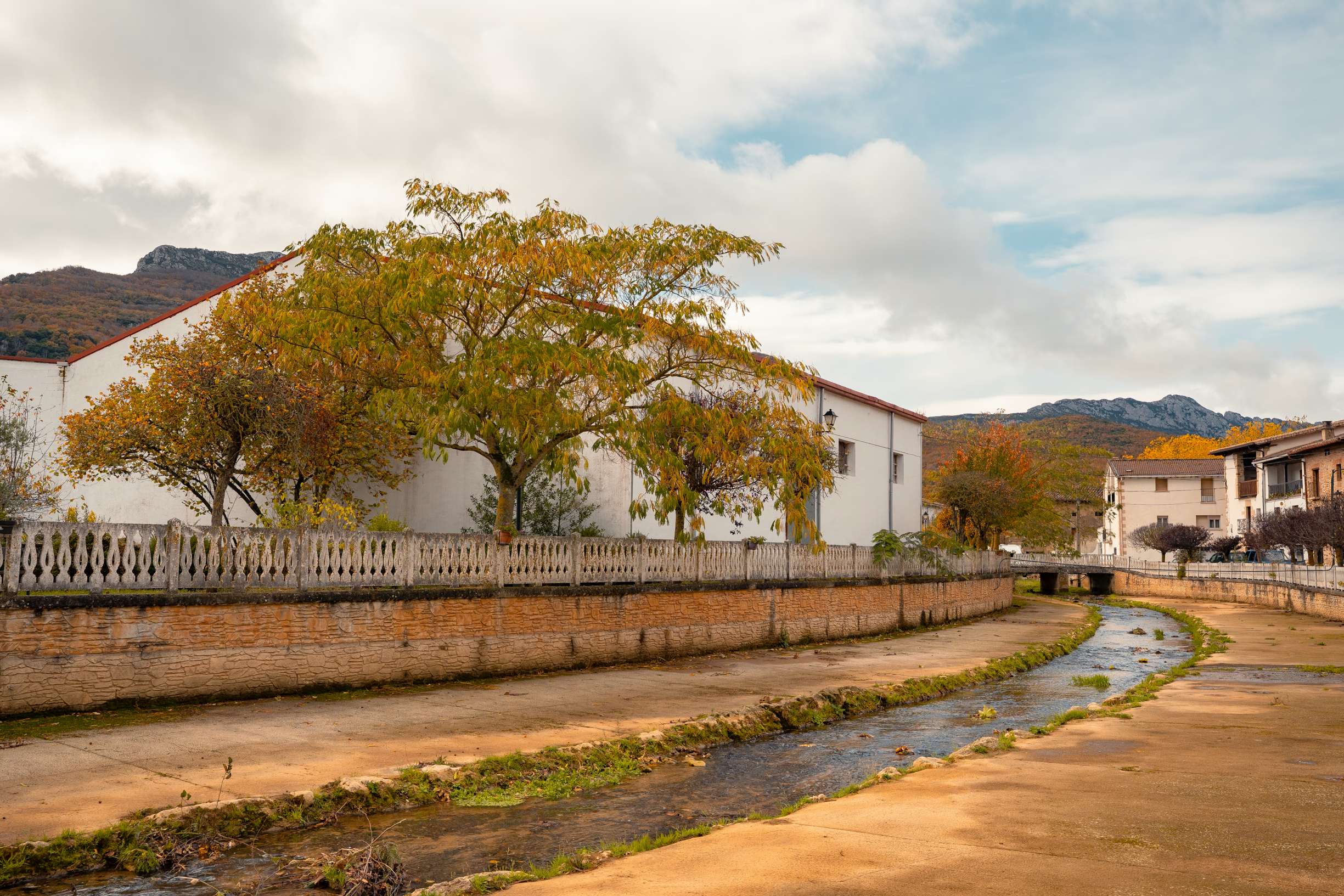
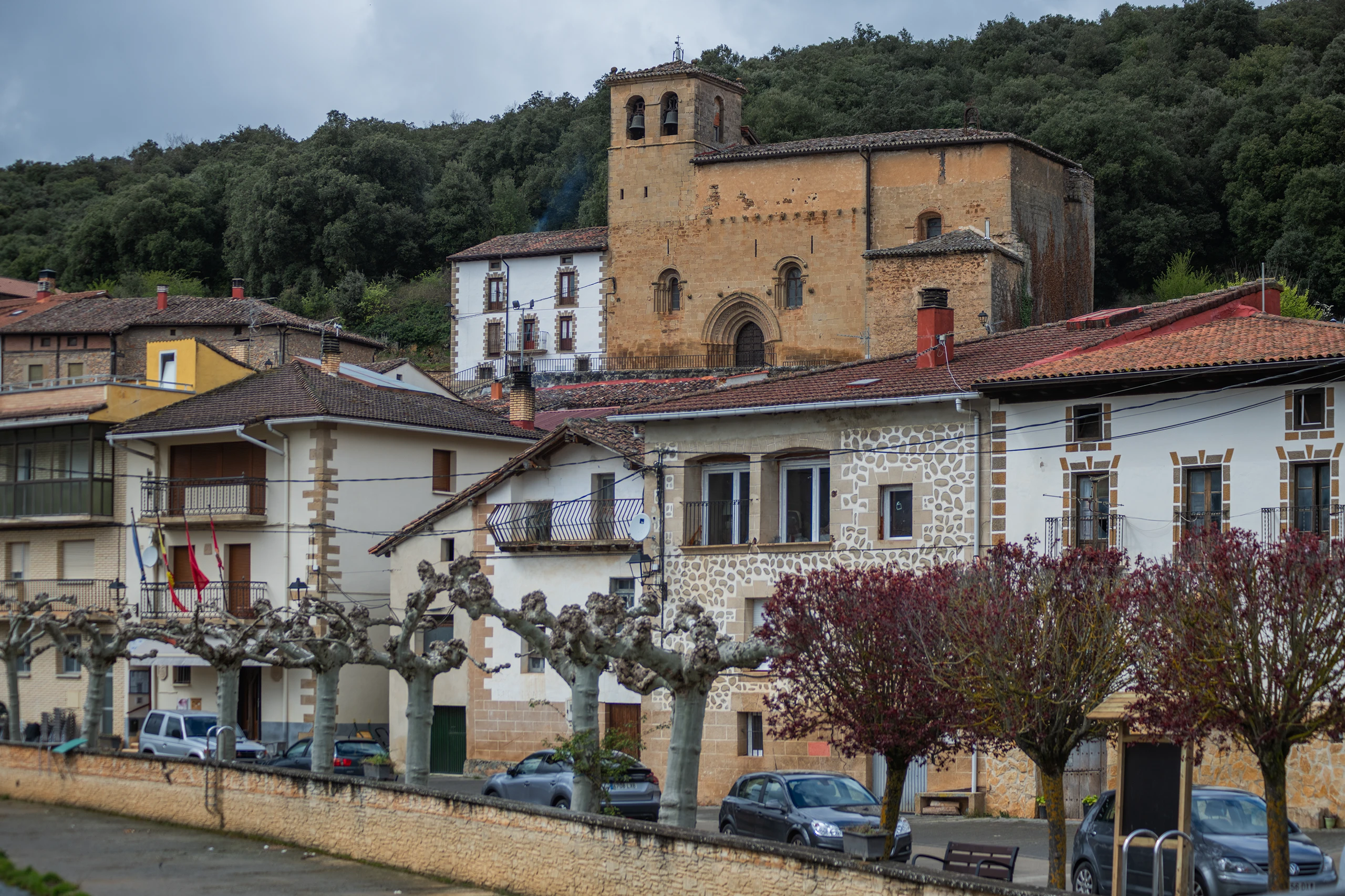
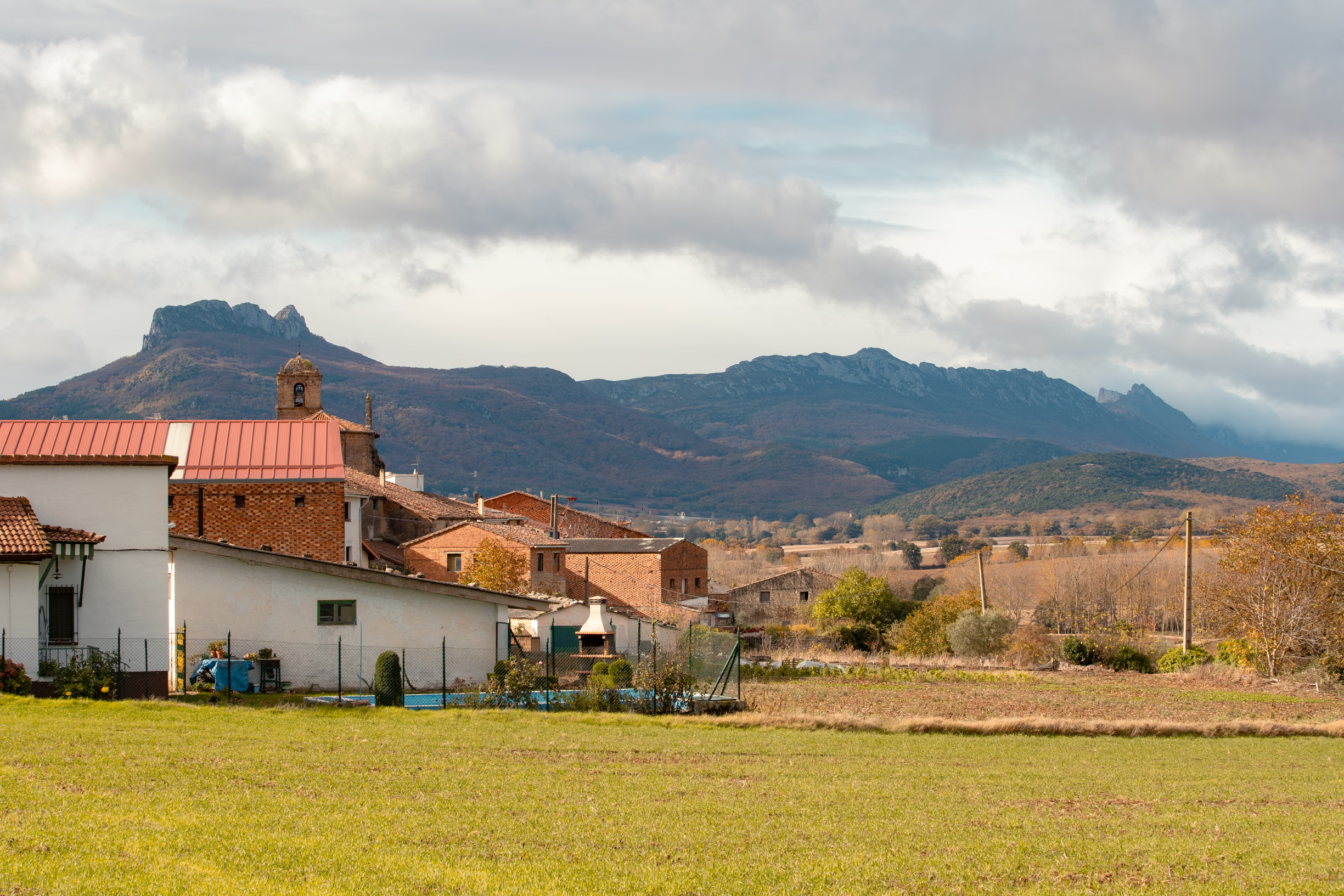
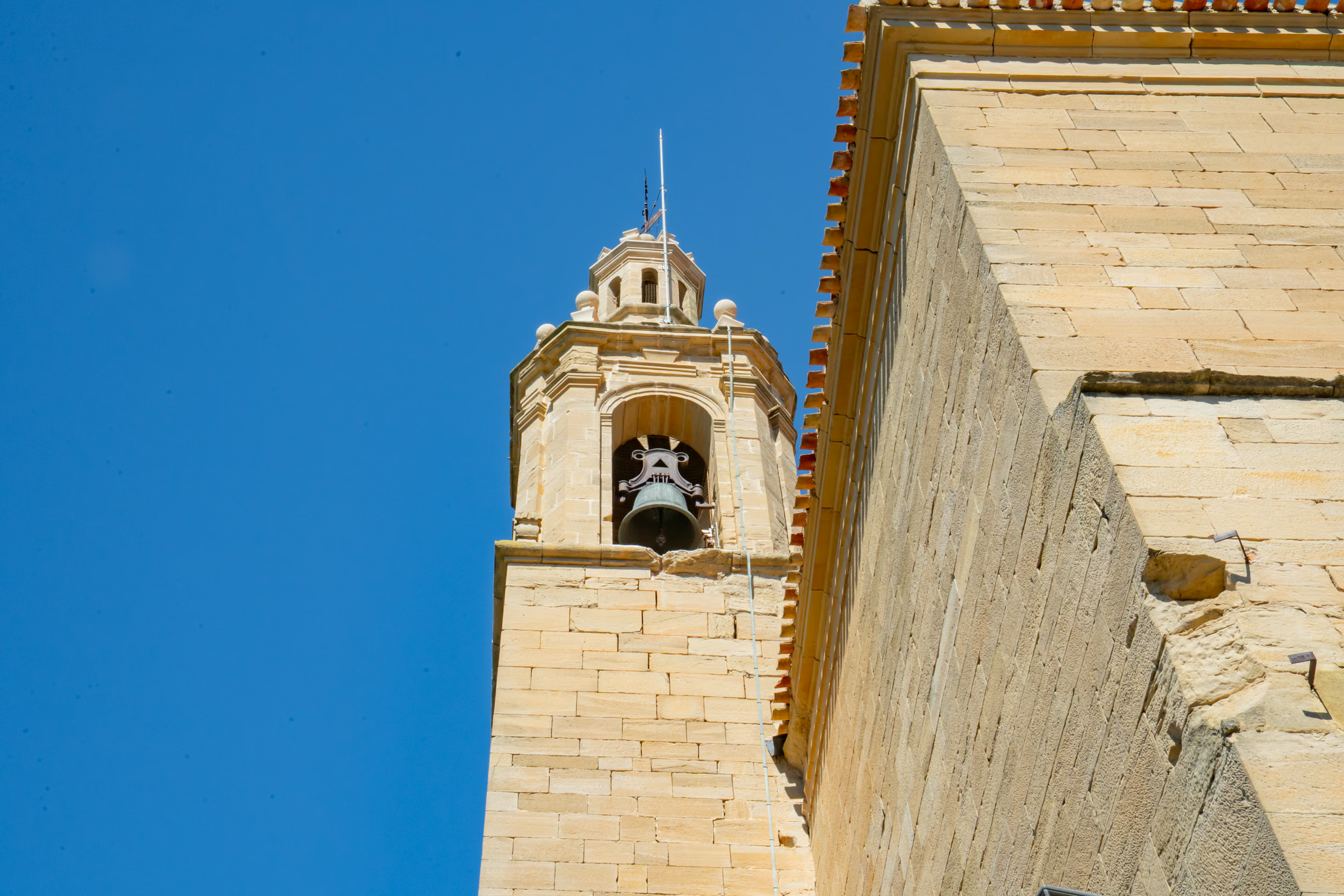
Marañón is a small village in the Upper Ega Valley, located near Cabredo, where the landscape, history, and rural life coexist in harmony. Situated on the right bank of the Ega River and at the foot of the Sierra de Codés, this town offers a peaceful and authentic setting, characterized by its closeness to nature.
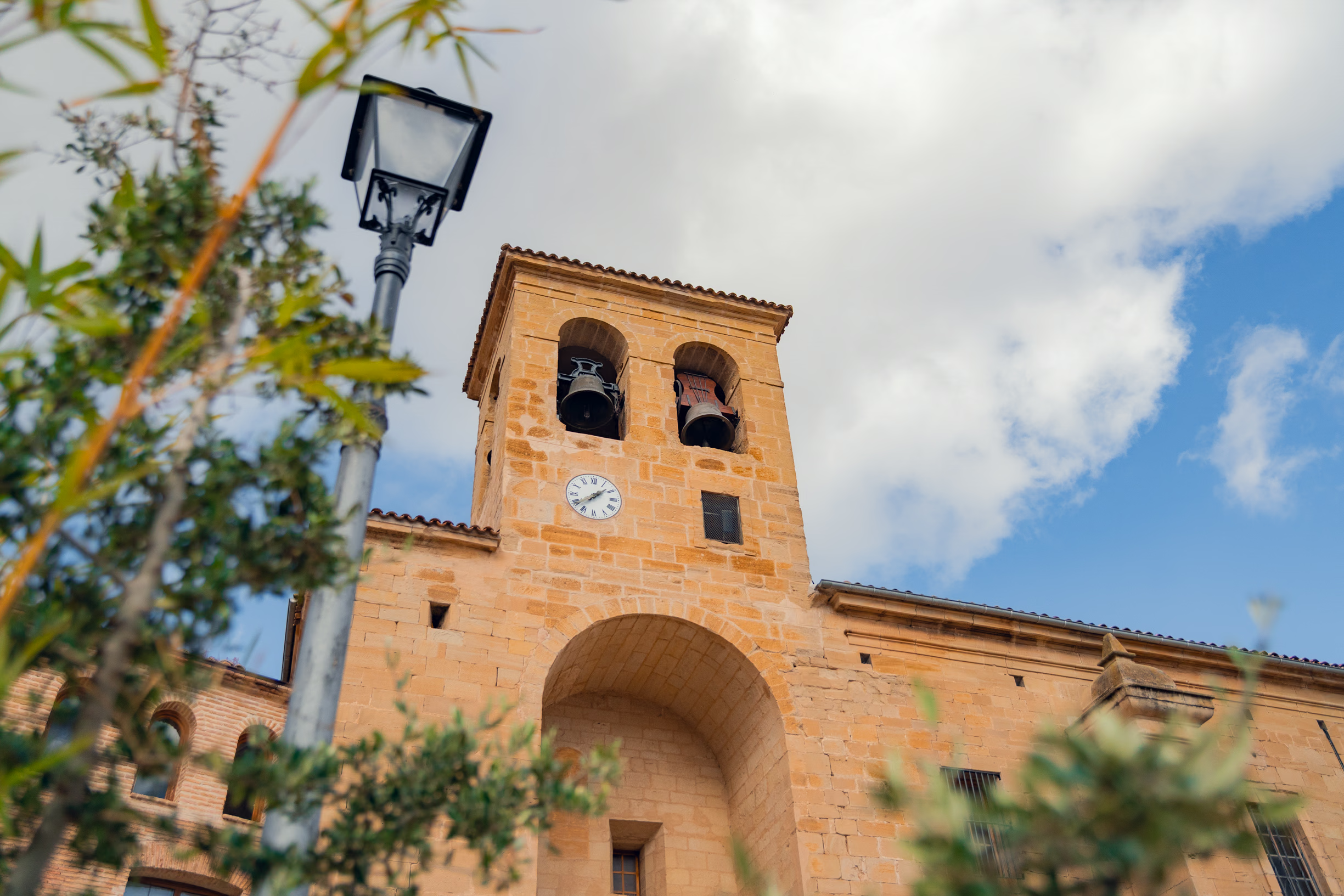
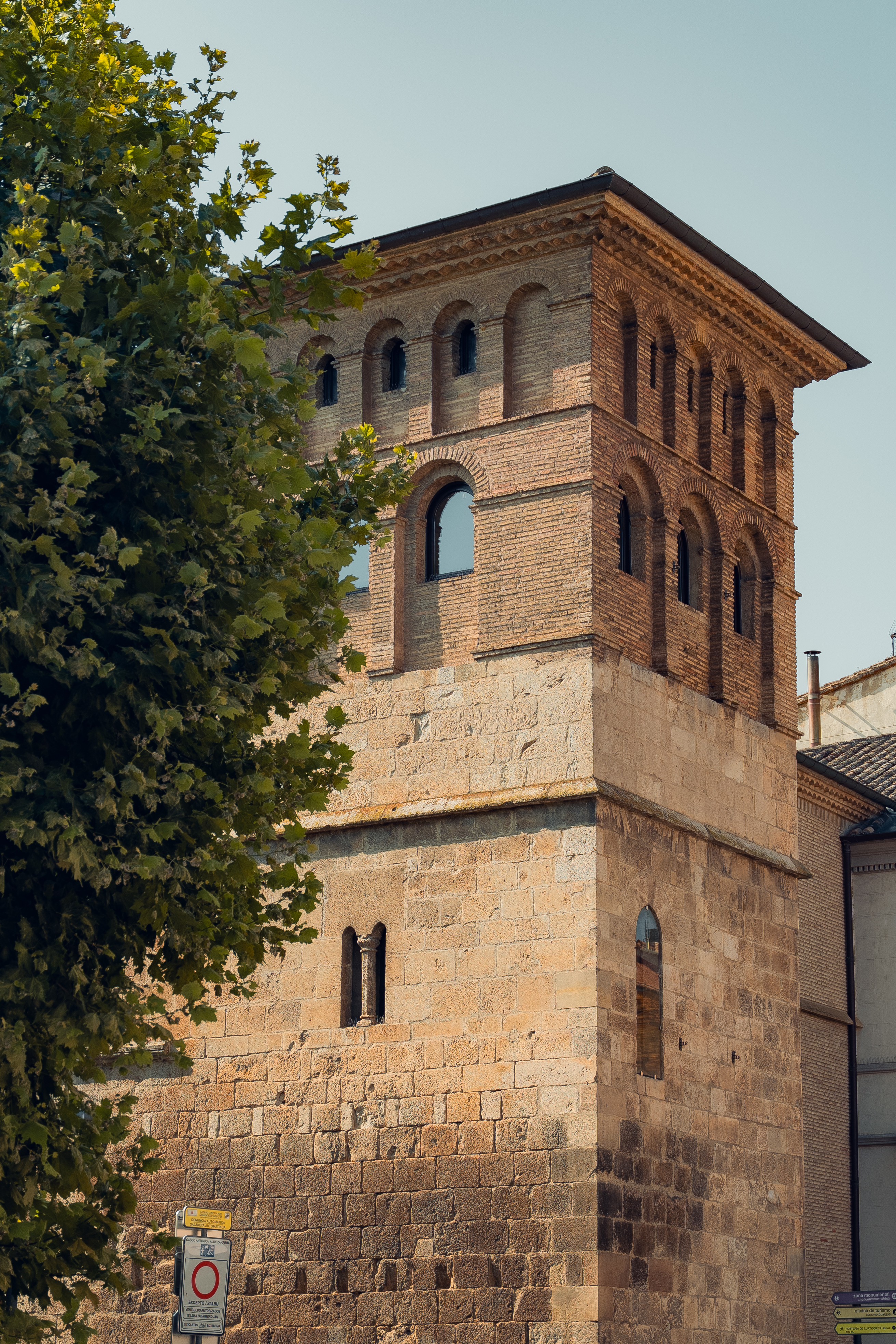
The town’s skyline is dominated by the fortress-church of Nuestra Señora de la Asunción, which overlooks the village and houses one of Navarre’s most outstanding examples of Spanish-Flemish painted altarpieces. This heritage complex is complemented by palaces and houses bearing coats of arms, including the La Hermosa Palace—an example of local stately architecture—as well as the ruins of the old castle, which serve as a reminder of Marañón’s defensive and strategic role in controlling the territory. Archaeological remains from the Iron Age round out a legacy that attests to a long history of settlement.
Marañón is known for its deep-rooted pottery tradition, which has given its name to its inhabitants—popularly called “pucherejos”—in reference to the earthenware pots and containers that were crafted in the village for centuries. The production of these pieces was an essential part of the local economy and daily life, leaving a deep mark on the town’s collective identity and its artisanal heritage.
Nature is another of Marañón’s major attractions. The Ega River, with its clear waters and recreational areas, offers peaceful walks and places to relax, while the proximity of the Sierra de Codés and the Peña de Lapoblación makes the area an ideal starting point for hiking trails and scenic routes.