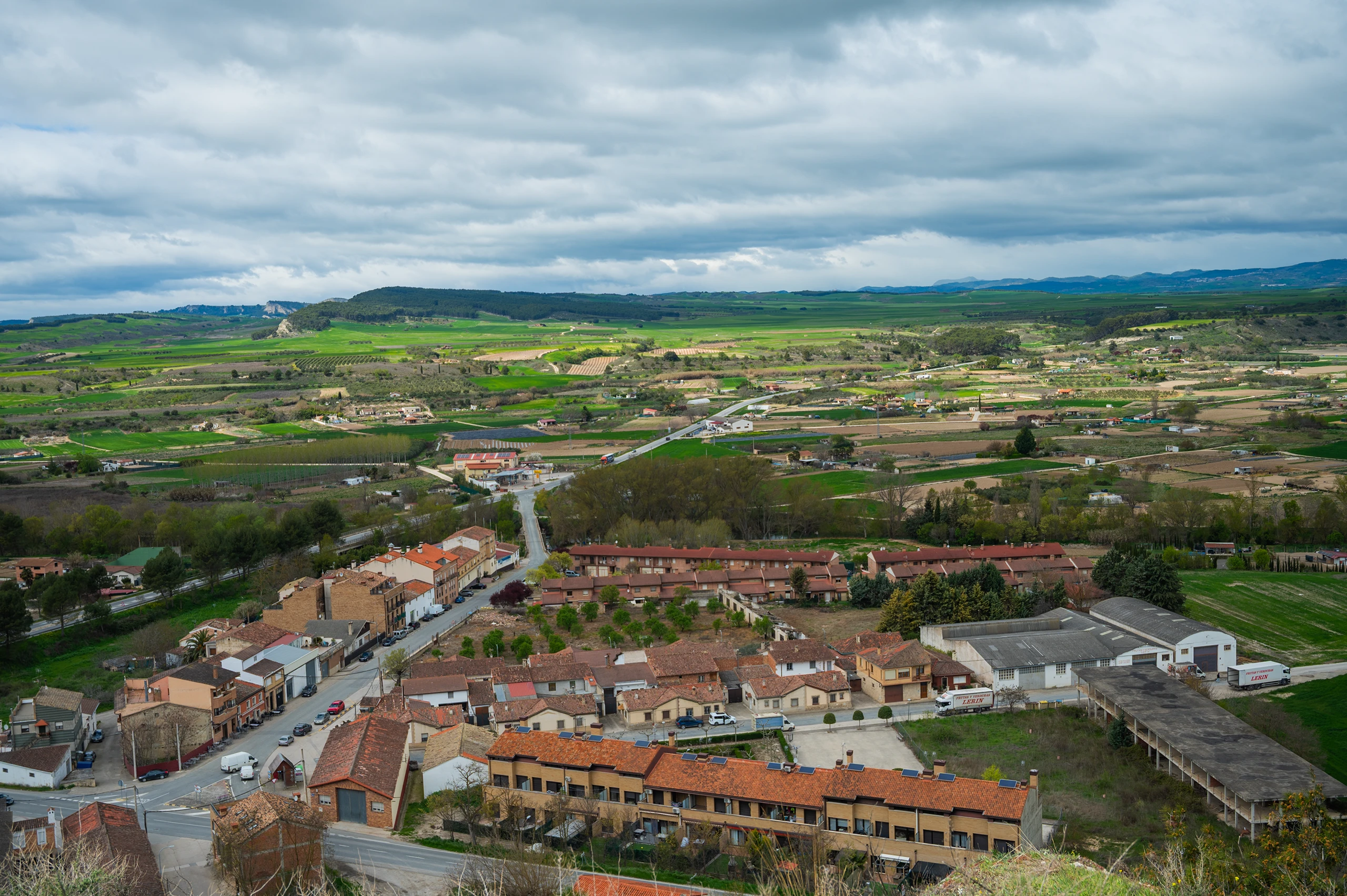
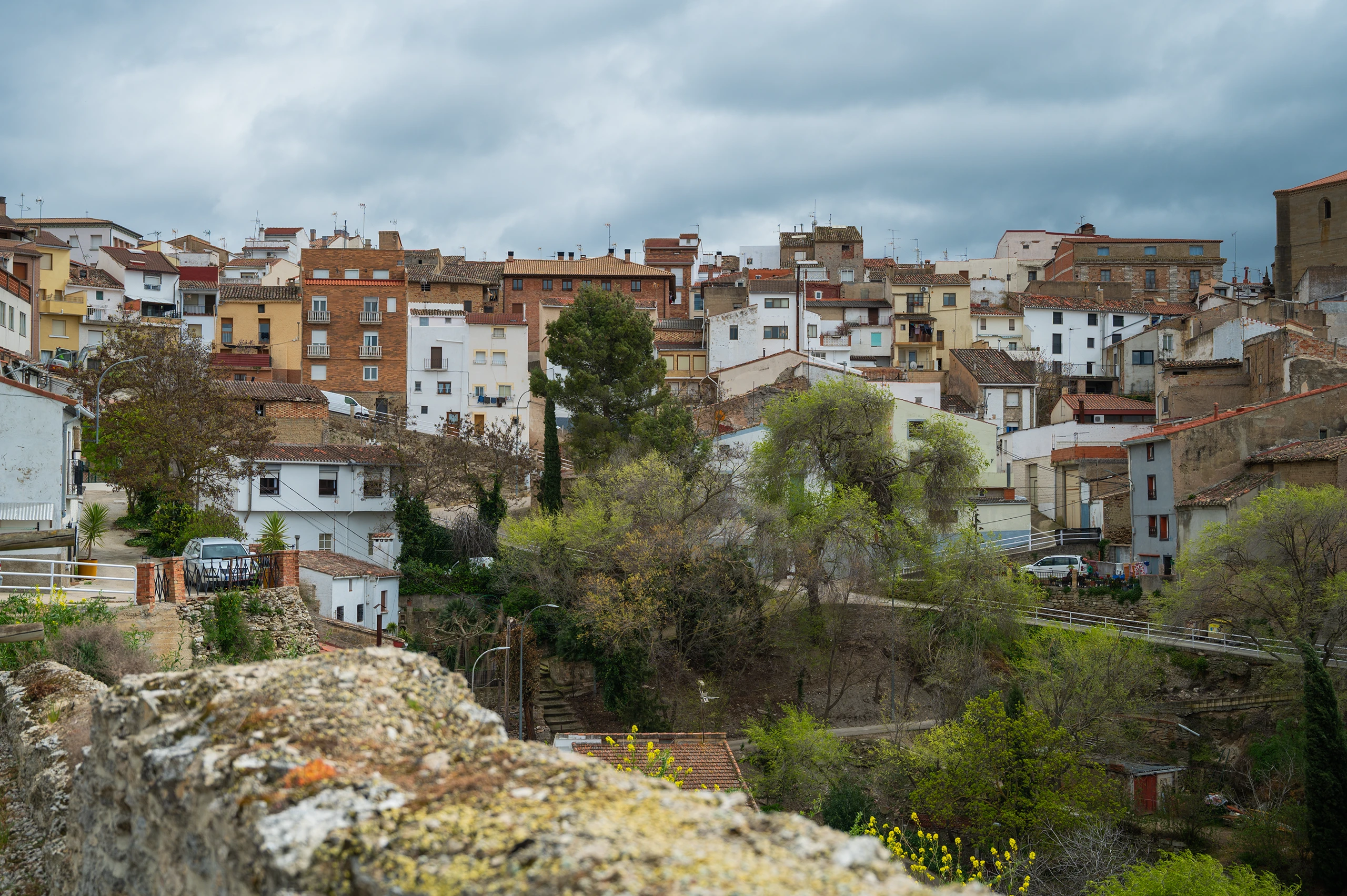
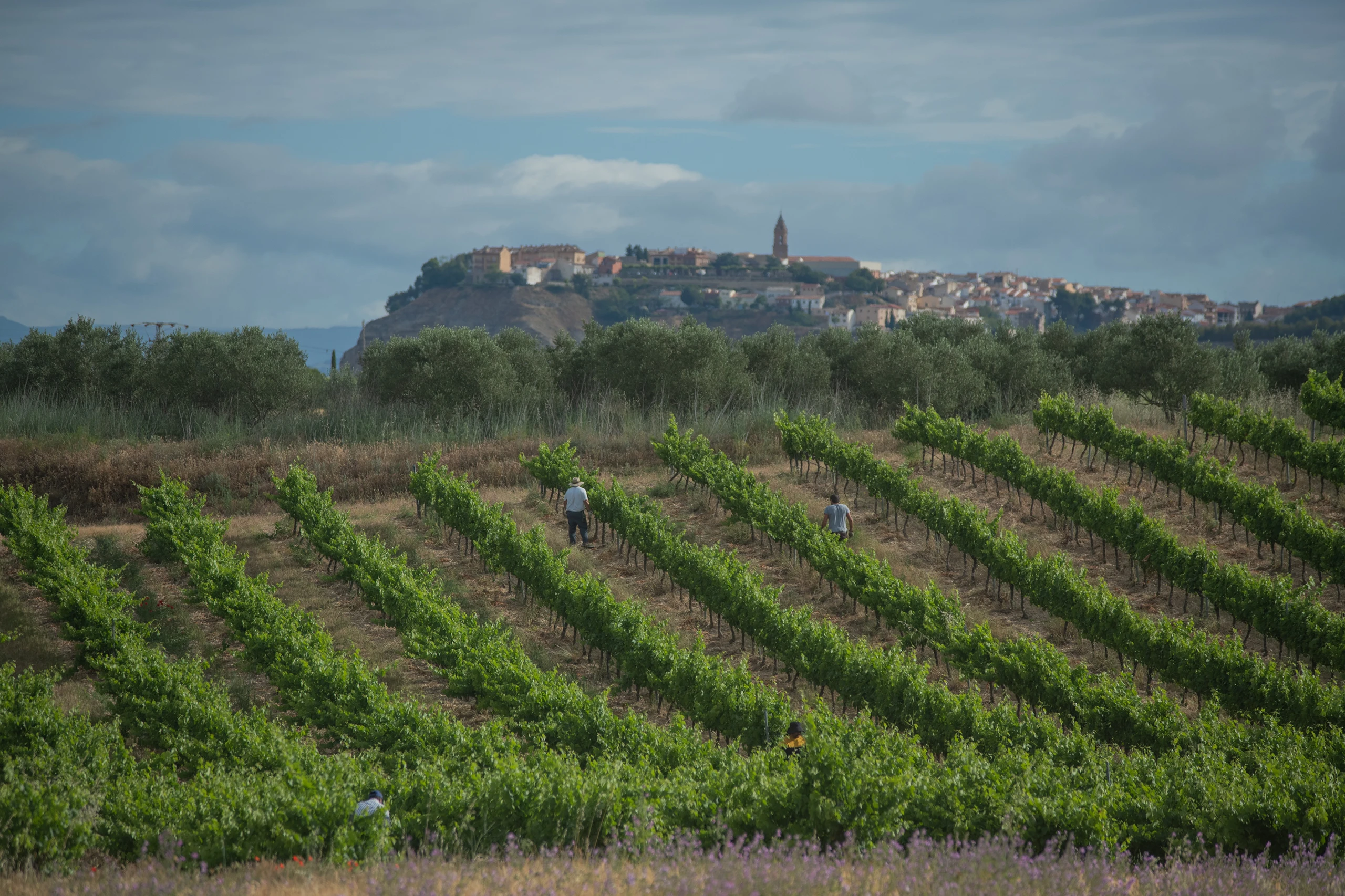
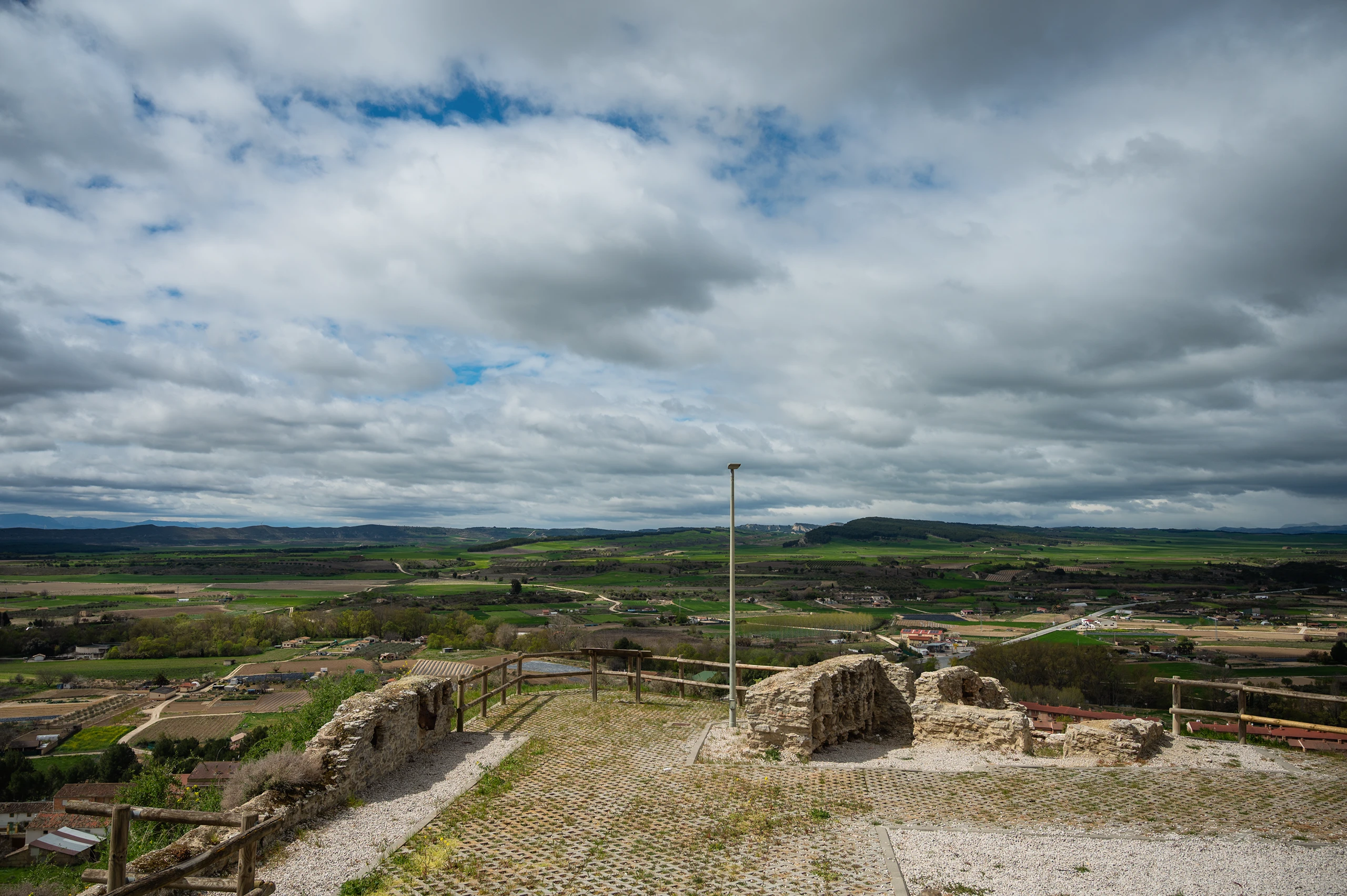
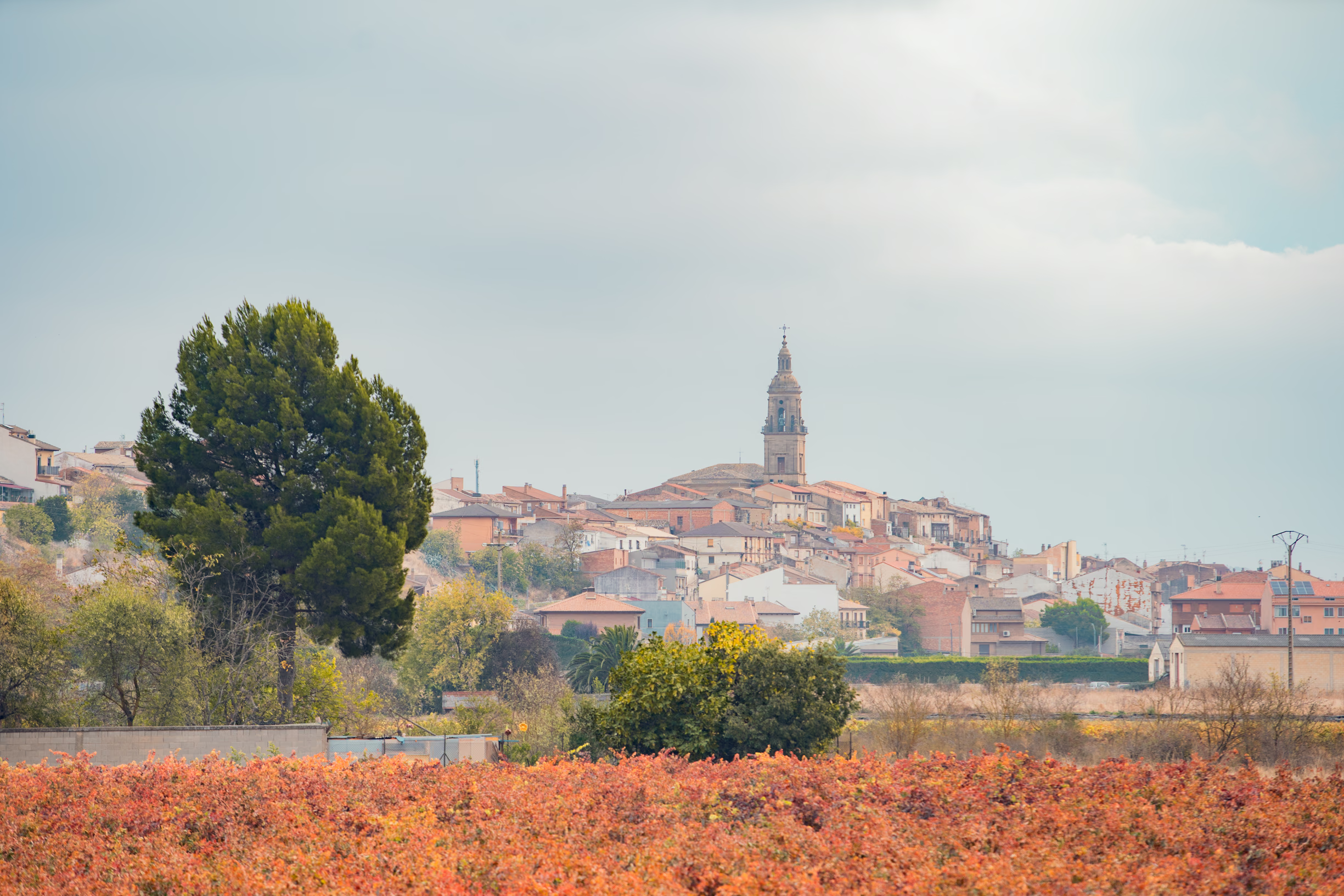
Lerín stands on a rocky outcrop overlooking the banks of the Ega River, a strategic location that has earned it the name “Balcón de la Ribera” (Balcony of the Riverbank) and explains much of its history. An agricultural and defensive town, Lerín combines a rich historical legacy with open landscapes, protected natural areas, and a vibrant way of life rooted in the countryside.
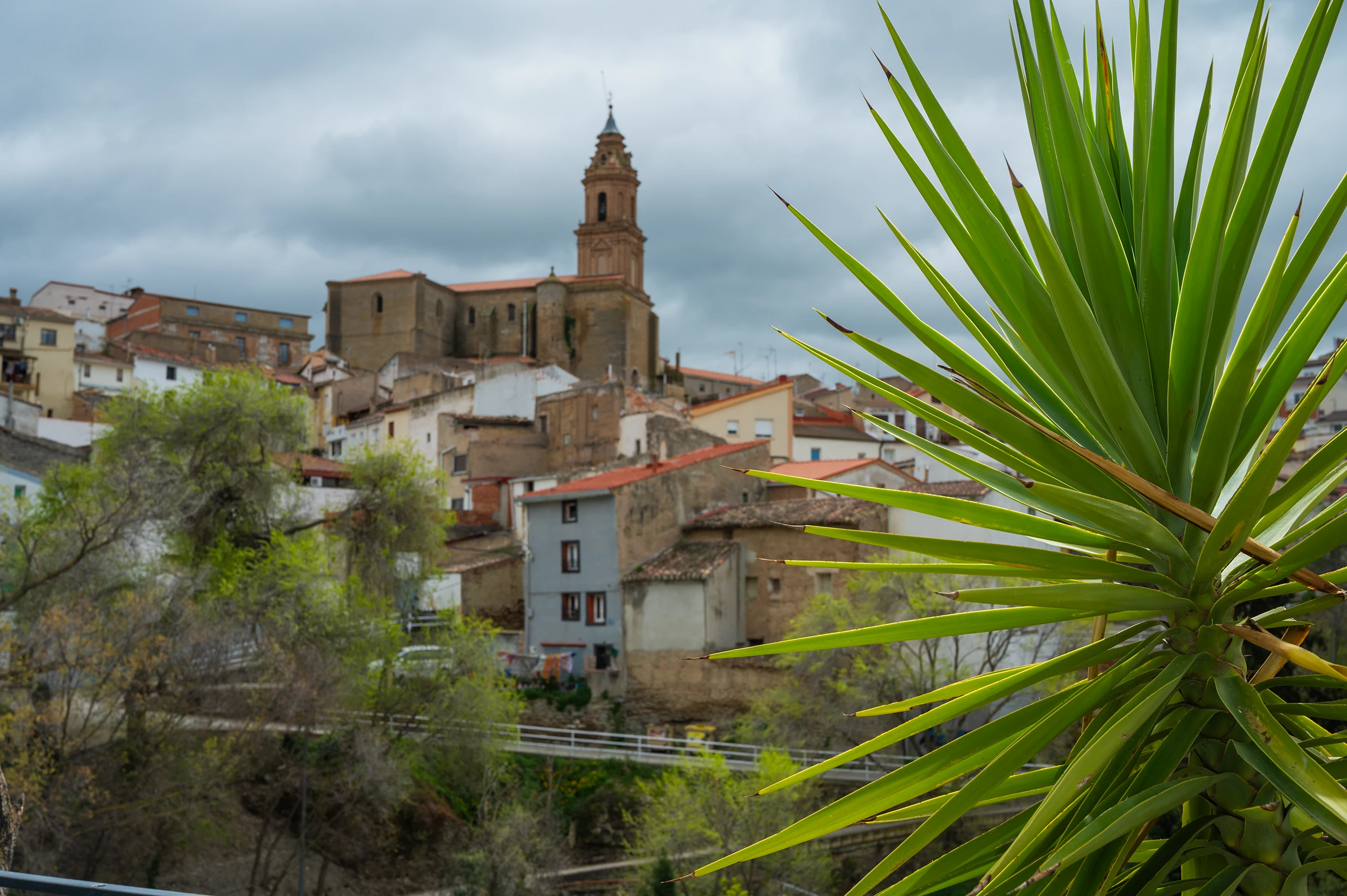
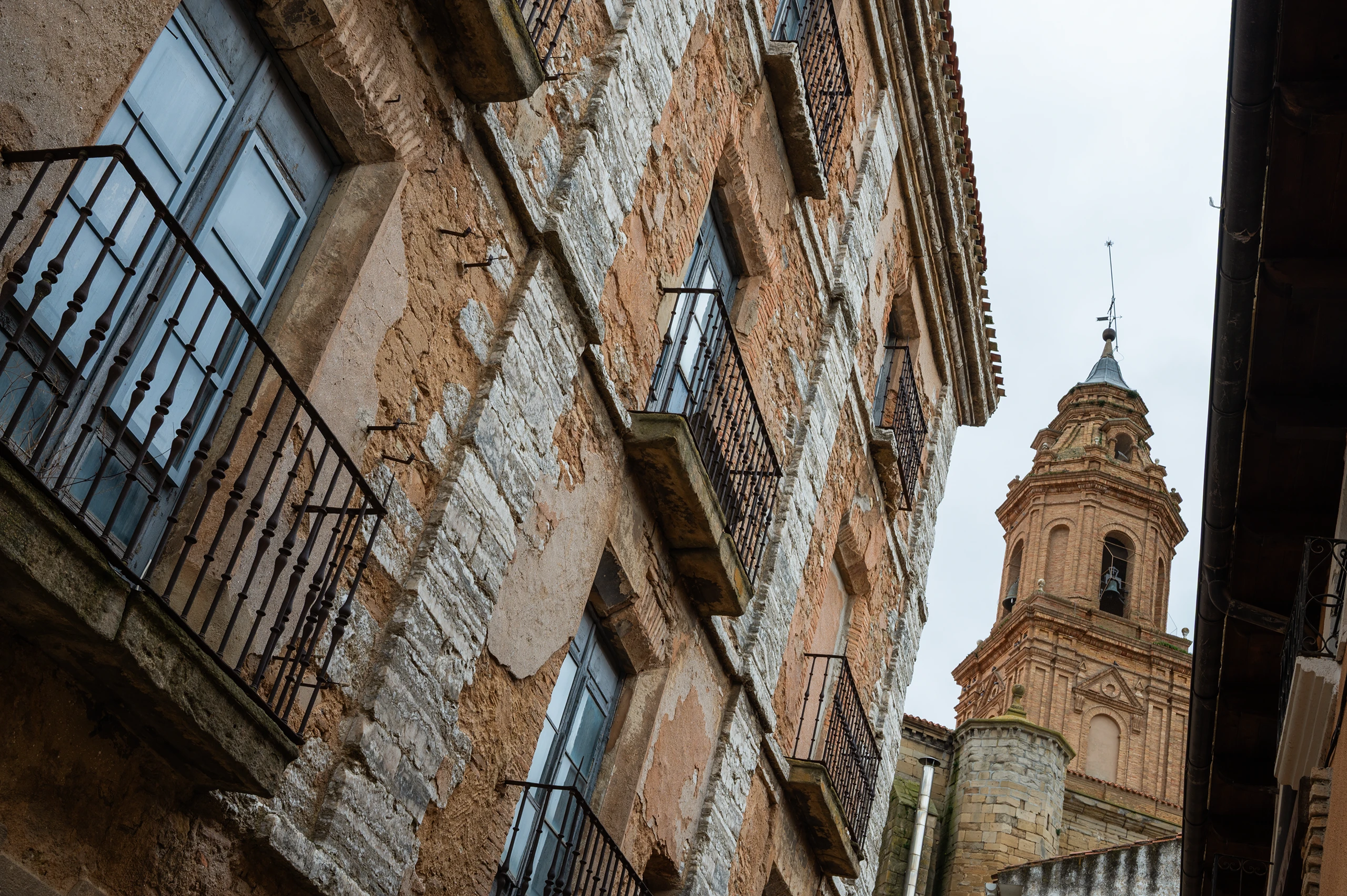
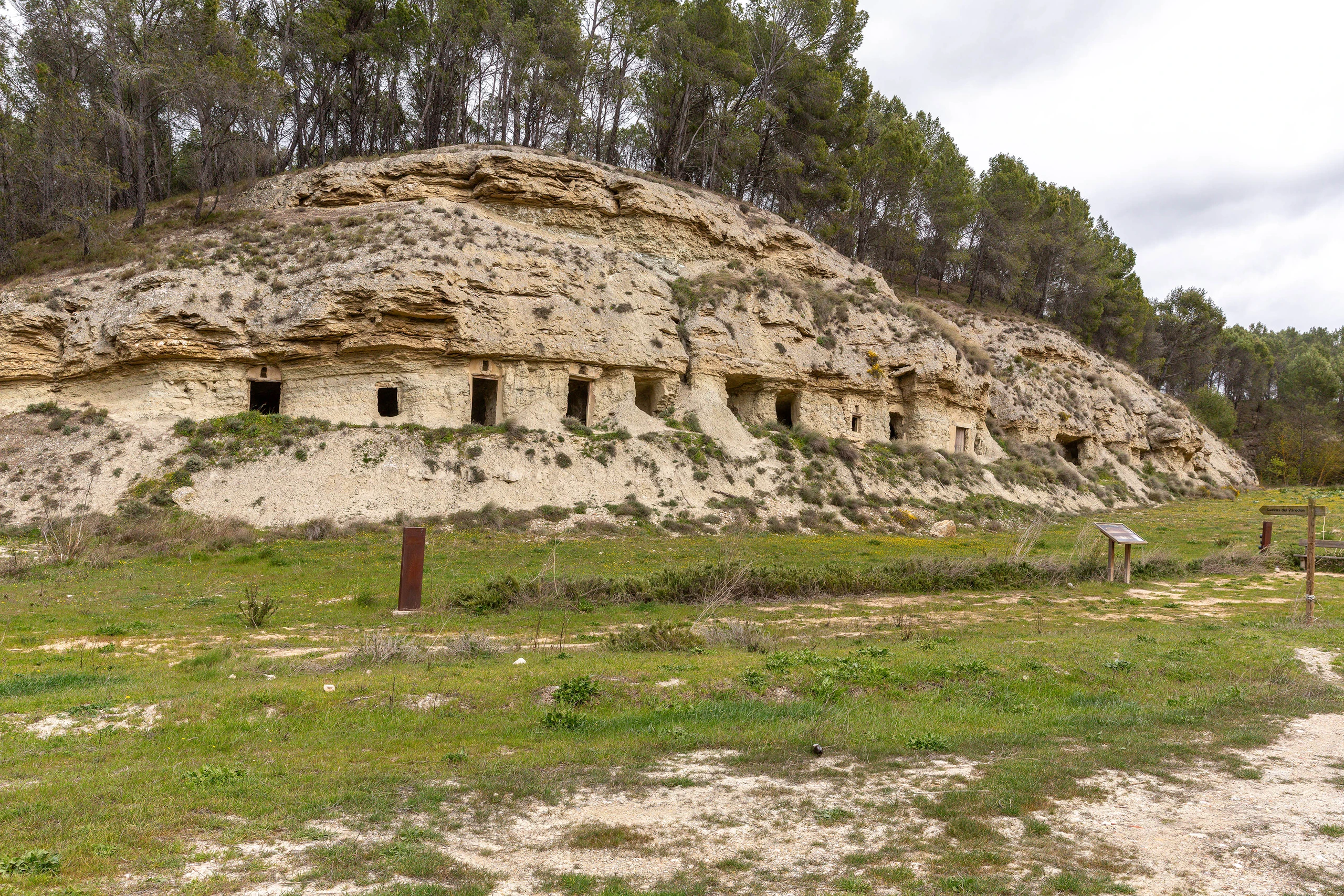
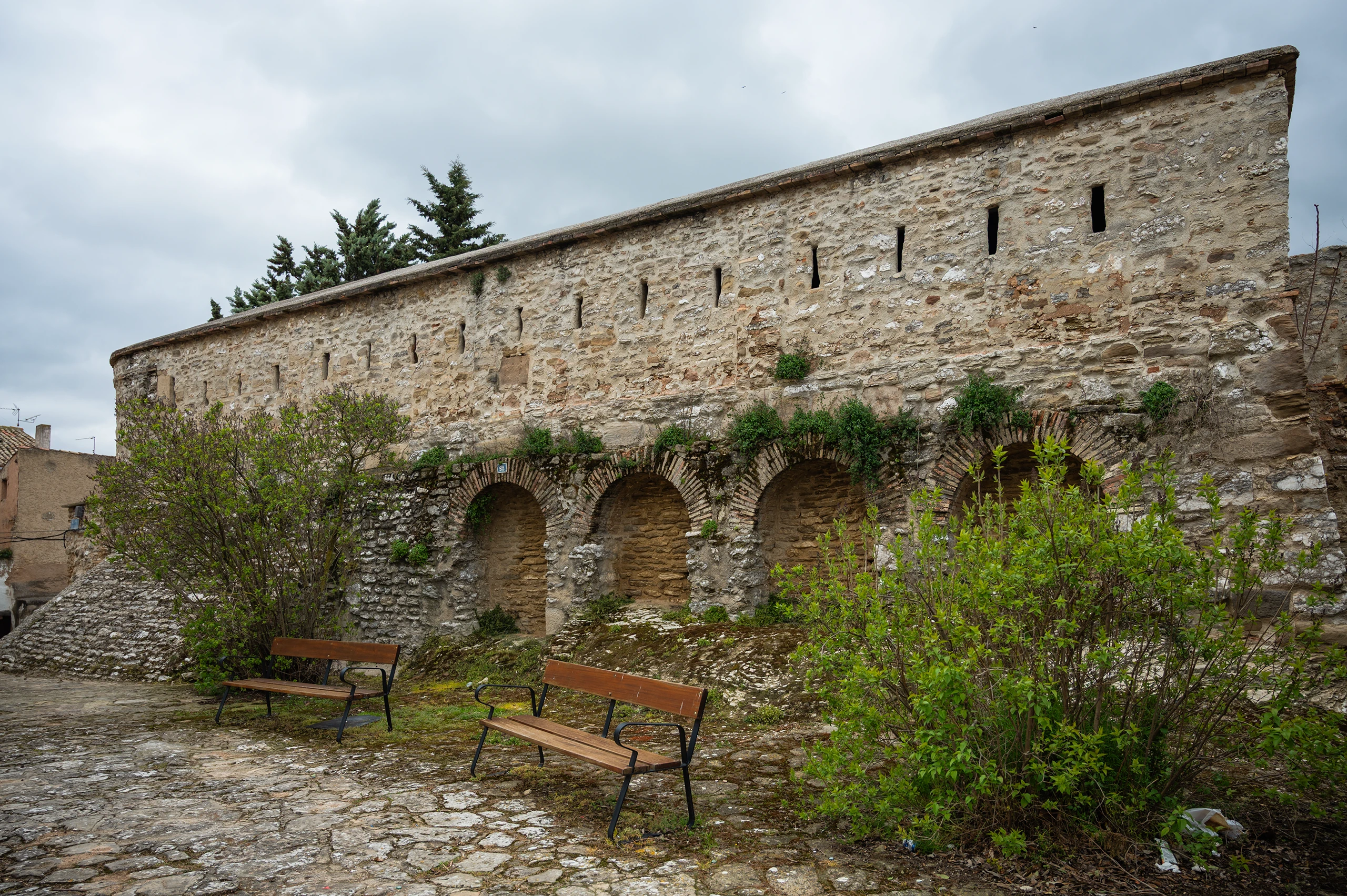
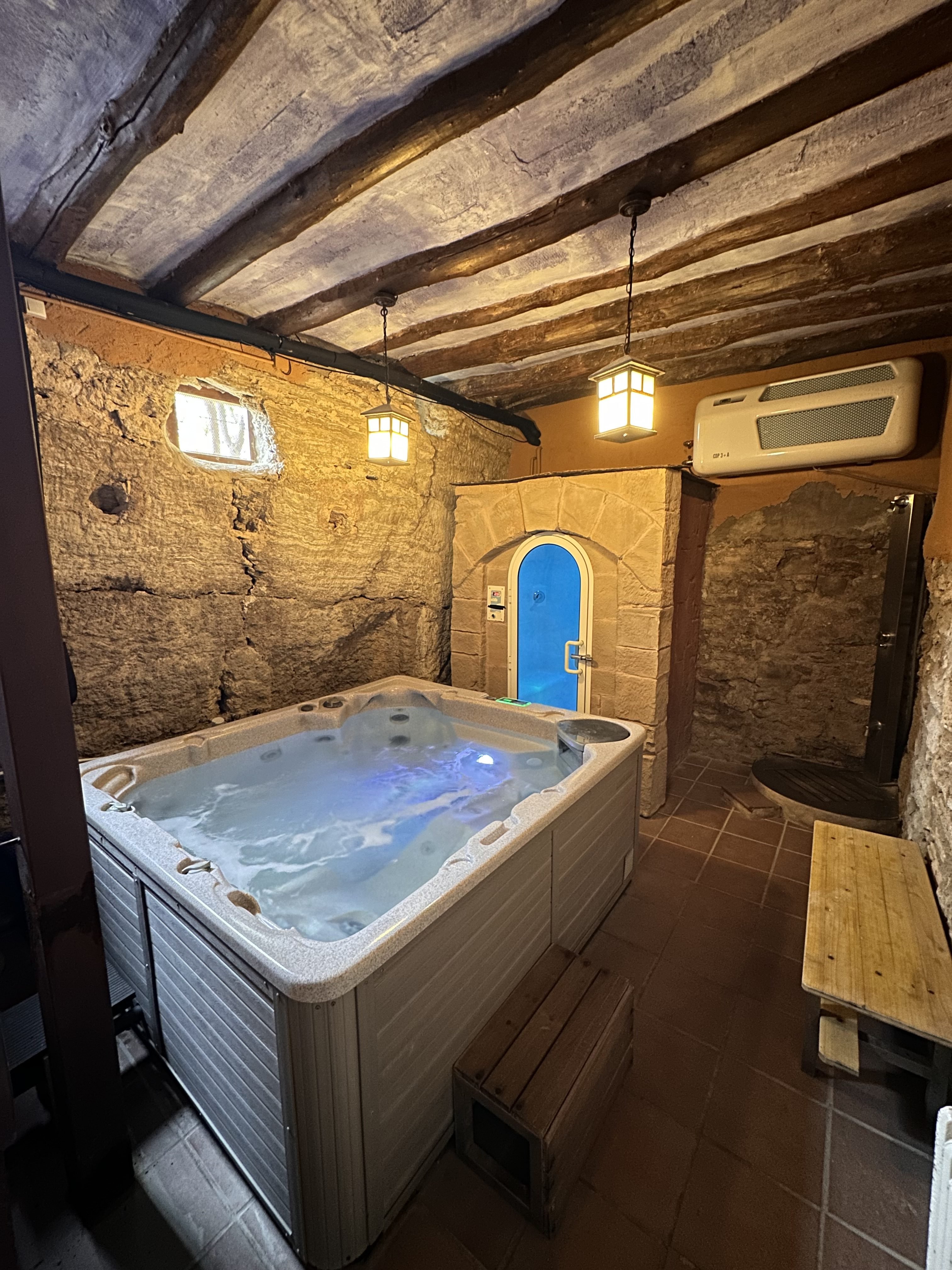
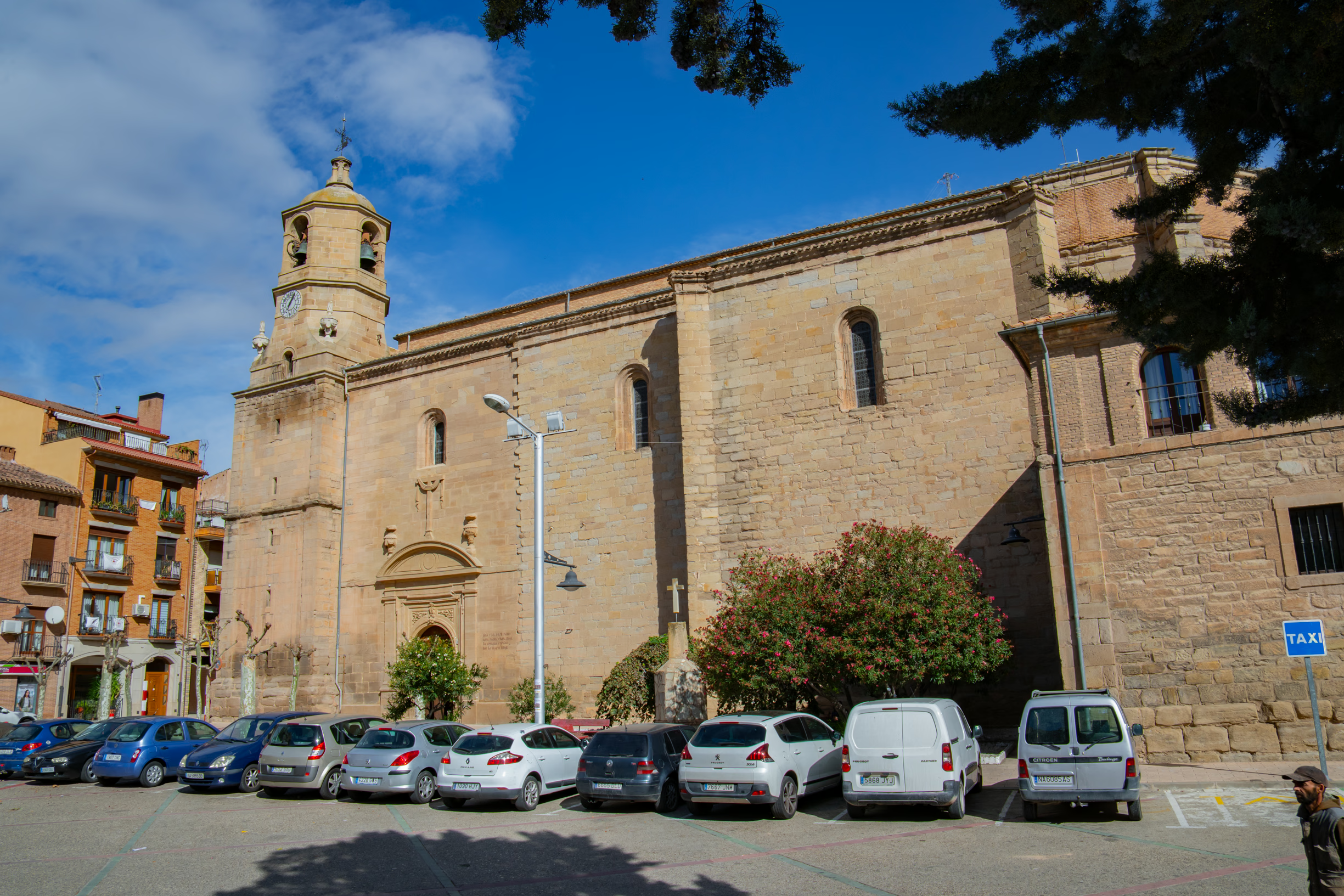
The town center retains a layout defined by Calle Mayor, the town’s main thoroughfare, flanked by houses bearing coats of arms and overlooking the impressive natural cliff face that drops down to the river. Numerous caves carved into the gypsum rock open up along this escarpment, bearing witness to a historical occupation linked to defense, housing, and agricultural and livestock activities. The complex is organized into different areas, ranging from the spectacular caves of Peña de la Virgen Blanca to residential caves integrated into the town center, along with those of Aguachal and Barranco del Paredón. The parish church of Nuestra Señora de la Asunción dominates the townscape alongside the ruins of the Count of Lerín’s palace and the Fort of Cazorla.
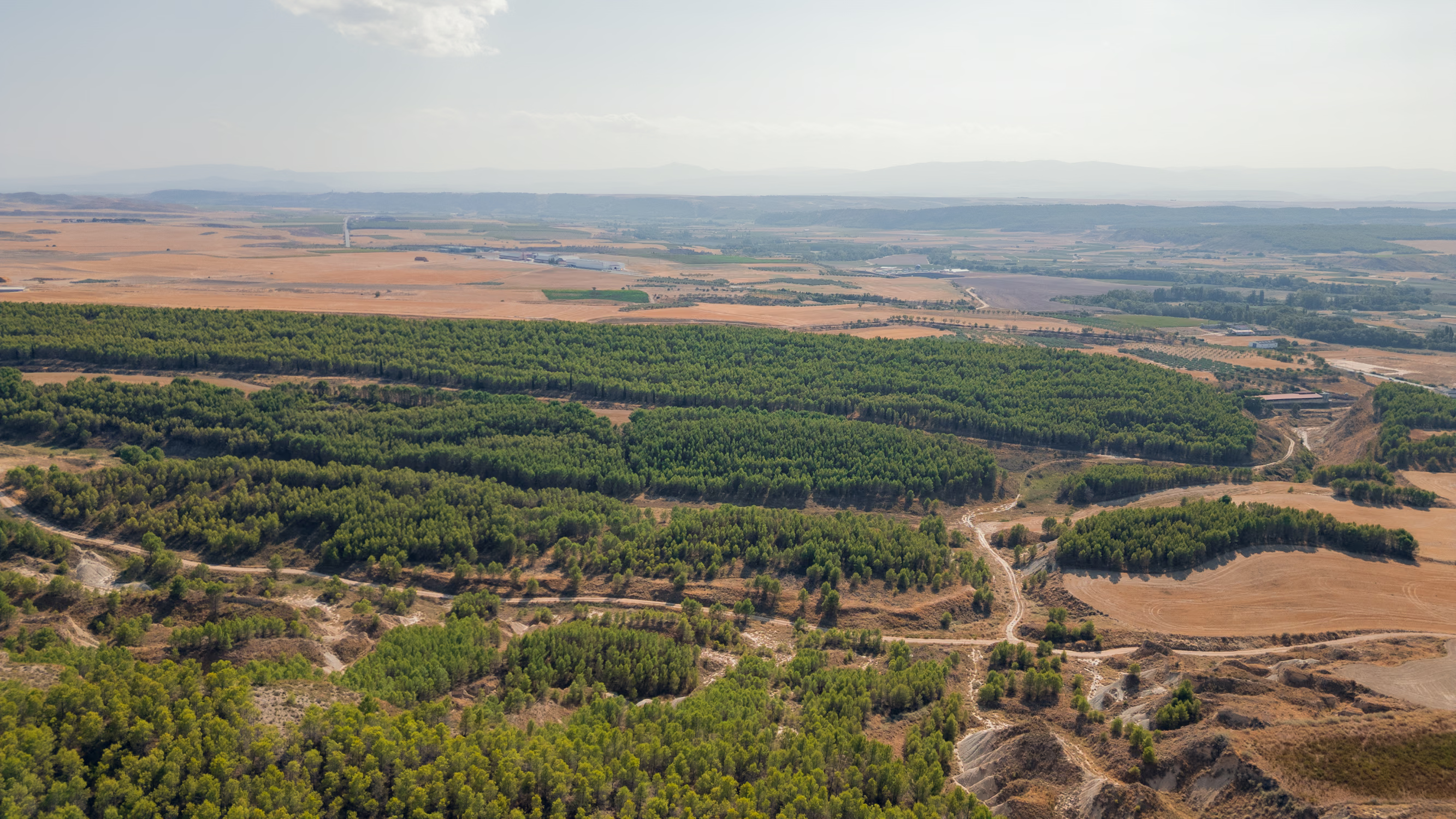
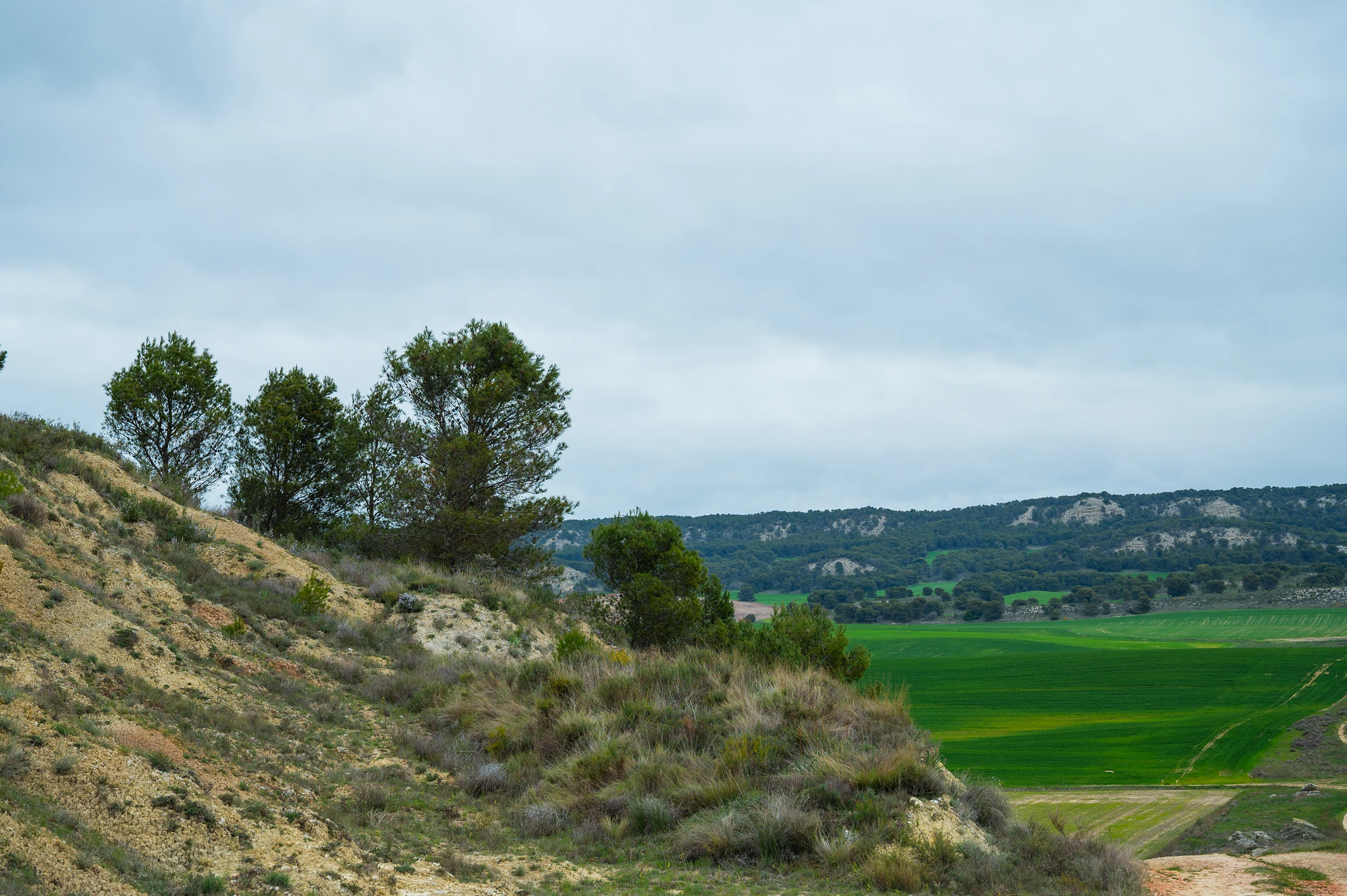
Beyond the town center, Lerín boasts a natural environment of great interest. The municipal area is home to protected areas such as the Baigorriana Wildlife Protection Area, shared with Cárcar, where a pioneering project is underway to reconcile agriculture with the conservation of steppe birds. Added to this are the Lerín Pine Forests, the westernmost naturally occurring stand of Aleppo pine in Navarre and a unique site on a gypsum-rich anticline that is home to a remarkable diversity of wildlife and offers accessible trails for walking and cycling. This area is also the setting for the Trail Pinares de Lerín, a nationally renowned trail running event held every March.
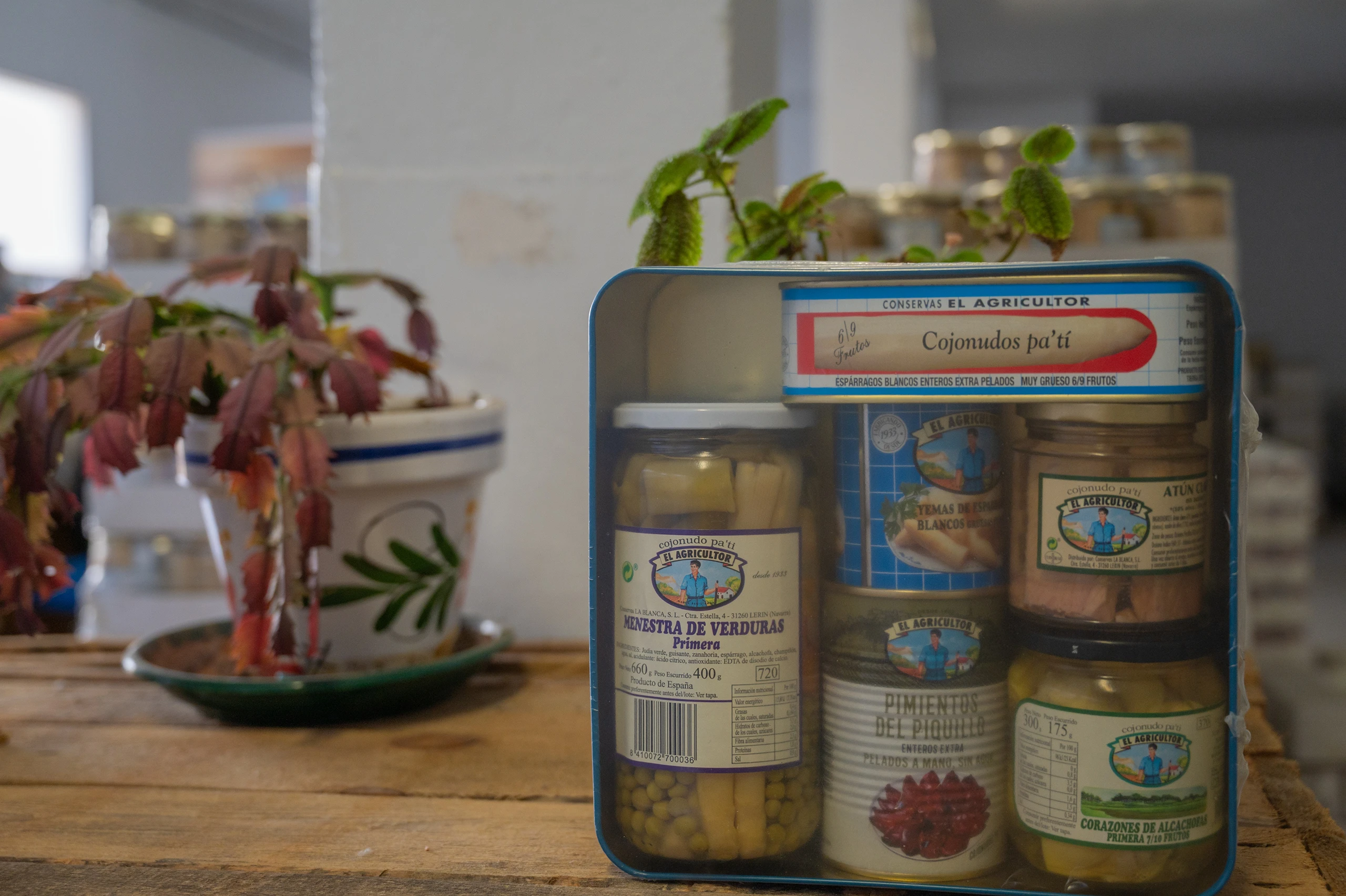
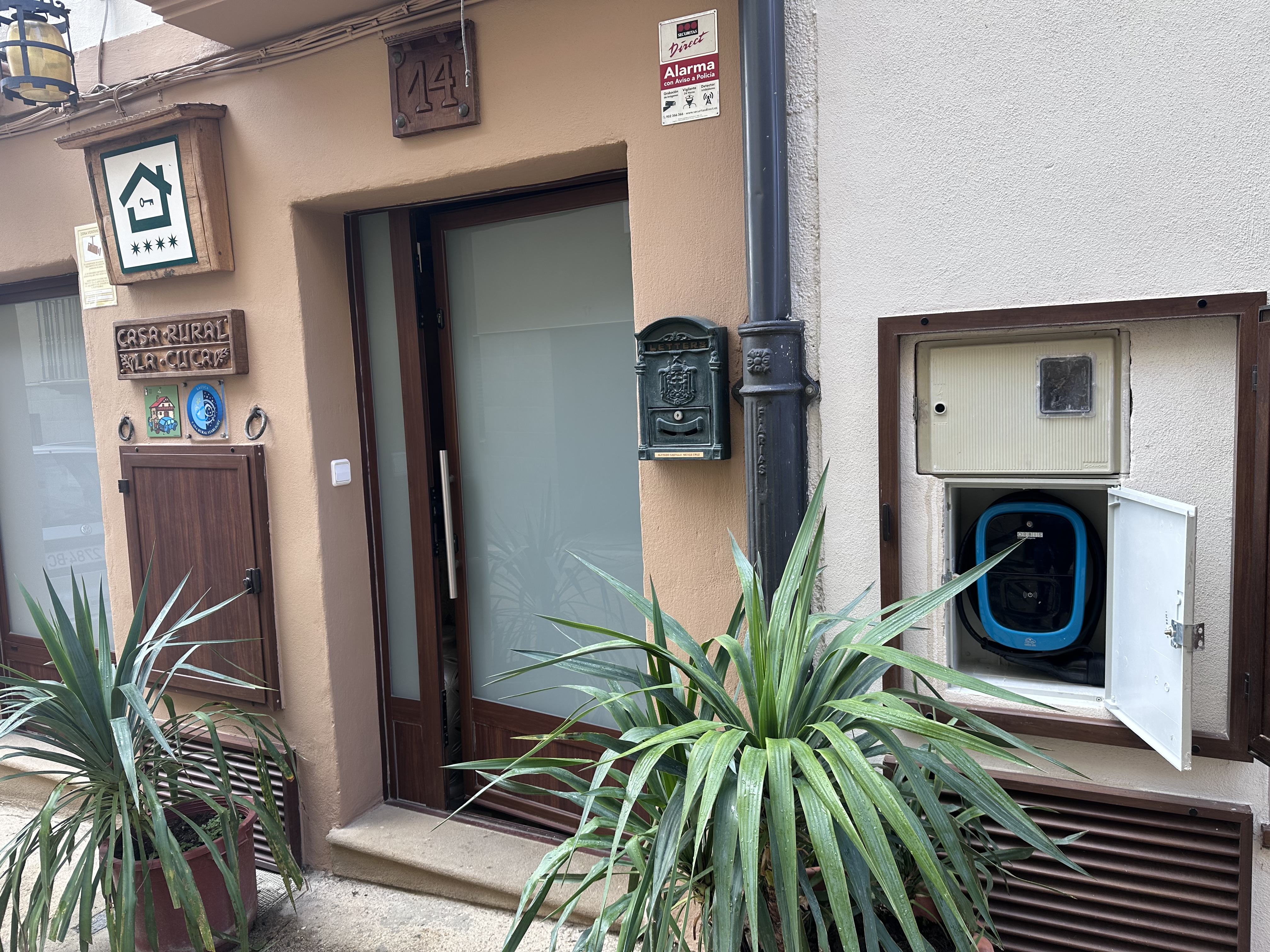
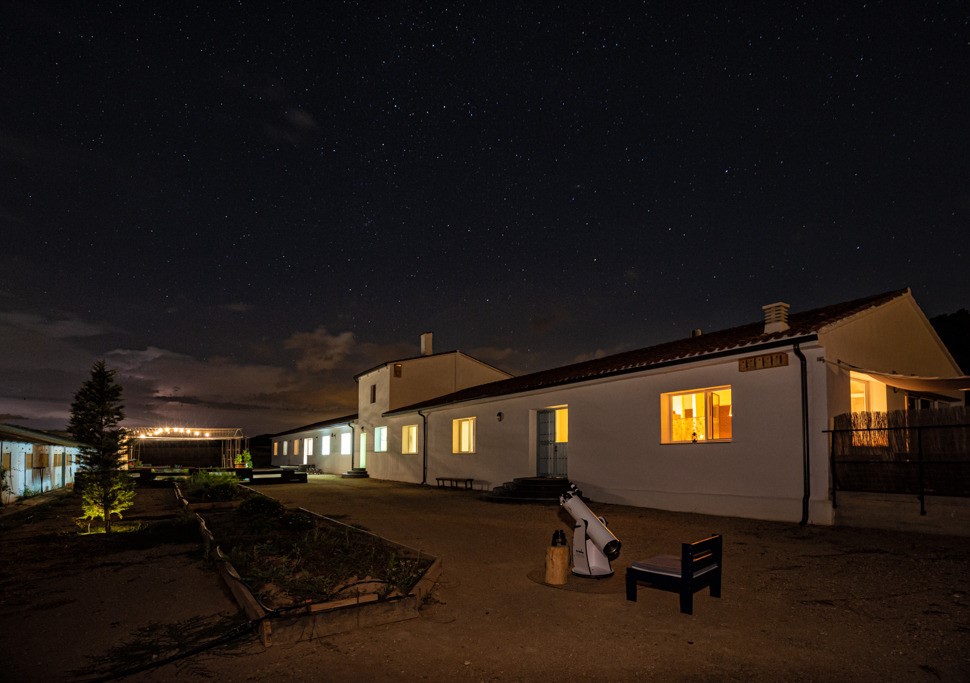
Its elevated location and the quality of its night sky make Lerín an ideal destination for stargazing. Elevated areas, rural trails, and high-altitude zones in the surrounding countryside—far from the town center—provide optimal conditions for enjoying the night sky as part of the Starlight project, which offers new ways to discover the region. The experience is rounded out by a strong tradition of agriculture, food production, and cooperatives, reflected in both historical and current initiatives such as the cannery and the winery.