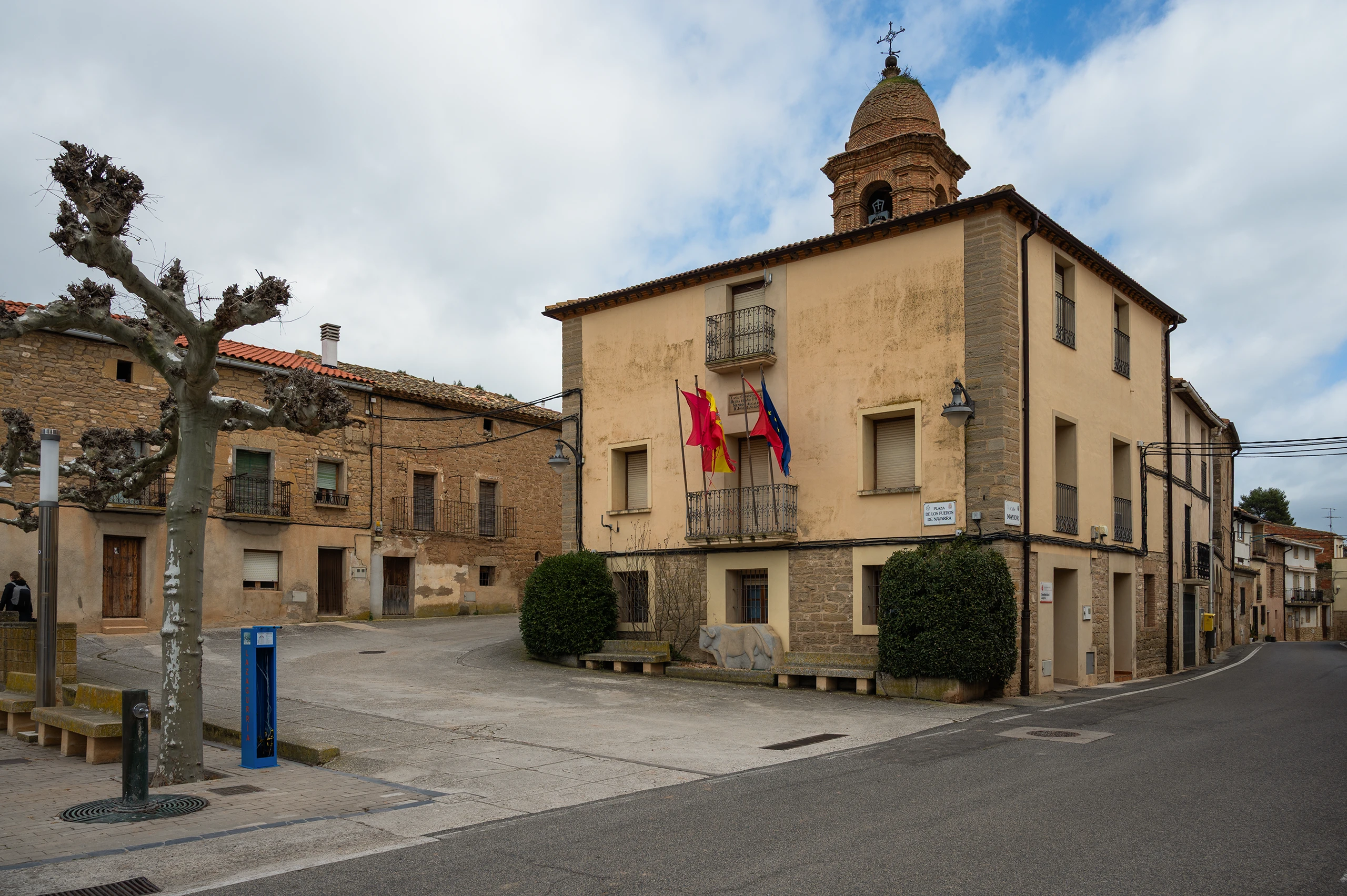
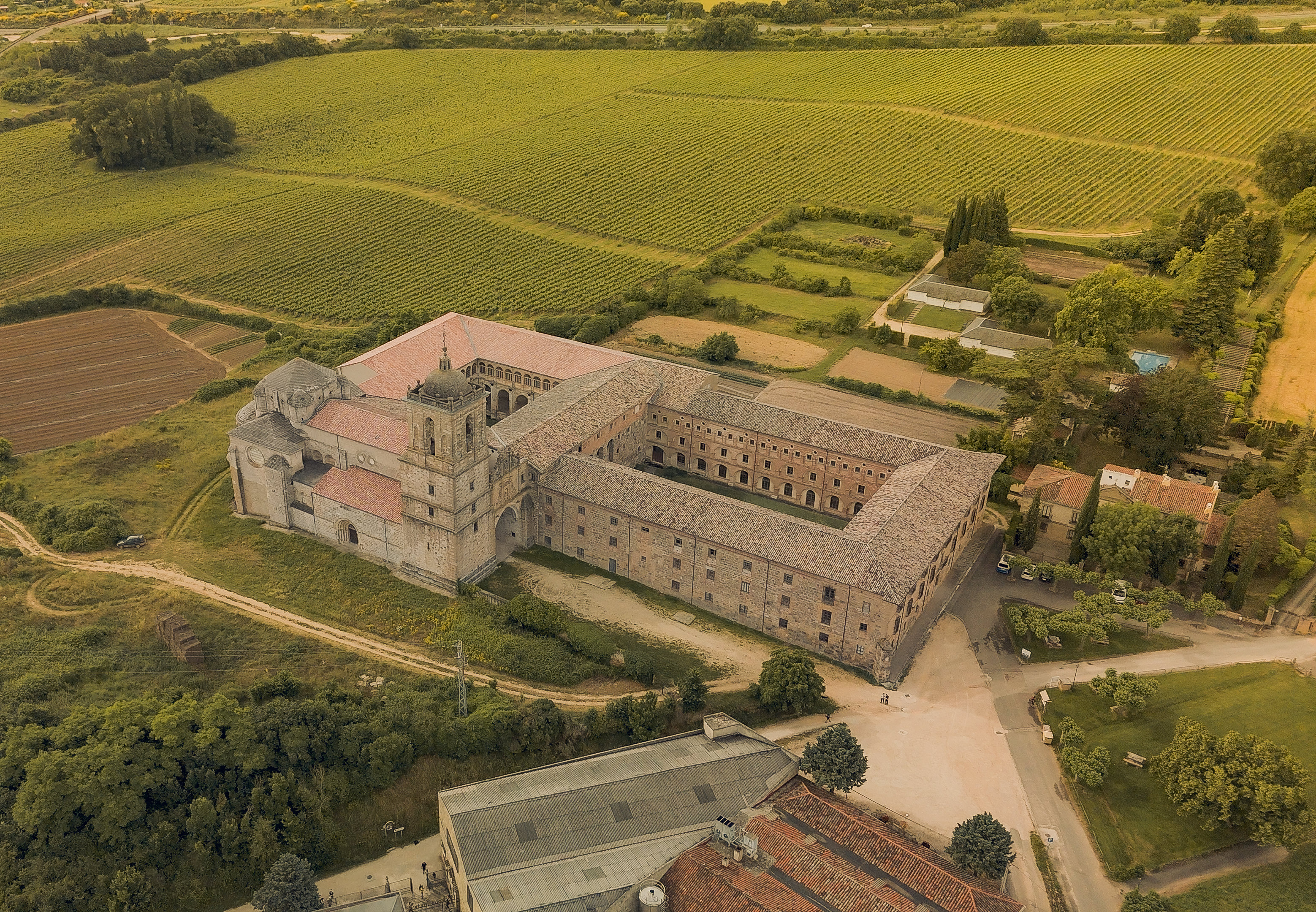
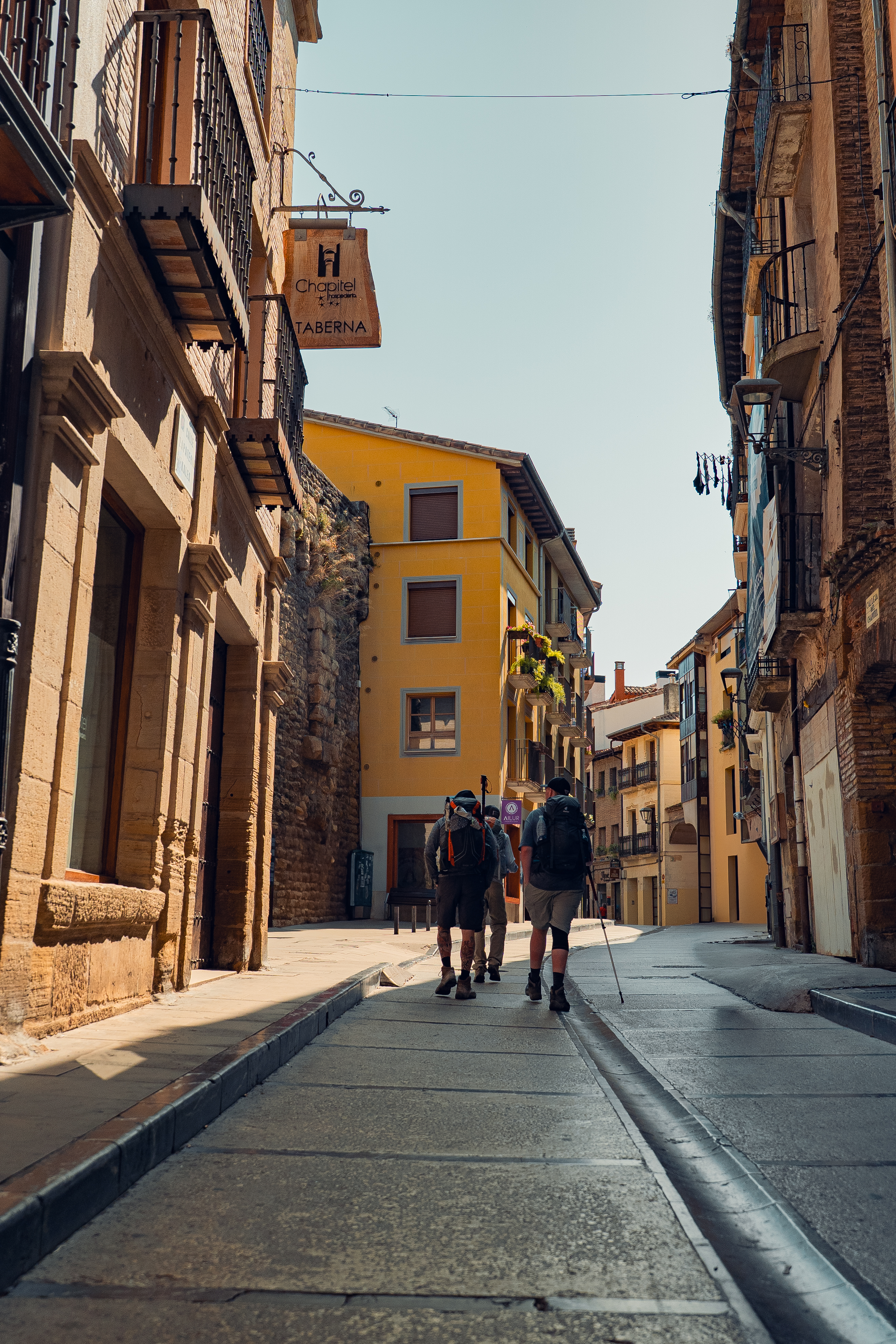
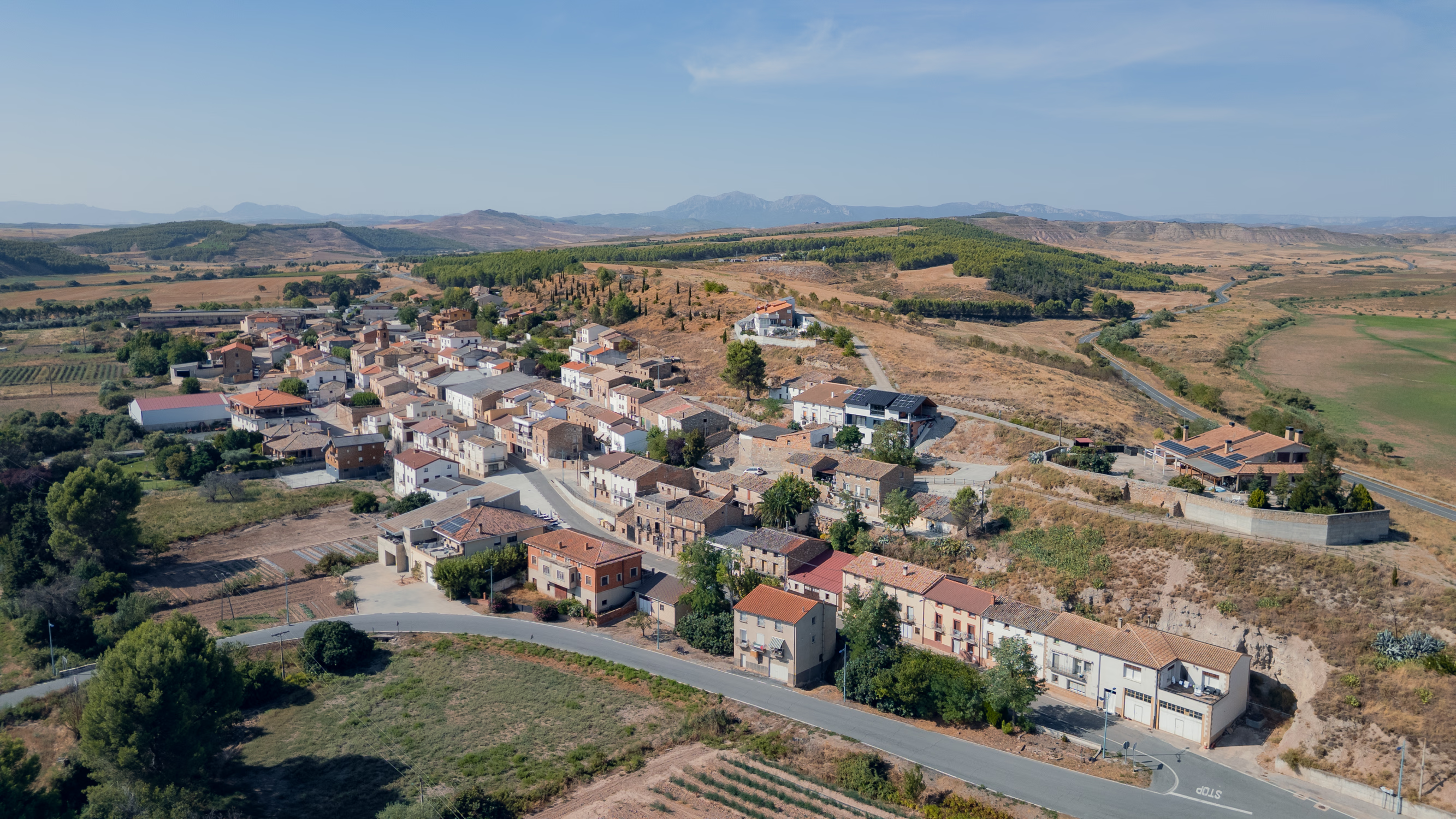
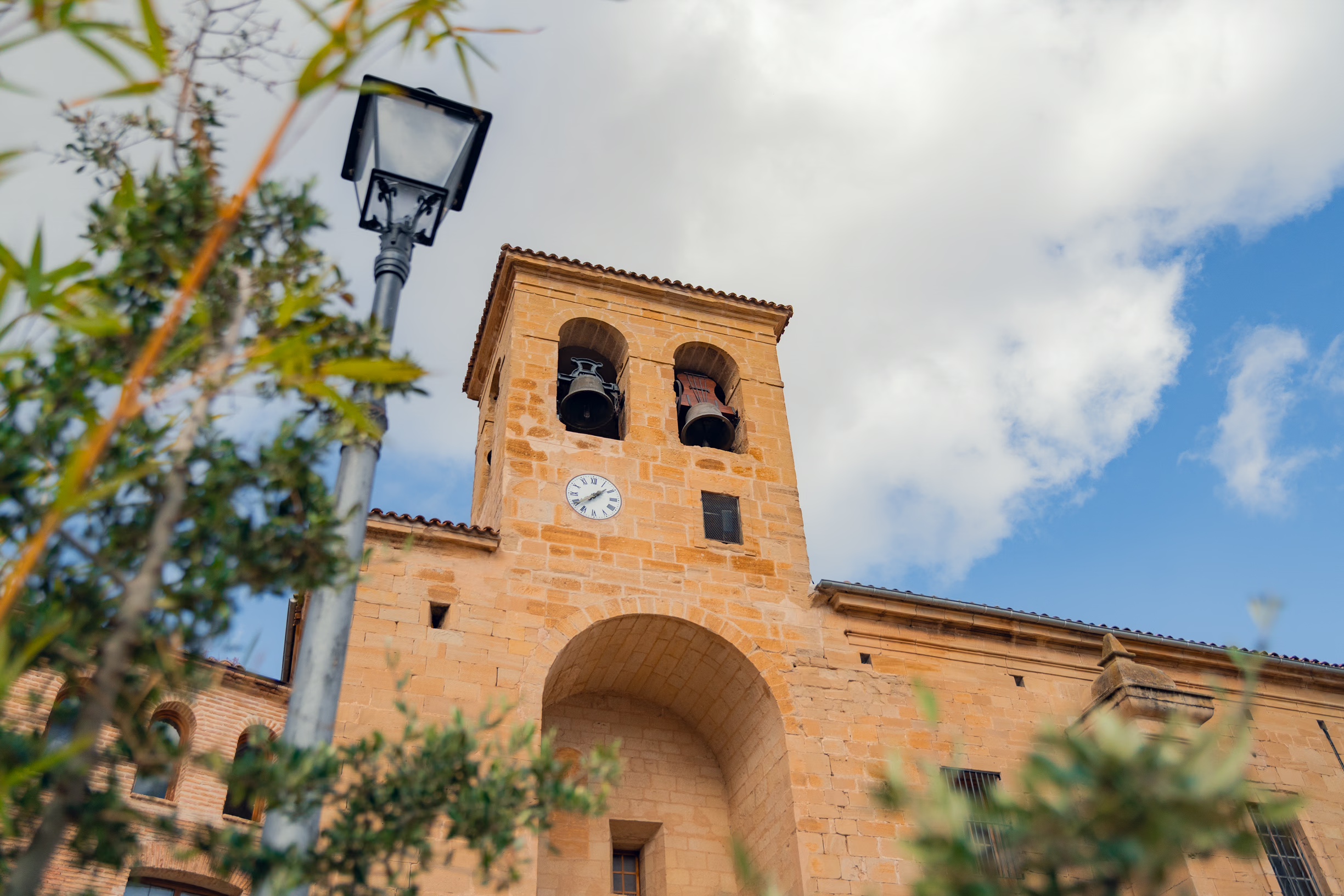
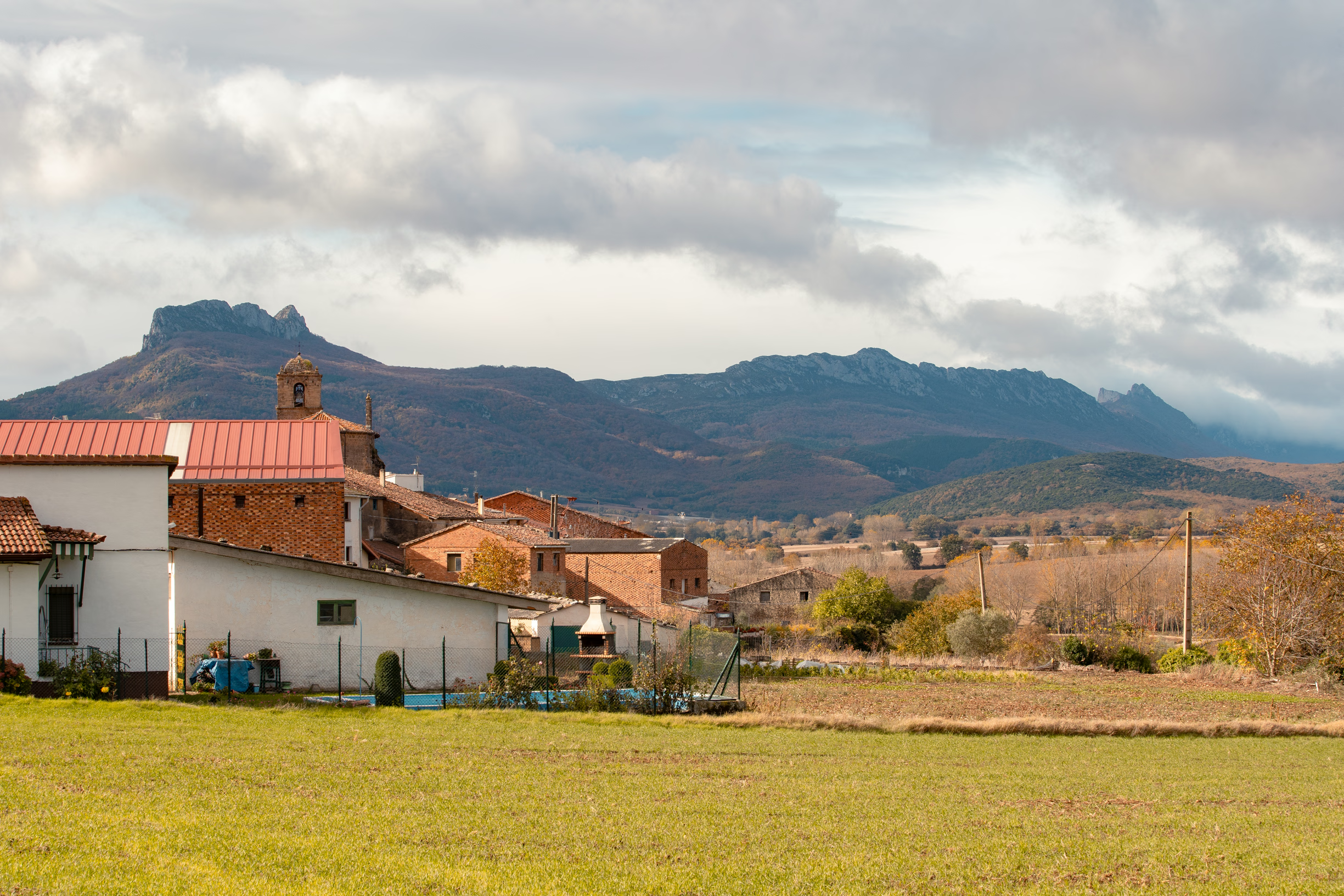
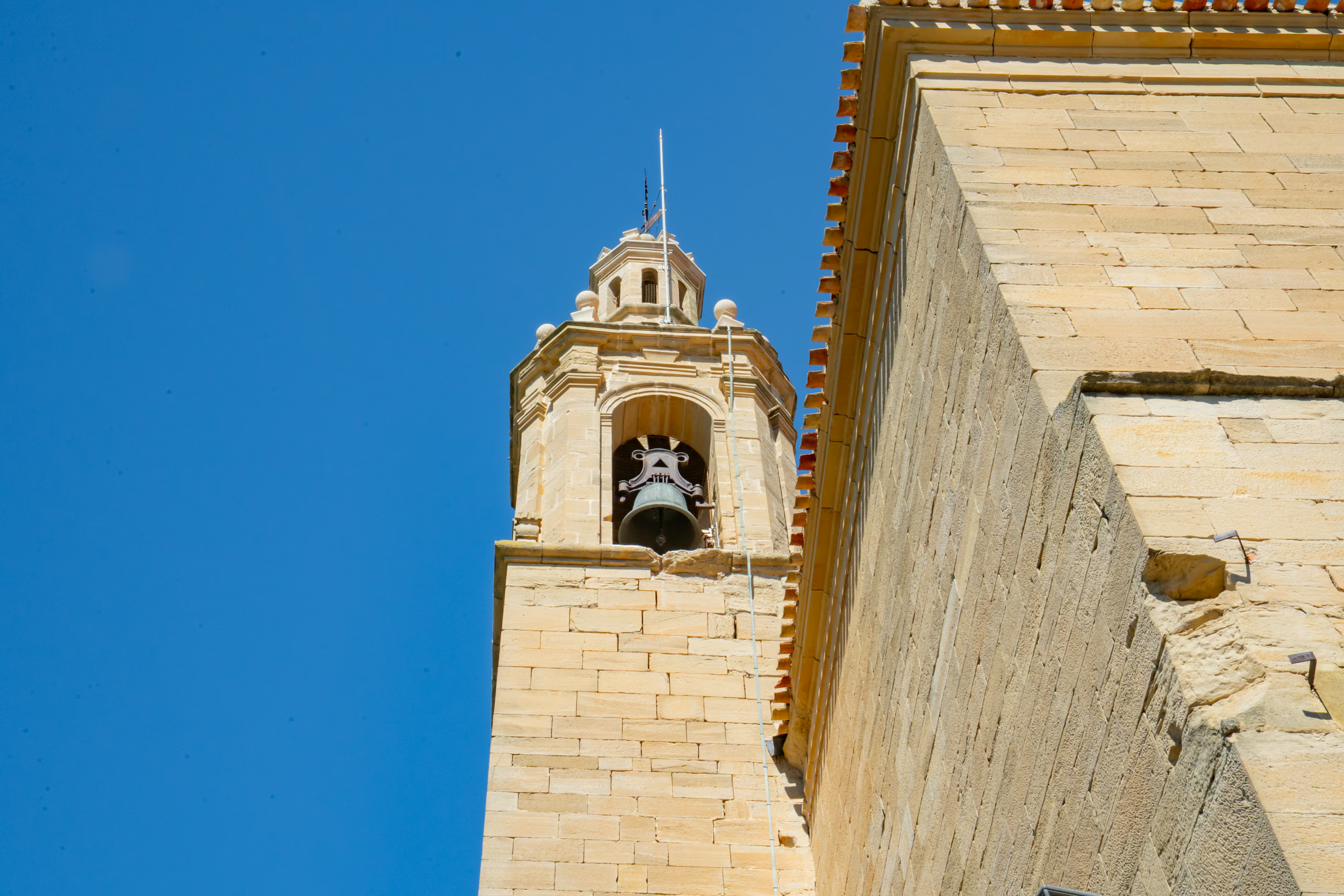
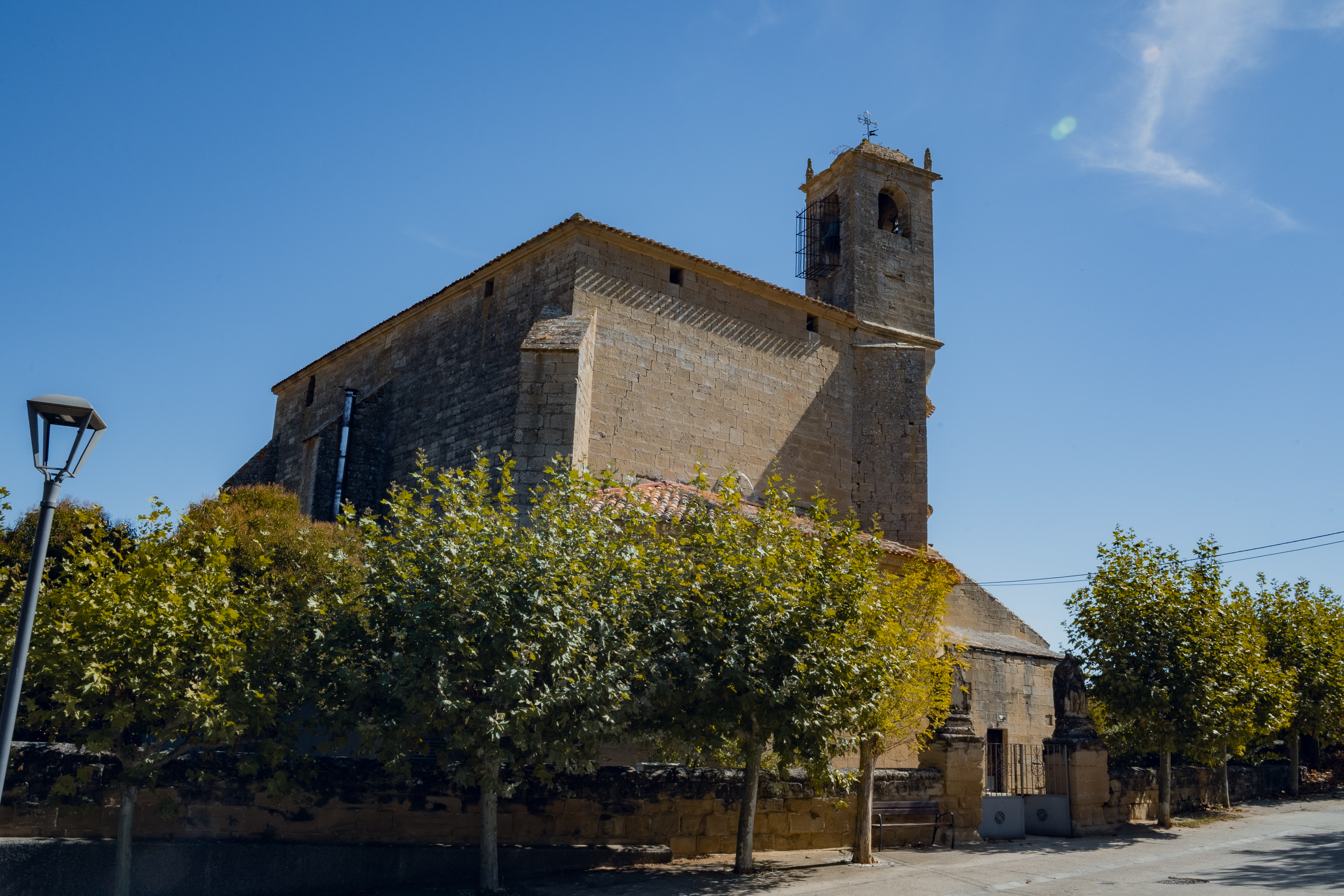
Lazagurría stands on the southern slope of the Sierra de Codés, with its town center lined along a main street that serves as the heart of village life and leads directly to its most significant heritage site: the Church of Our Lady of the Rosary. This 16th-century Renaissance church, designated a Site of Cultural Interest, dominates the townscape and houses one of the most outstanding Romanesque altarpieces in the area, the work of sculptor Bartolomé Calvo, along with other artistic pieces that reveal the town’s historical and devotional significance.
The town’s layout preserves two-story dwellings and numerous stately homes bearing coats of arms that reflect its past, while elements such as the carving of the Virgin of the Rosary complete a heritage linked to both architecture and religious tradition. The town as a whole offers a clear picture of Lazagurría’s urban evolution and its role within the Cinco Villas region and the Tierra Estella territory.
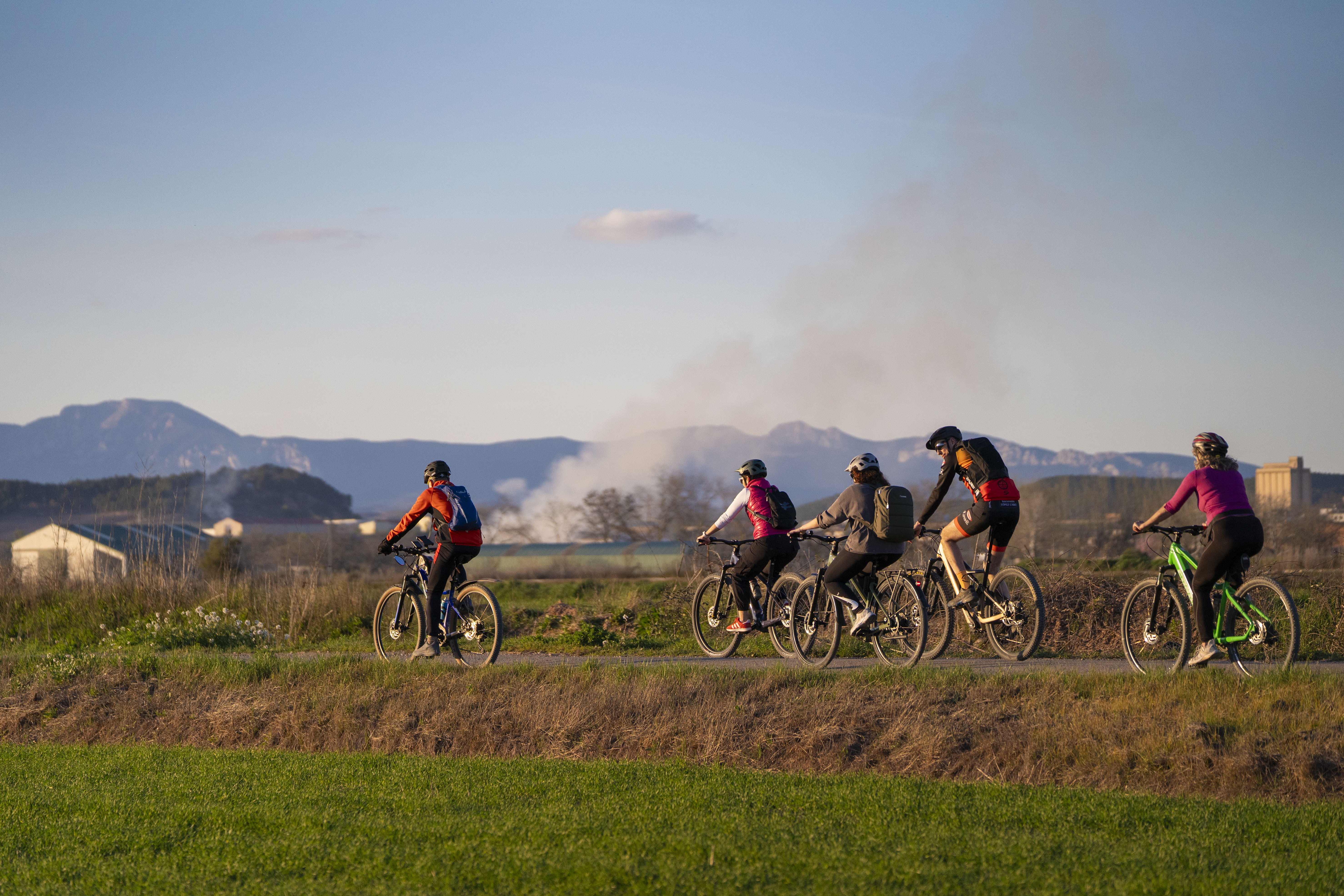
The natural surroundings enhance this experience with landscapes marked by distinctive geological and agricultural features. Trails such as the Lazagurría Ravine Route begin in the immediate vicinity of the town center; this route passes through wetlands, gypsum ravines shaped by erosion, and stretches of riverbank along the Linares River, before opening up to fields of grain and almond trees. Within this network of trails, the Linosa–Planahermosa circular route stands out.
The municipality of Lazagurría preserves archaeological sites that attest to human occupation from the Neolithic and Iron Ages through to Roman times, with documented sites such as Los Llanos and Las Suertes. These remains provide insight into the continuity of settlement and the strategic importance of the territory within the Sierra de Codés region, reinforcing the historical interpretation of the landscape surrounding the town center.