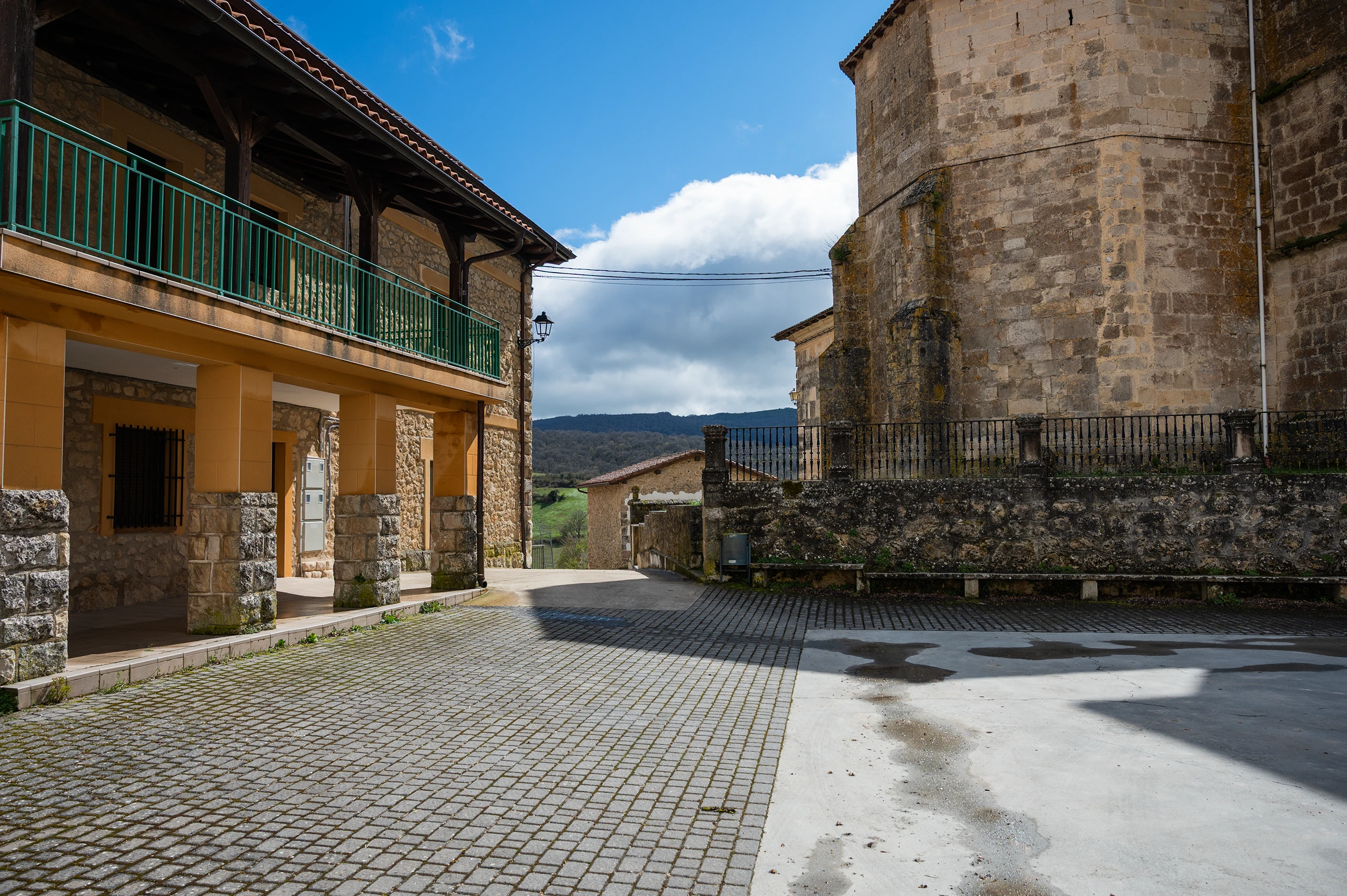
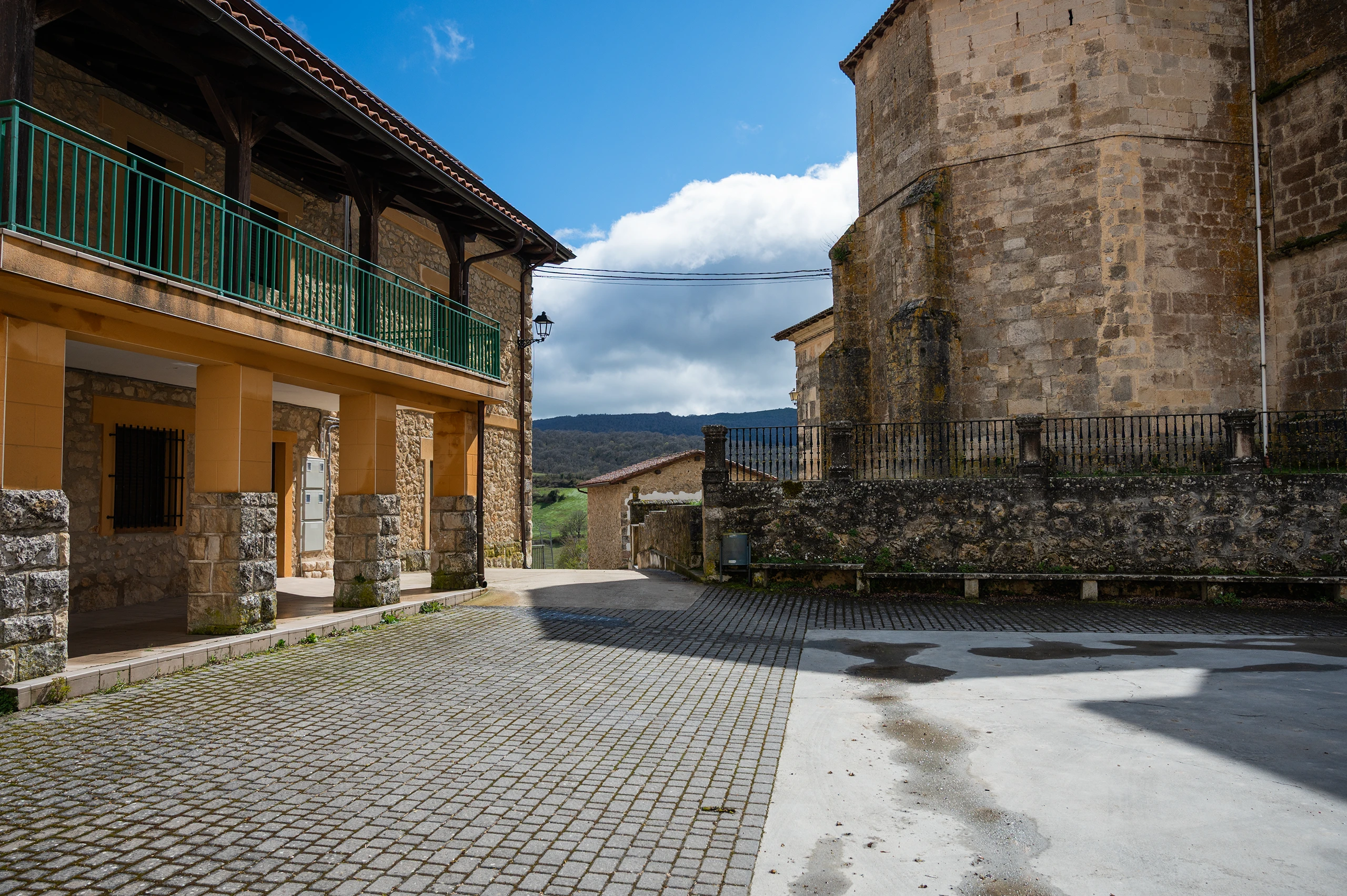
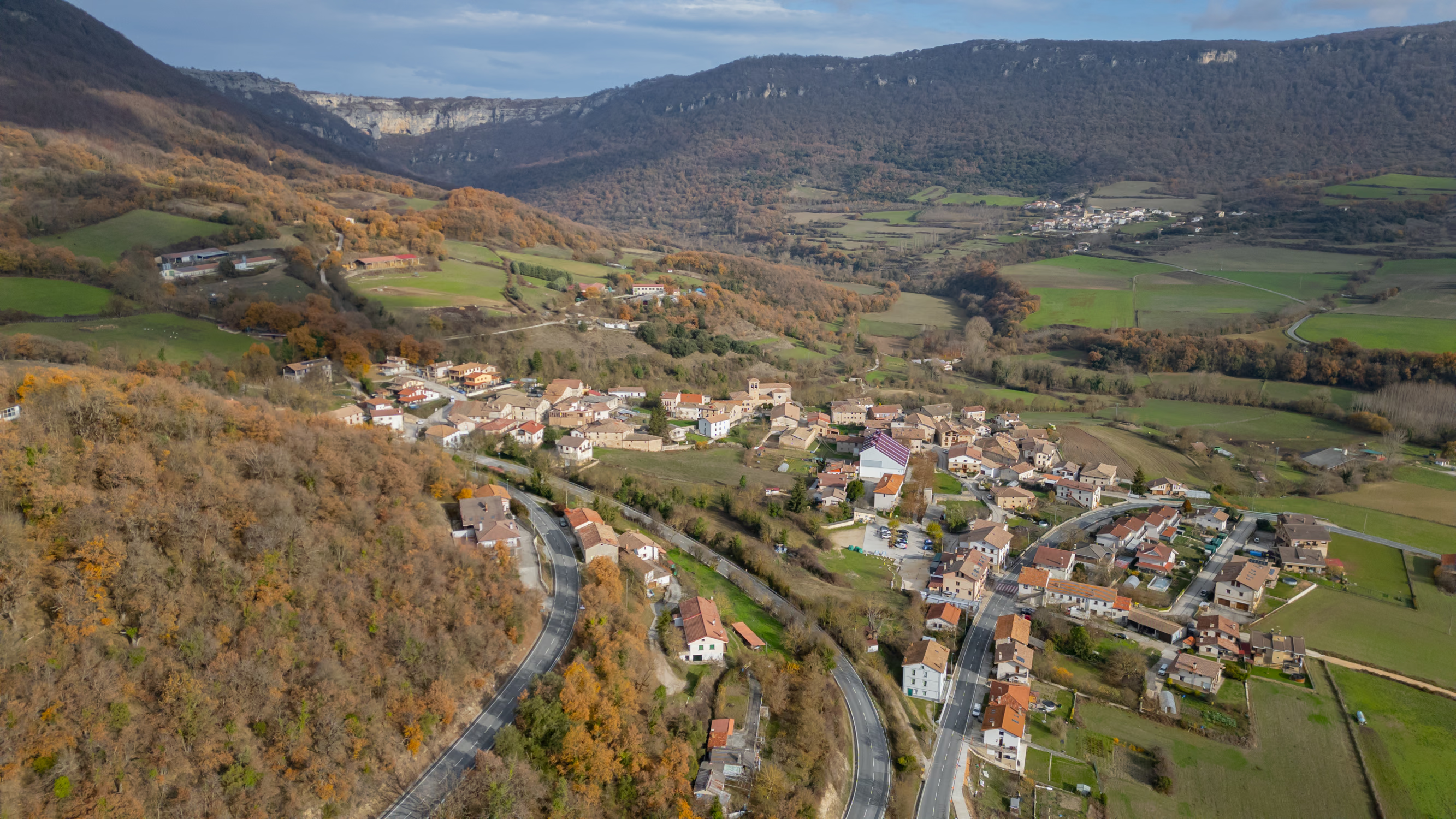
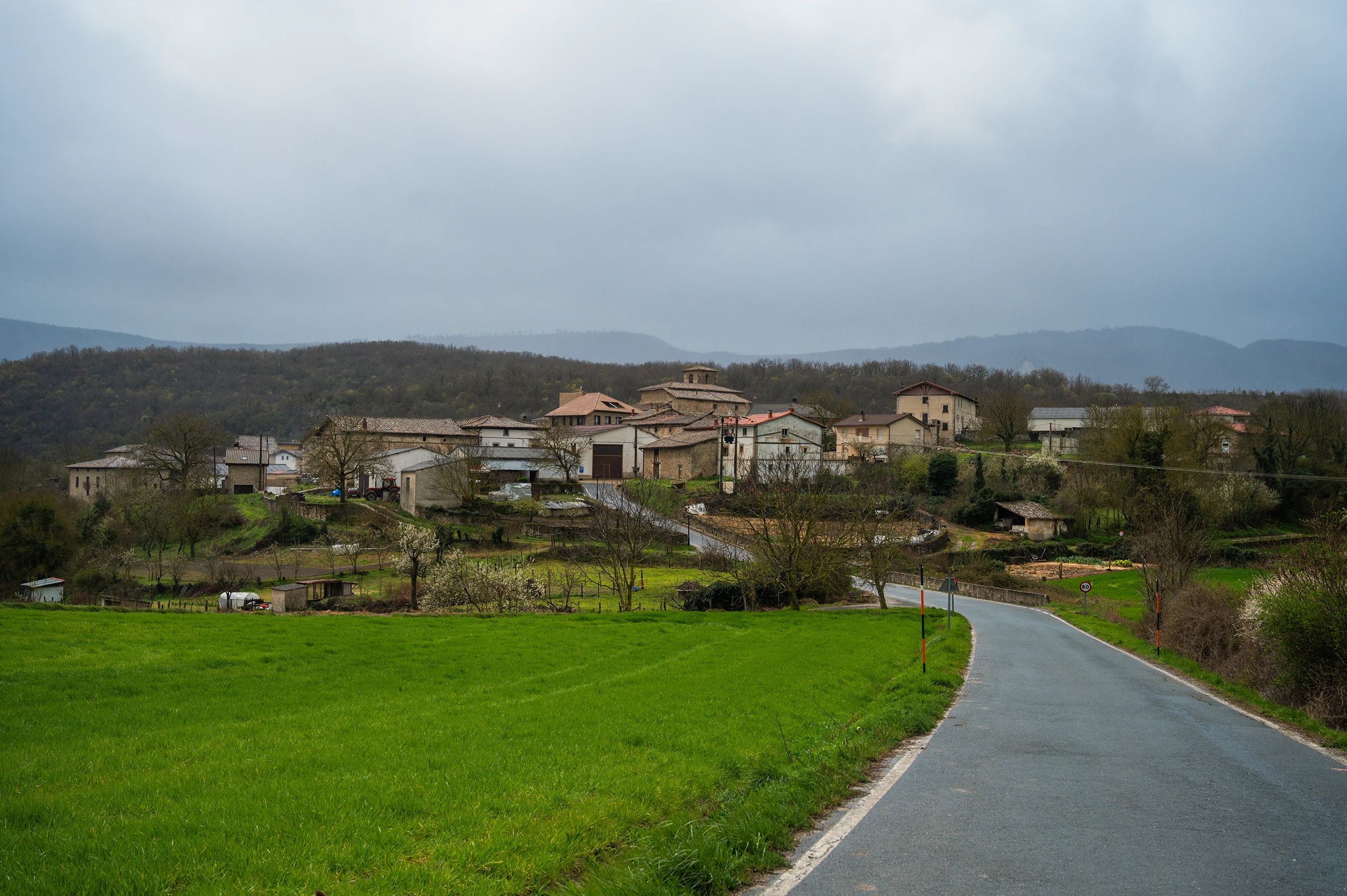
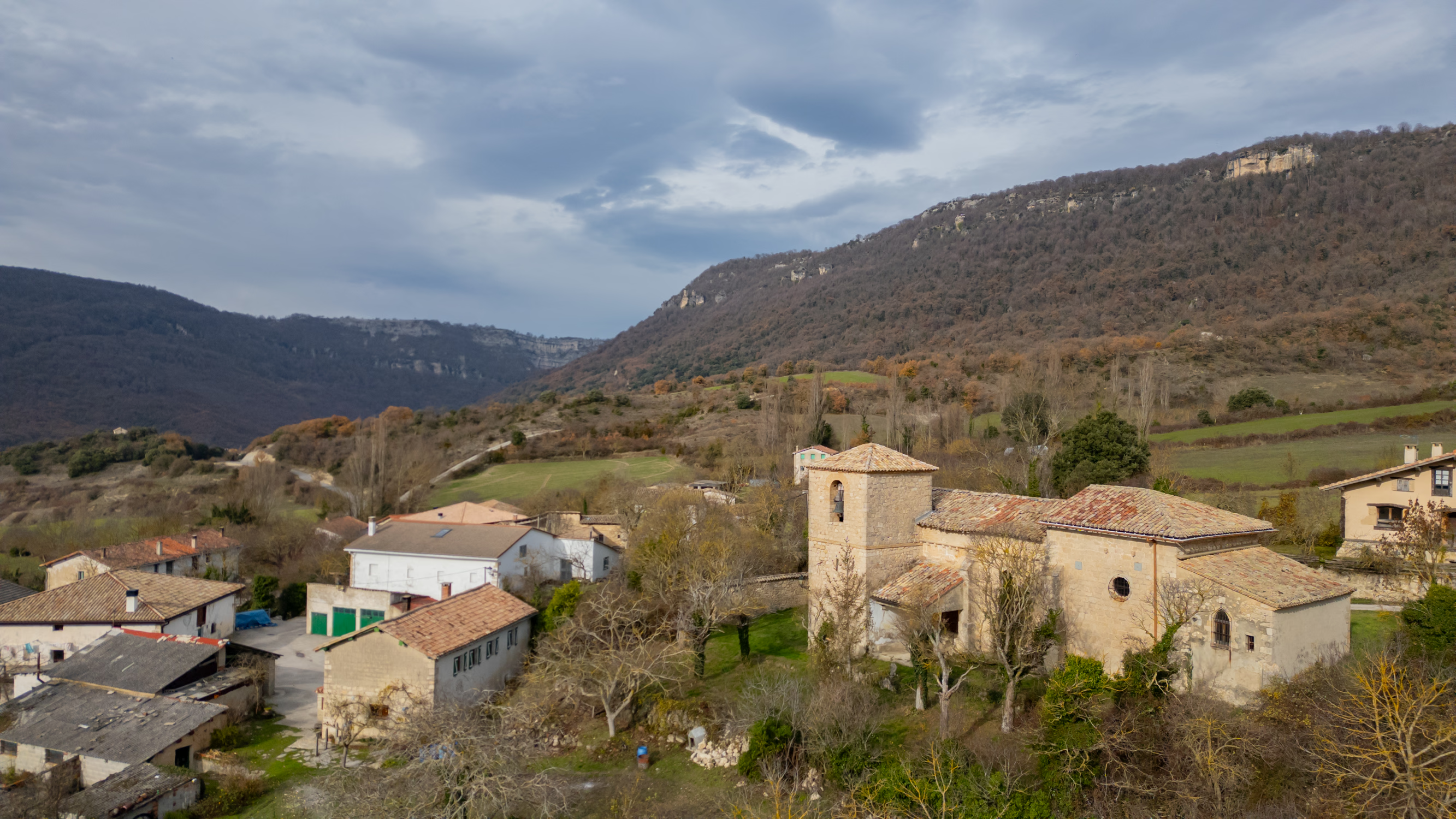
Larraona is the westernmost municipality in Améscoa Alta and the last Navarrese town before entering Álava. Located at an elevation of 774 meters, about 30 kilometers from Estella-Lizarra, the village occupies a privileged position in the natural corridor formed by the Urbasa and Lóquiz mountain ranges, in a landscape that serves as a transition between the Atlantic mountains and the Mediterranean interior.
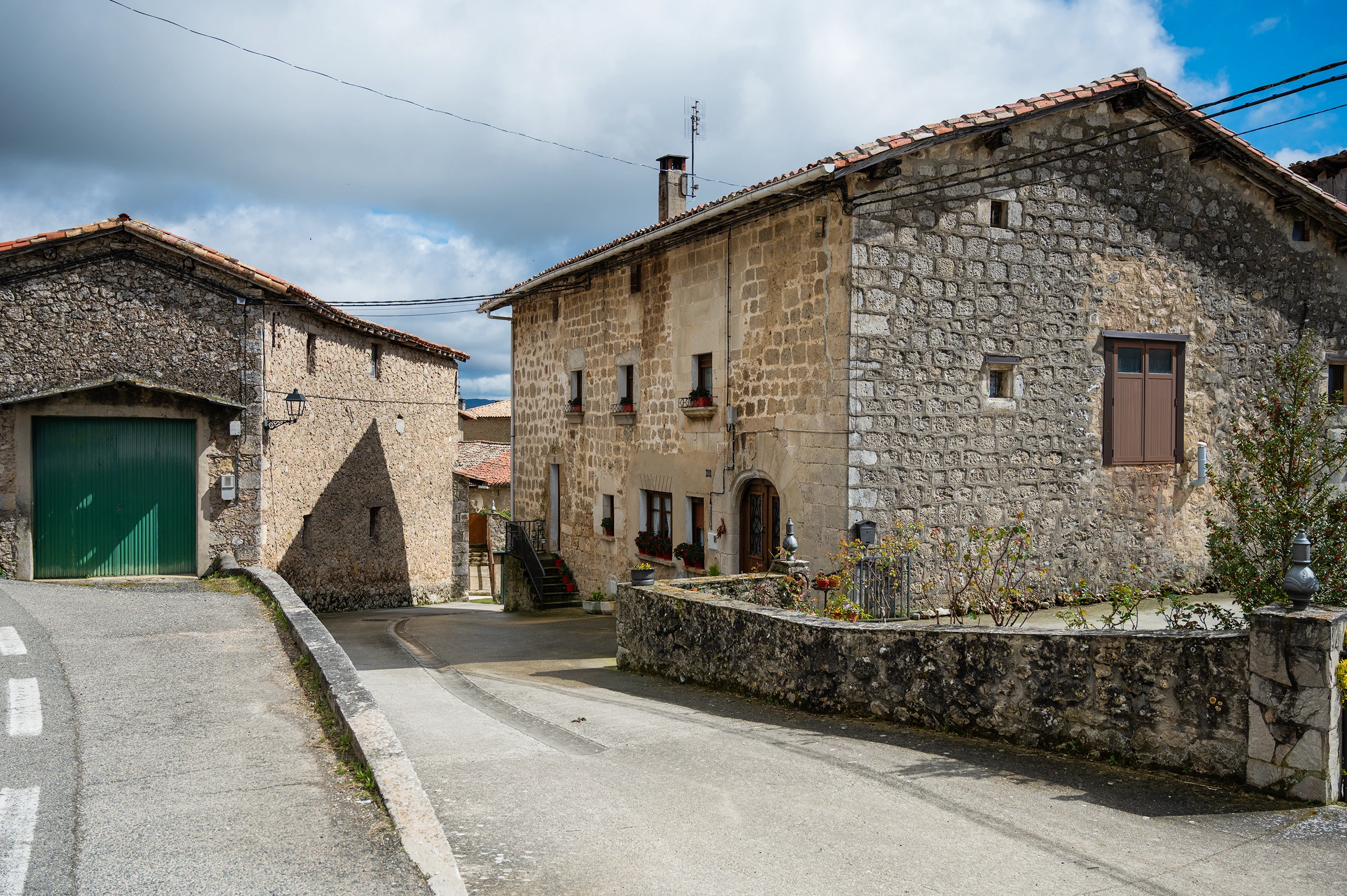
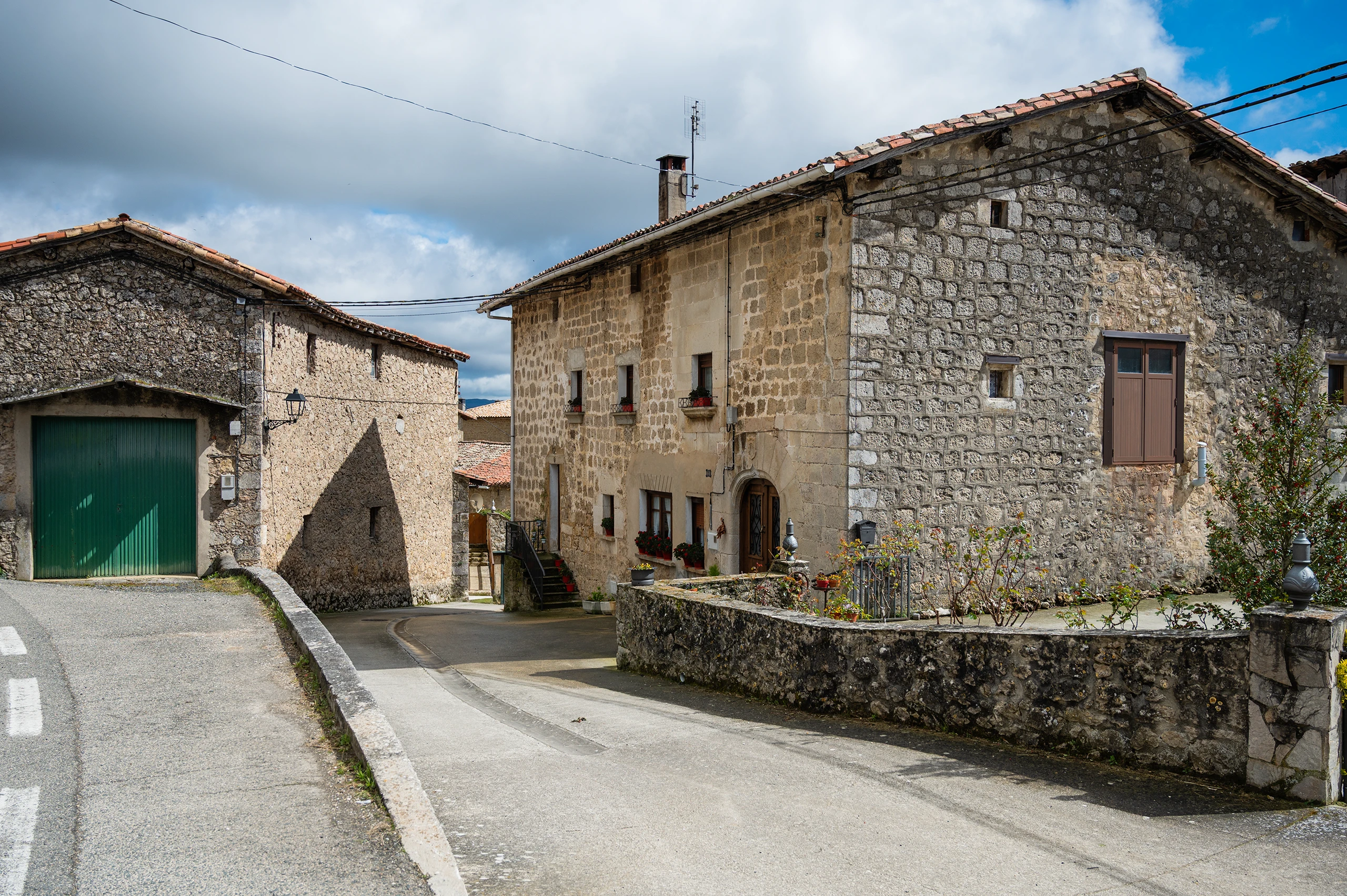
The village is organized around the parish church, situated on a small hill surrounded by meadows, beech forests, and communal woodlands. One of Larraona’s most distinctive features is its remarkable civil architecture, evident in the numerous facades bearing coats of arms, which preserve nearly twenty crests dating from the 16th, 17th, and 18th centuries. These stately homes, linked to lineages such as the Ochoa de Baquedano, Álvarez de Eulate, Larramendi, Albizu, and Urra families, make the village one of the most interesting heraldic ensembles in Las Améscoas.
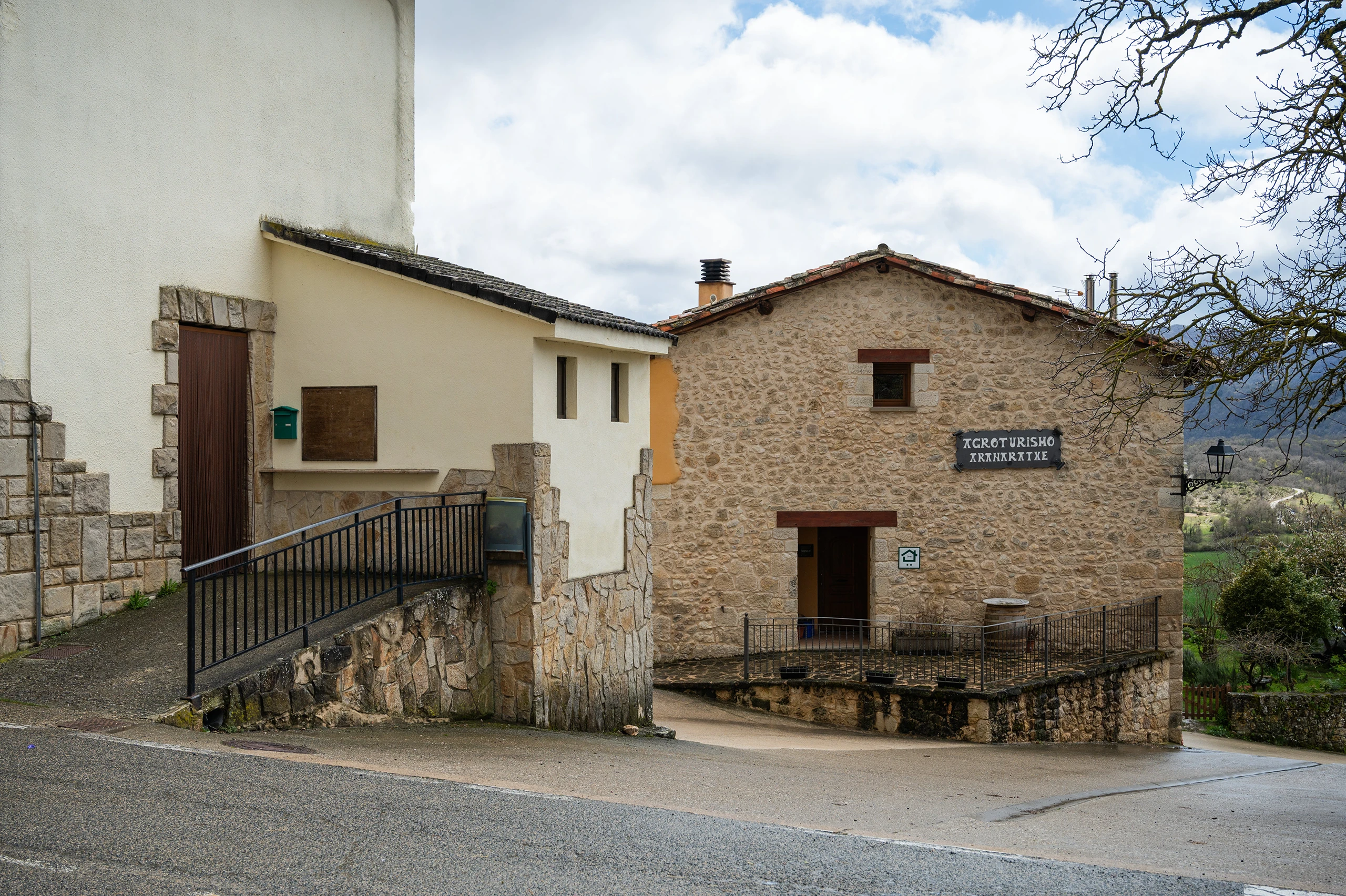
The town center also preserves semicircular arched doorways, ogee windows, and traditional architectural details that reflect its border and aristocratic past. Notable heritage features include the monumental fountain from 1860, the 19th-century washhouse, and the old municipal flour mill located next to the Uiarra River.
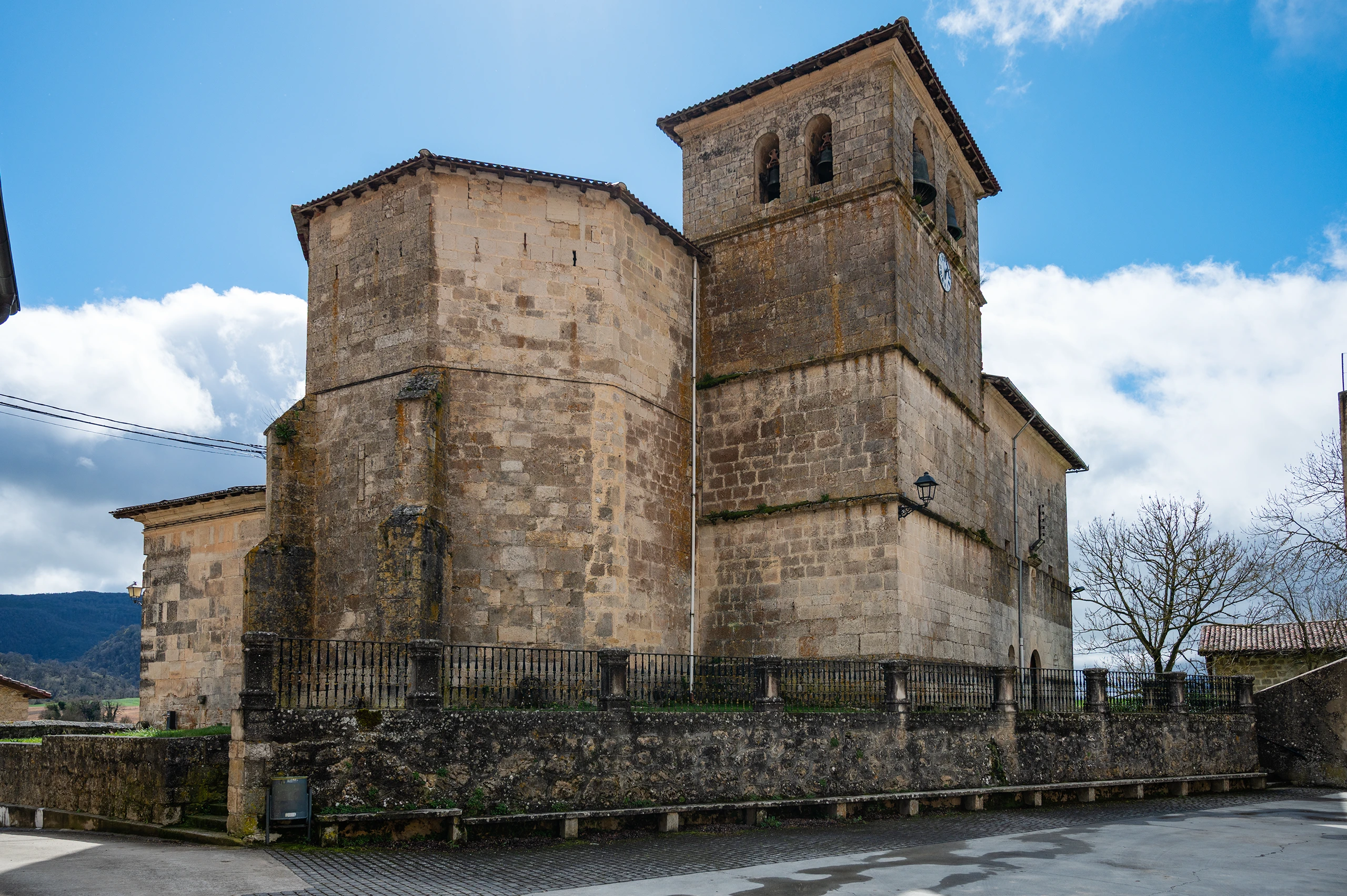
In the religious sphere, the Church of San Cristóbal stands out, along with the chapels of Nuestra Señora de la Blanca, built in 1782, and San Benito, dating from the 16th century, located on the path toward Monte de las Limitaciones. The historical heritage is rounded out by the ruins of Artajo Castle, built on a hill near the town center, a reminder of this region’s strategic importance.
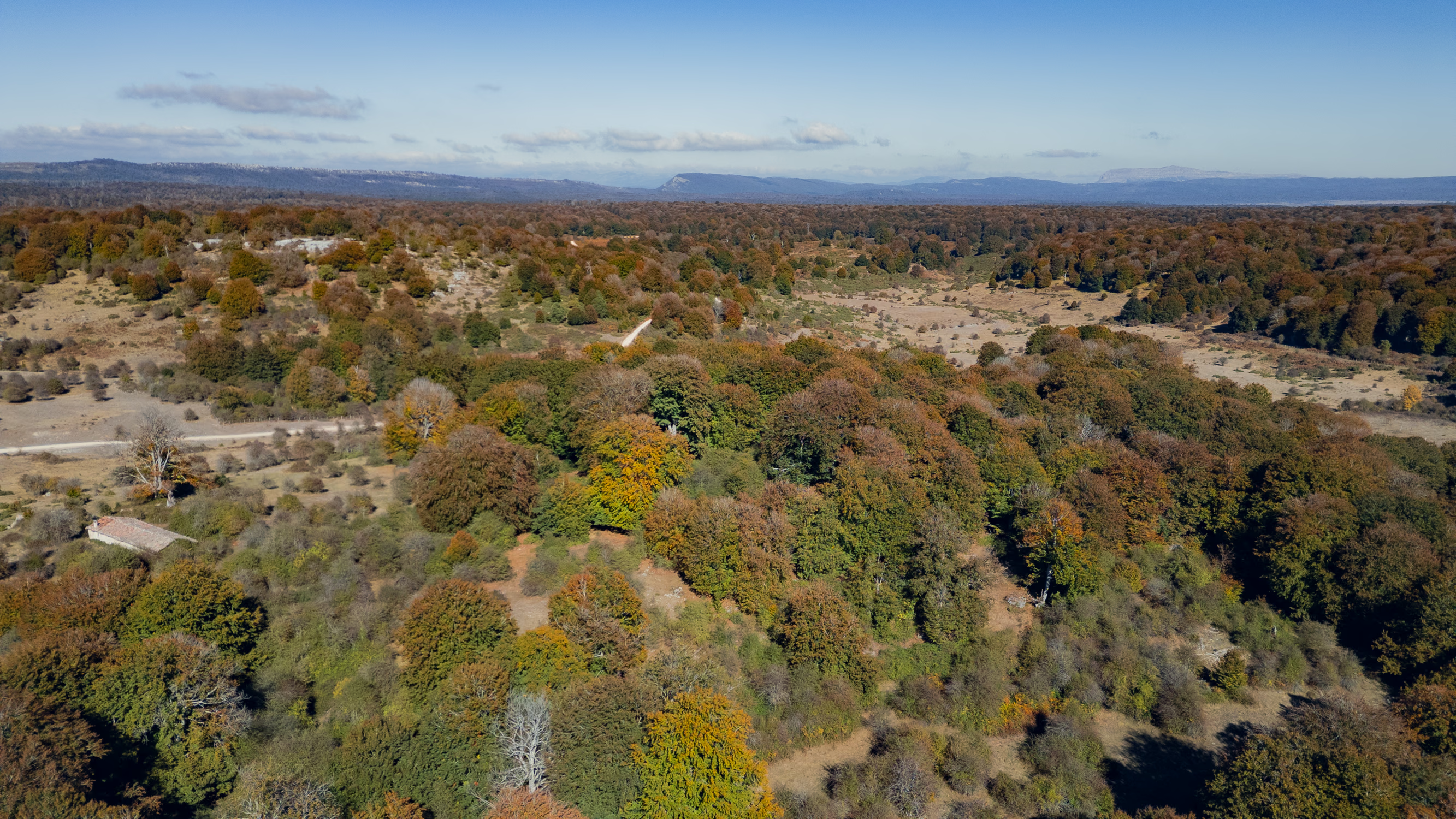
Nature plays a central role in the Larraona experience. Monte de las Limitaciones, part of the Urbasa and Andía Natural Park, is home to such unique sites as the Cueva de los Cristinos and the well-known Bosque Encantado, areas highly prized by hikers and nature lovers.
The documented history of the municipality dates back to the 11th century. In 1192, Larraona was granted tax exemptions due to its border location, and during the Middle Ages, it experienced various conflicts with the lords of Contrasta, which even led to the fortification of part of the town. Later, in 1813, it was sacked by retreating French troops during the War of Independence.
Today, Larraona maintains a strong tradition of agriculture, livestock farming, and cheese-making, centered around cattle, sheep, horse, and pig farms. The patron saint festivities in honor of Saint Christopher, held after the San Fermín festival, along with traditions such as the raising of the Maypole and the pilgrimage to San Benito, keep the strong sense of community alive in this mountain village.