
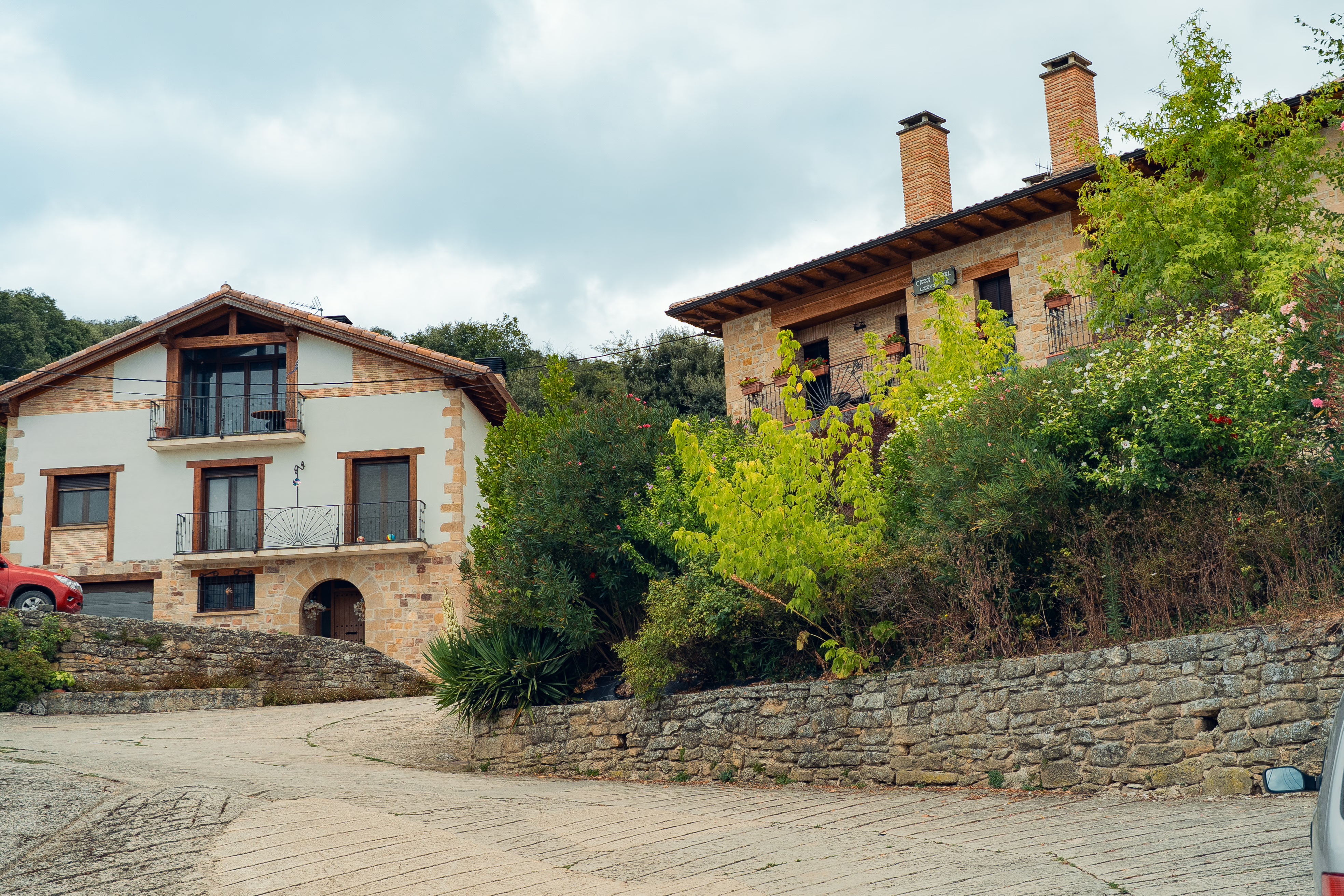
A mountain village with spectacular views
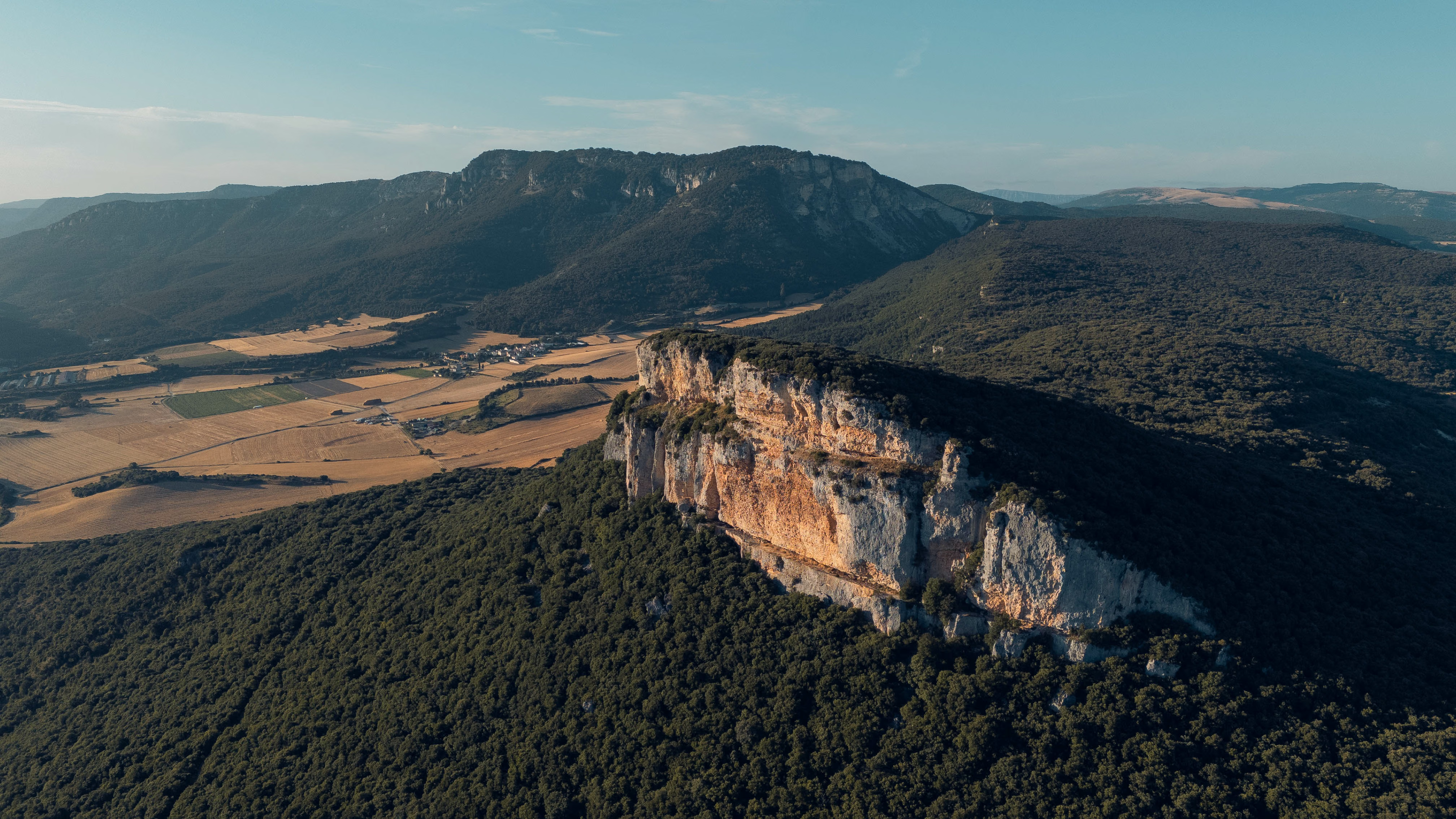
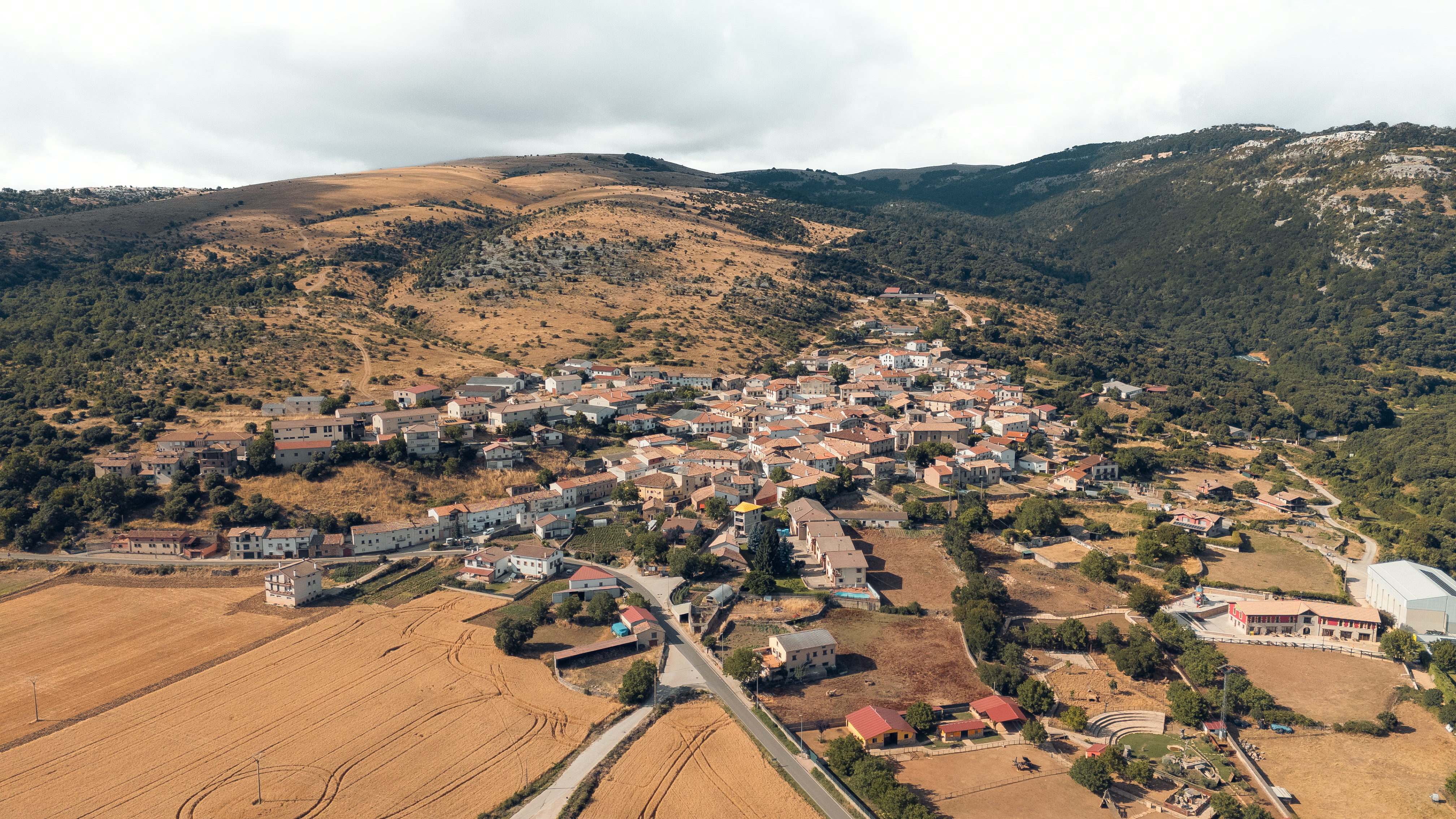
Located west of the Yerri Valley, Erául overlooks the landscape from an elevated vantage point amid kermes oak groves, limestone cliffs, and sweeping, open horizons.

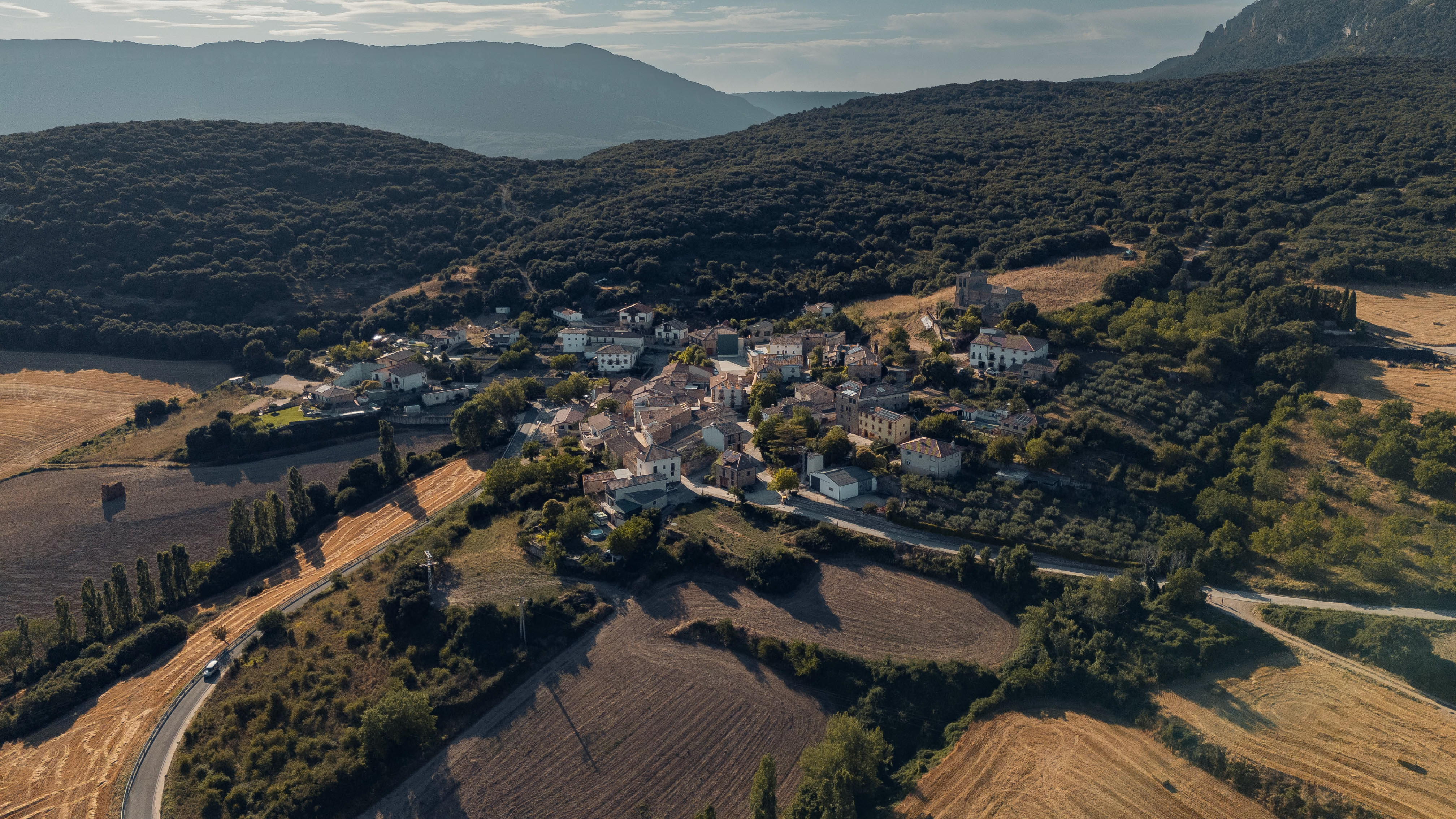
A mountain village nestled among cliffs, lookouts, and historic sites.
Located west of the Yerri Valley, Erául overlooks the landscape from an elevated vantage point amid kermes oak groves, limestone cliffs, and sweeping, open horizons.
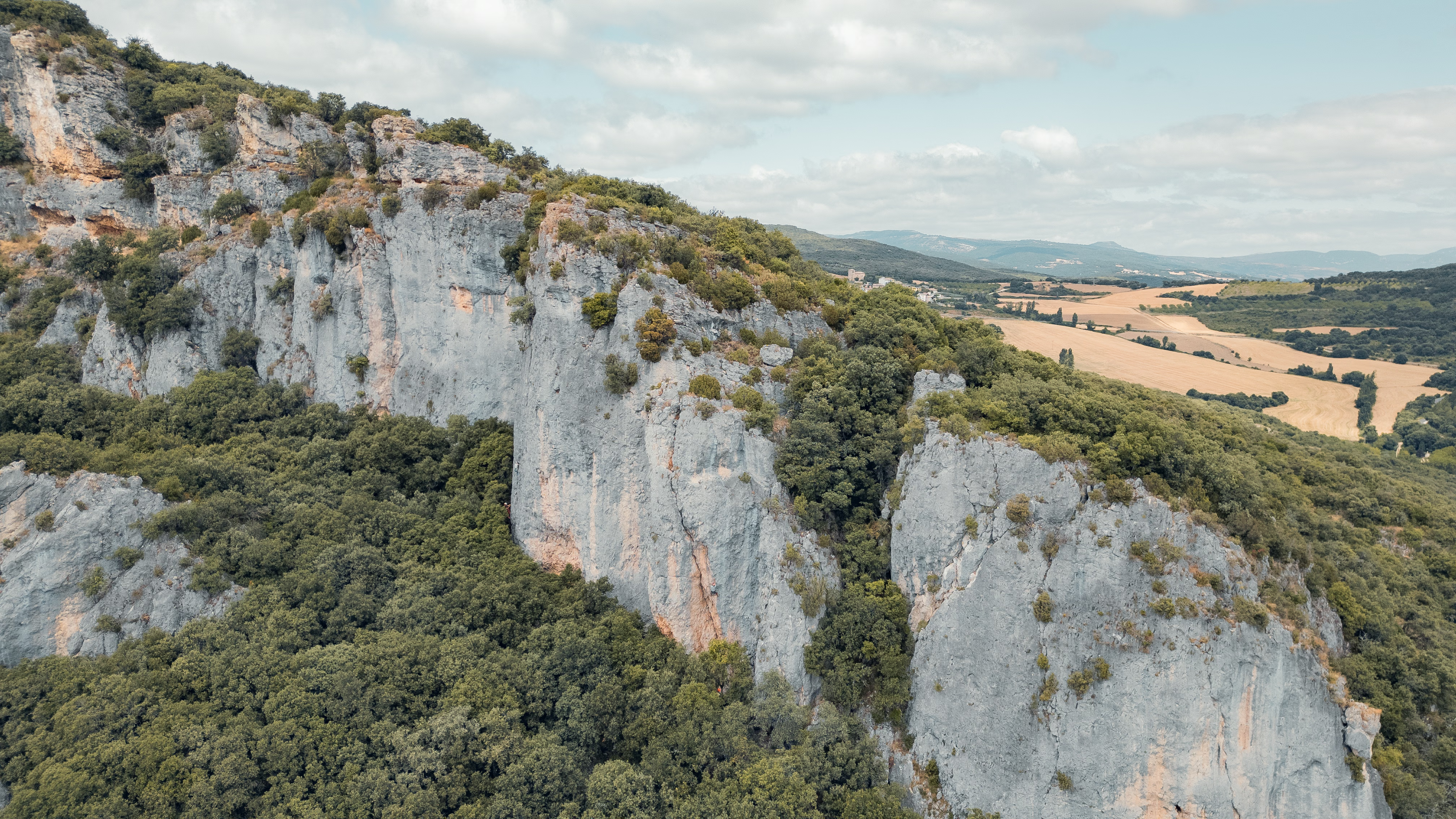
Mount San Fausto, the climbing areas, trails, and lookout points make Eraul an ideal destination for those who enjoy outdoor activities and seek a direct connection with nature.
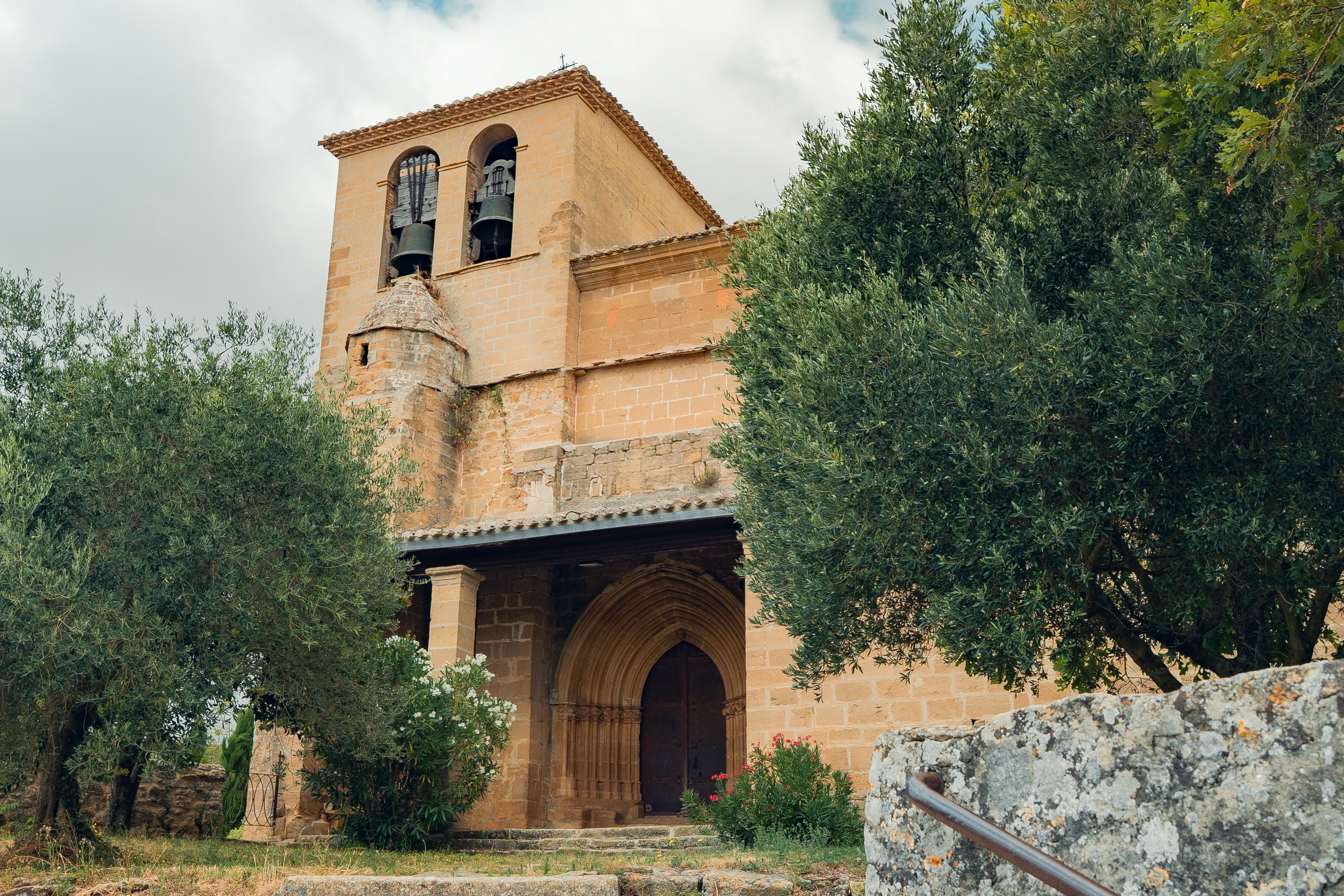
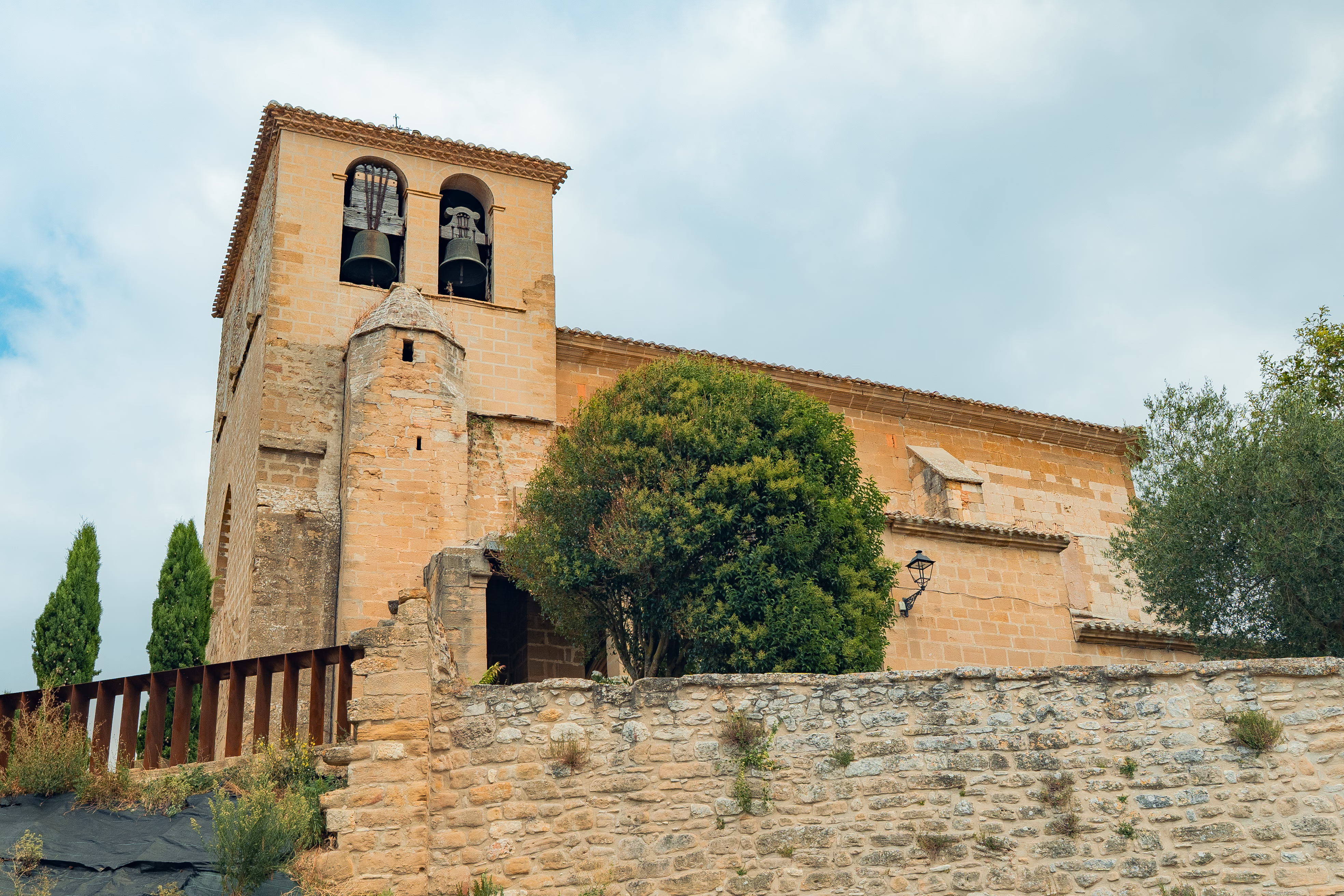
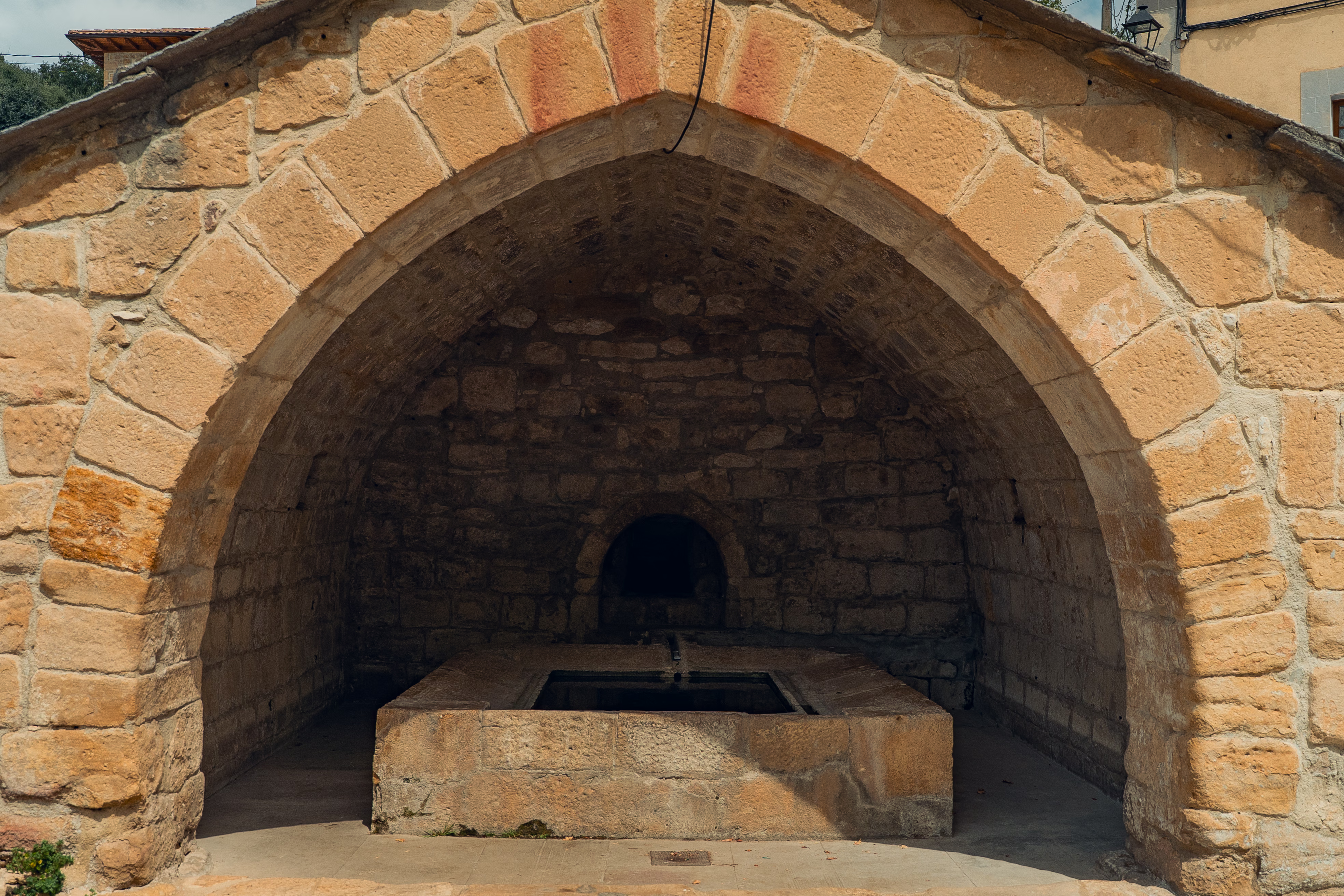
With ancient roots and the site of the Battle of Erául during the Carlist Wars, the village preserves landmarks such as the Romanesque church, the washhouse, and the old oven, all of which are woven into the fabric of local life that remains vibrant today.
Erául can be visited year-round. Spring and fall are ideal for hiking, enjoying the scenic overlooks, and participating in outdoor activities thanks to the mild temperatures. Summer offers good conditions for rock climbing and outdoor activities, while winter reveals a more serene and panoramic side of the mountain landscape.
Erául is one of the most unique mountain villages in the Yerri Valley. Situated on high ground to the west of the valley, it overlooks a landscape of kermes oak groves, limestone cliffs, and open horizons that transform the surroundings into a true natural viewpoint over Tierra Estella.
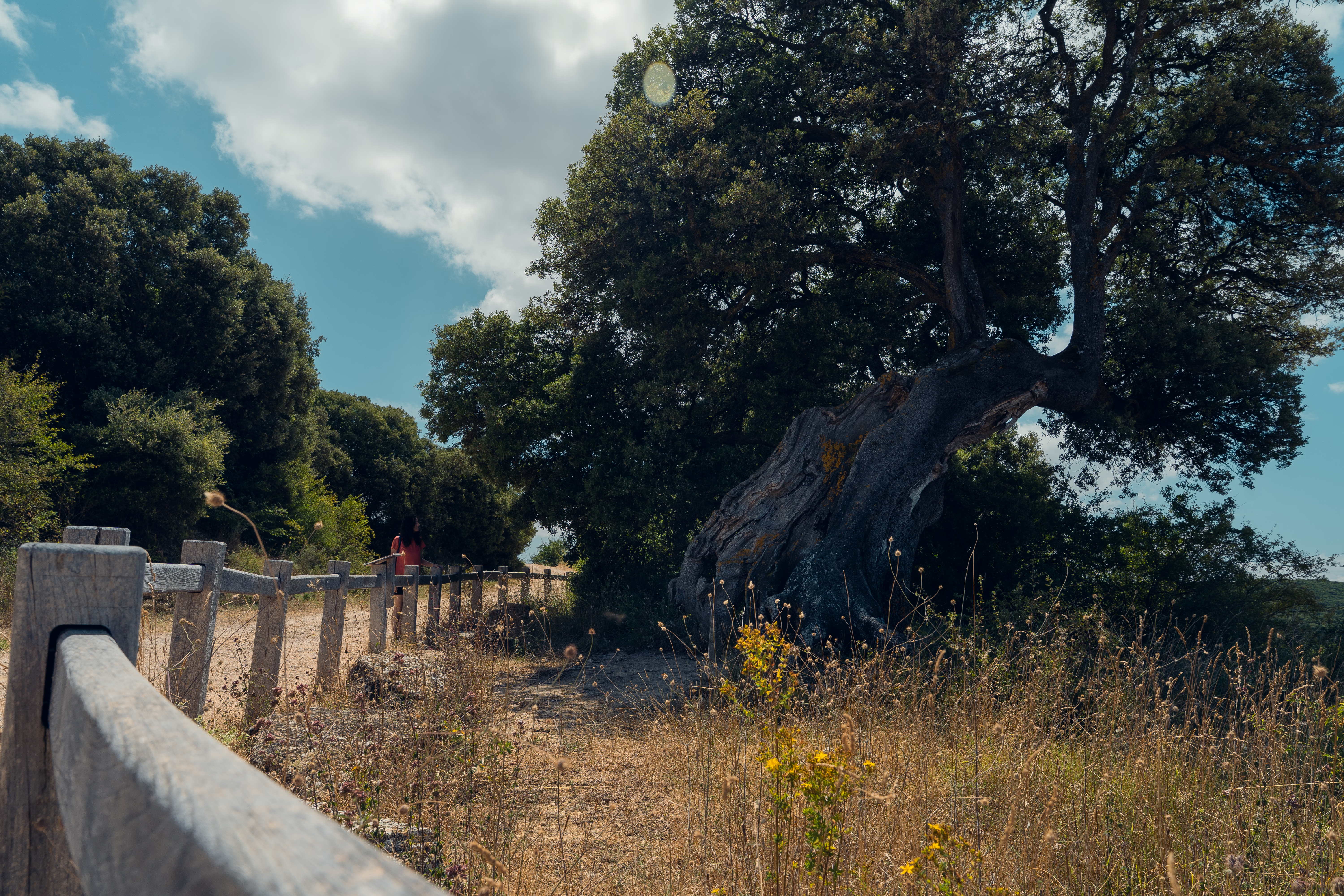
Mount San Fausto defines the character of the village. Trails, viewpoints such as Lazkua and Altikogaña, climbing areas, and sites of great natural value—such as the Monumental Holm Oak of Erául—make the area a destination particularly prized by hikers, climbers, and nature lovers.
History is also part of the landscape. Erául was a strategic enclave dating back to the Iron Age; it saw Roman occupation and went down in history as the site of the Battle of Eraul in 1873, one of the most notable episodes of the Carlist Wars. Today, that legacy coexists with the old washhouse, the traditional oven, and the Romanesque church in a village where nature, history, and daily life remain closely intertwined.
7 resultados
Erául
Patrimonio y monumentos
Erául
Espacios naturales
Erául
Flora y fauna
Erául
Aventura y actividades al aire libre
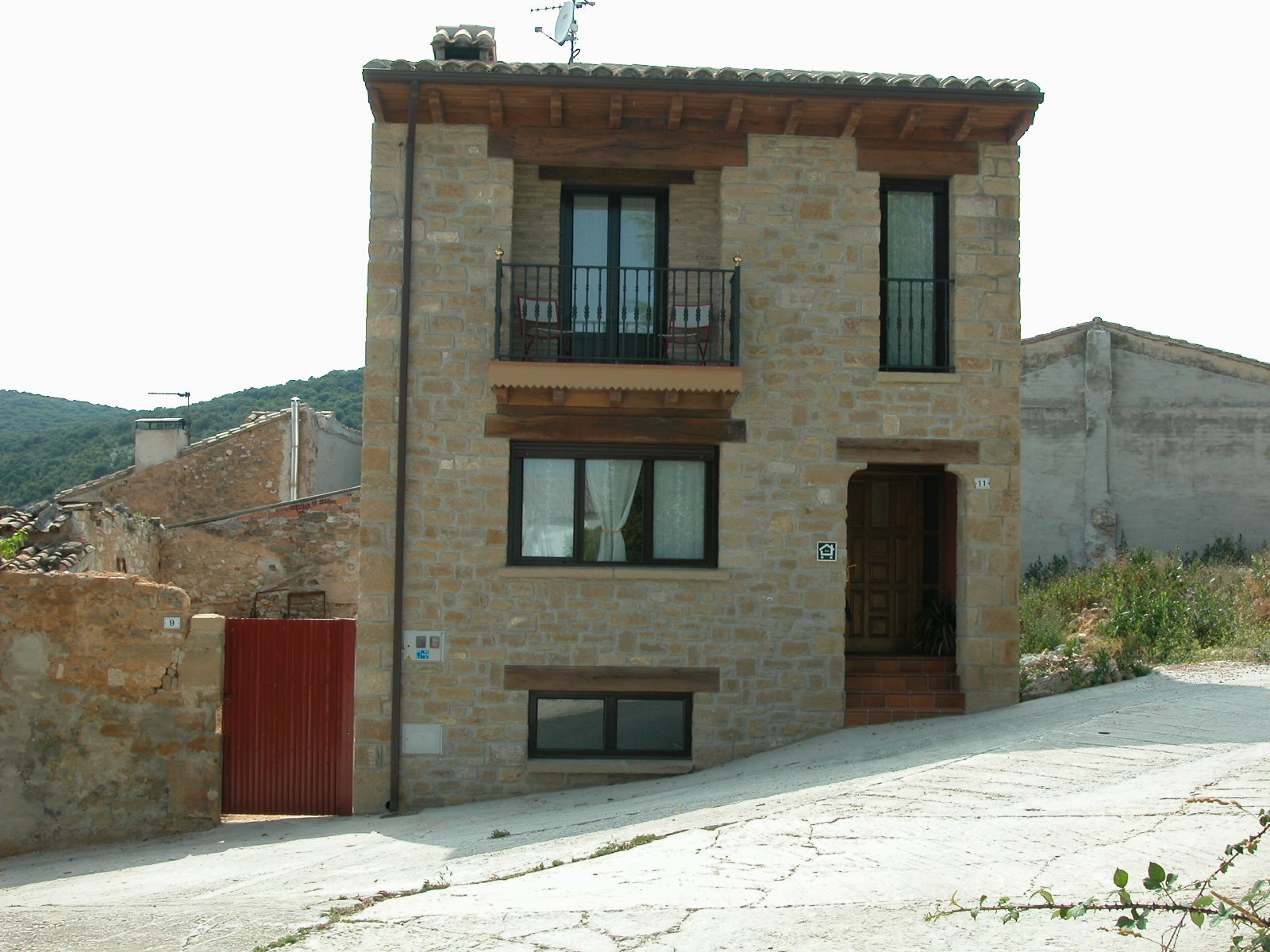
Dónde dormir
Erául
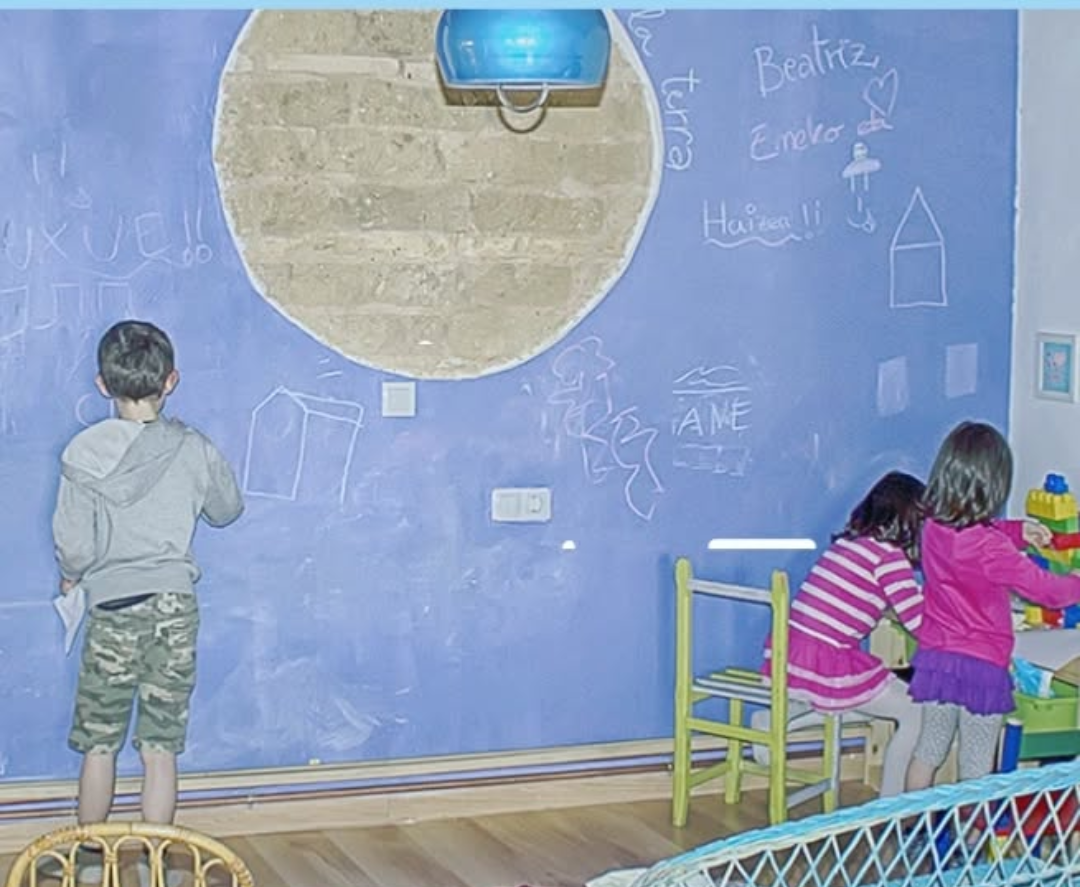
Dónde dormir
Erául

Dónde comer
Erául
Mostrando 1-7 de 7 resultados
Una villa de montaña, paisajes kársticos y tradición ganadera.
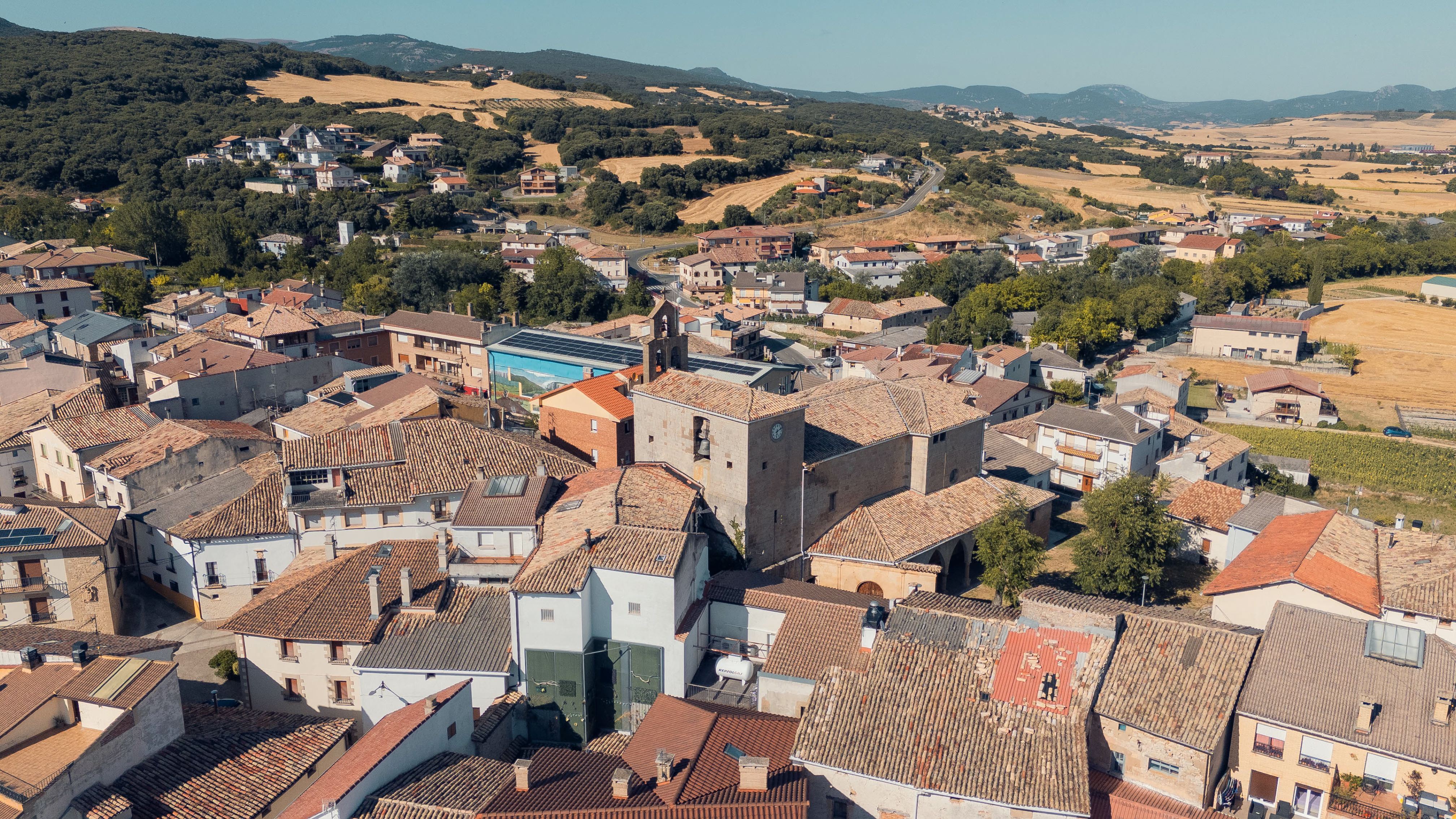
La puerta de entrada al valle de Irantzu, entre montañas y patrimonio monumental.
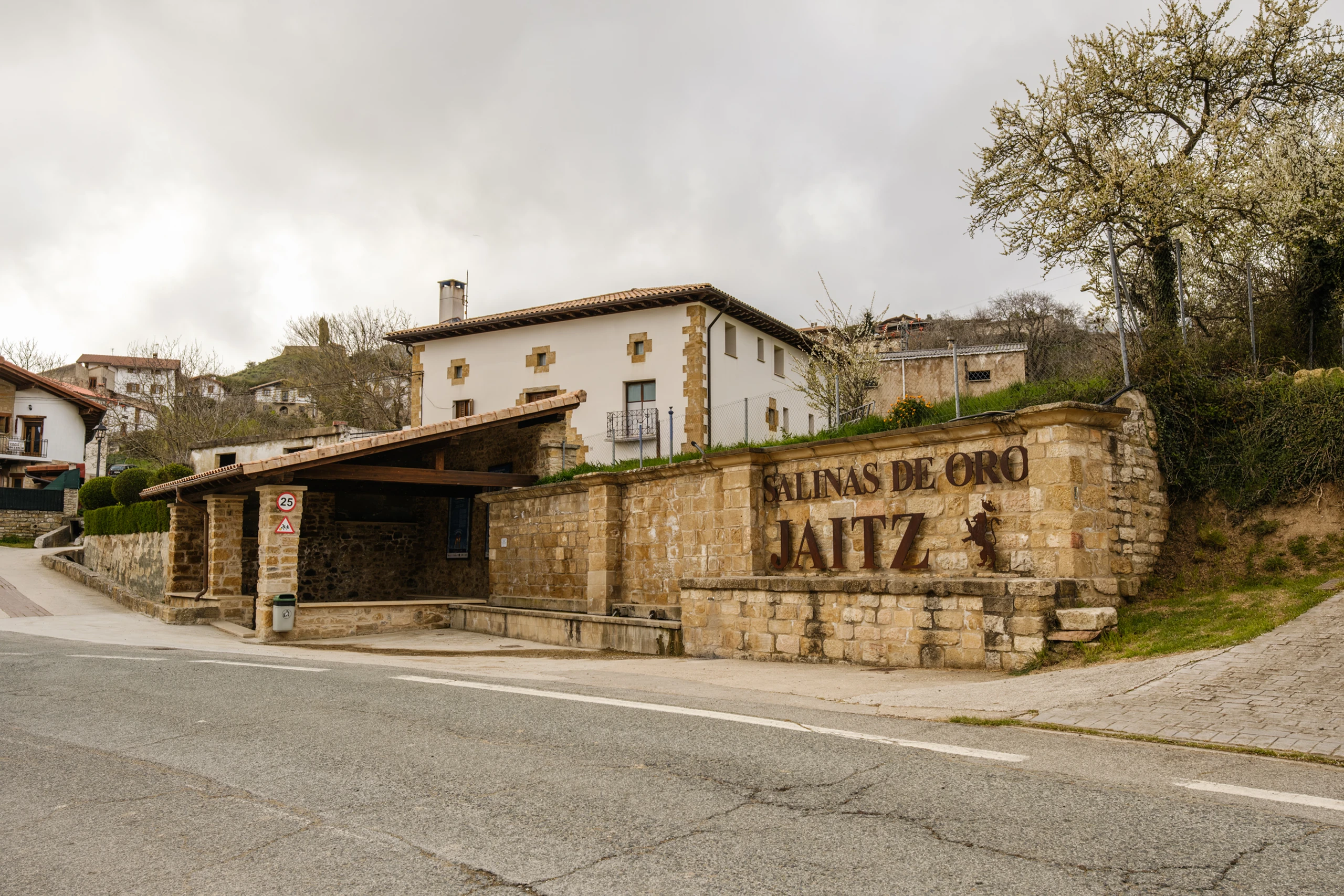
Una villa donde la sal ha dado forma al paisaje, a la historia y a la identidad.
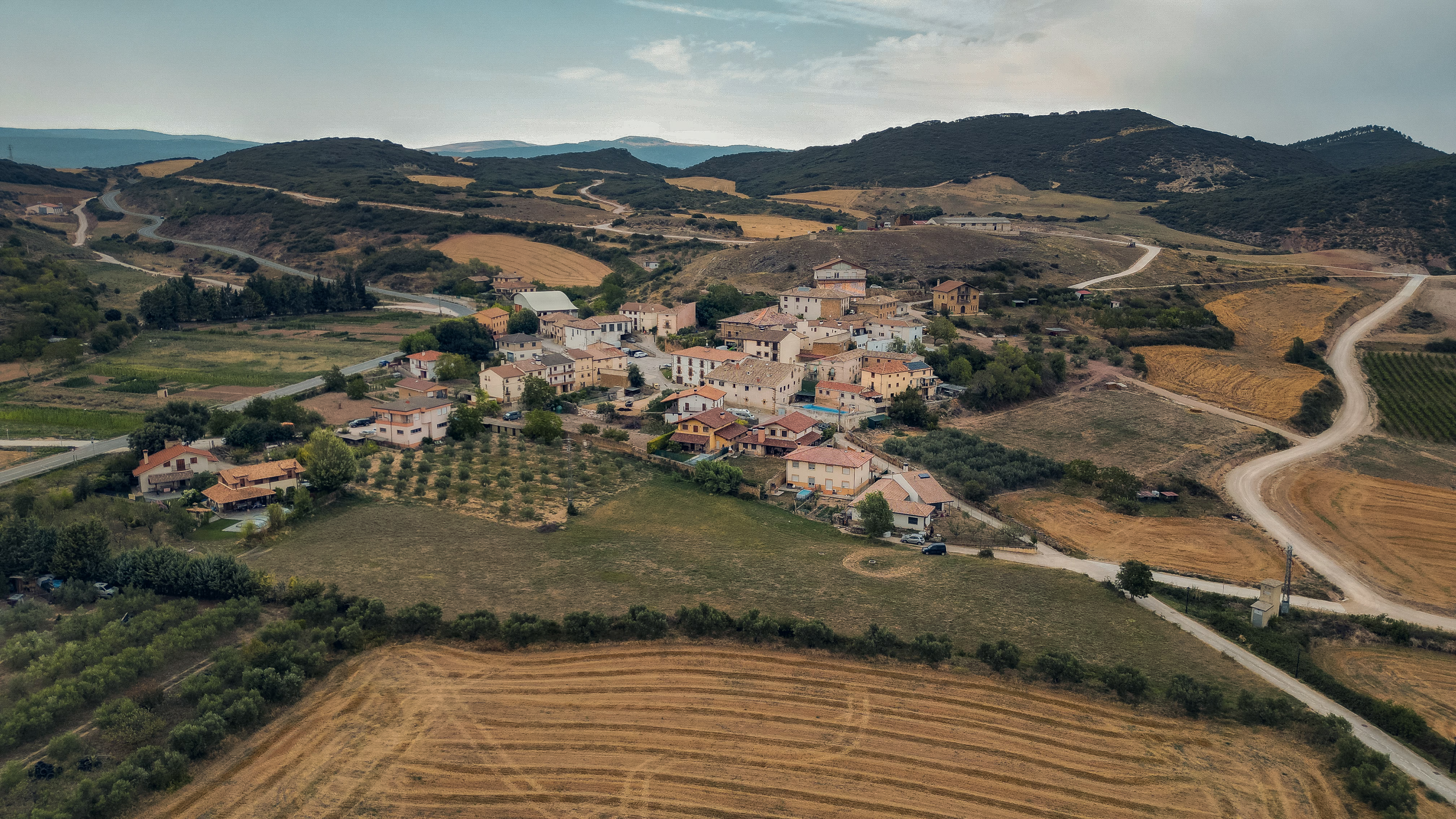
La puerta de entrada al embalse de Alloz, donde la naturaleza invita a disfrutar y a desconectar.