The village of Valdega
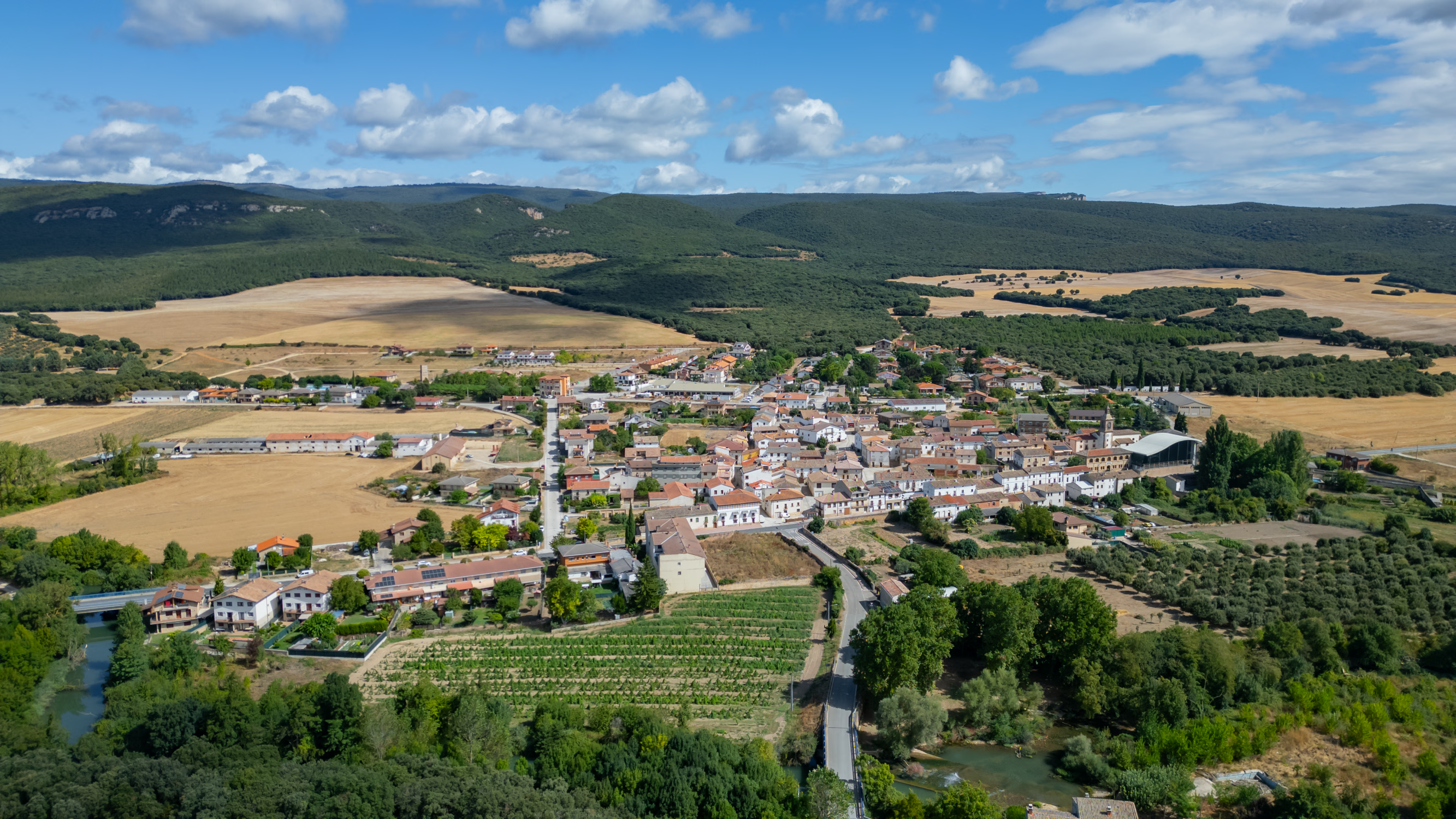
Ancín/Antzin has a unique relationship with water. The Ega River, the springs, historic fountains, and green spaces are all part of a landscape that has shaped the village’s daily life and given it its own distinct identity.

The town where water is part of the landscape, the collective memory, and the identity.
Ancín/Antzin has a unique relationship with water. The Ega River, the springs, historic fountains, and green spaces are all part of a landscape that has shaped the village’s daily life and given it its own distinct identity.
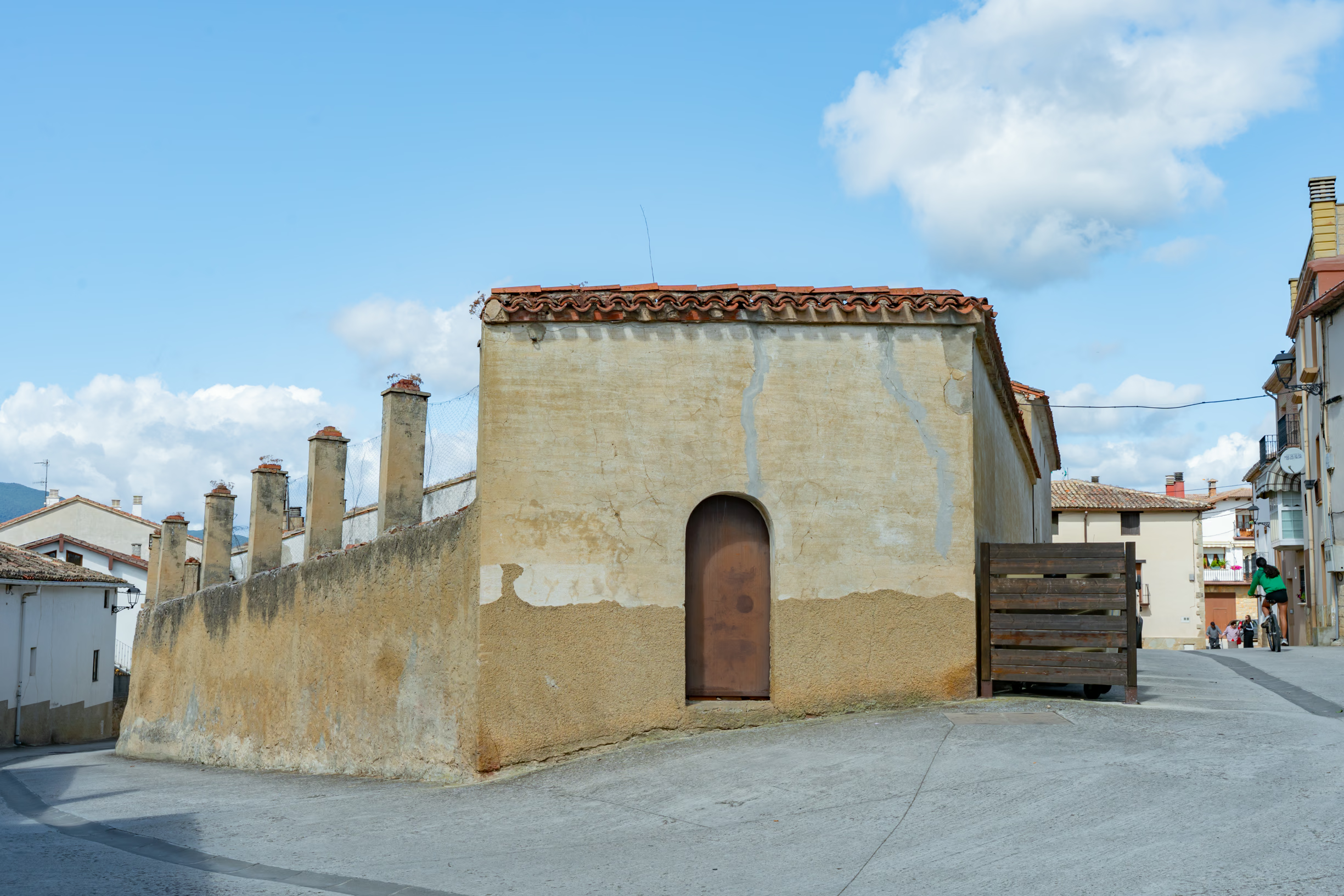
The proximity of the Sierra de Lóquiz, the area around the Ega River, and trails such as the Pozo de la Mora make Ancín/Antzin an excellent starting point for hiking, exploring ancient trails, and enjoying a landscape of forests, farmland, and rolling hills.
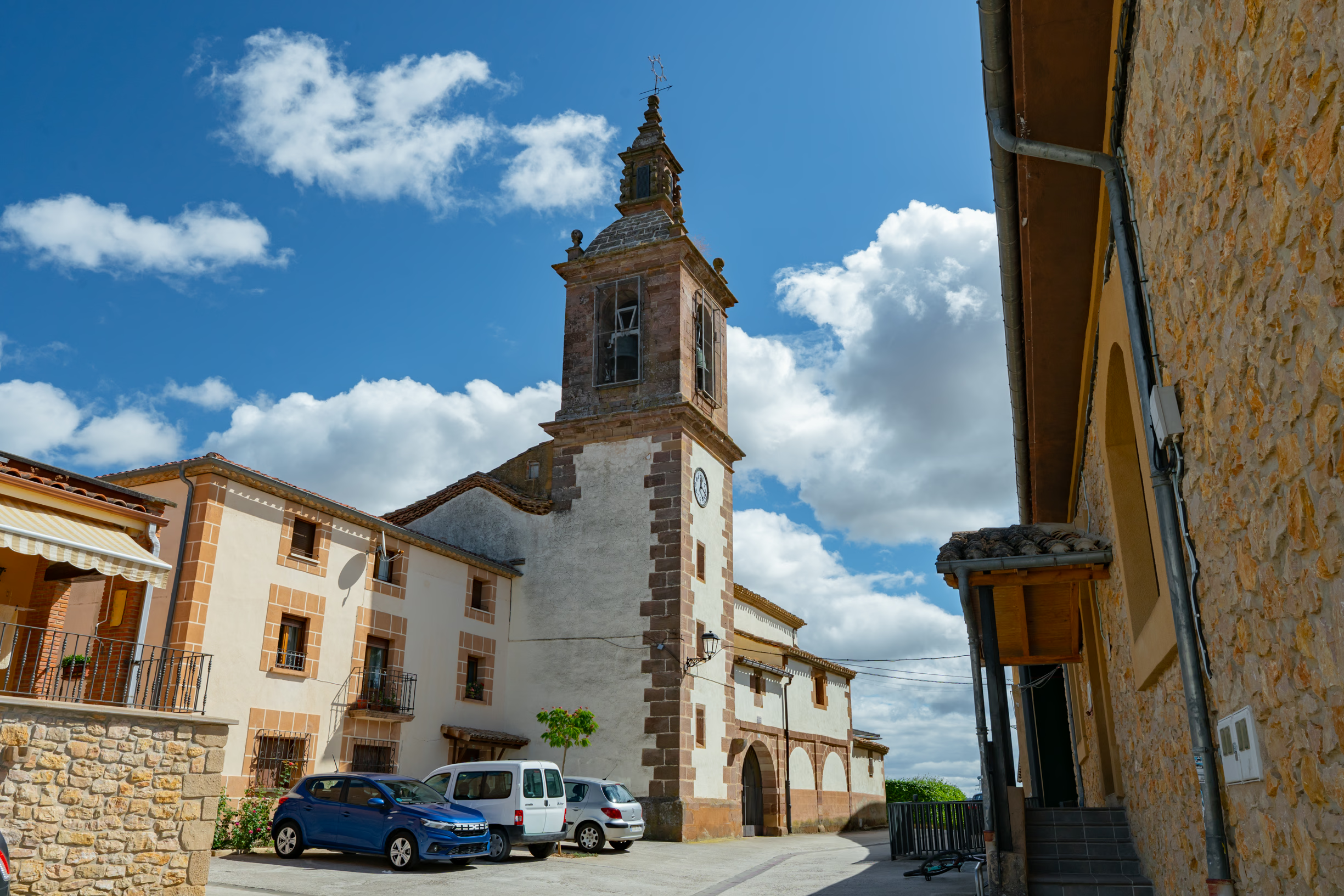
The Basque-Navarre Railway Greenway, which runs through the municipality, allows visitors to explore the landscape along the old railway route. The old train station, now home to the town hall, keeps alive the memory of travel and the connection between towns.
Ancín/Antzin can be enjoyed year-round. Spring and fall are ideal for exploring the trails along the river and taking in the changing colors of the landscape. Summer brings a festive atmosphere and pleasant places to stroll, while winter invites you to experience the valley’s more peaceful side.
As the old saying goes: Everything comes to an end except for wine in Viana, straw in Mendavia, and water in Ancín. In this village in the Valdega Valley, water is not just a resource, but a defining feature that explains its connection to the Ega River and the Sierra de Lóquiz.
The Ega River runs through the heart of the town and connects popular walking paths and green spaces, complemented by numerous natural springs, historic fountains, and a landscape of holm oak forests, farmland, and traditional trails that invite visitors to explore the area at a leisurely pace.
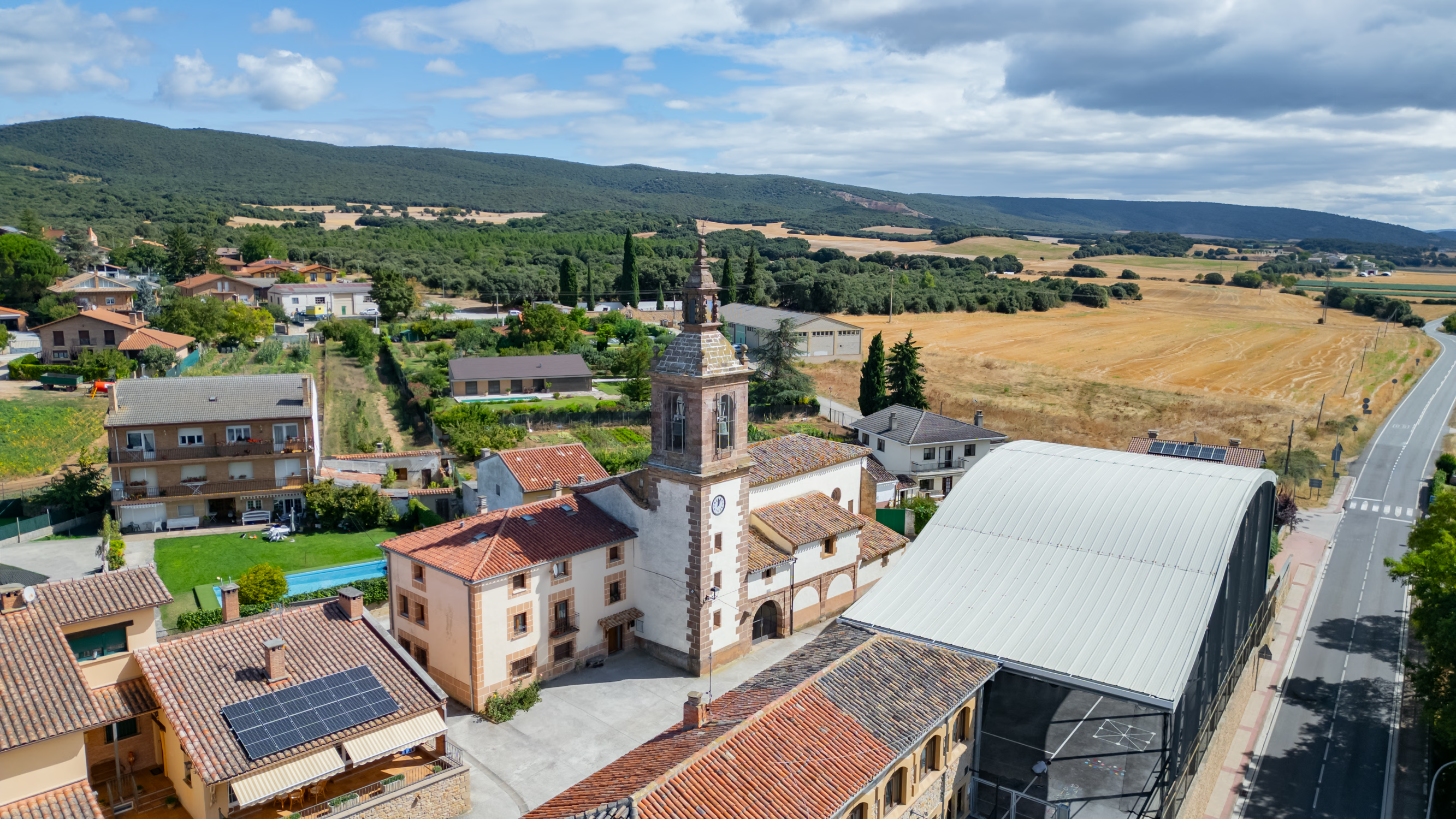
The municipality of Ancín/Antzin comprises the district of Mendilibarri; both share the same natural environment, historic trails, and a common connection to the river and the mountains. The town’s heritage is revealed on a small scale, integrated into the urban fabric and the paths that connect the town to its surroundings. The Church of San Fausto, built between the 16th and 18th centuries, preserves a medieval baptismal font and the outstanding Romanesque-style carving of San Fausto, one of the town’s most significant artistic treasures. Rounding out this ensemble are the San Román Chapel, the 19th-century bridge, and the washhouse—all testaments to daily life tied to water—as well as the Water Tower, built in 1928.
The Basque-Navarre Railway Greenway runs through the municipality, allowing visitors to explore old railway routes between the valley’s villages. The former railroad station now houses the town hall. Routes also depart from the town center itself, such as the Pozo de la Mora trail, a circular route that combines the river, dams, mills, holm oak groves, and gentle ascents. In addition, there are several access points to the Sierra de Lóquiz, offering sweeping views of the Valdega Valley and the Ega River corridor.
The patron saint festivals centered around Saint James’ Day on July 25 and the feast of Saint Fausto on October 13 mark the highlights of the year. These are complemented by unique celebrations such as Carbonera Day, held every other year in May to revive the ancient craft associated with the mountains; as well as the traditions of Valley Day and Carnival, which keep community participation and the town’s local identity alive.
2 resultados
Mostrando 1-2 de 2 resultados
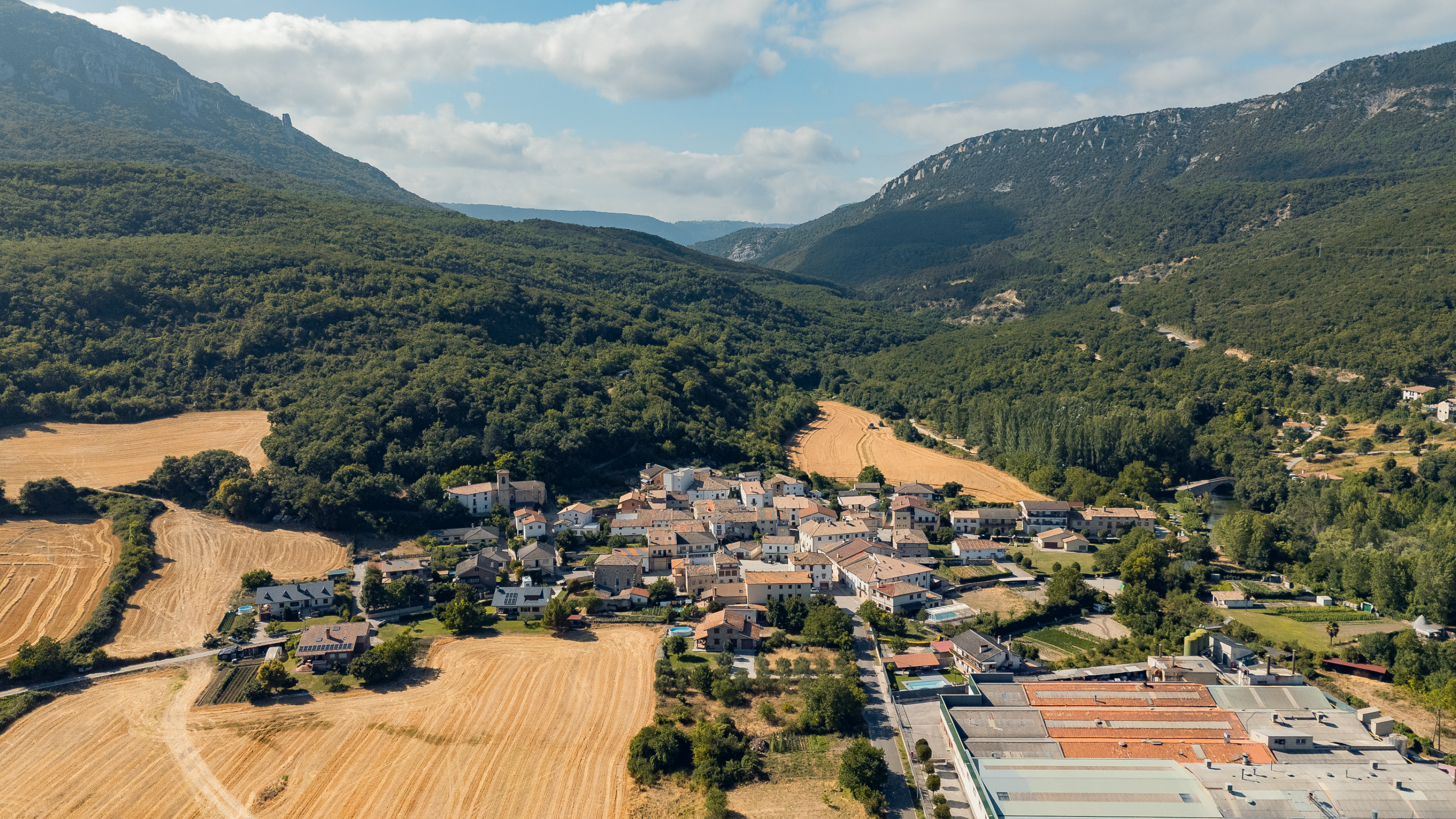
Una villa entre agua, senderos y rincones tranquilos del valle de Allín.
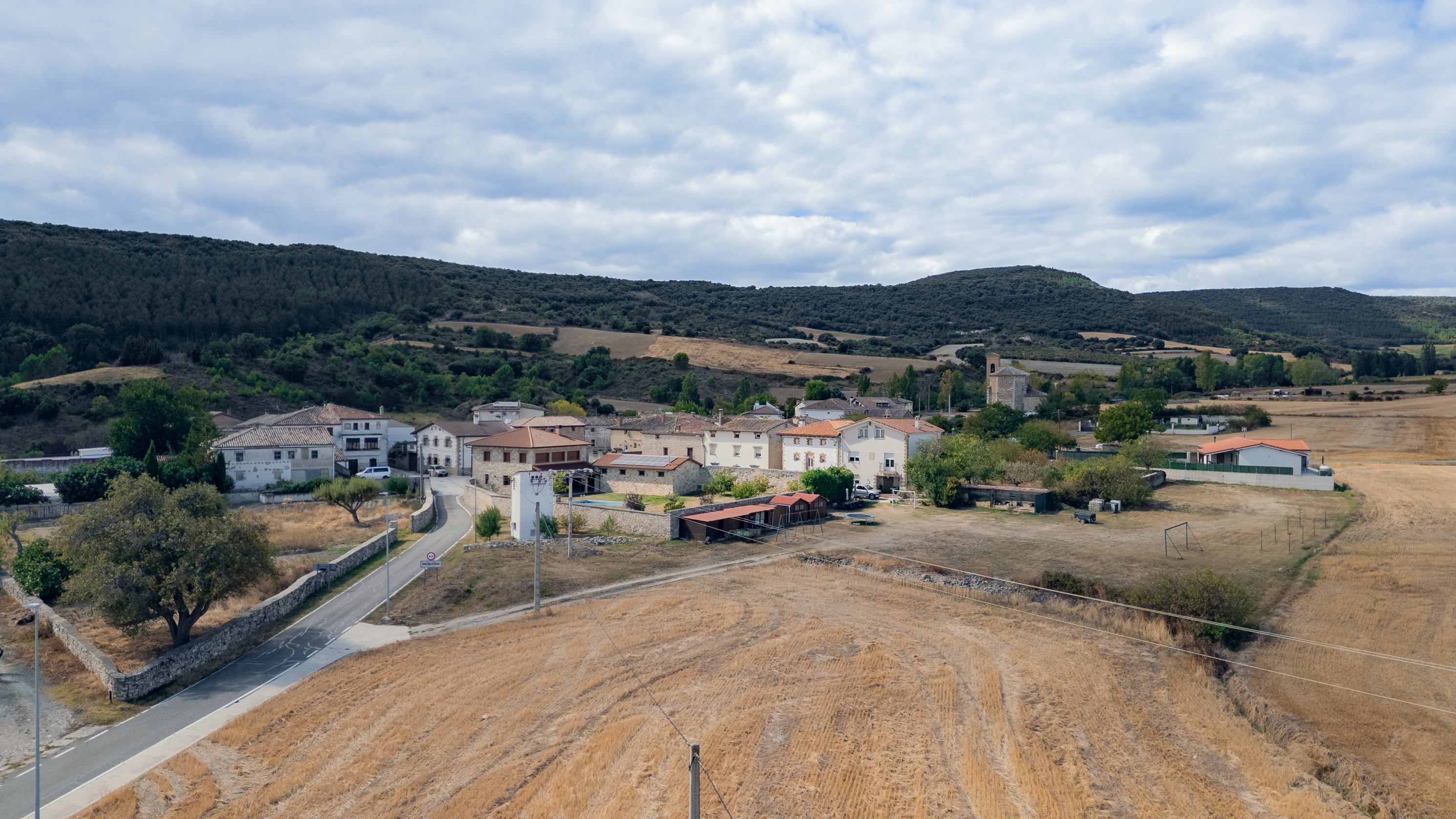
Una villa donde el paisaje de Lóquiz y la cultura de la trufa definen una identidad única.
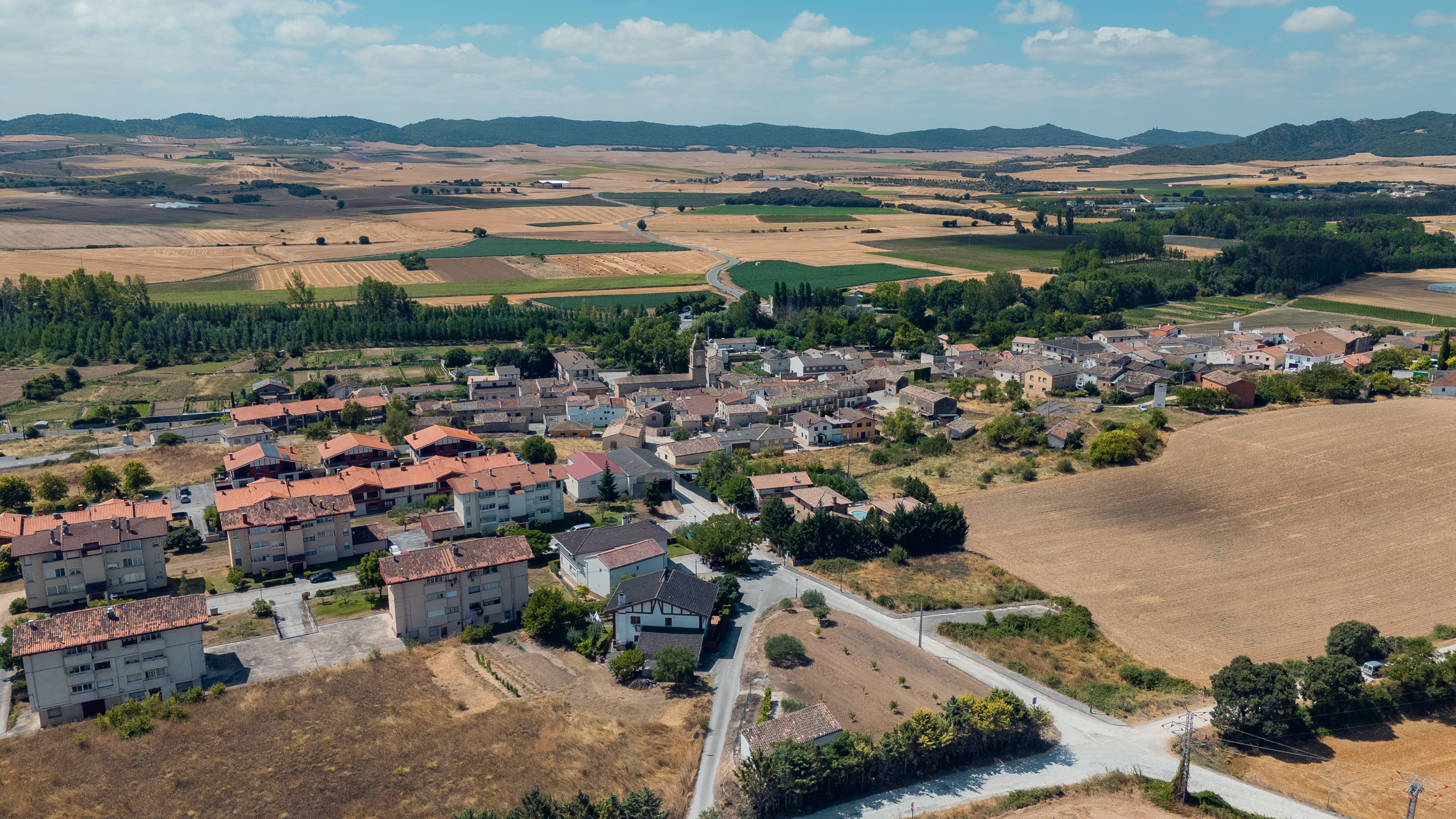
Una villa de paseos, paisaje y memoria ferroviaria entre el río Ega y la Sierra de Lóquiz.
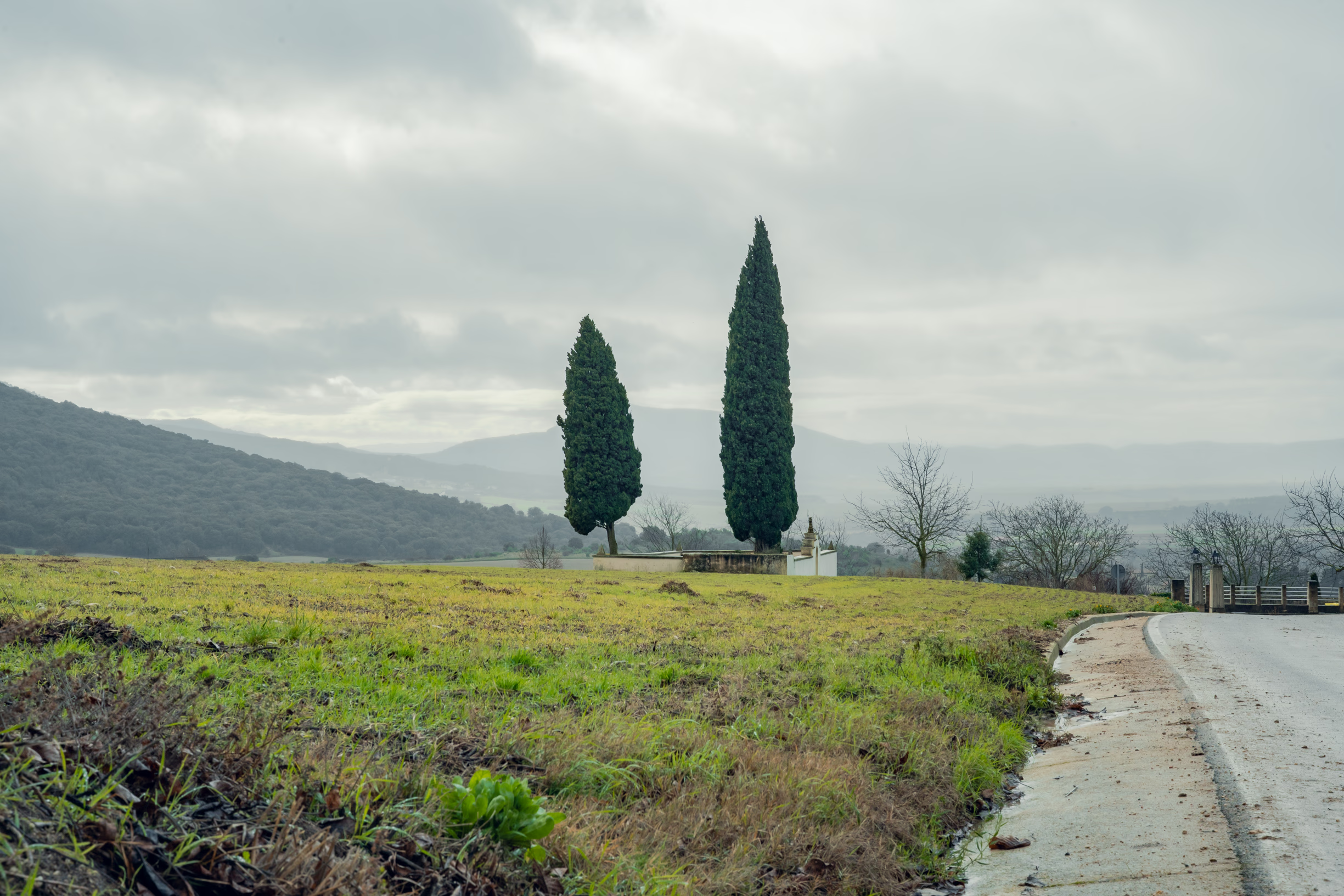
Una villa entre peñas calizas y caminos que conectan con el corazón del valle.