A Small Village with a Rich History
Although today it is one of the most unassuming villages in the Guesálaz Valley, Viguria still bears traces of a significant past linked to noble lineages, ancient roads, and historic buildings.

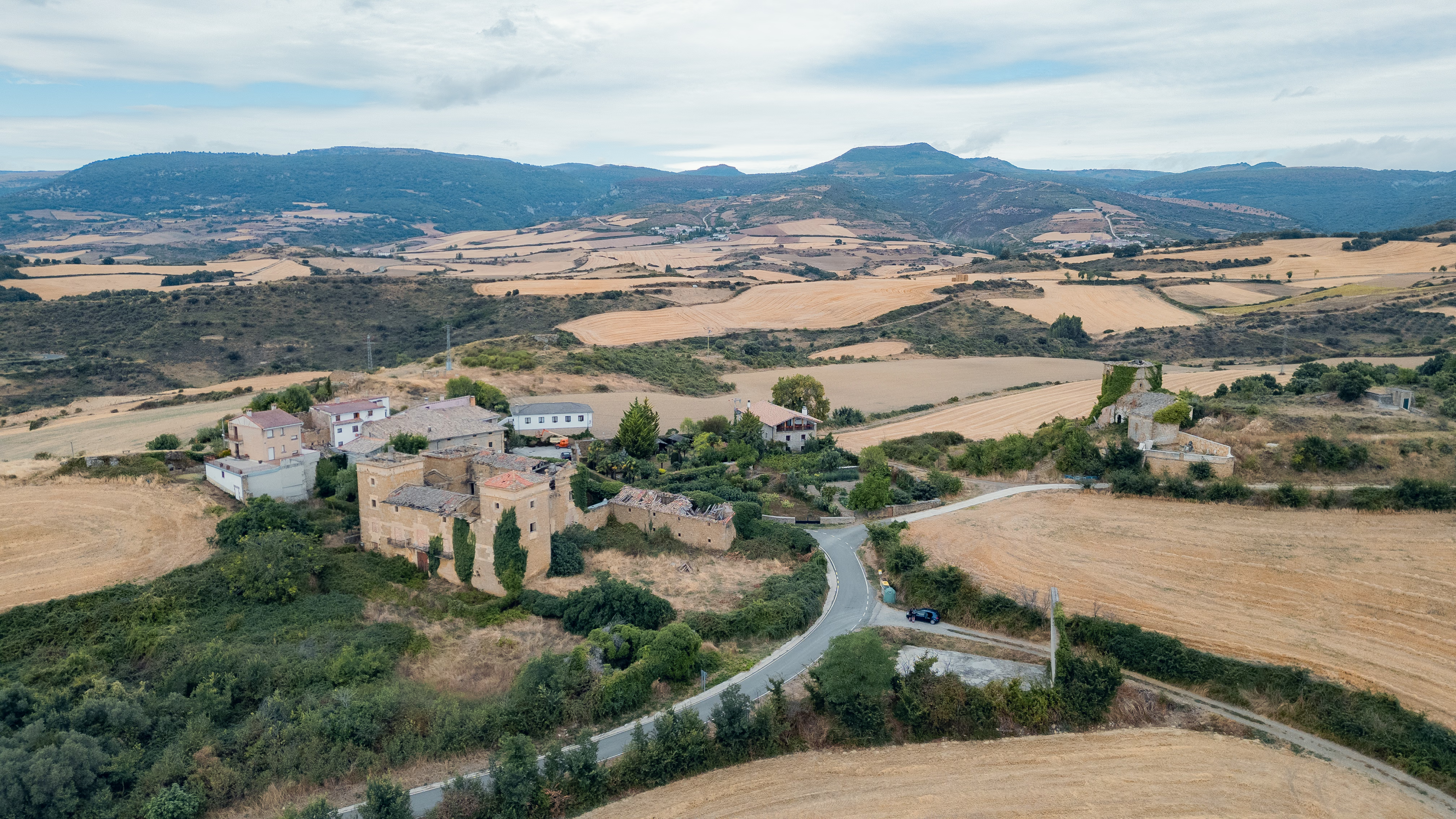
A small town of noble families on the banks of the Salado River.
Although today it is one of the most unassuming villages in the Guesálaz Valley, Viguria still bears traces of a significant past linked to noble lineages, ancient roads, and historic buildings.
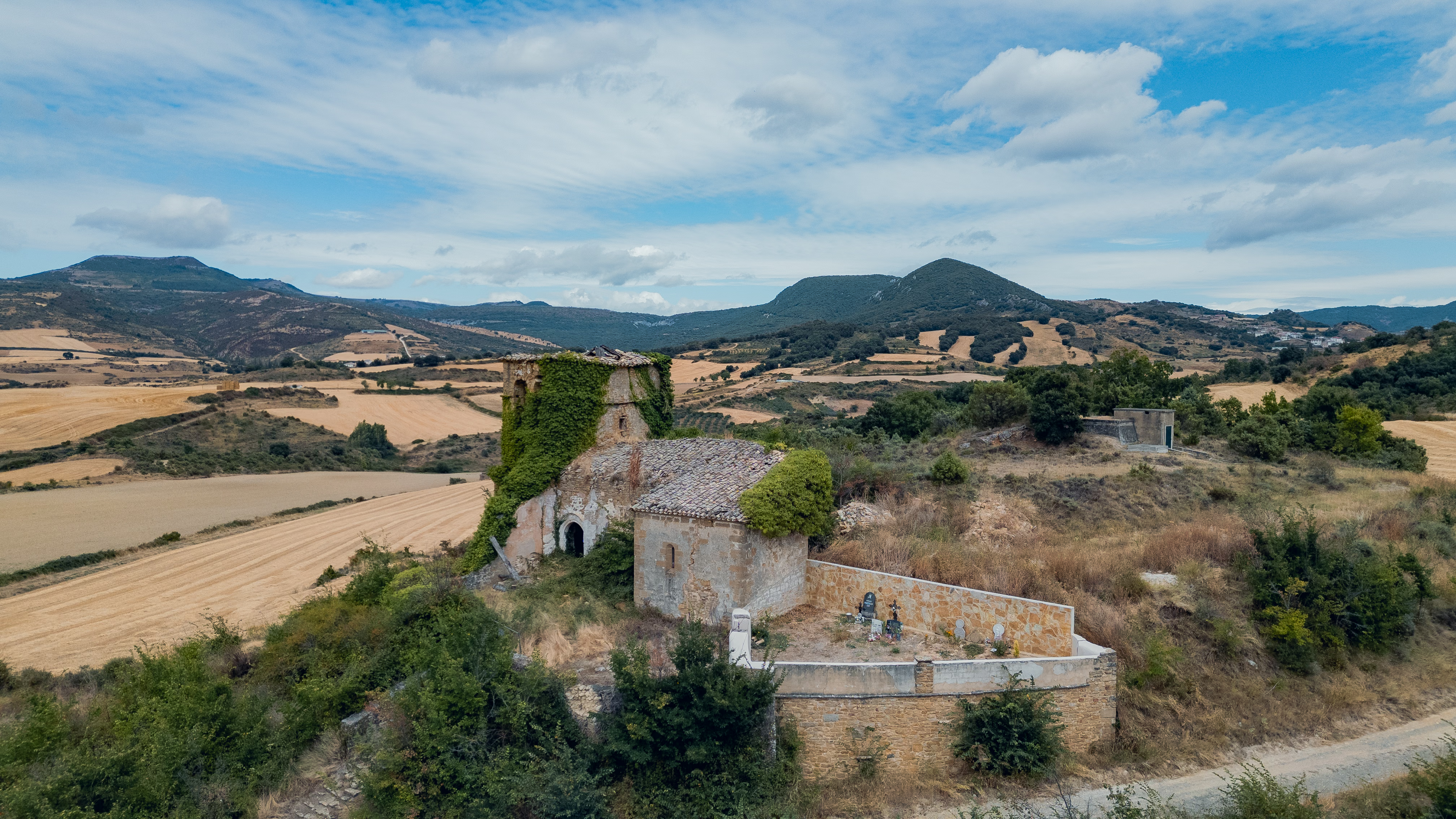
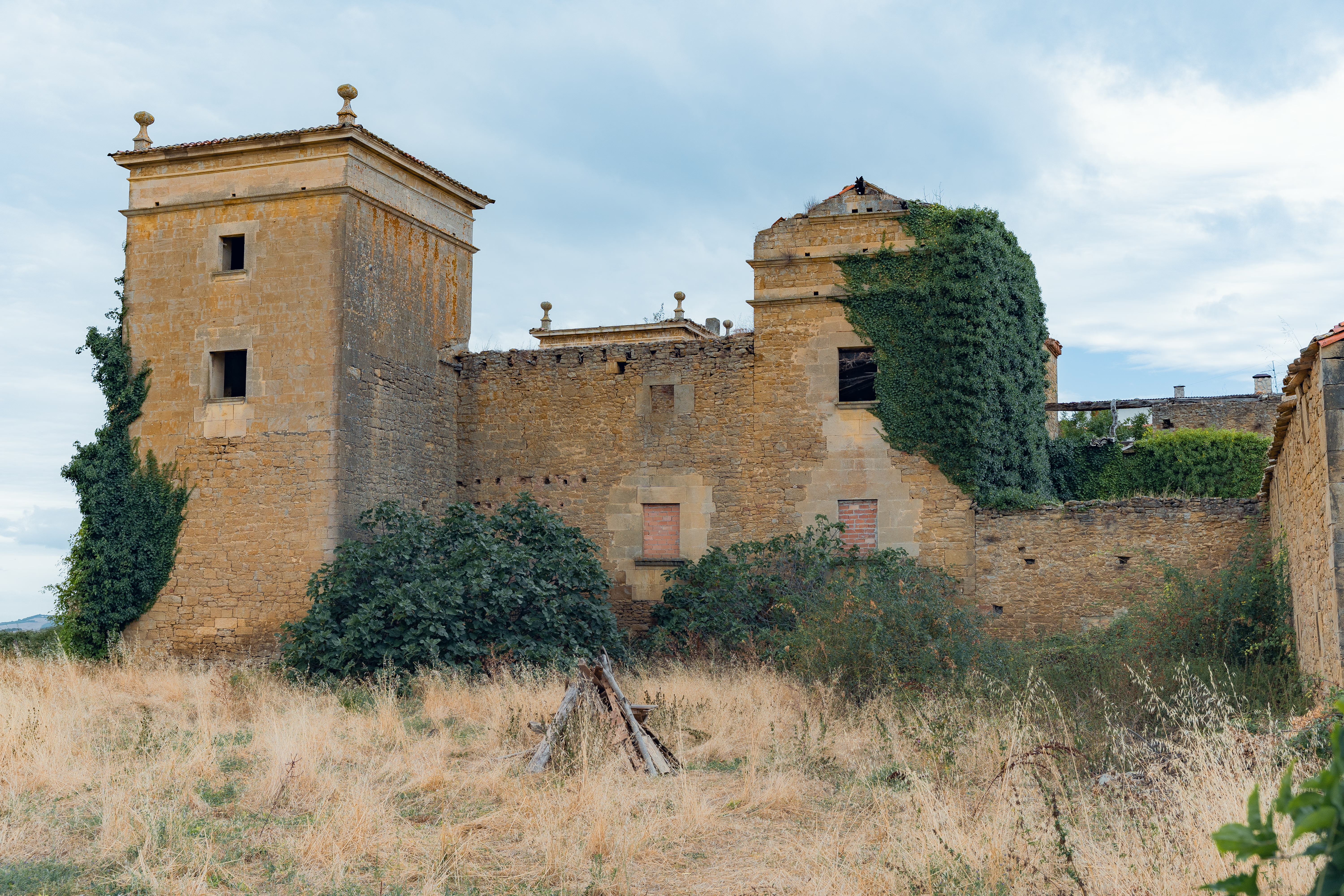
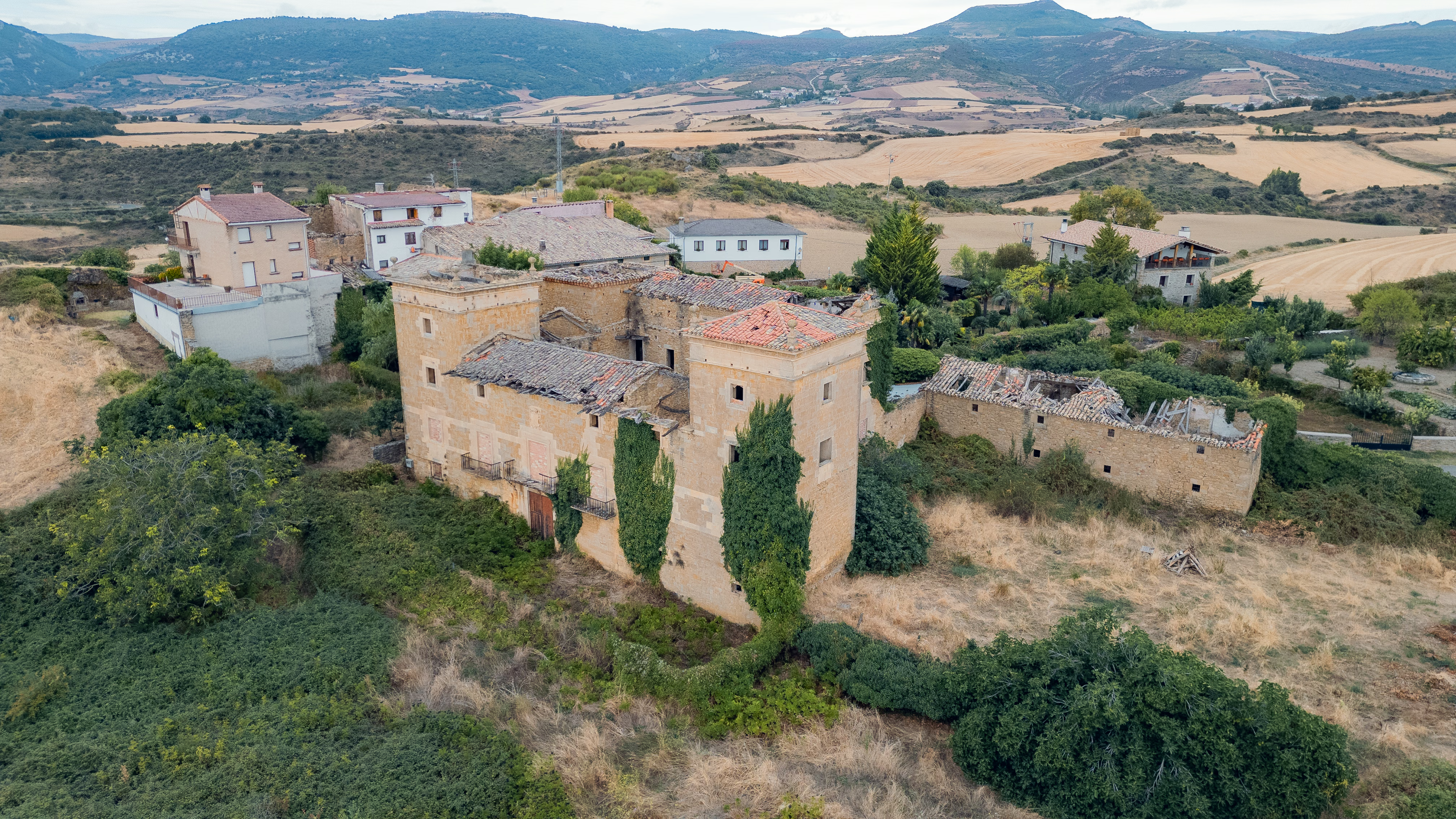
The ruins of the Marquis of Montehermoso’s palace, the Church of Santa María, and the traditional 18th- and 19th-century homes form a serene ensemble steeped in history.
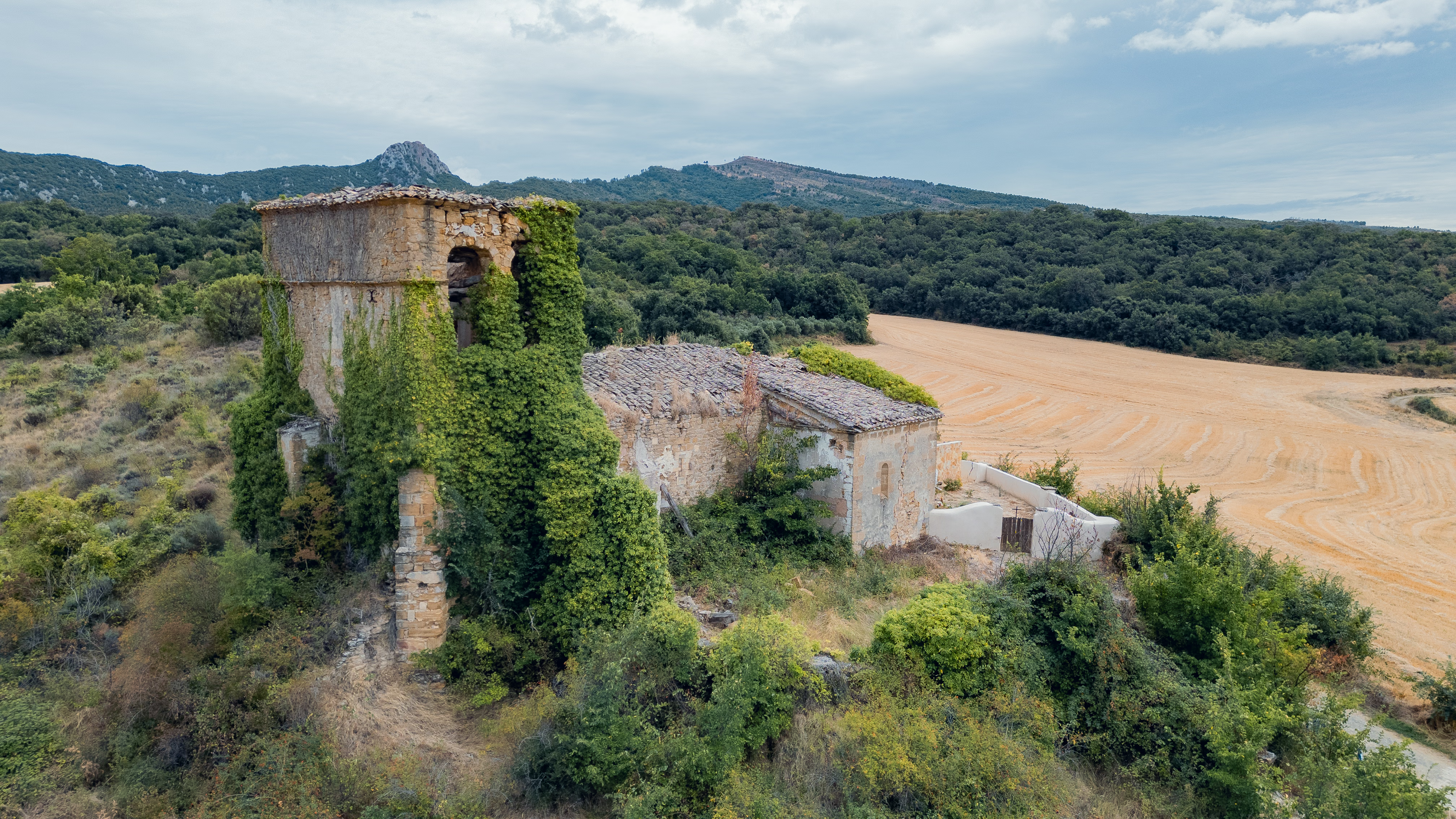
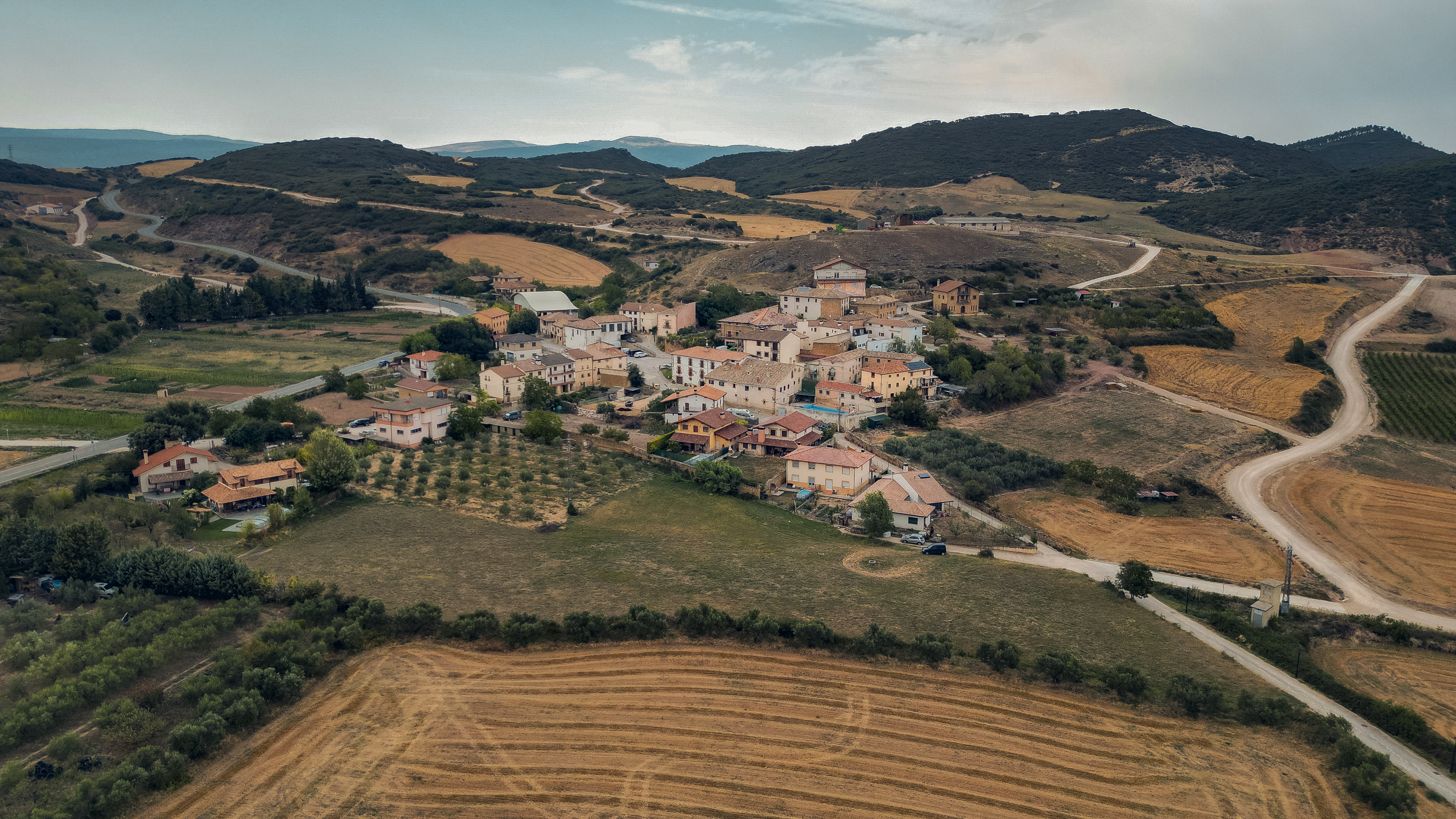
Farmland, small oak groves, and quiet paths make up a landscape that’s perfect for leisurely walks and discovering another way to experience the valley.
Viguria can be visited year-round. Spring and fall are ideal for enjoying the agricultural landscape and taking walks in the surrounding area. Summer is a great time to explore the town at a leisurely pace, while in early October, the Virgen del Rosario festivities create a particularly warm and community-oriented atmosphere.
At the foot of the Sierra de Andía and alongside the Salado River, Viguria stands out as one of the most unassuming yet historically rich villages in the Guesálaz Valley. Its current small size contrasts with the importance it held for centuries, still visible in its buildings and in the memory of a region shaped by noble lineages and ancient roads.
The town center retains a serene atmosphere, featuring elements typical of the valley’s rural architecture: whitewashed facades, ironwork, arches with protruding voussoirs, and 18th- and 19th-century buildings that speak to a past closely tied to the land and community life.
Among its most notable features are the ruins of the palace of the Marquis of Montehermoso, also known as Jauregizarra, one of the valley’s most significant examples of a “cabo de armería” palace. Adding to this heritage is the parish church of Santa María, of medieval origin, which preserves Romanesque, Gothic, and Baroque elements, as well as an interesting Rococo altarpiece and a Renaissance transept that blends art, devotion, and local heraldry.
The Salado River winds through the landscape of Viguria, reinforcing the tranquil character of the surroundings. Farmland, small hills dotted with oak trees, and local paths invite visitors to explore the area at a leisurely pace and to understand the historical relationship between the village and the valley.
The festivities in honor of the Virgin of the Rosary, held in early October, are one of the times when Viguria truly regains its social vitality, bringing together residents and those who keep alive the connection to this unique enclave of historic Navarre.
1 resultados
Mostrando 1-1 de 1 resultados
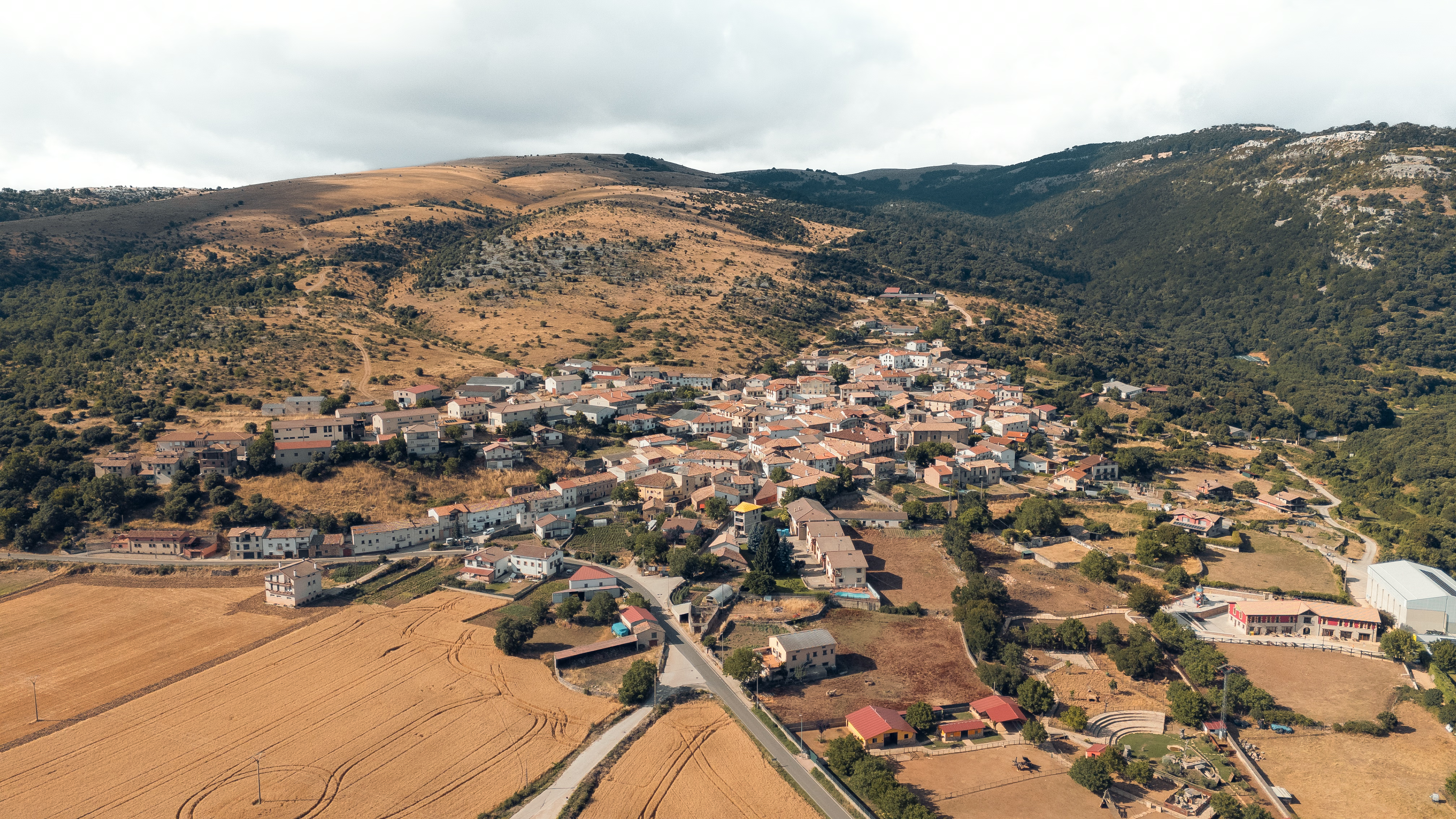
Una villa de montaña, paisajes kársticos y tradición ganadera.
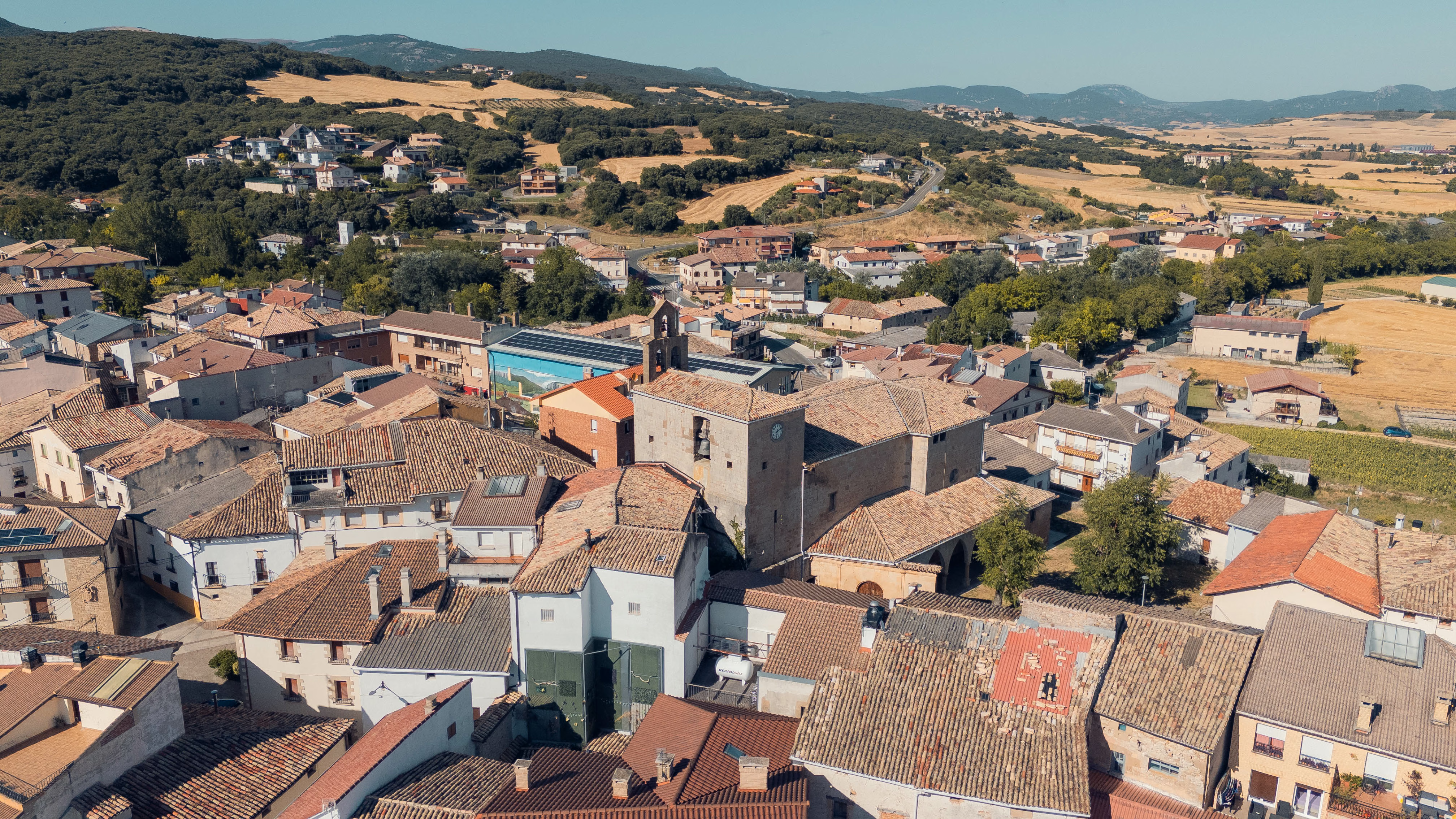
La puerta de entrada al valle de Irantzu, entre montañas y patrimonio monumental.
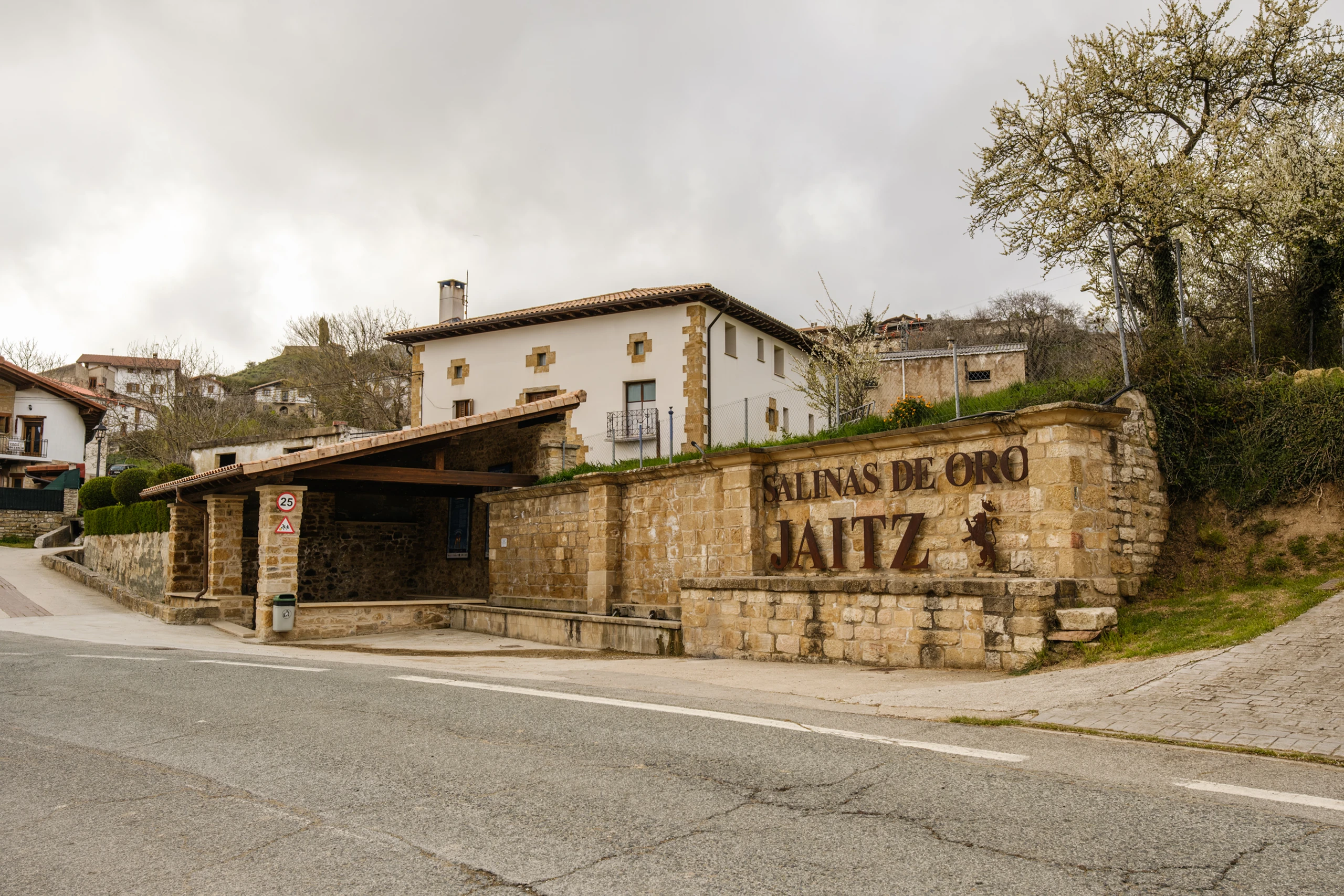
Una villa donde la sal ha dado forma al paisaje, a la historia y a la identidad.
La puerta de entrada al embalse de Alloz, donde la naturaleza invita a disfrutar y a desconectar.