
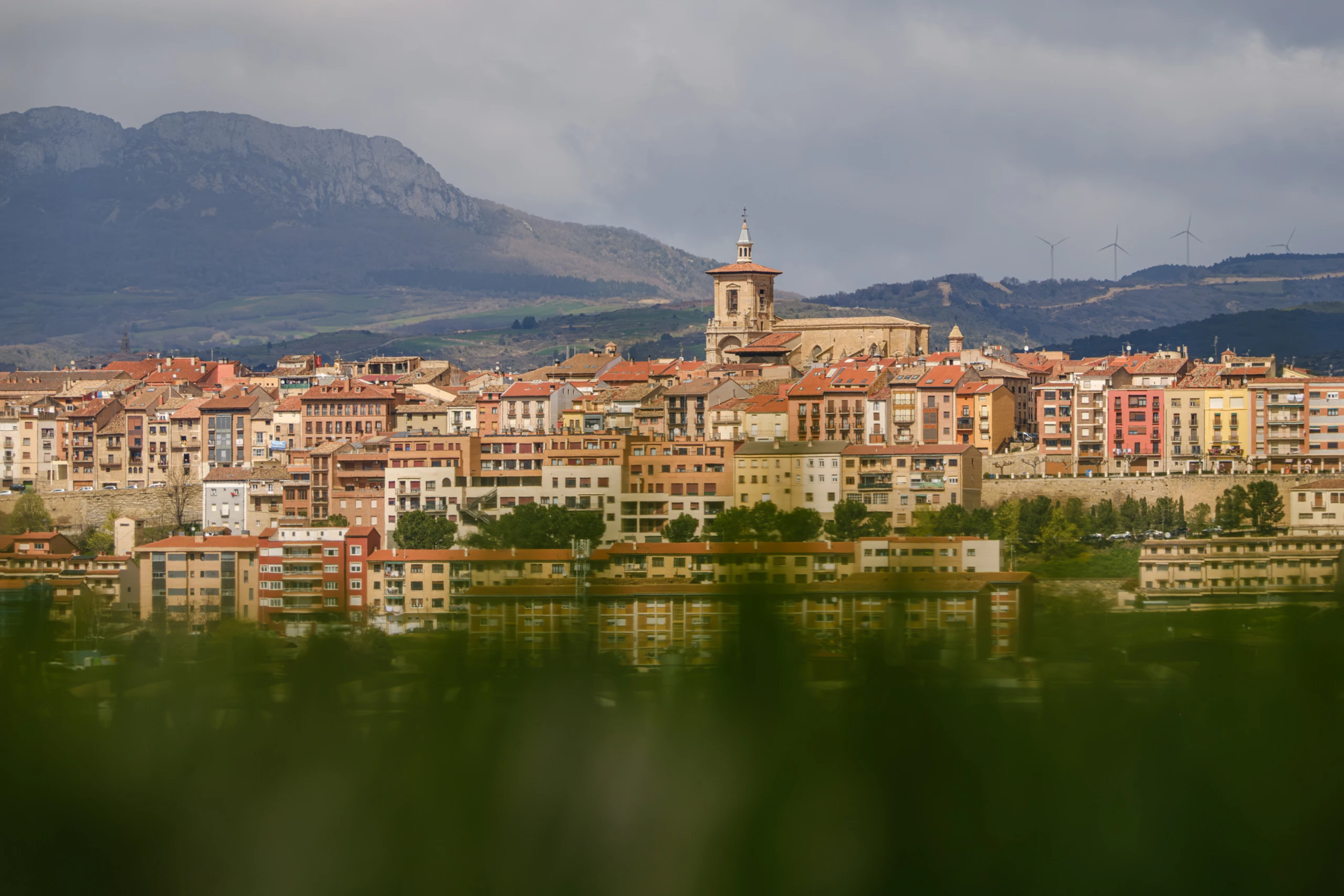
A city with centuries of history
Viana is one of the most unique historic sites in Tierra Estella and an iconic stop on the Camino de Santiago before entering La Rioja.

The last great walled town on the Camino de Santiago in Navarre, blending history, architectural heritage, and medieval charm.
Viana is one of the most unique historic sites in Tierra Estella and an iconic stop on the Camino de Santiago before entering La Rioja.
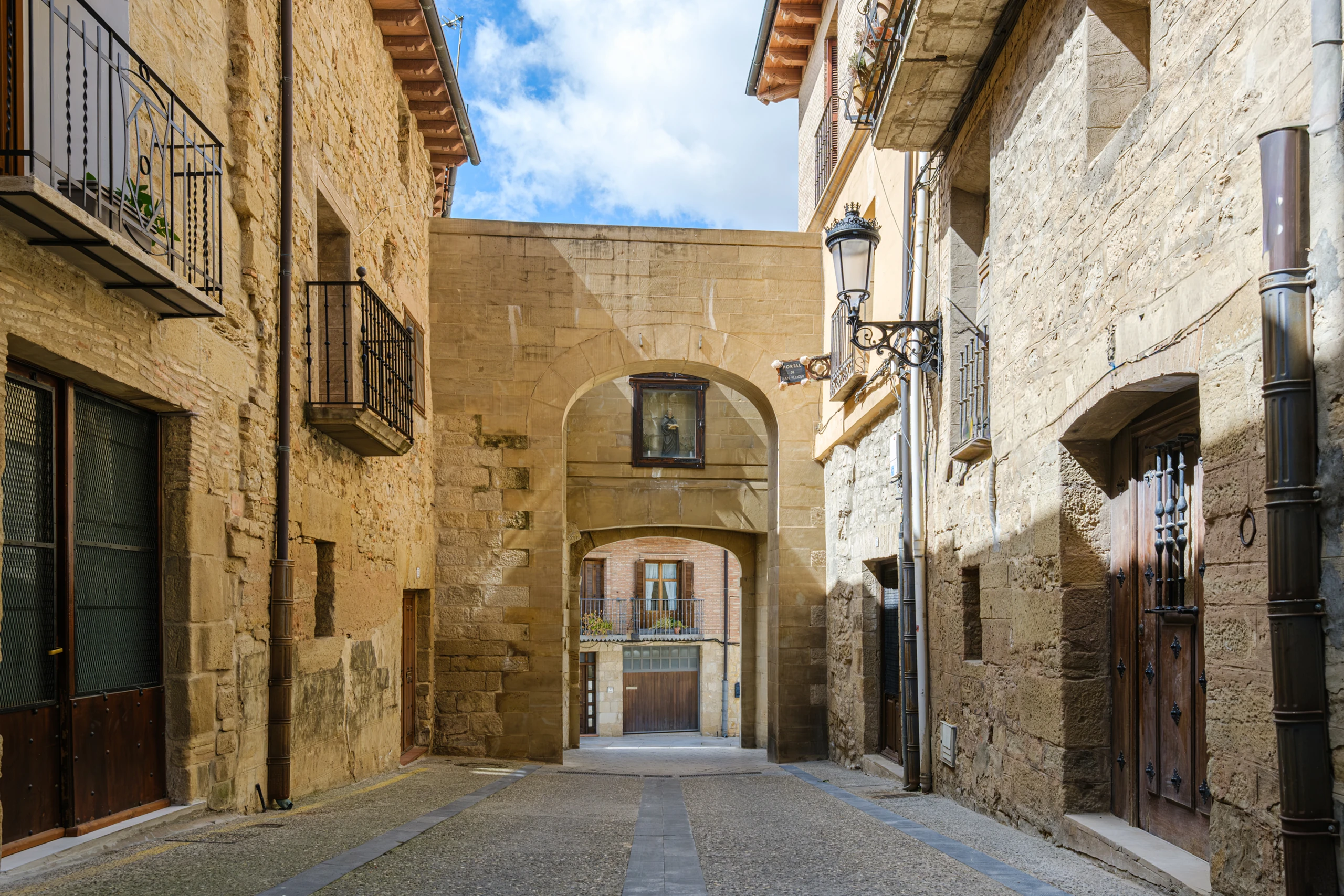
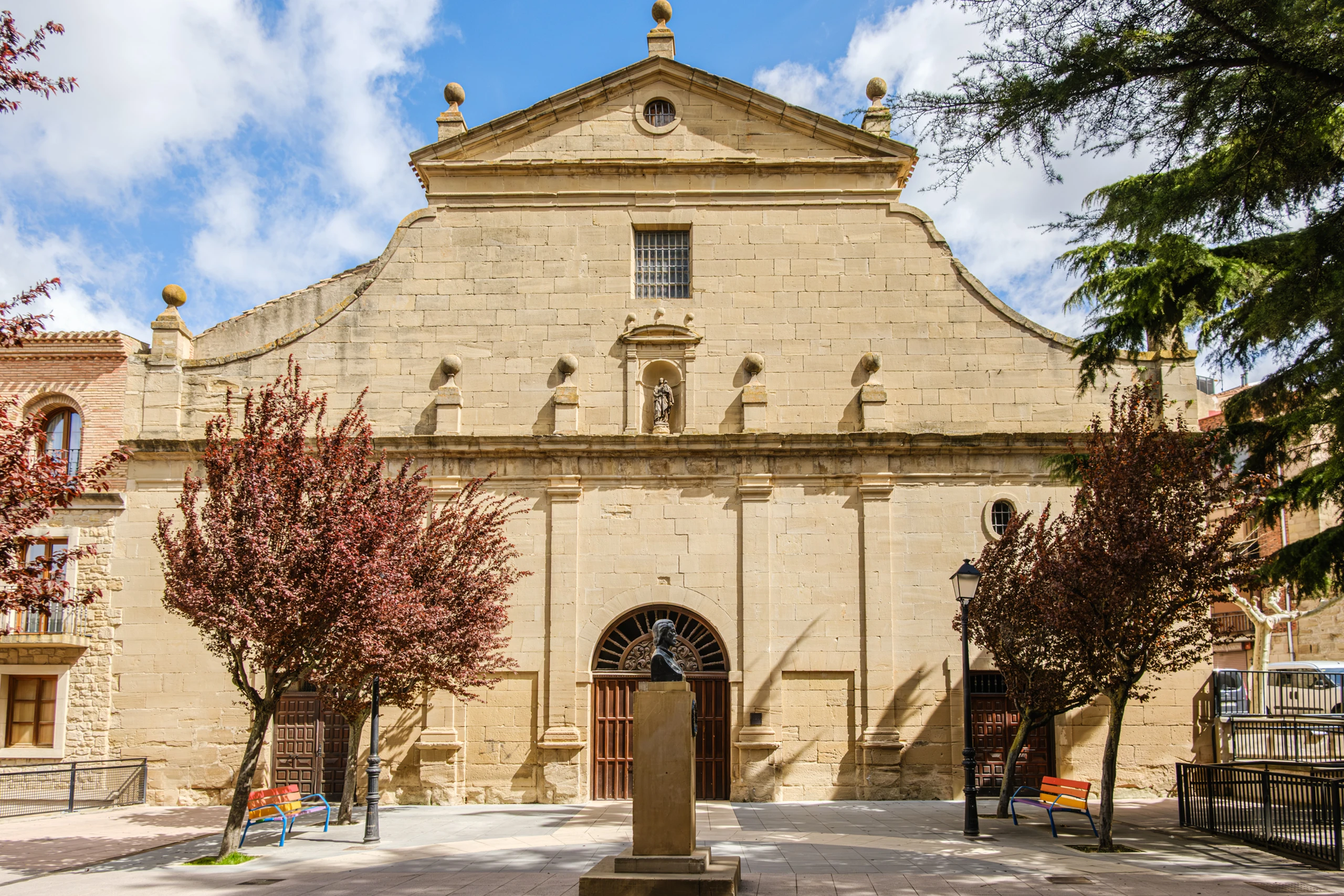
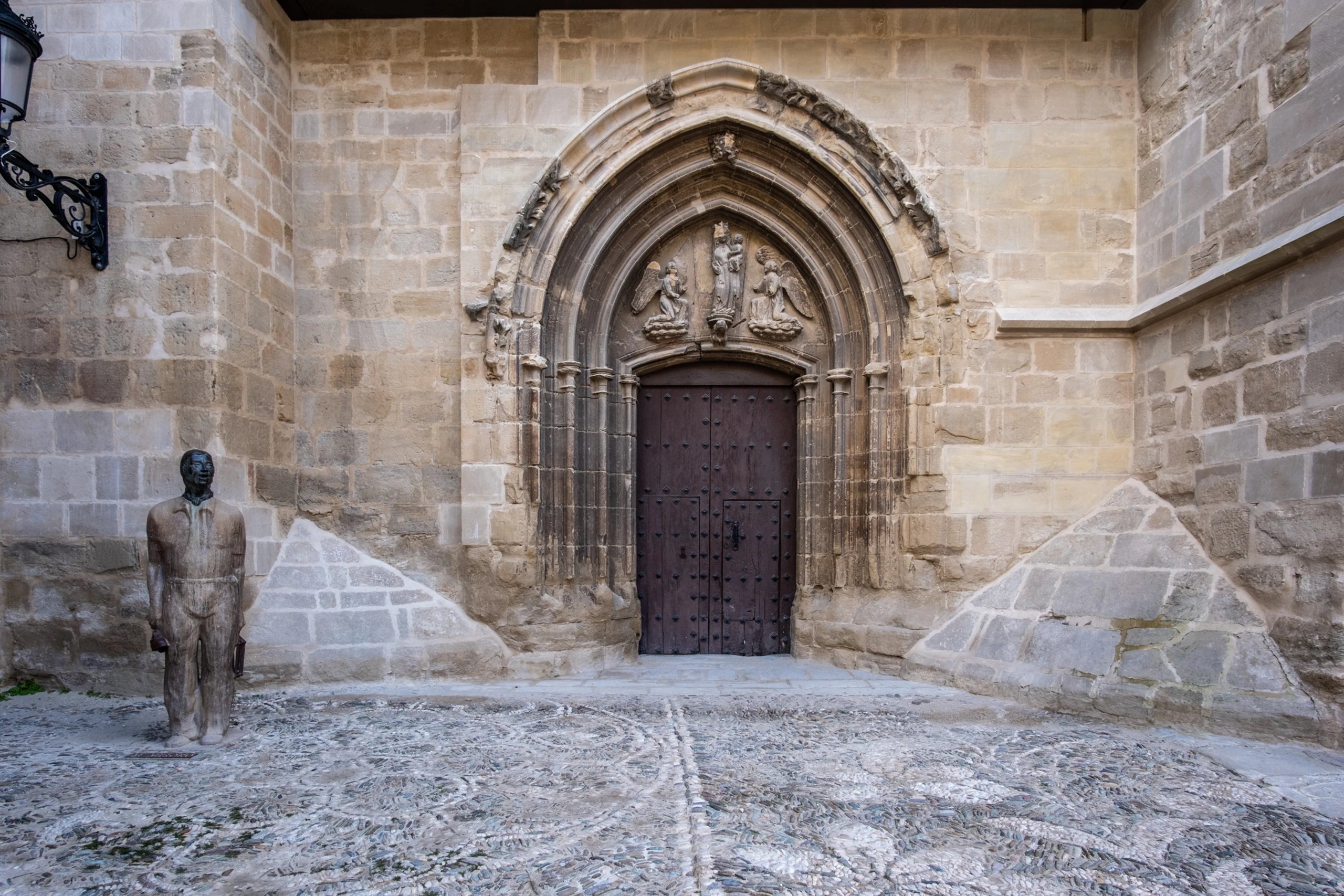
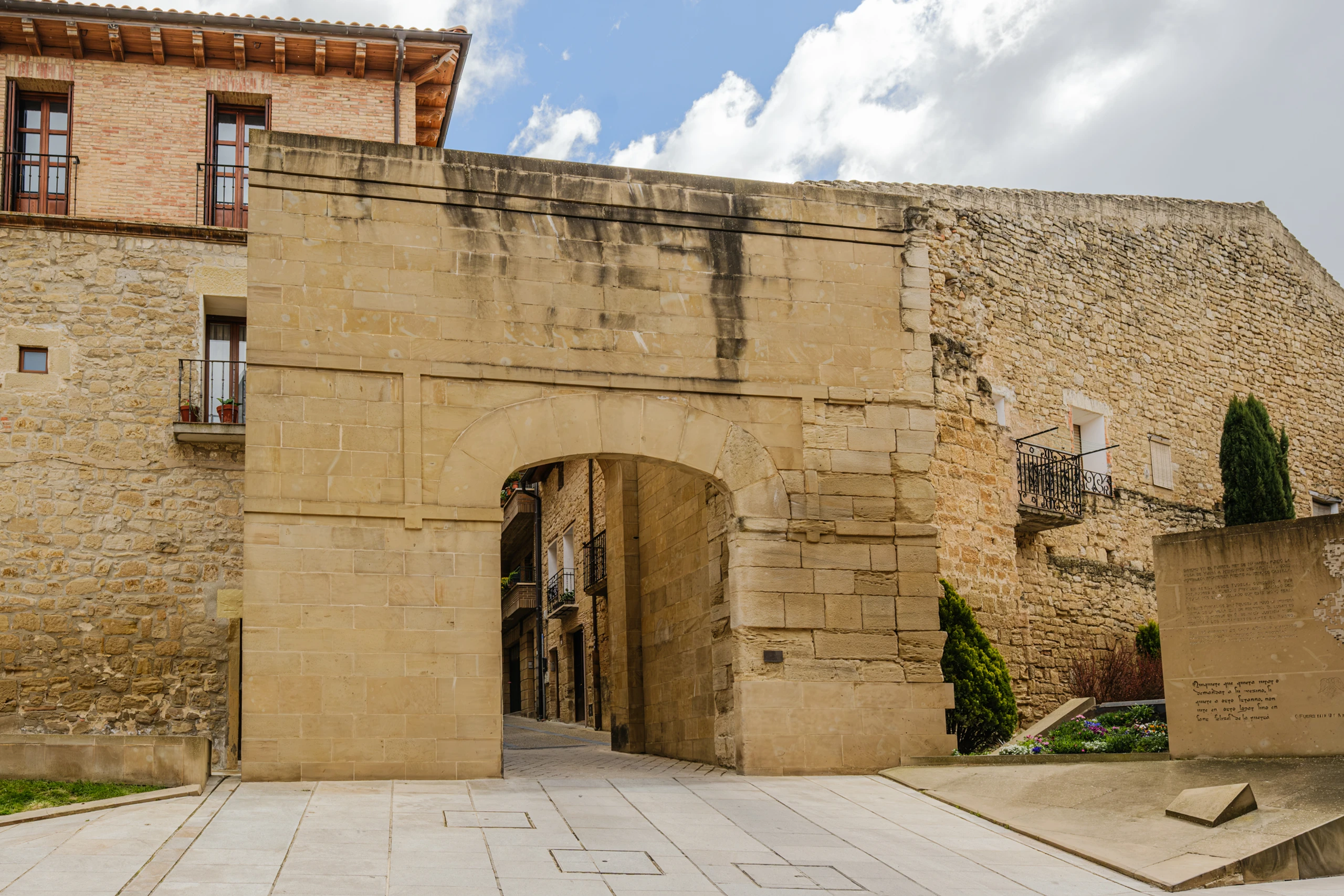
Designated a Historic-Artistic Site in 1992, its old town is one of the best-preserved in Tierra Estella. Straight streets, city walls, Baroque palaces, castles, churches, and ancient underground wine cellars all speak to a city brimming with character.
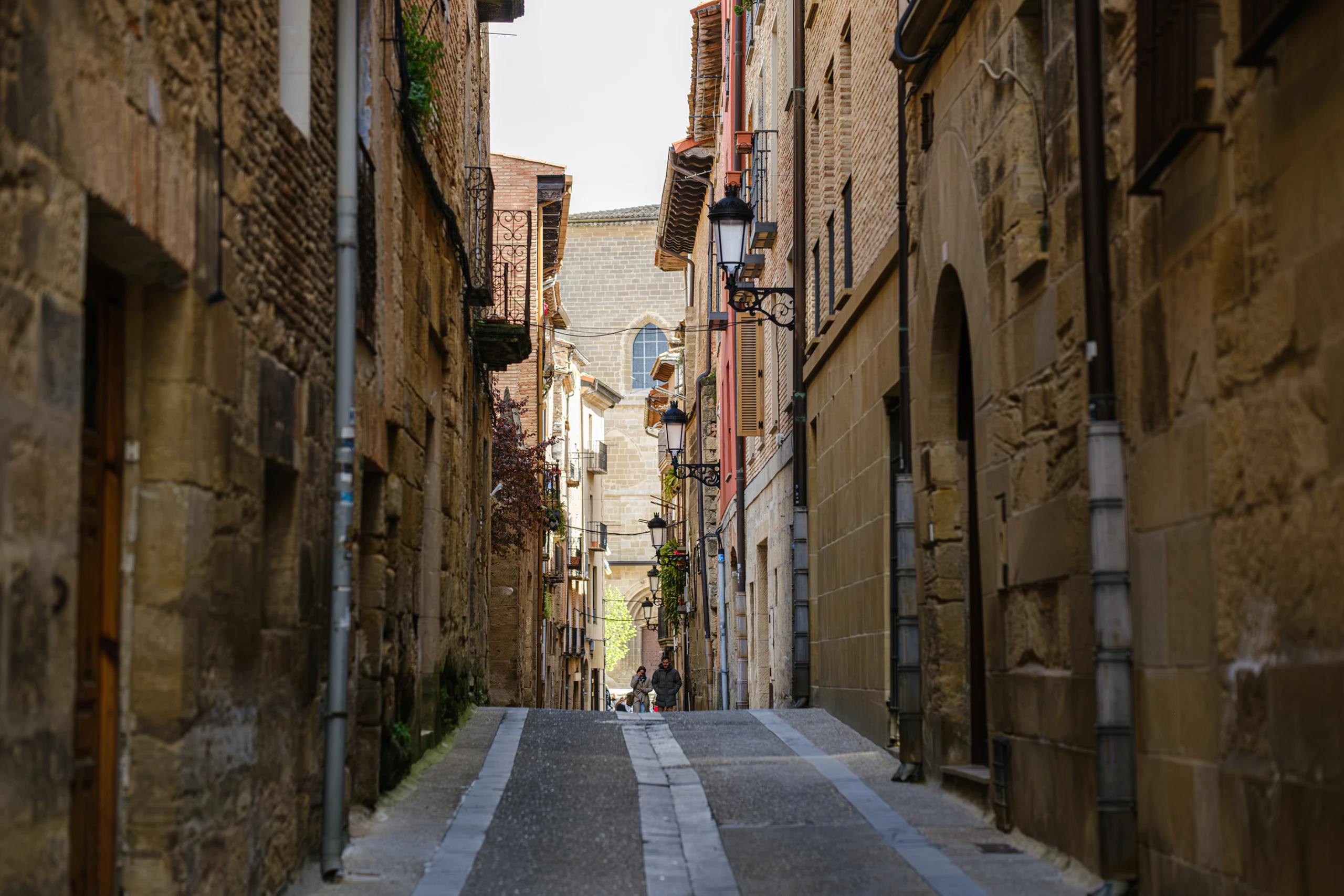
Its historic monuments, natural landscapes, festivals with their own unique character, and flavors tied to wine make Viana a city to explore at a leisurely pace and discover its many layers of history, culture, cuisine, and scenery.
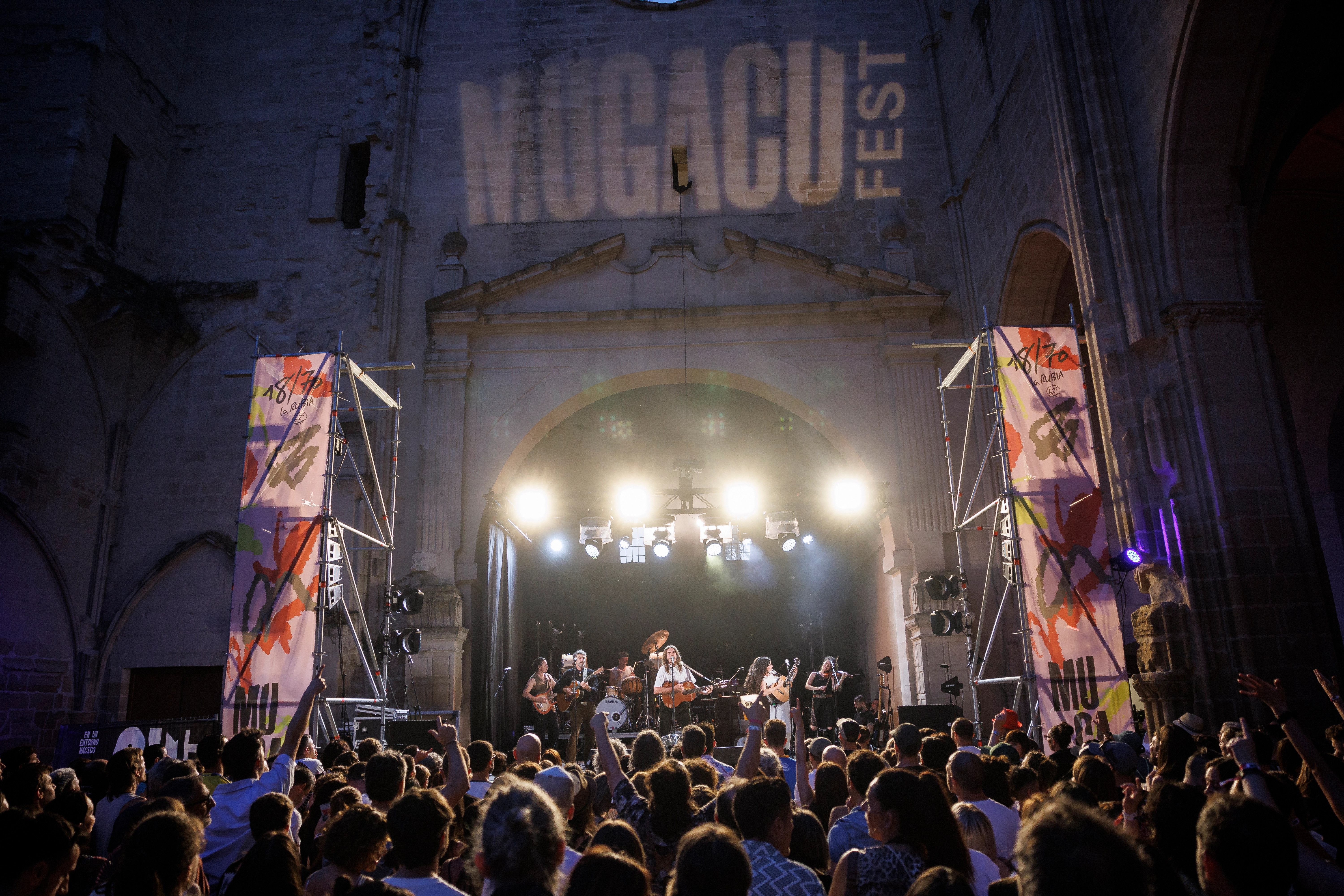
Viana can be visited year-round. Spring and fall offer pleasant temperatures for exploring the historic district and the surrounding natural landscape. In June, highlights include celebrations such as Wine and Heritage Day and MugacuFest, while fall is the perfect time to enjoy the local cuisine and the wine-related scenery.
Viana is a special city. Not only because of its history, but also because of the place it holds in the imagination of travelers and pilgrims: here, one takes the final steps through Navarre before entering La Rioja. A border town, a walled and fortified enclave, and a key point on the Camino de Santiago since the Middle Ages. Viana boasts a past that dates back long before its founding in 1219, with such significant vestiges as the Longar Hypogeum and the ancient Beronian city of Uarakos.
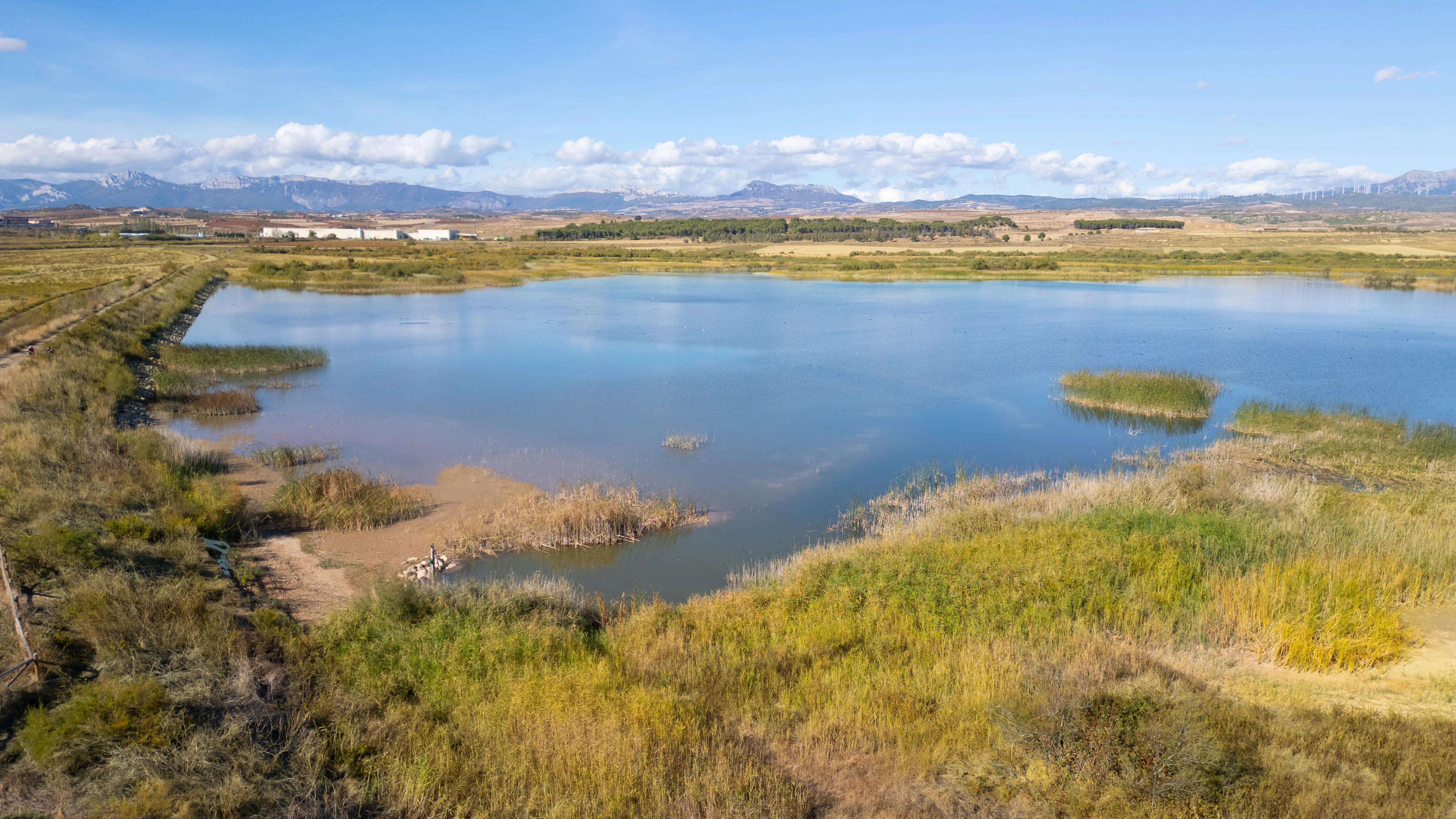
Its history is marked by unique episodes that connect it to European history. It was here that Cesare Borgia, a key figure of the Renaissance, died; his tomb lies at the foot of the Church of Santa María de la Asunción, one of the city’s great heritage landmarks. In addition to these documented events, there are folk tales and legends—such as the story of the witch who granted youth—that enrich the local imagination and add a symbolic dimension to the visit. Furthermore, its natural surroundings, featuring areas such as the Laguna de las Cañas Nature Reserve, round out the experience with landscapes of great ecological value.
Between the 16th and 18th centuries, Viana underwent significant urban development, reflected in the construction of palaces, stately homes, and Baroque buildings that still define the character of its historic center today. Ashlar facades, wrought-iron balconies, and heraldic coats of arms evoke the splendor of ancient lineages and the city’s growth. Beneath many of these homes, ancient cellars carved into the rock have been preserved—underground galleries linked to daily life and production that bear witness to Viana’s close historical ties to wine culture.
Its heritage, cuisine, traditions, and a vibrant festival calendar make Viana a place to linger, stroll at a leisurely pace, and discover a city with its own unique identity.
What will you find in the urban center of Viana?
Medieval Wall: A walled enclosure built of ashlar stone that protected the town center on all sides. This defensive system included a moat, barbicans, and several towers, generally square in plan, except for the one known as the Tambor Tower, which is circular. Originally, it had four entrance gates, which were later expanded to include two more during the Baroque period.
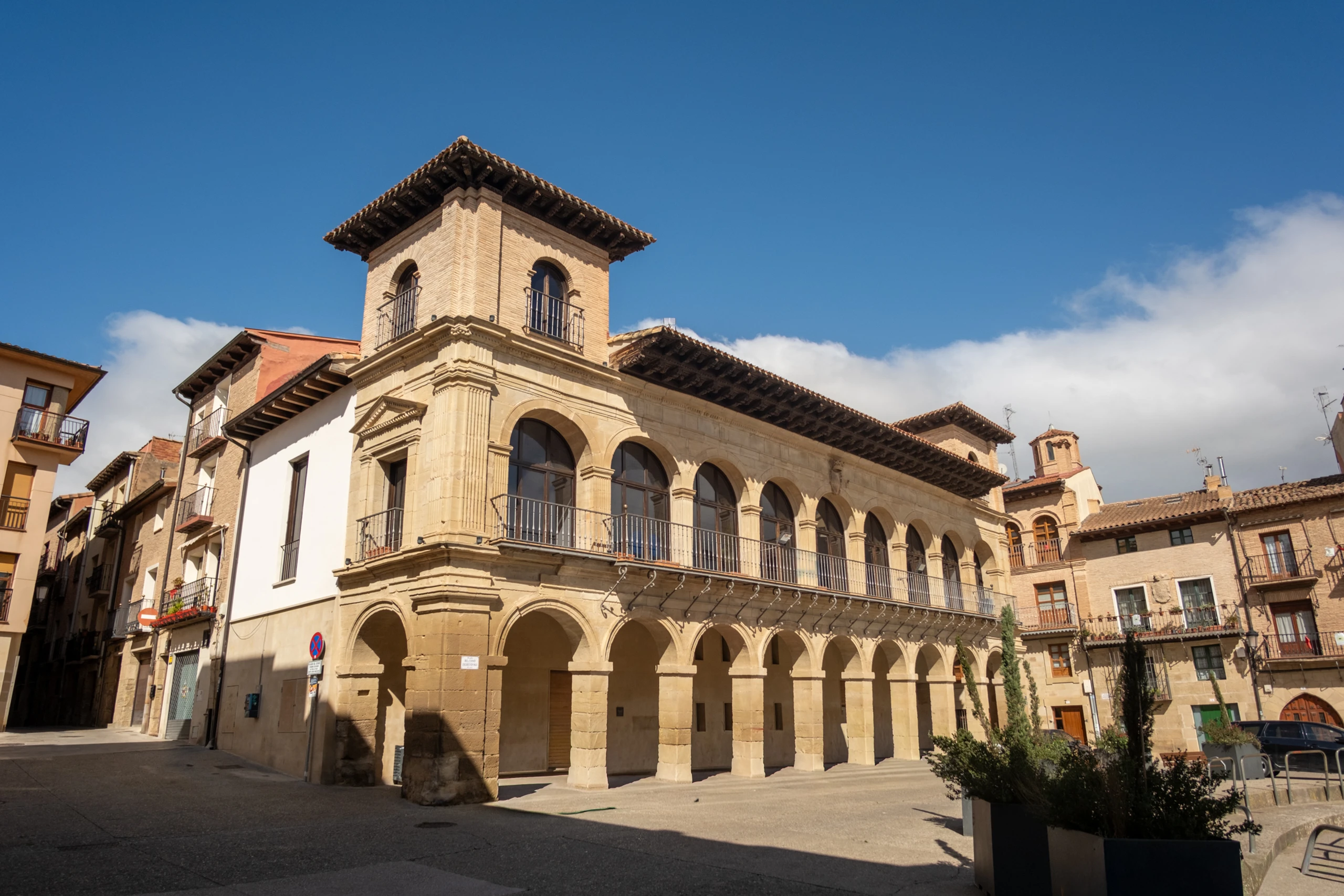
Town Hall (17th century): A Baroque stone building located in the Plaza de los Fueros. Its façade is notable for its seven rectangular openings and a porticoed gallery formed by semicircular arches, crowned by the coat of arms of the Spanish monarchy. It is recognized as a Historic Heritage Site of Navarre.
Cereceda Palace / El Palacio (17th century): A stately residence combining ashlar and brick construction. Its façade features a coat of arms bearing the crests of the Cereceda, Dicastillo, and Torres families. Local tradition holds that César Borgia stayed in this building. It is located at 16 Tidón Street.
Múzquiz-Aldunate House (18th century): A late Baroque building constructed of ashlar and brick, recognizable by its elaborate ironwork and Rococo-style coat of arms. Inside, there is a remarkable three-story staircase topped by a dome. It is located at 2 Navarro Villoslada Street.
Pérez de Lanciego and Eguílaz Estate (18th century): A building of remarkable architectural presence displaying the archiepiscopal coat of arms of Fray José Pérez de Lanciego. At various times, it belonged to the Pilgrims’ Hospital and later to the Marquises of Armendáriz. It is located at 19 Navarro Villoslada Street.
Municipal Bullfighting Balcony (17th century): A stone-masonry structure located in Plaza del Coso, designed as a prime vantage point for watching bullfighting events. Its façade features nine aligned semicircular arches that form an elegant gallery.
Ripa House (18th century): A three-story building structured with Tuscan pilasters and continuous wrought-iron balconies. The Ripa family was associated with the town’s Pilgrims’ Hospital. It is located at 30 Primo de Rivera Street.
Casa de los San Cristóbal (17th century): It features ancient medieval cellars dating from the 13th century, spread over two underground levels. The building has a semicircular doorway and an interior staircase crowned by a dome with a lantern. It is located at 3 Primo de Rivera Street.
Ichaso House (18th century): A residence with wrought-iron railings on the balconies, decorated with radial motifs reminiscent of suns, as well as a late Rococo coat of arms. It is located at 8 Rúa de Santa María.
Urra-Lezáun Palace (late 17th century): One of the most notable stately mansions in Viana. Its ashlar facade, with a highly monumental presence, features fluted pilasters and an elaborate Baroque coat of arms. It is located at 6 San Miguel Street.
Zuazu House (18th century): A building that combines a stone lower section with an upper story constructed of brick. It stands out for its ornate Baroque ironwork and a gallery of small double arches situated beneath the wooden eaves. It is located at 28 San Miguel Street.
19 resultados
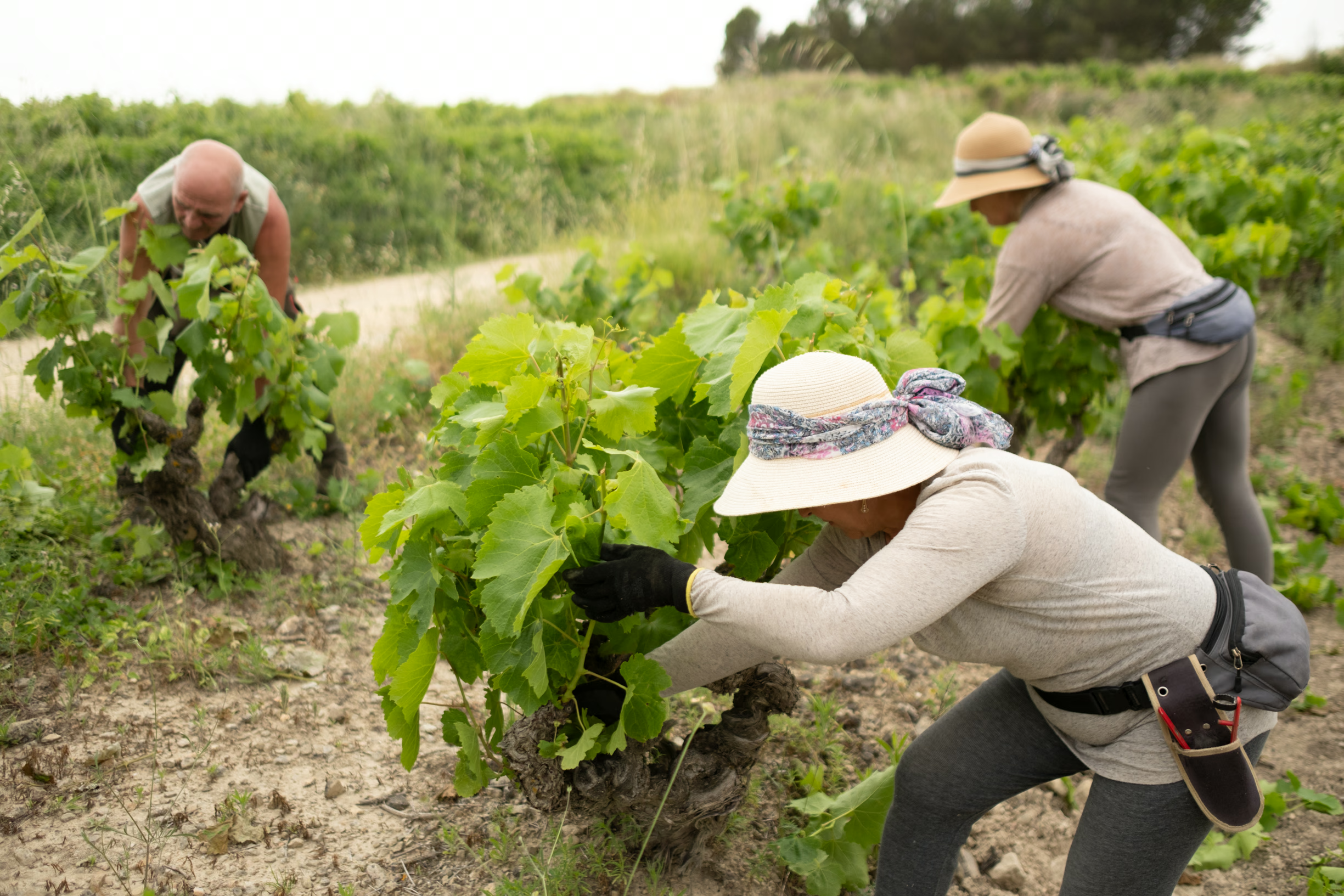
Viana
Circular · 21,7 km · 2h 00m
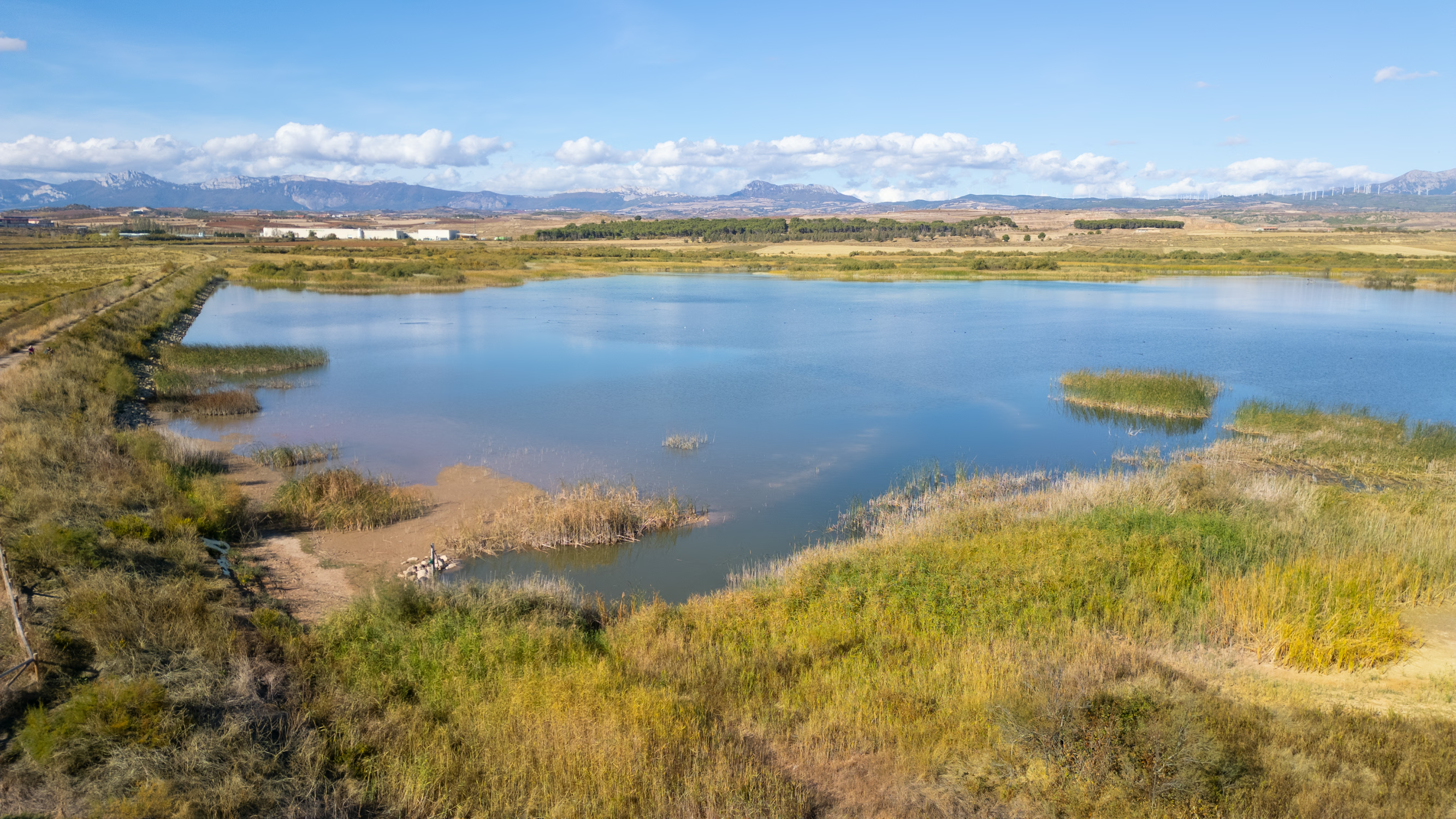
Viana
Circular · 32,3 km · 2 h 30 min
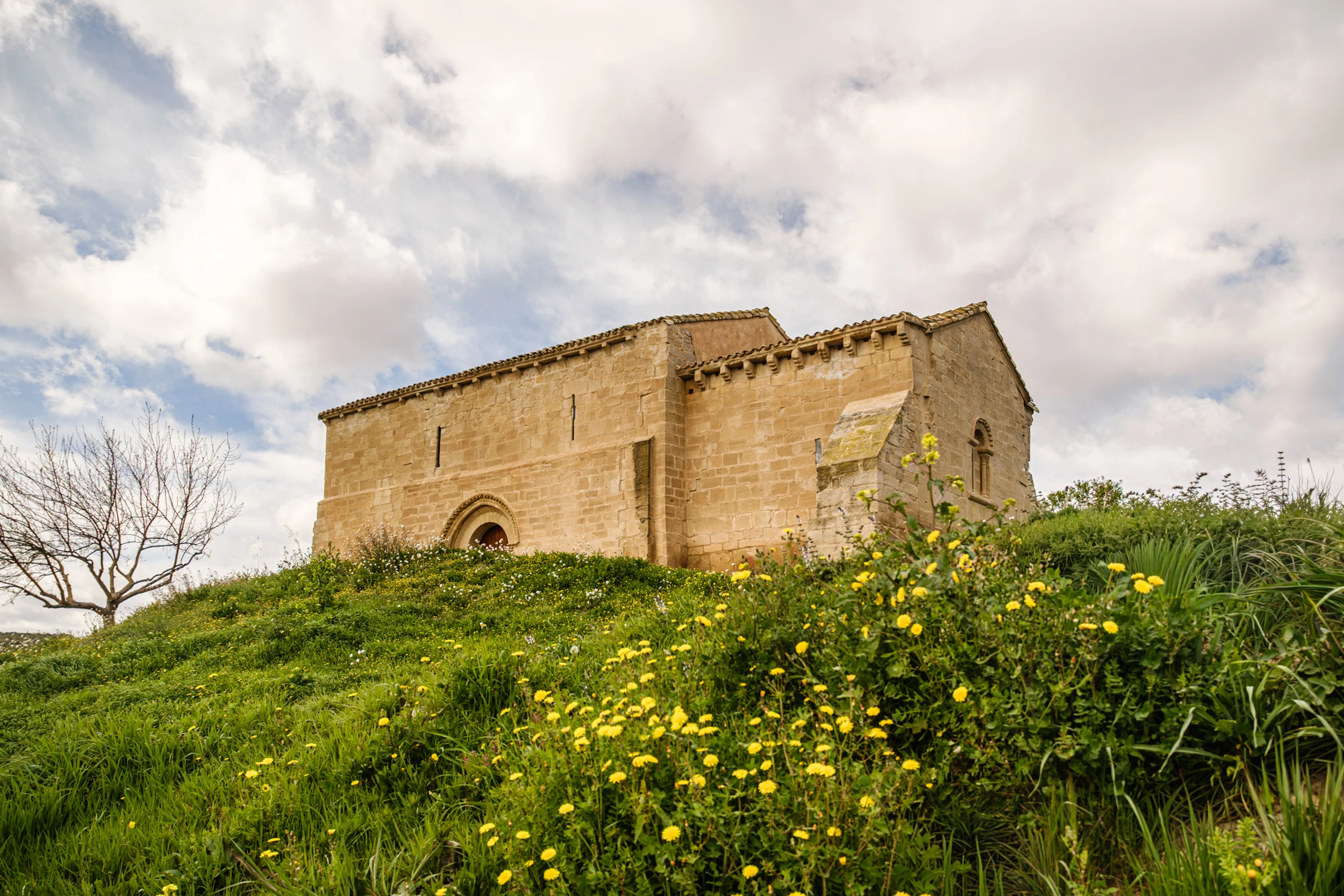
Viana
Patrimonio y monumentos
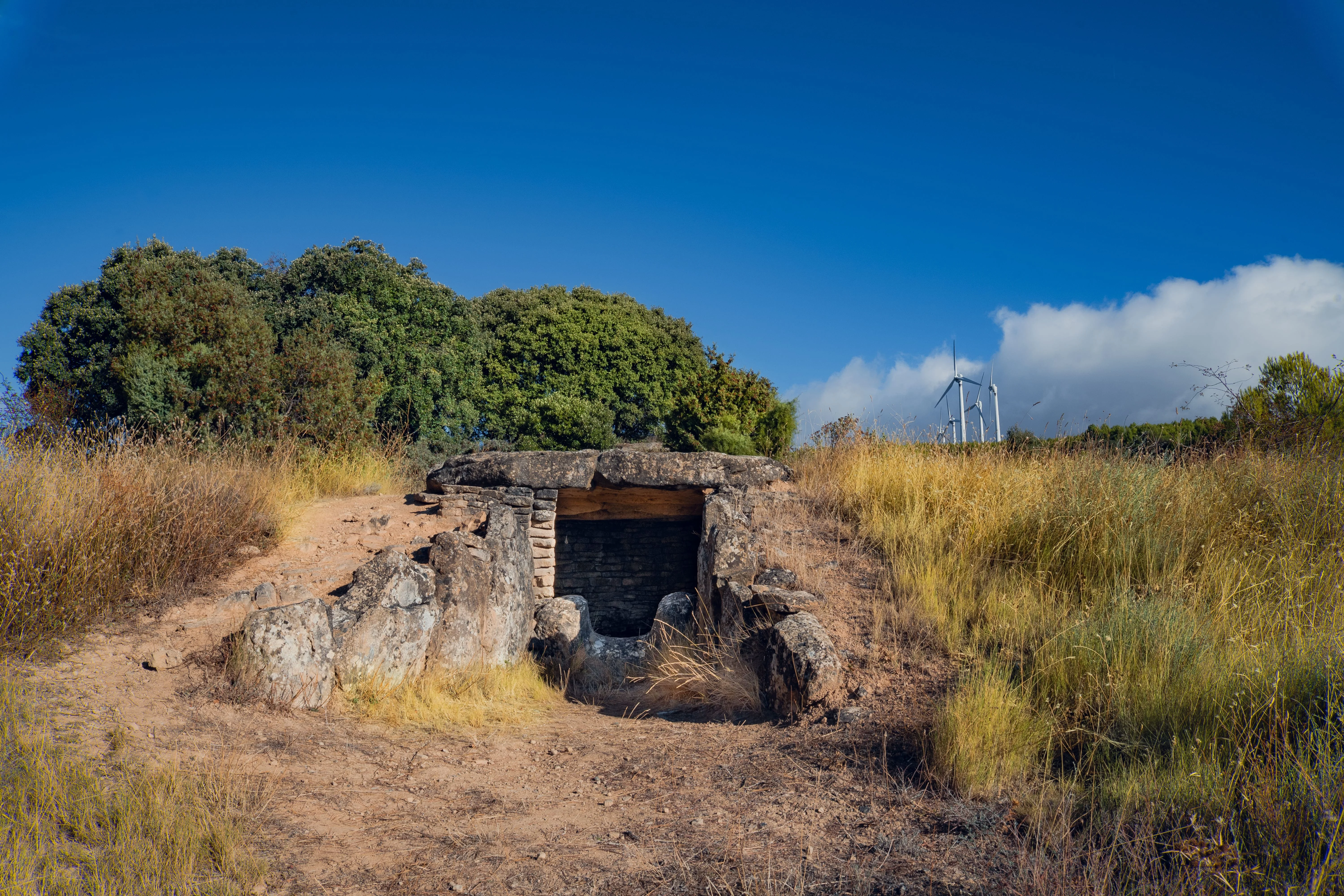
Viana
Patrimonio y monumentos
Viana
Patrimonio y monumentos
Viana
Patrimonio y monumentos
Viana
EVENTOS CULTURALES
Viana
Espacios naturales
Viana
Patrimonio y monumentos
Dónde dormir
Viana
Dónde dormir
Viana
Dónde comer
Viana
Dónde comer
Viana
Dónde comer
Viana
Dónde dormir
Viana
Dónde dormir
Viana
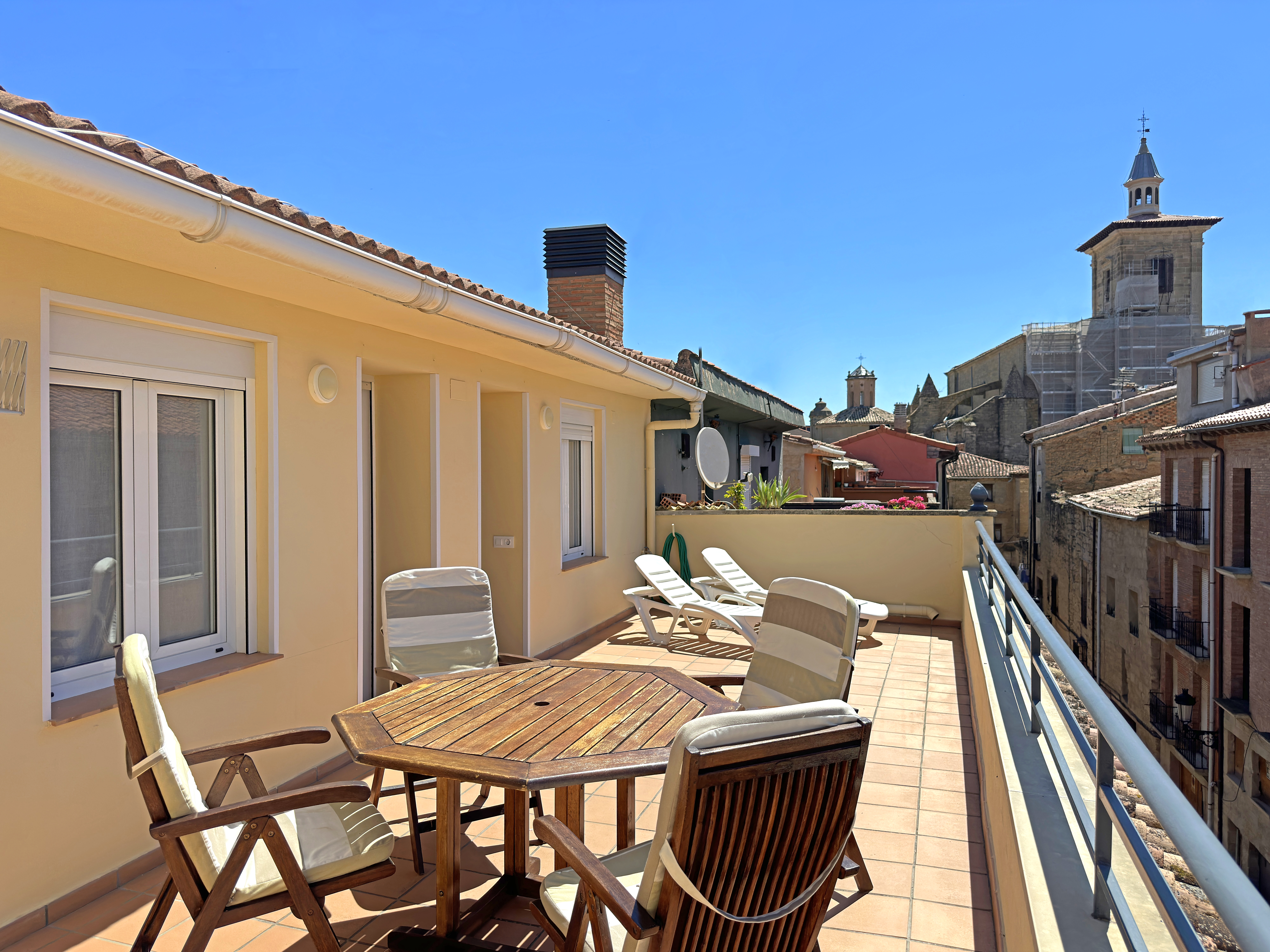
Dónde dormir
Viana
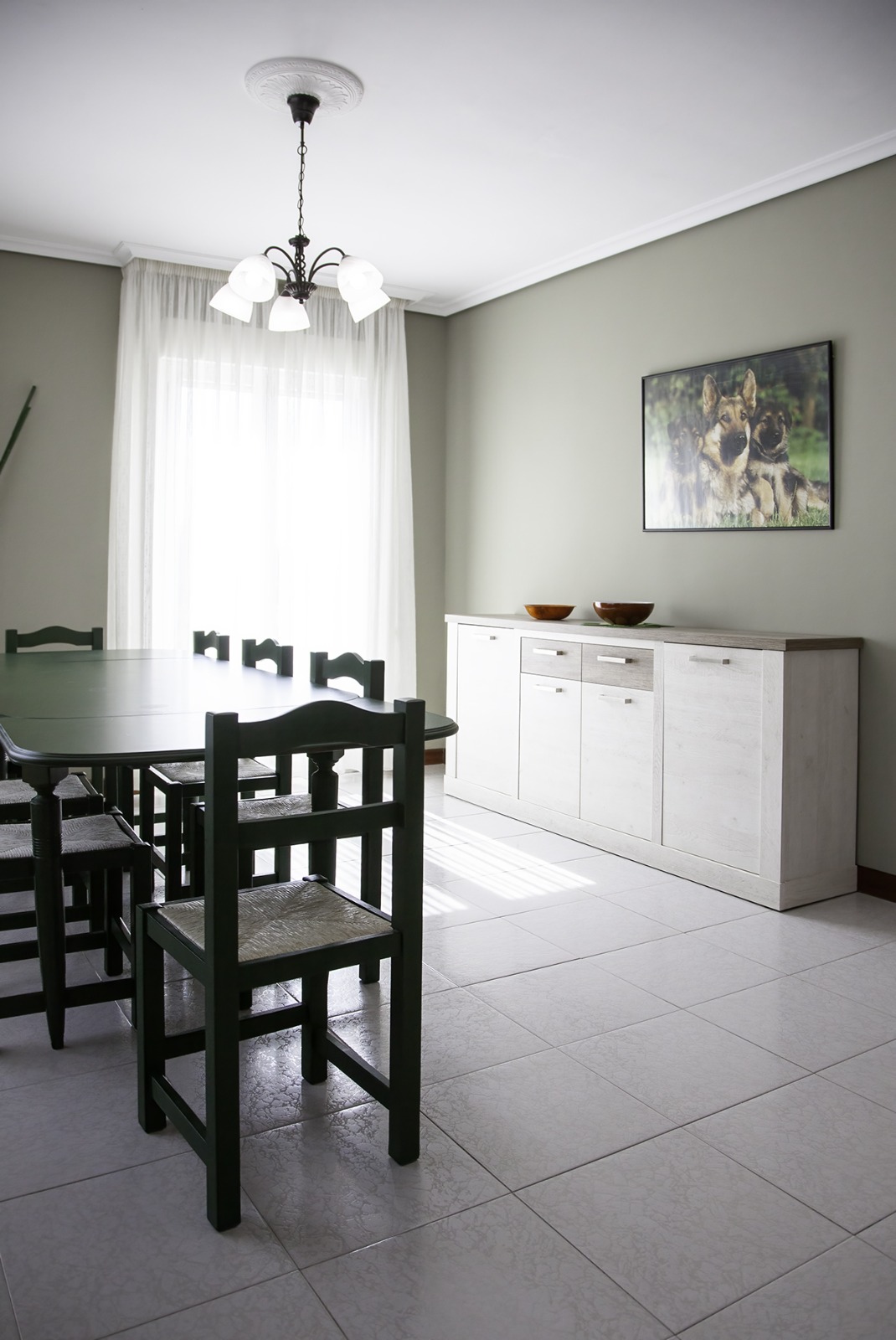
Dónde dormir
Viana
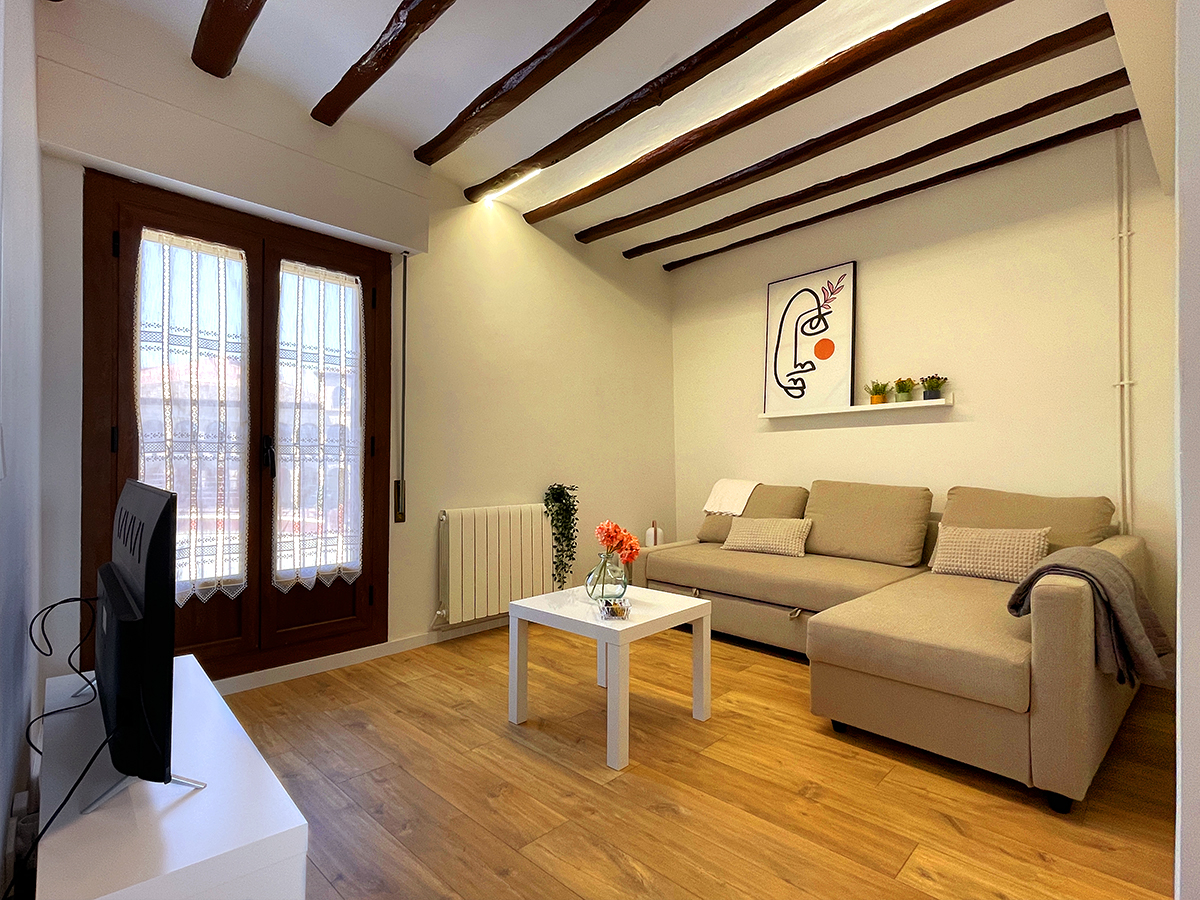
Dónde dormir
Viana
Mostrando 1-9 de 19 resultados
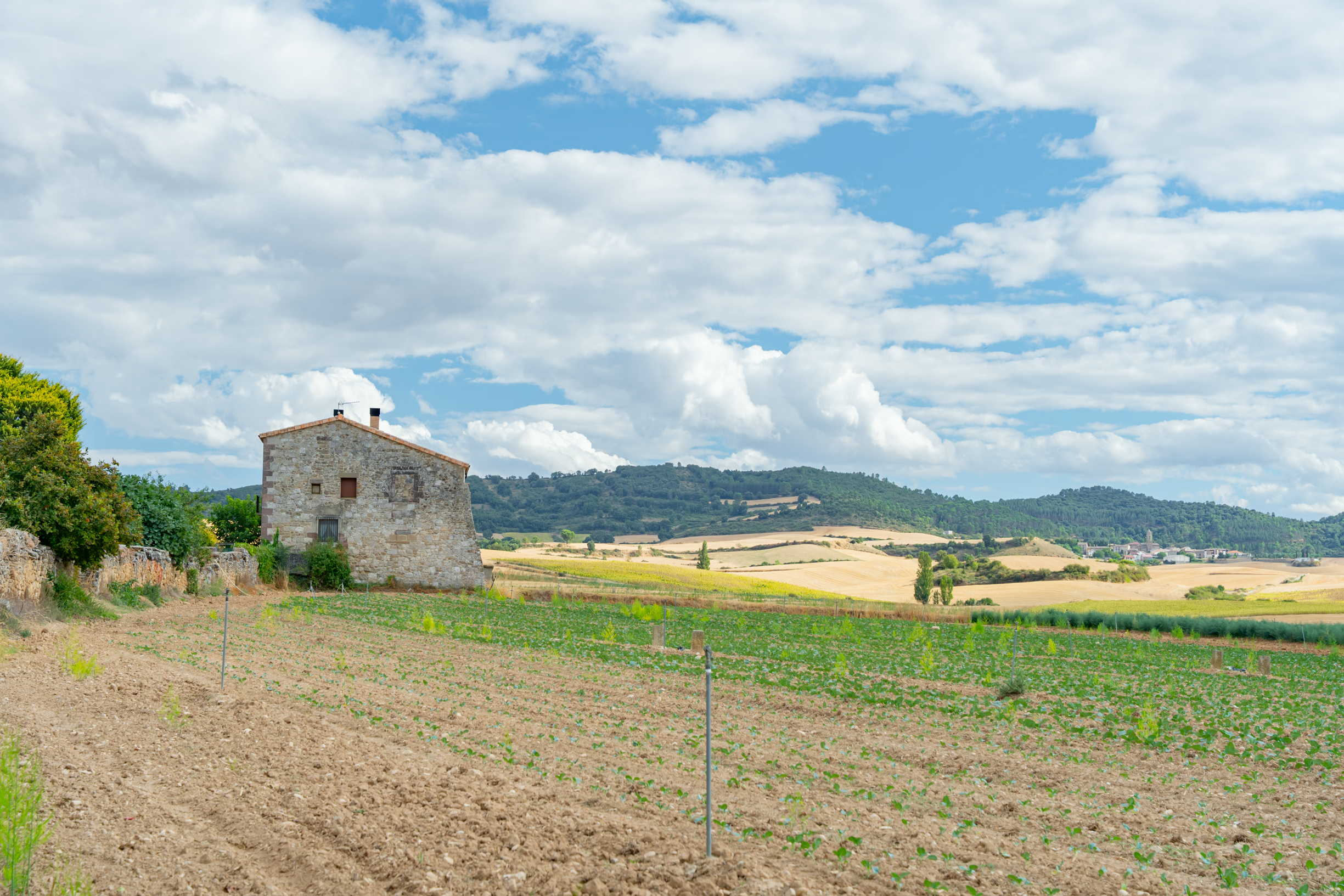
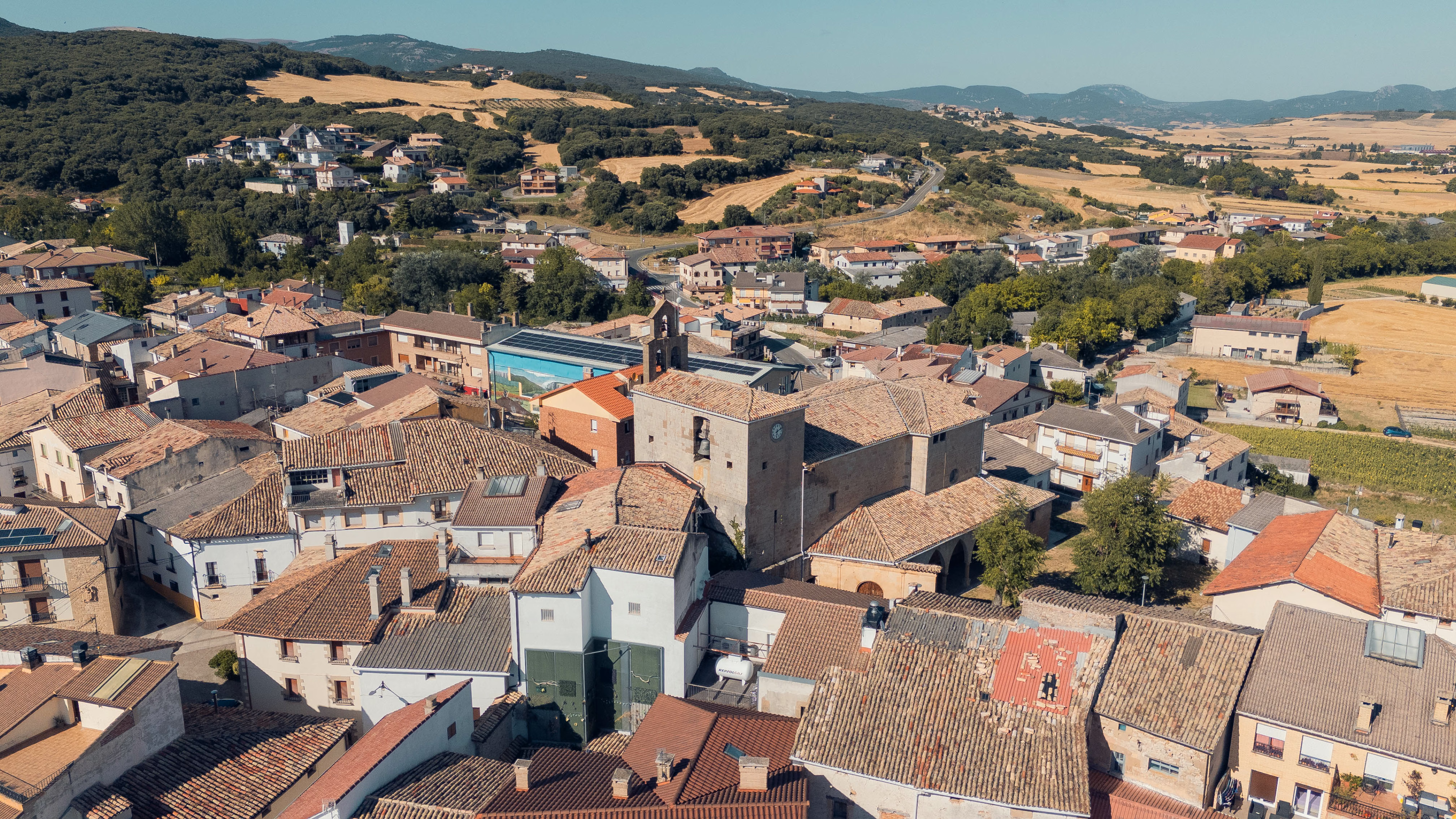
Un pequeño pueblo entre la Sierra de Lóquiz, el río Ega y la tradición agrícola de Valdega.
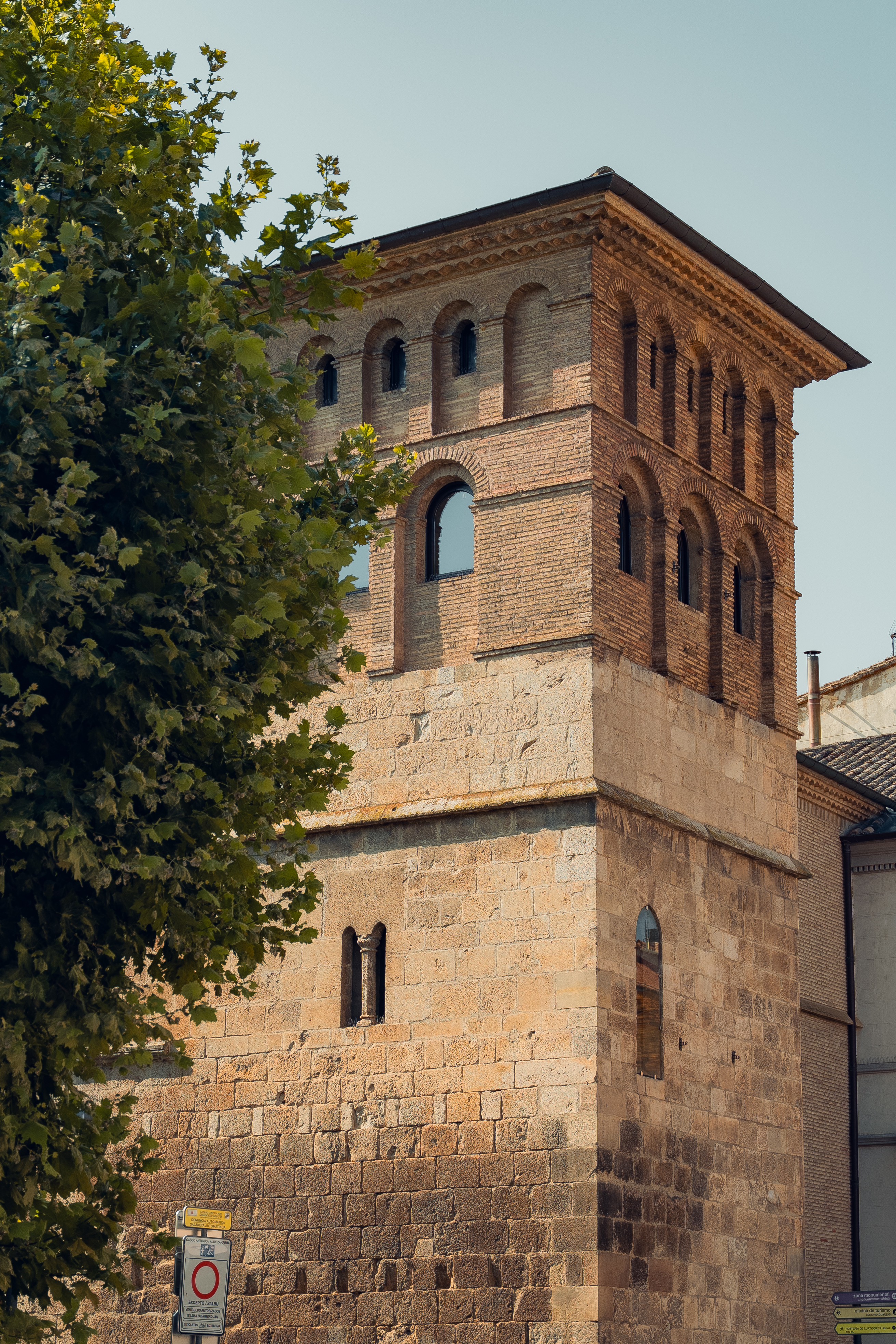
La puerta de entrada al valle de Irantzu, entre montañas y patrimonio monumental.
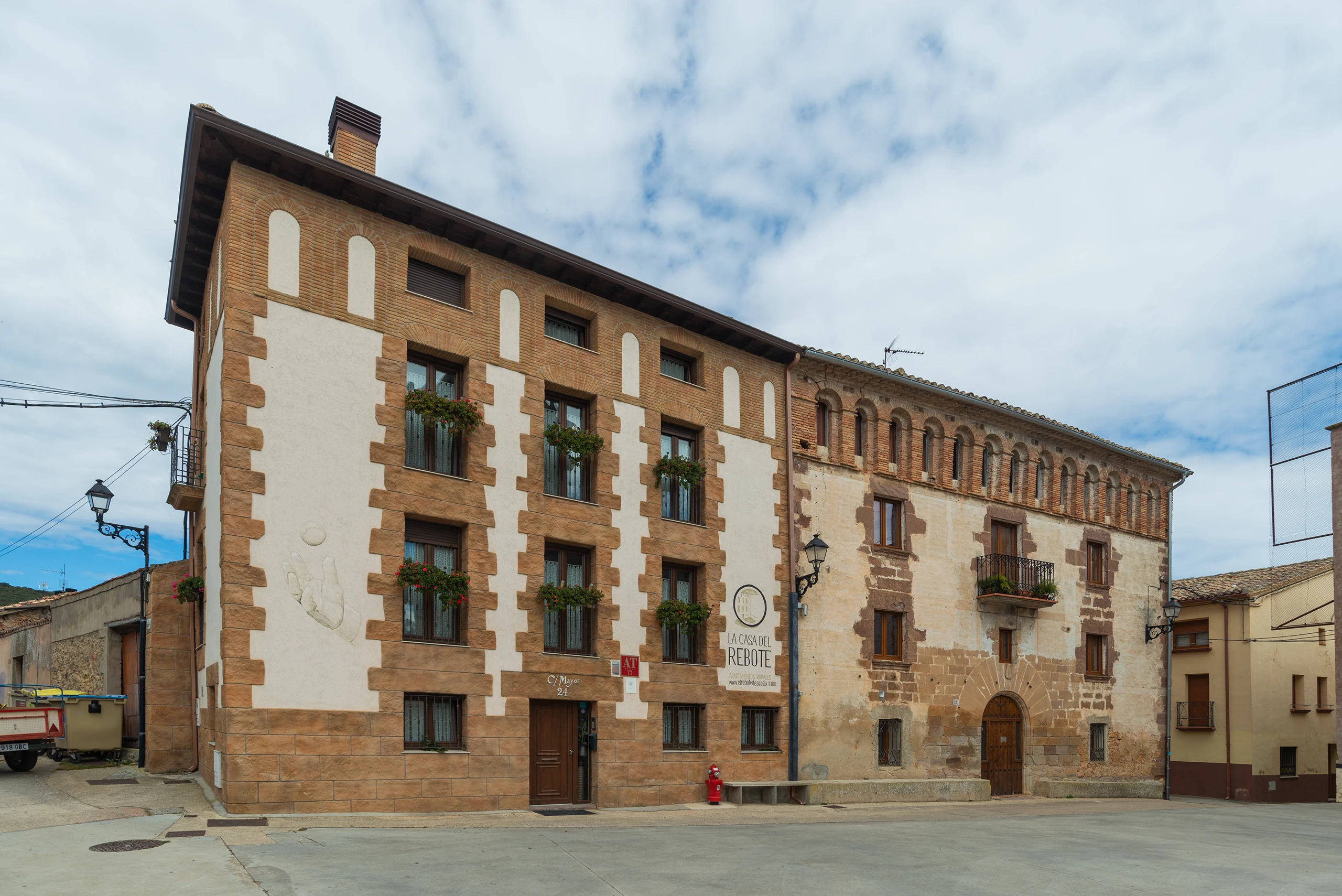
Un pueblo con historia templaria y miradores naturales a los pies de Montejurra.
Una villa de caminos entre montañas, río e historia.