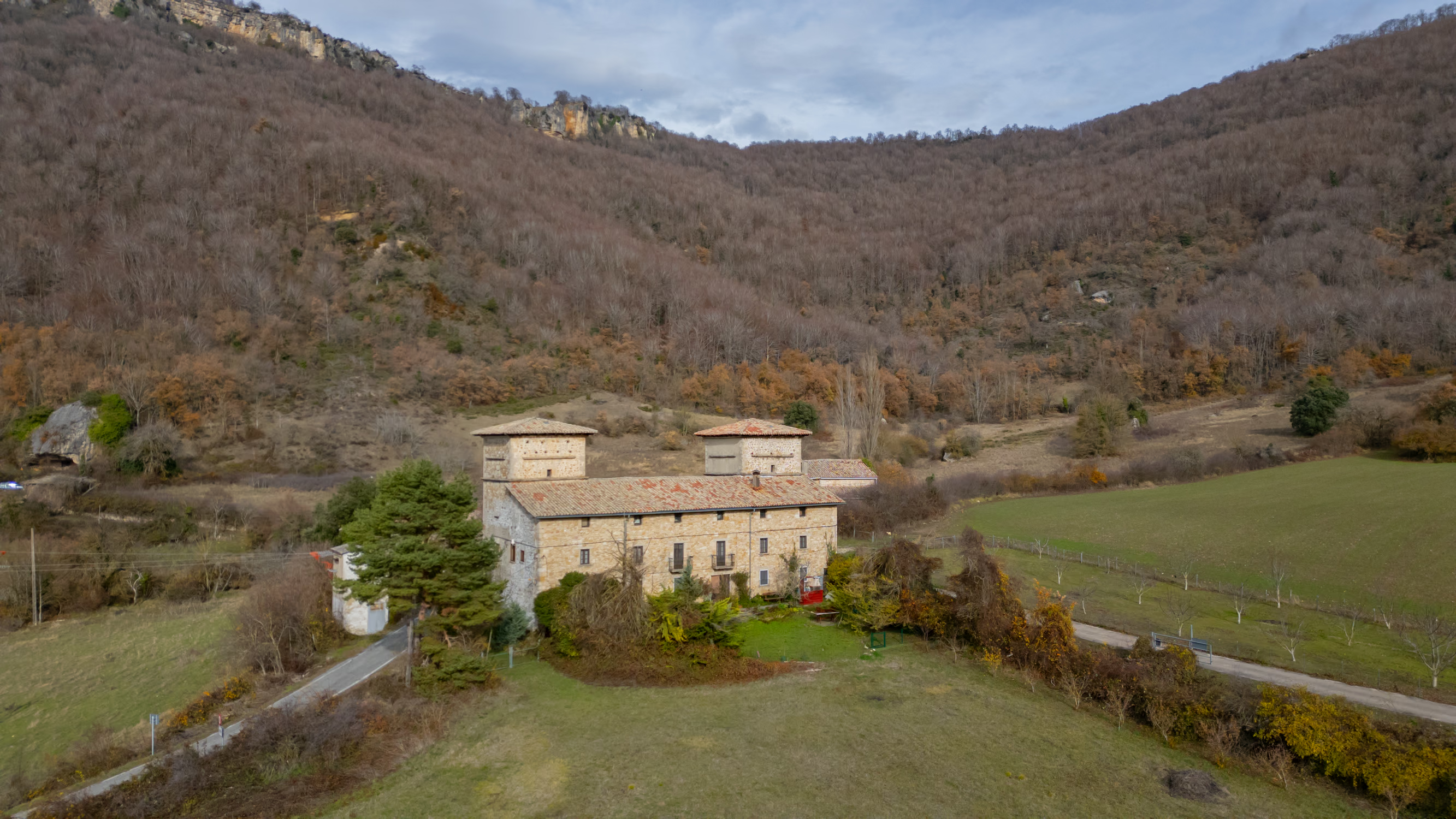
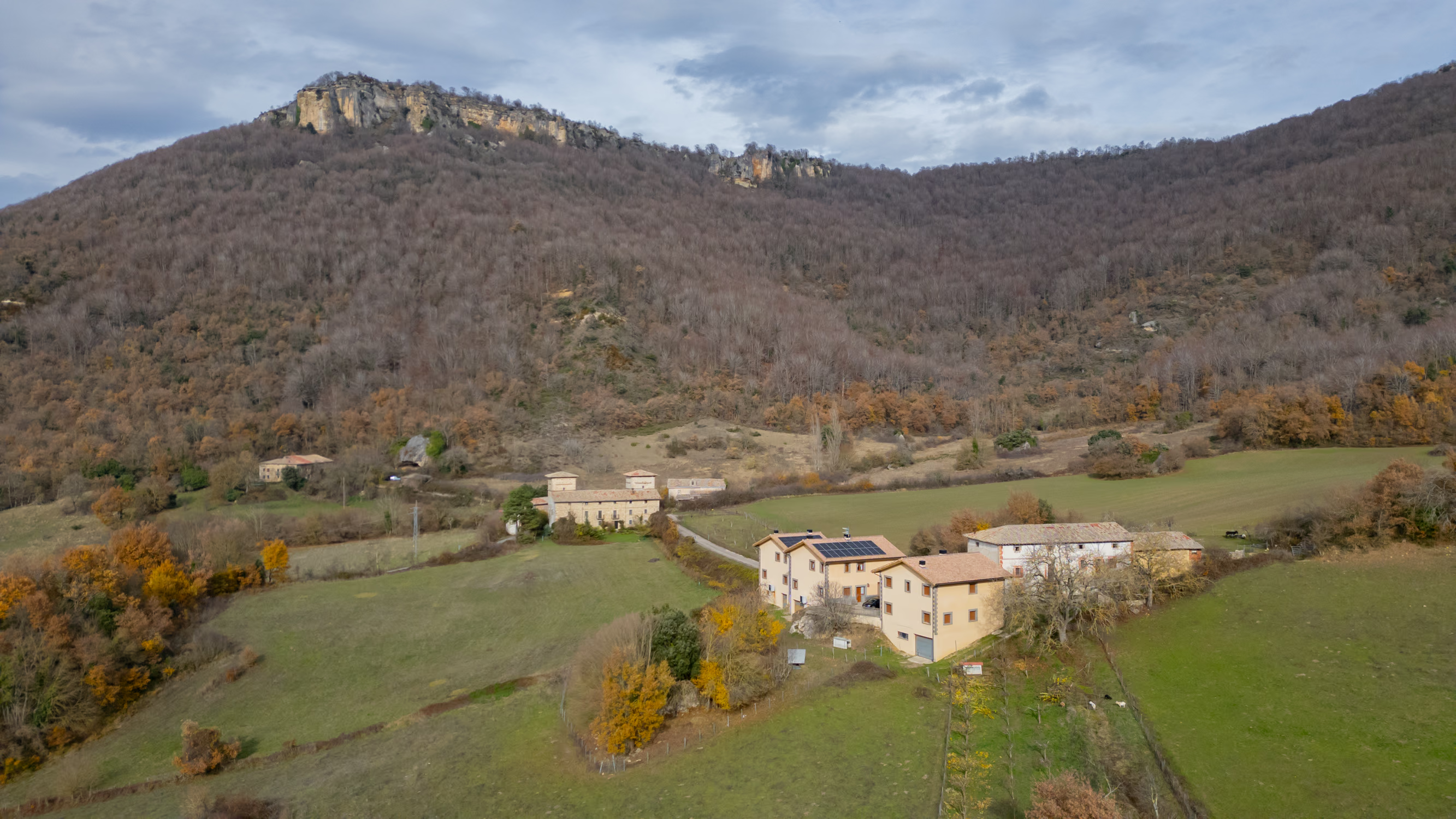
An exceptional architectural complex in a secluded setting
The Cabo de Armería Palace and the Church of the Assumption form one of the most unique heritage sites in Las Améscoas, set amid a landscape of meadows, forests, and silence.

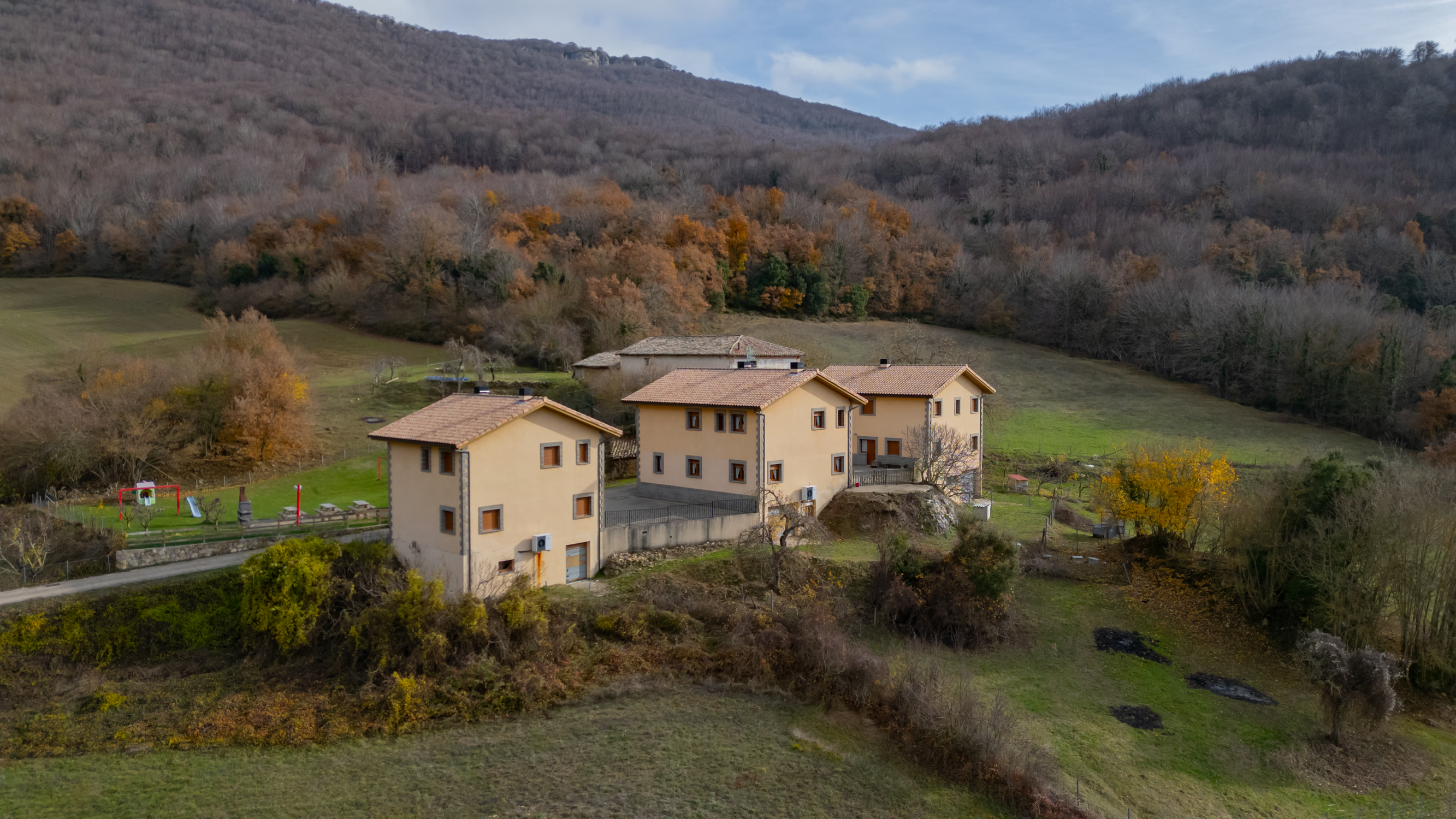
A unique setting surrounded by forests and mountain ranges, offering both historical heritage and rural tranquility.
The Cabo de Armería Palace and the Church of the Assumption form one of the most unique heritage sites in Las Améscoas, set amid a landscape of meadows, forests, and silence.
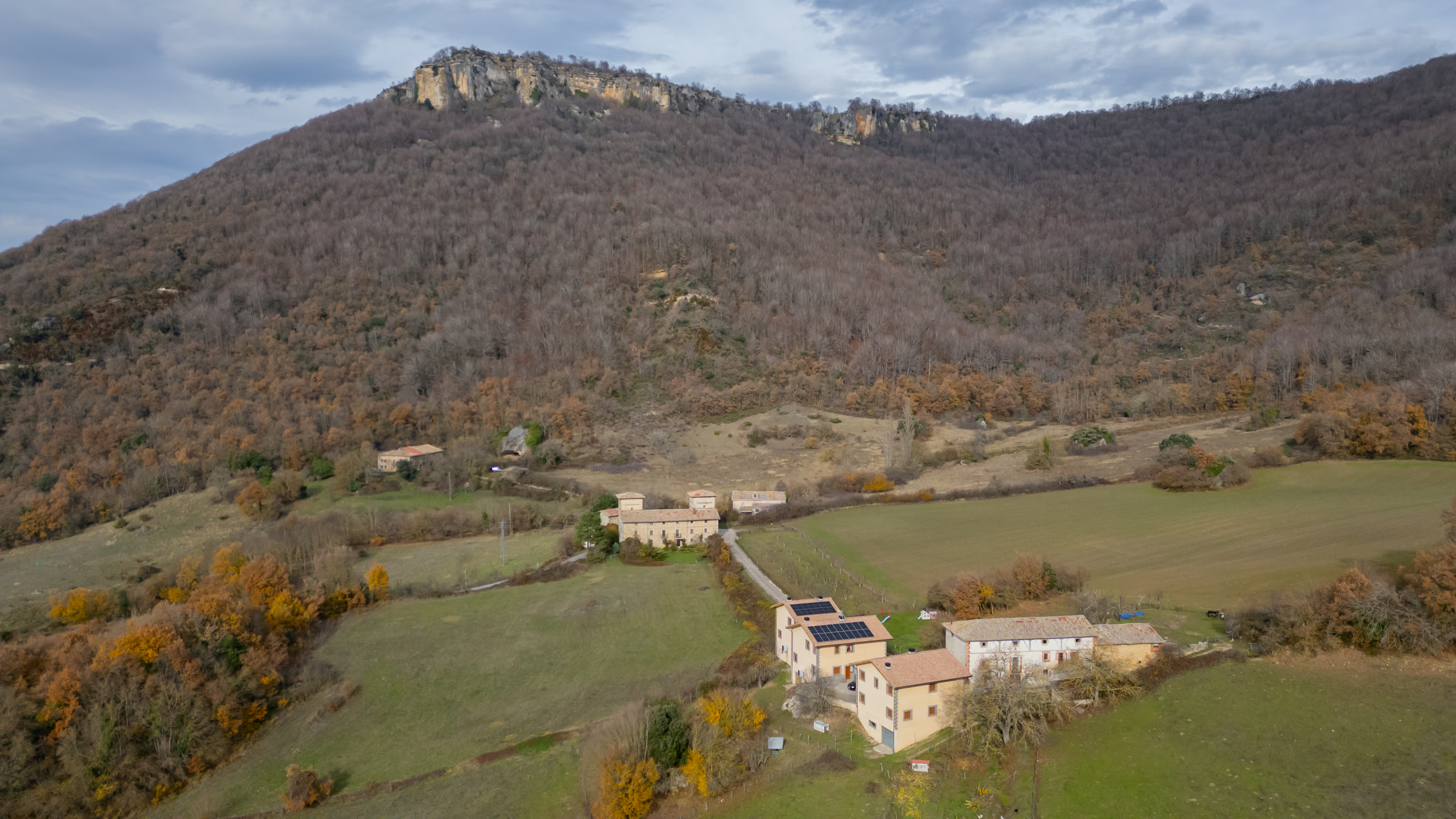
The Cabo de Armería Palace, built around 1550 on top of earlier structures, is one of the most outstanding examples of aristocratic architecture in the valley and bears witness to the historical significance of the former Urra estate.
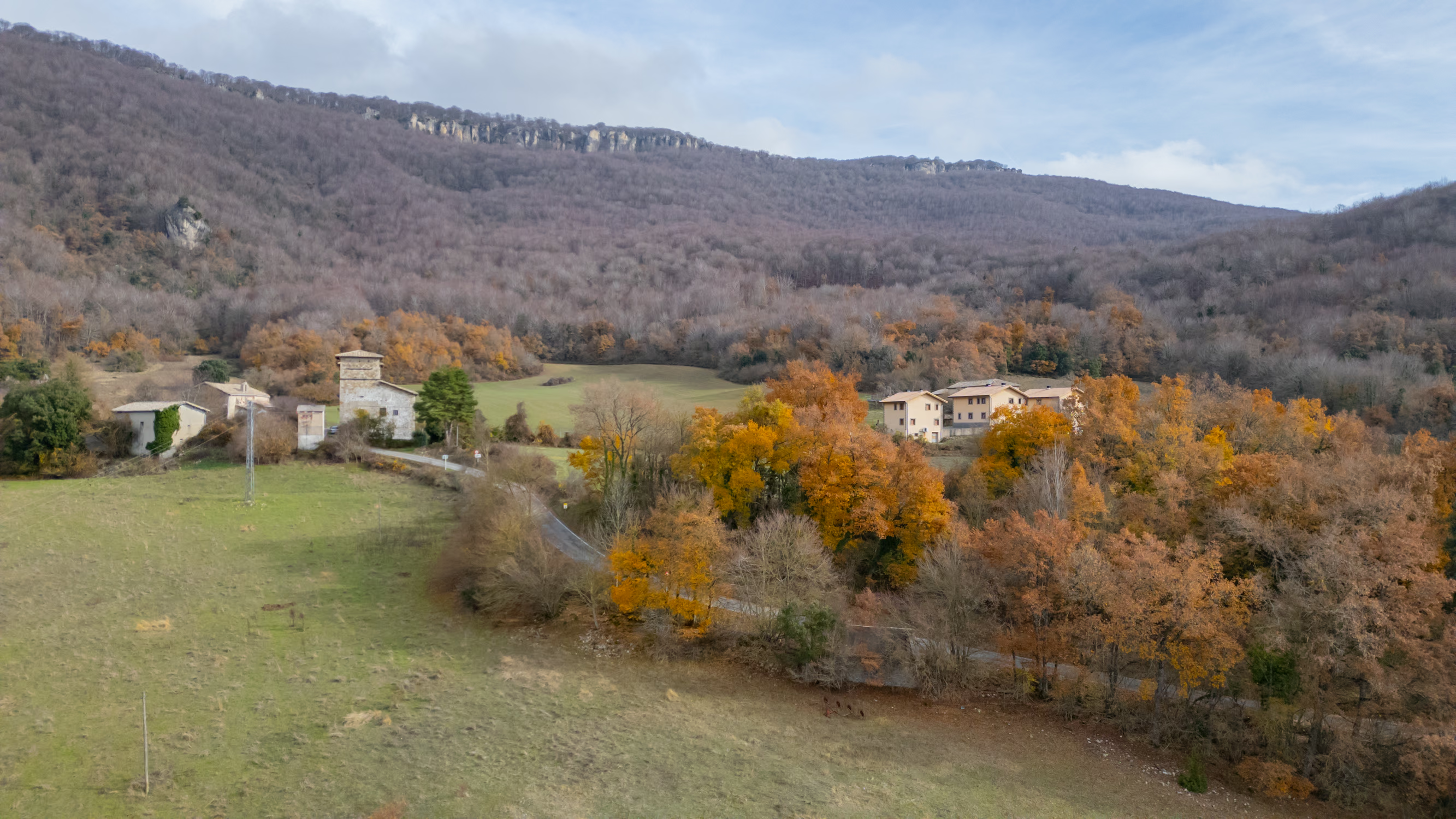
Surrounded by oak and beech forests and located very close to the Urbasa and Lóquiz mountain ranges, Urra offers an ideal setting for enjoying nature, the scenery, and peace and quiet.
Urra can be visited year-round. Spring and fall are ideal for enjoying the wooded landscape and the contrasting colors of the surroundings. Summer allows you to explore the area at a leisurely pace and coincides with the Feast of the Assumption, while winter accentuates the quiet, evocative atmosphere of the place.
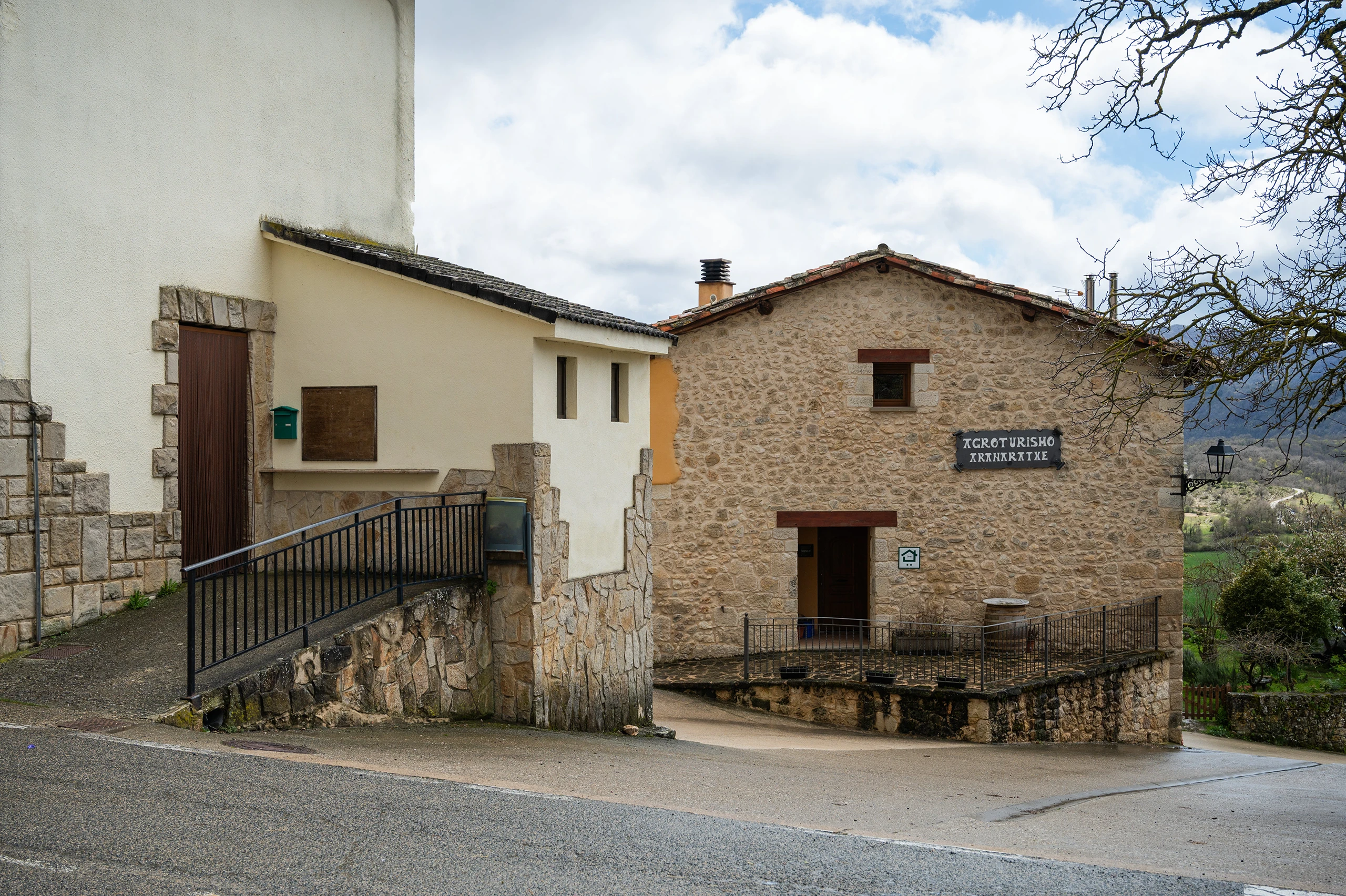
Urra is one of the most unique villages in Lower Améscoa. This small hamlet, surrounded by oak and beech forests and nestled between the steep slopes of the Sierra de Urbasa and the valley, retains a serene atmosphere, as if time had stood still. Situated on a small plain, the settlement consists of just a few buildings clustered around an extraordinary collection of historic monuments.
Its history dates back at least to the 12th century. Urra is first mentioned in 1126 in the Libro Redondo of the Cathedral of Pamplona, in connection with an ancient monastery, confirming the settlement’s antiquity and its significance within the region.
The main landmark is the Cabo de Armería Palace in Urra, a historic manor whose current structure was built around 1550, reusing earlier structures. Well-preserved, it is one of the most representative examples of stately architecture in Las Améscoas and helps illustrate the political and economic importance this enclave held for centuries.
Next to the palace stands the Church of the Assumption, a proto-Gothic building with Cistercian influences dating from around 1200. The church preserves elements of great historical and artistic value, such as its 13th-century ribbed vault, a medieval baptismal font, a late-Gothic carving of Saint Peter in the Hispano-Flemish tradition, and a Romanist group depicting the Assumption, dated to around 1600.
All of this heritage is set within an open landscape of meadows, lush vegetation, and nearby forests that reinforce the intimate and evocative character of the place. The history of Urra is linked to the former estate of Cabo de Armería, whose tenants acquired the property during the 20th century, helping to keep alive the memory of one of the most unique heritage sites in Tierra Estella.
The patron saint festivities are held on August 15, the Feast of the Assumption, when the small village regains some of its social and community spirit.
1 resultados
Mostrando 1-1 de 1 resultados
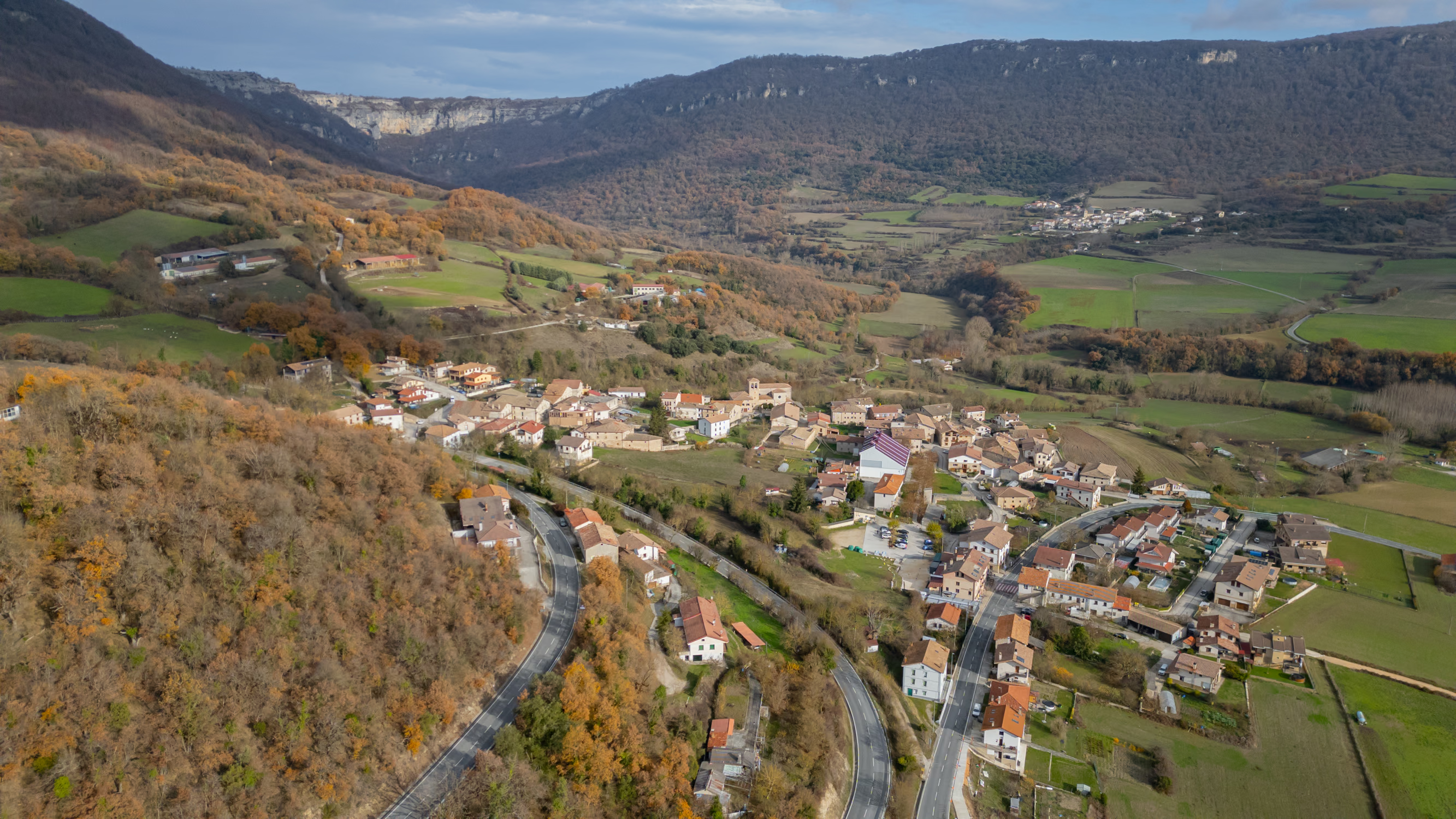
La capital del valle de las Améscoas, puerta de entrada a Urbasa y al Urederra.
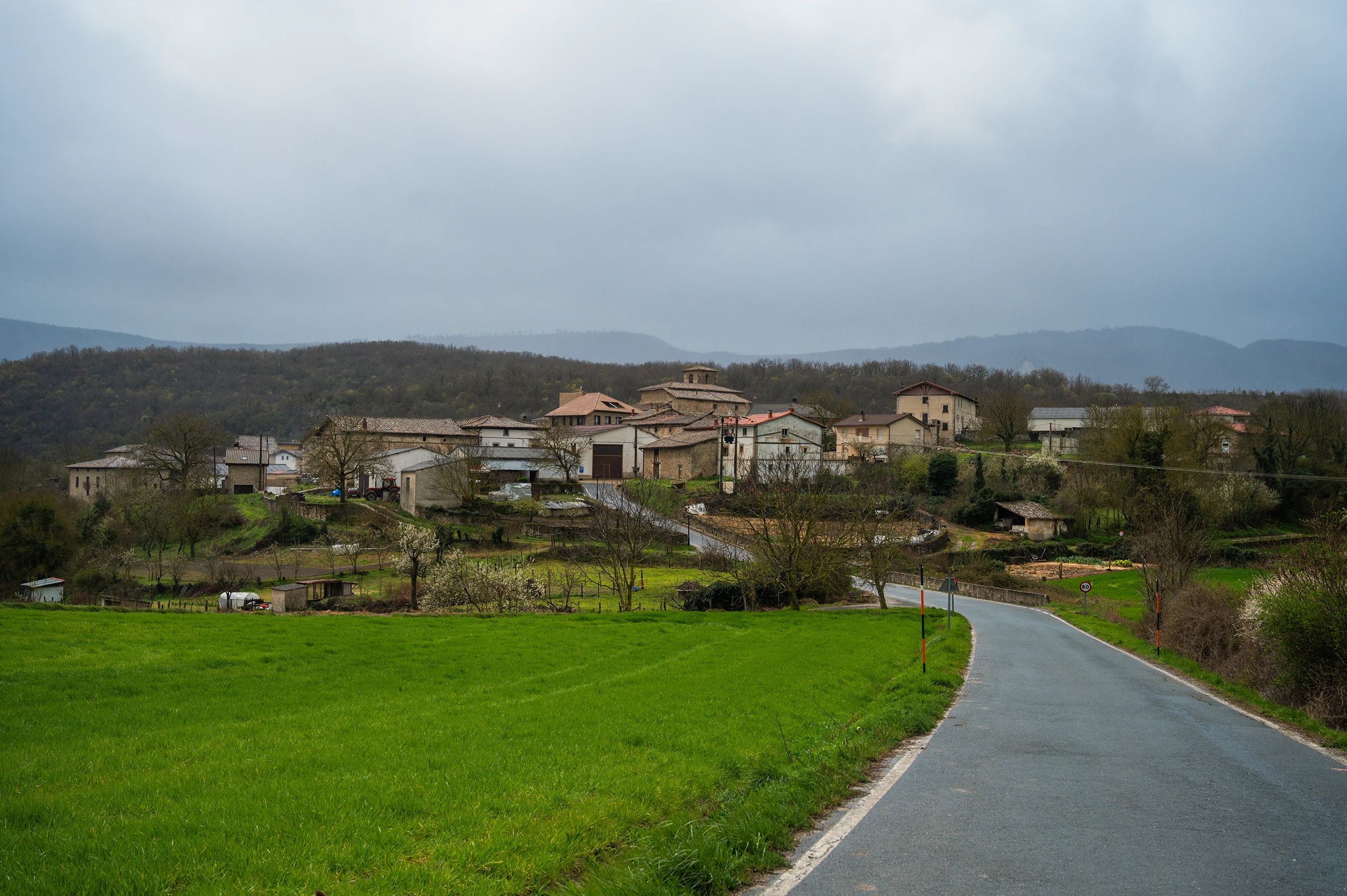
Un pueblo entre Urbasa y Lóquiz donde montaña, patrimonio artístico y tradición rural conviven.
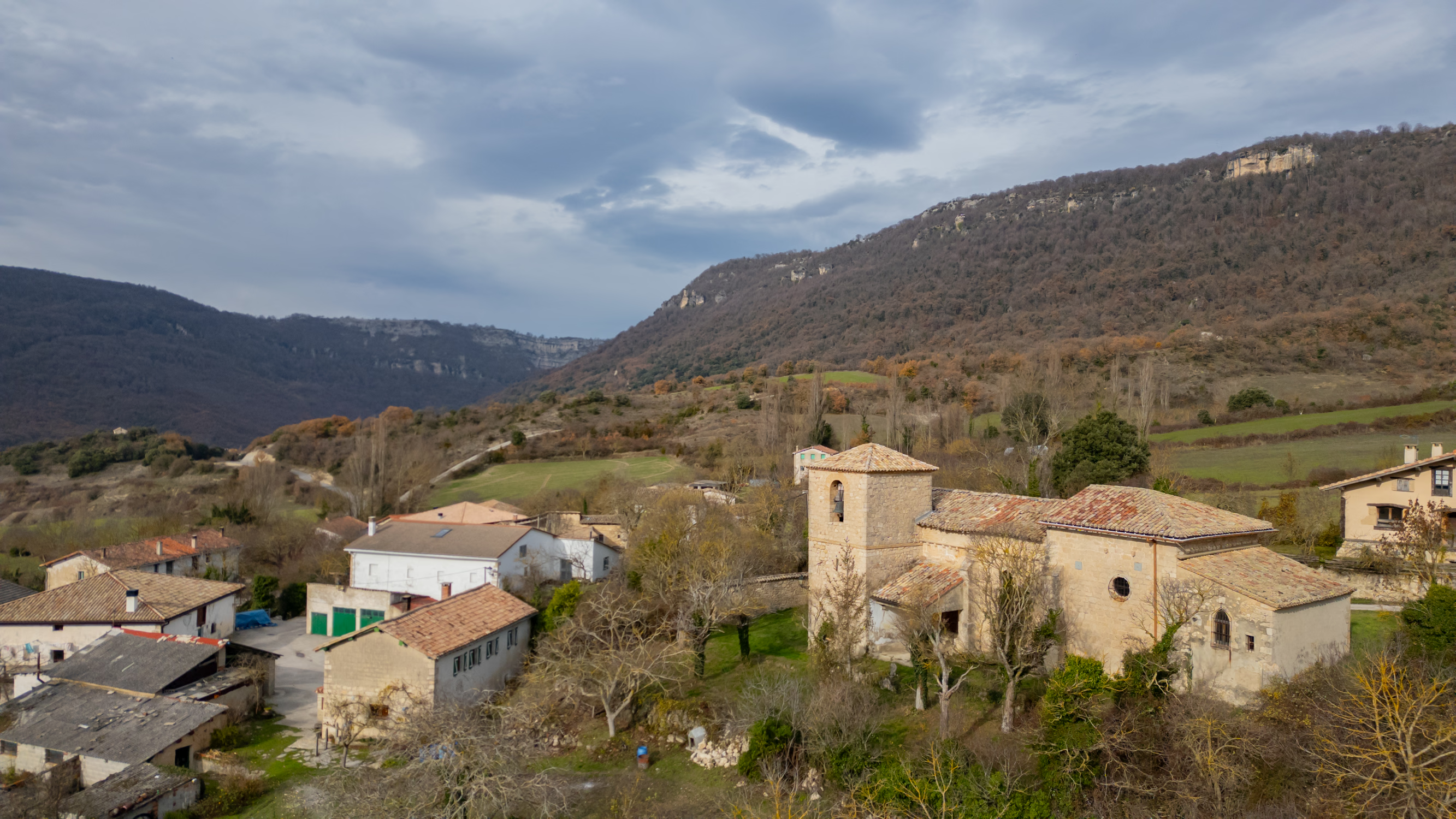
Un concejo entre sierras y farallones que sorprende por su patrimonio histórico.
Una villa con alma montañesa y herencia hidalga entre sierras y hayedos.