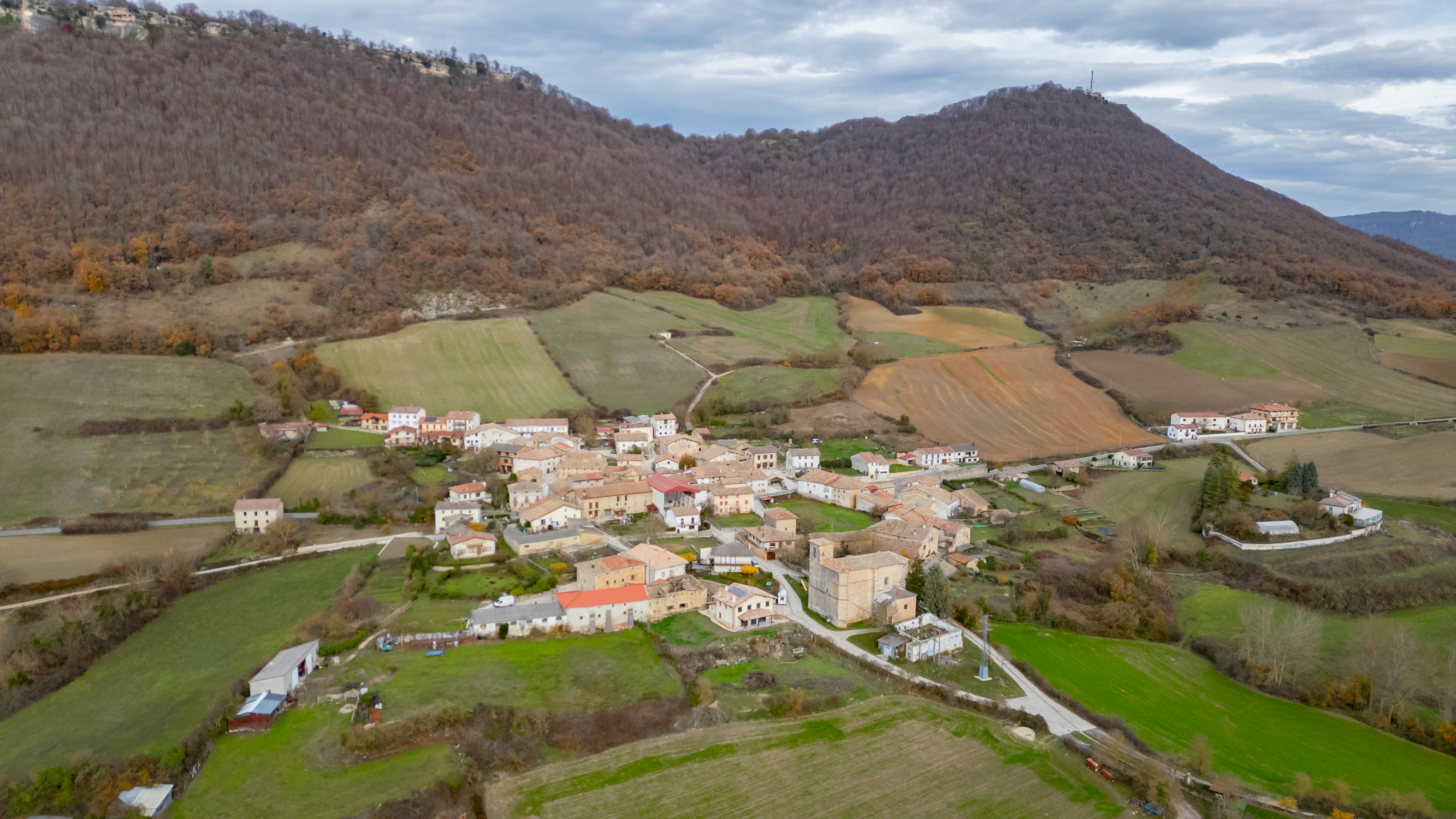
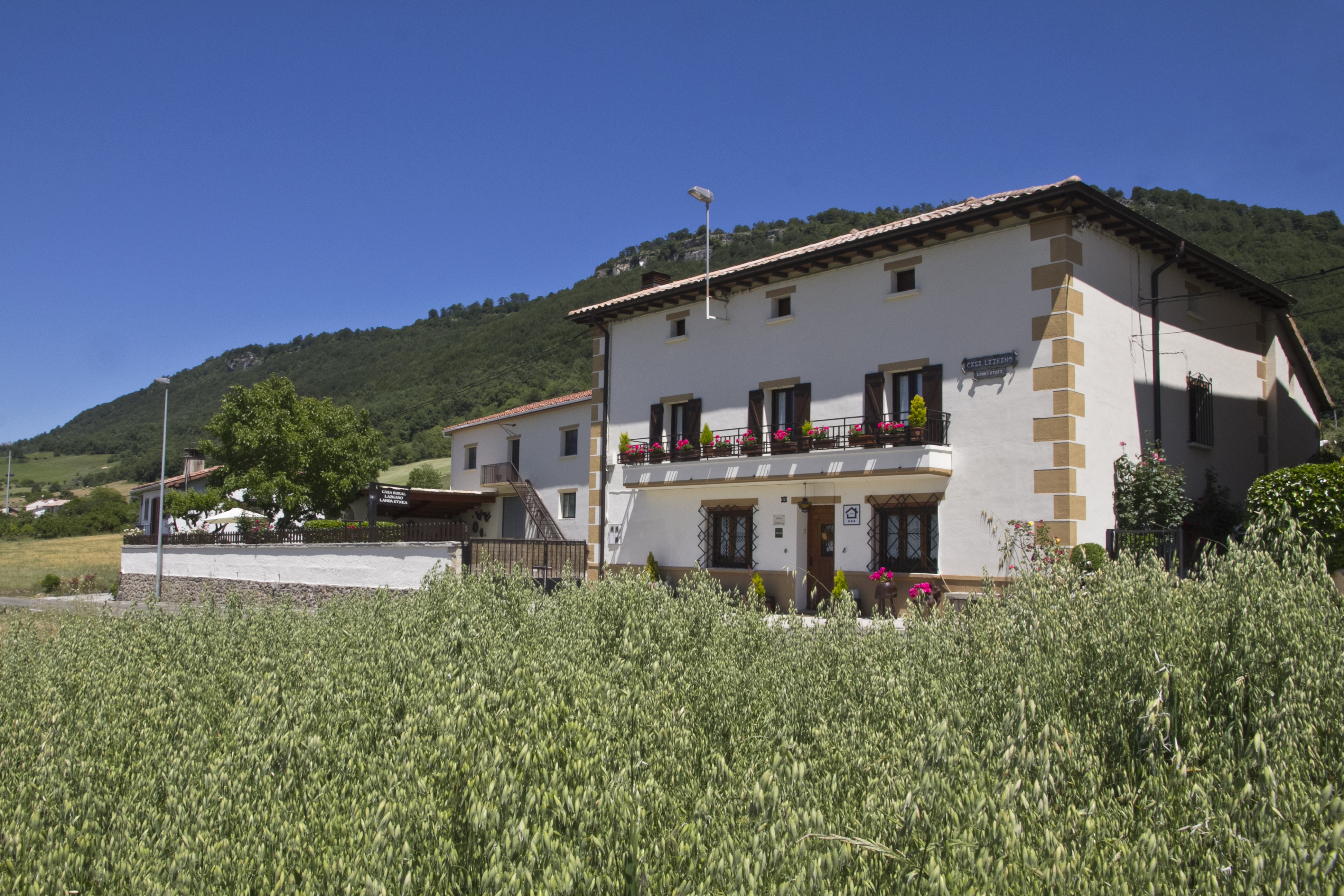
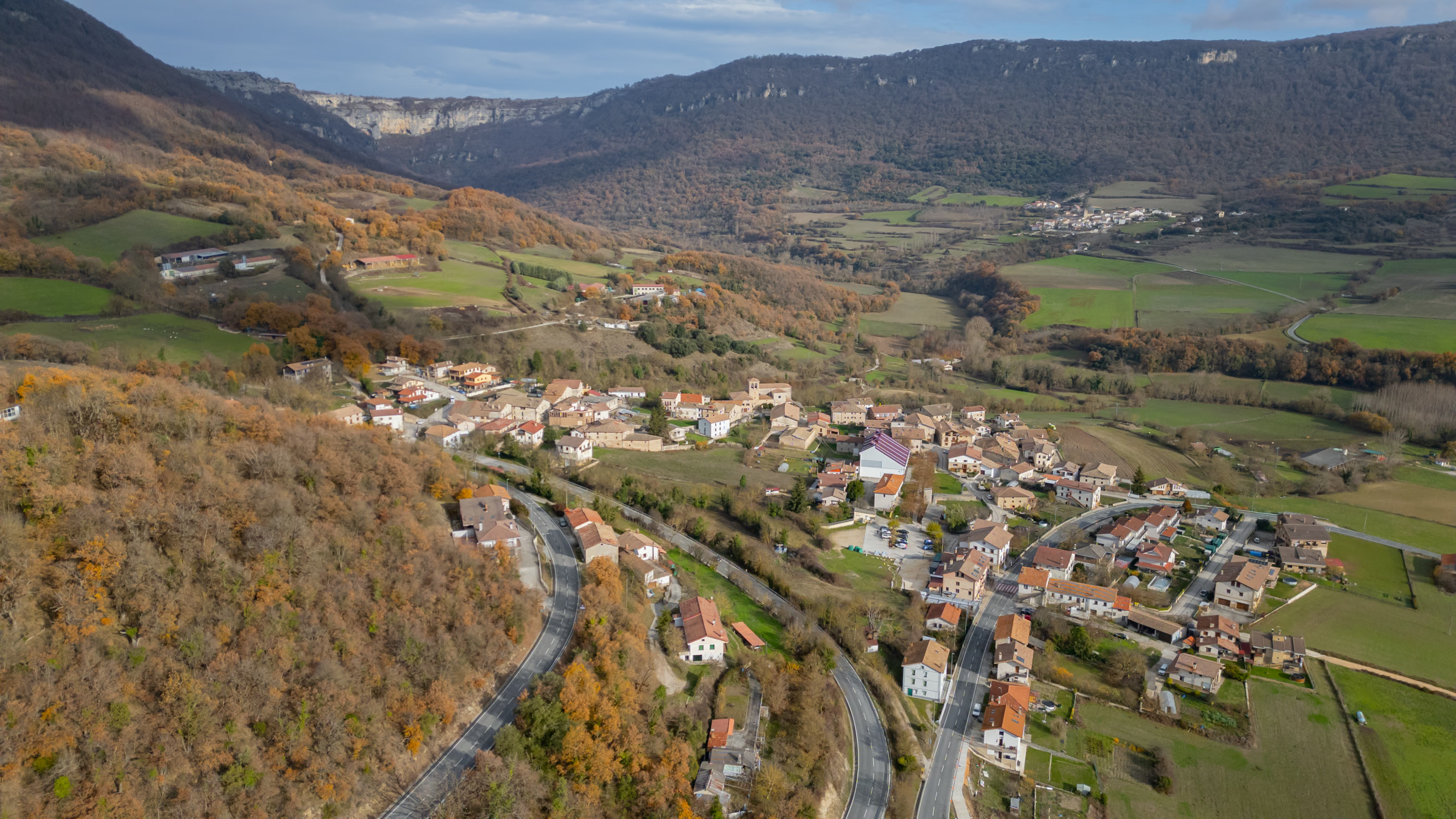
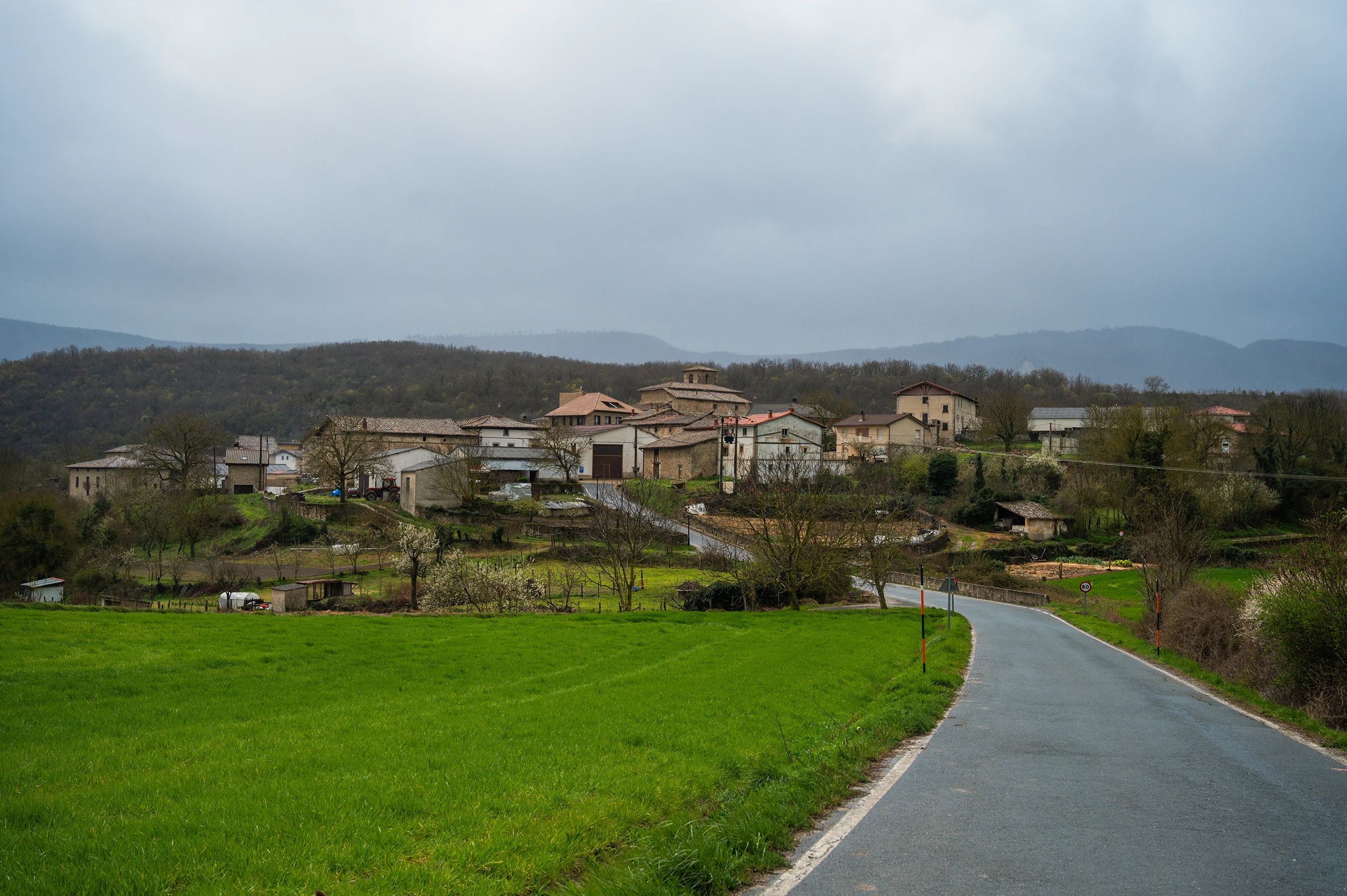
San Martín de Améscoa is one of the districts of the municipality of Améscoa Baja, located at an elevation of 670 meters, on the left bank of the Uyarra River, between the Urbasa and Lóquiz mountain ranges. Its privileged location places it right in the heart of the Las Améscoas natural corridor, surrounded by mountainous scenery and rural traditions.
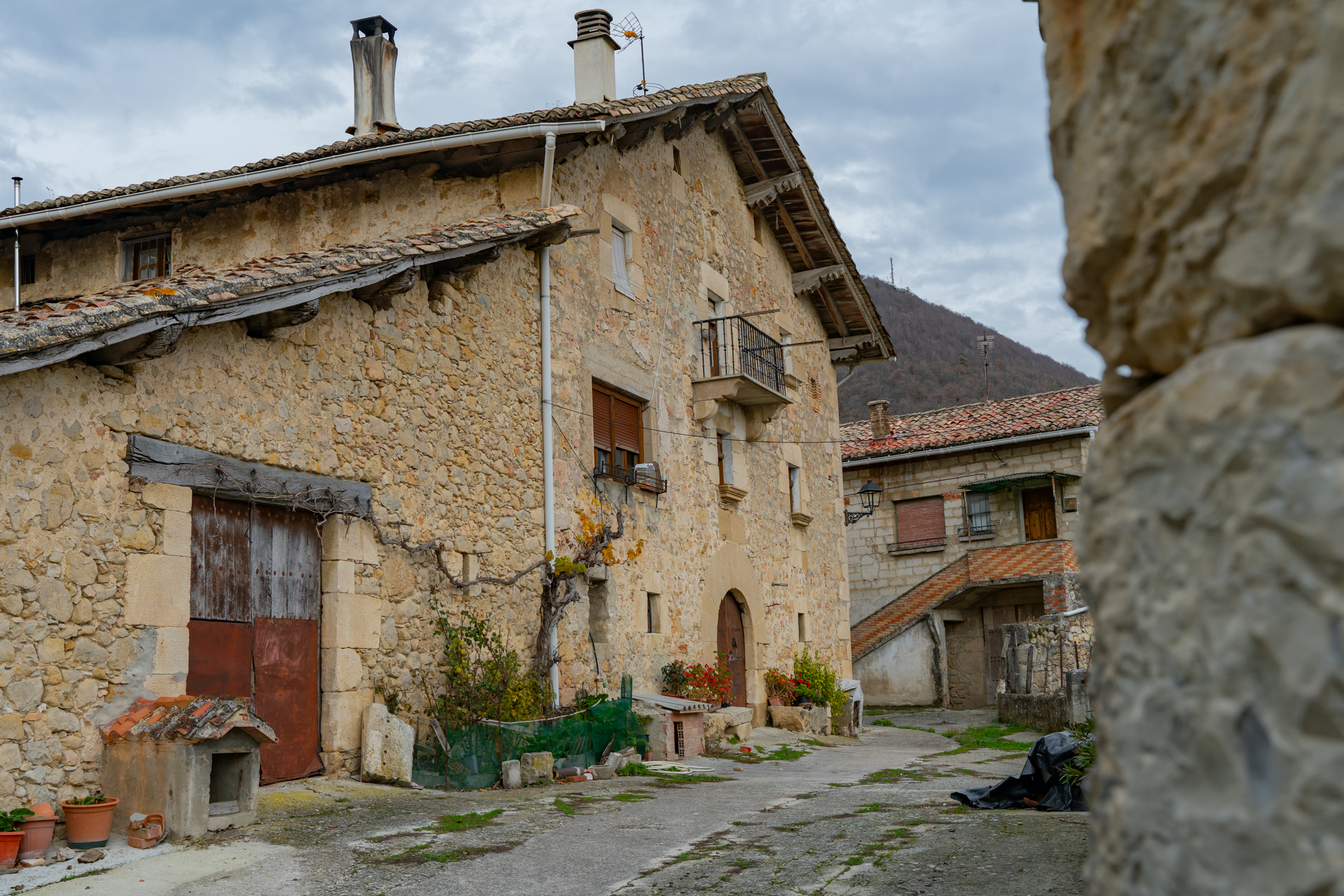
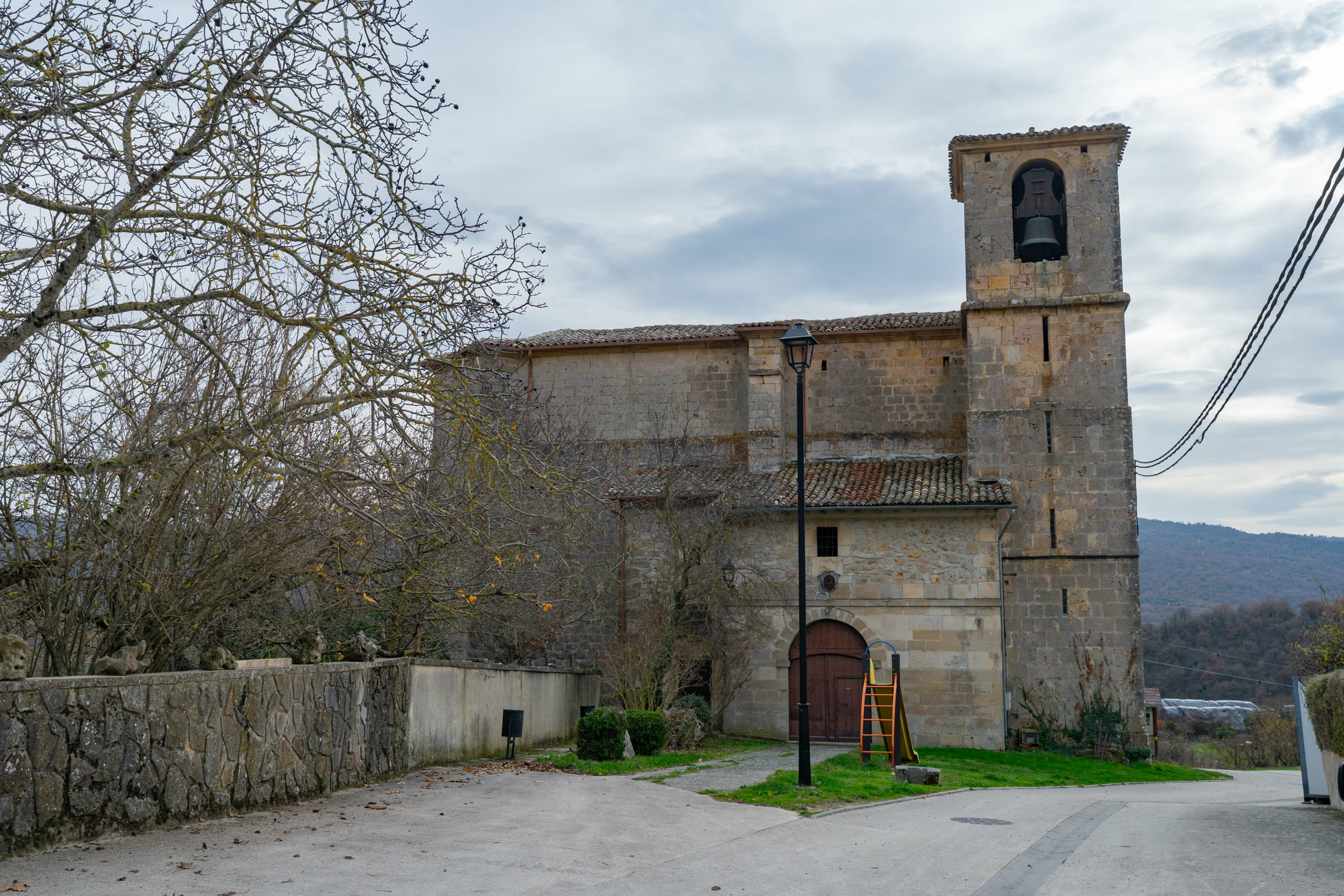
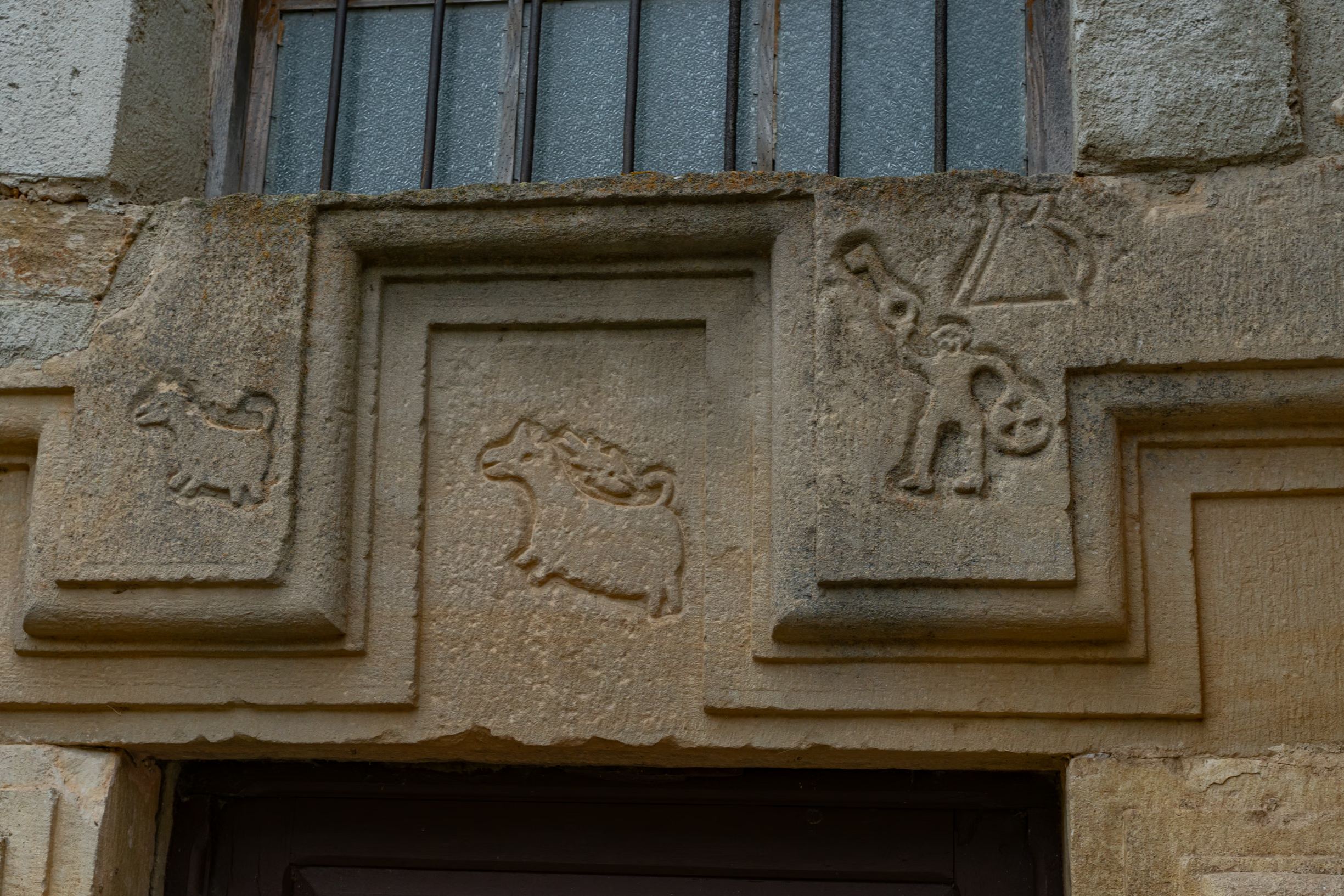
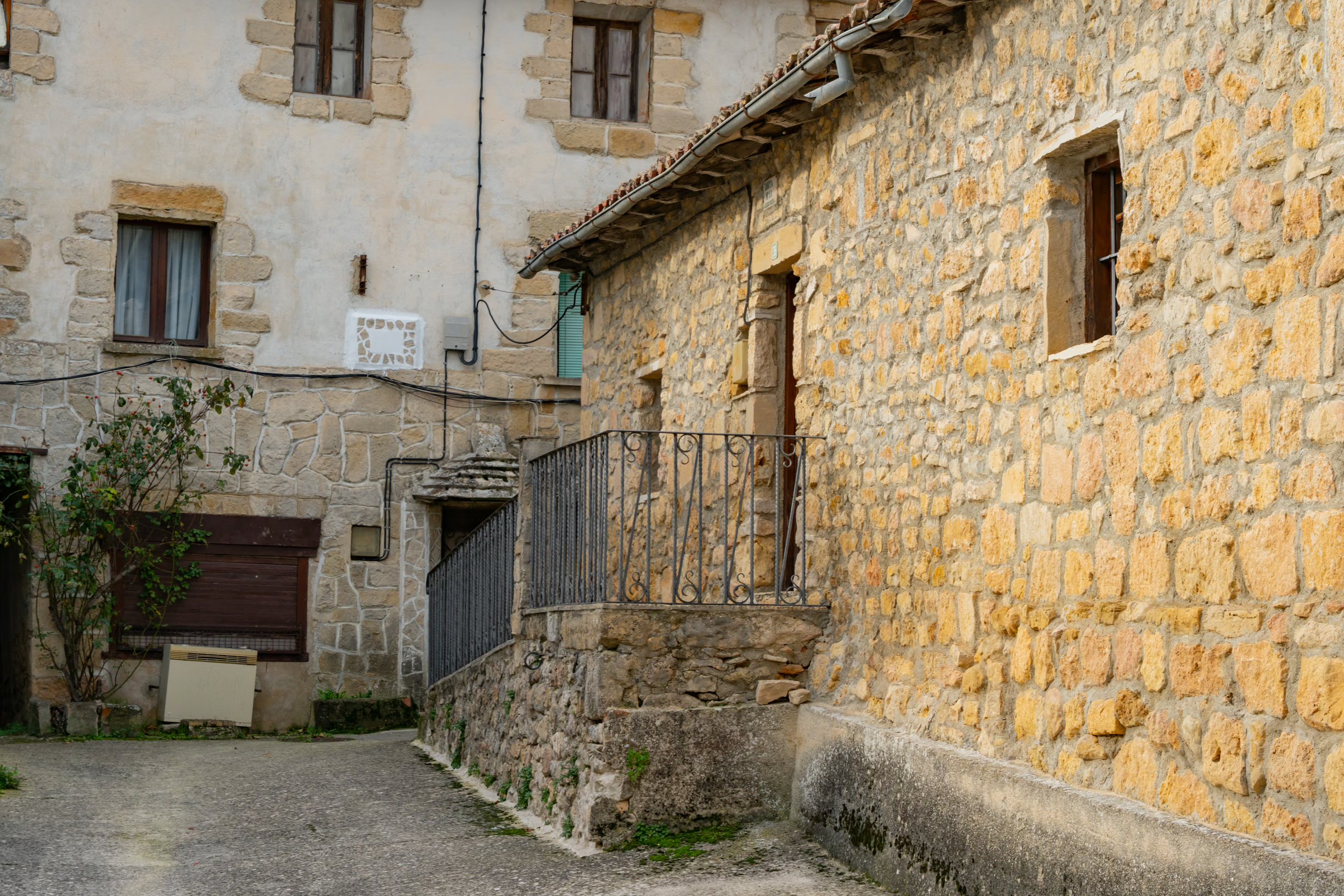
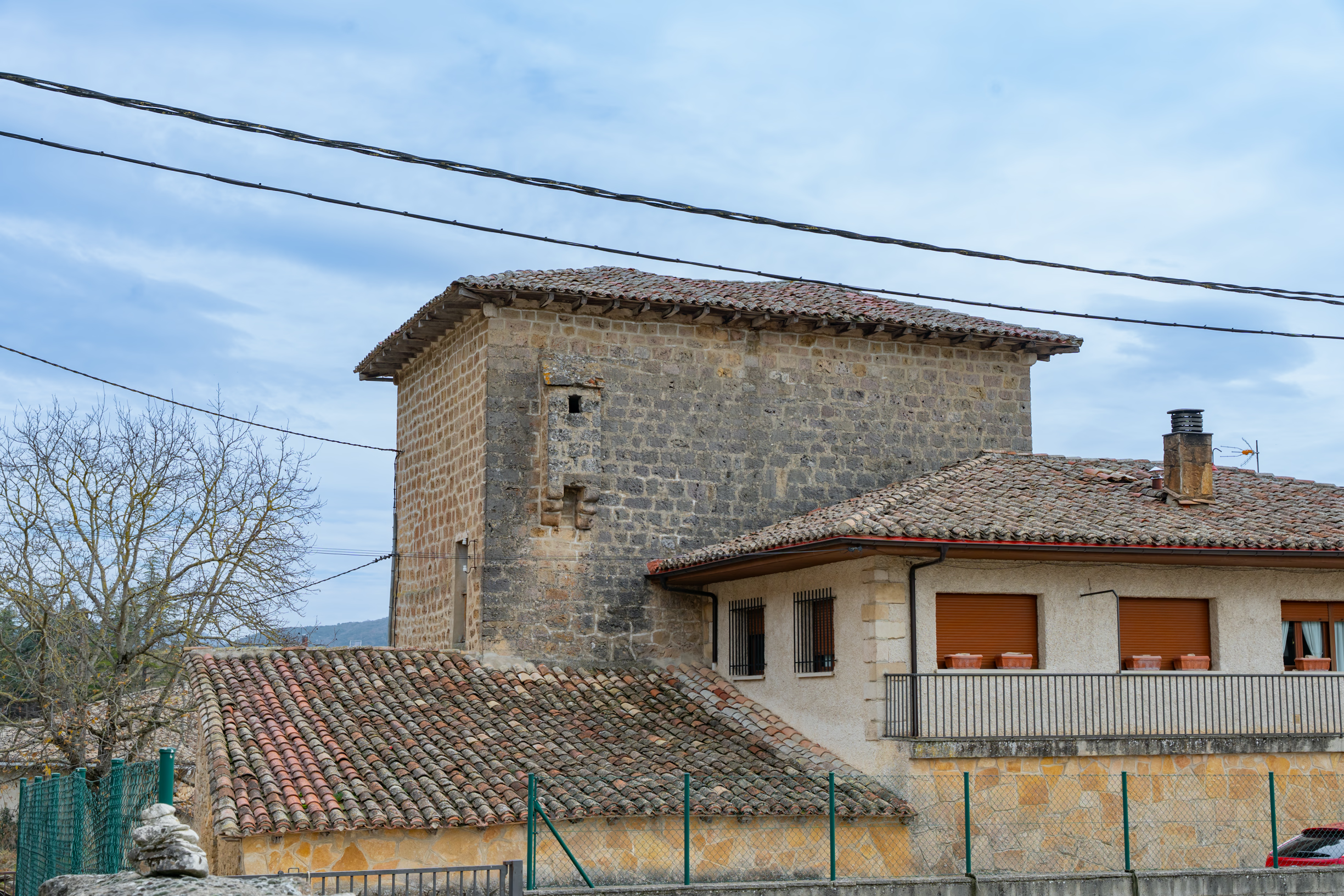
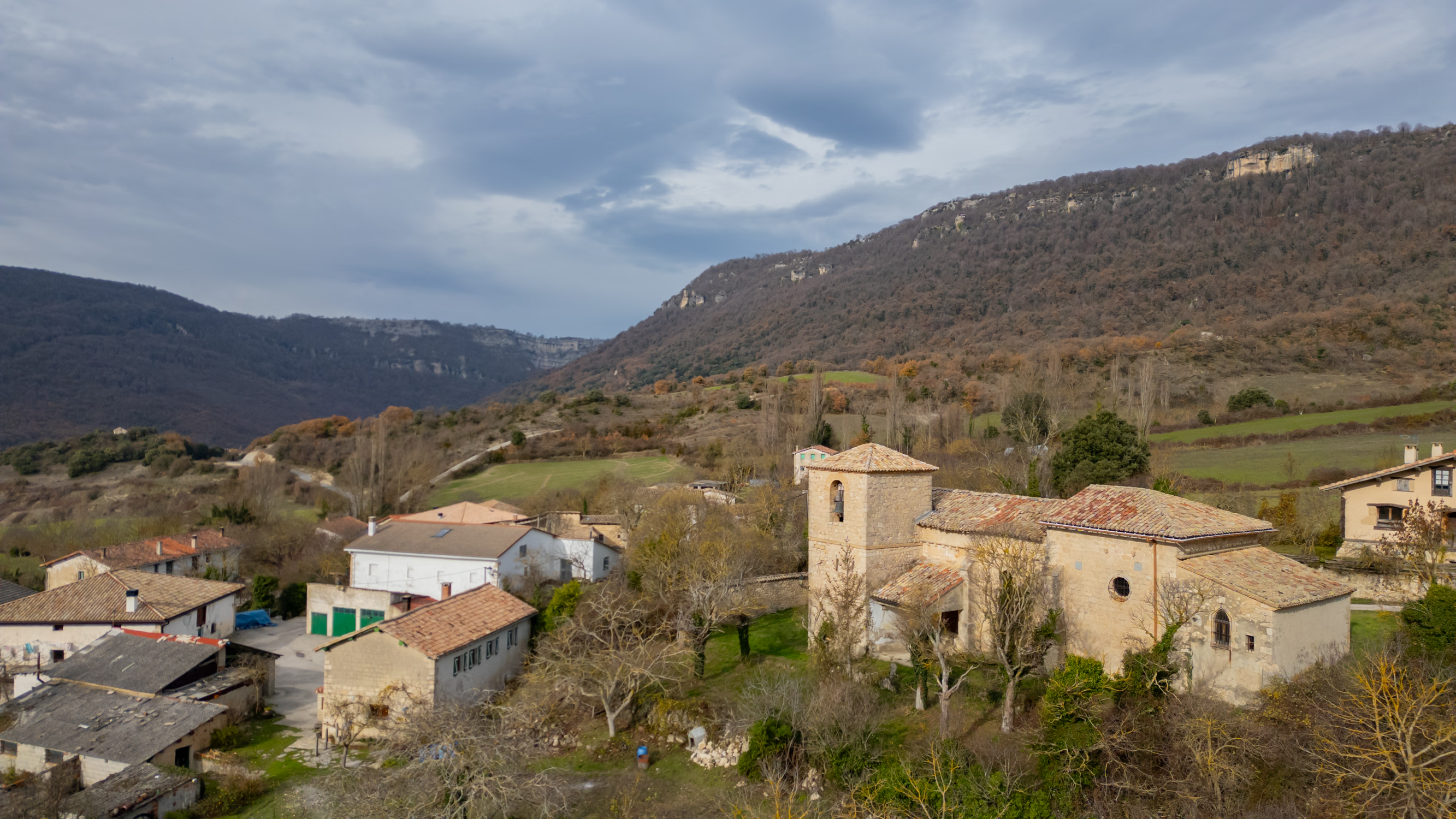
The town center features a spacious and open layout, highlighted by 16th- and 18th-century houses bearing coats of arms that attest to the town’s historical significance within the valley. Dominating the town are two of its main heritage landmarks: the Church of San Martín de Tours, the center of local life, and the Casa-Torre Fortress, a testament to a defensive and stately past that is still visible in the townscape.
In the religious sphere, the Chapel of Our Lady of Mercy, of medieval origin and renovated in the 16th century, also stands out. Inside, it houses a Gothic carving of Saint Bricio, patron saint of coal miners, as well as 16th-century images of Our Lady of Mercy and Saint Mark—artifacts that help illustrate the importance of popular piety in the valley.
The ethnographic heritage adds another layer of interest to the visit. The complex consisting of the three-spout public fountain (1913), the watering trough, and the restored washhouse evokes a way of life tied to water, shared labor, and community life.
From the village itself, trails lead to the Sierra de Lóquiz, the Urbasa-Andía Natural Park, and the ascent to Mount Larregoiko, offering ideal routes for enjoying the landscape and the silence of the mountains.
The patron saint festivities, held on November 11 in honor of Saint Martin, along with traditions such as the raising of the maypole in early spring and participation in the Améscoas Valley Festival, keep the community spirit of this mountain village very much alive.