A Natural Balcony Overlooking La Solana
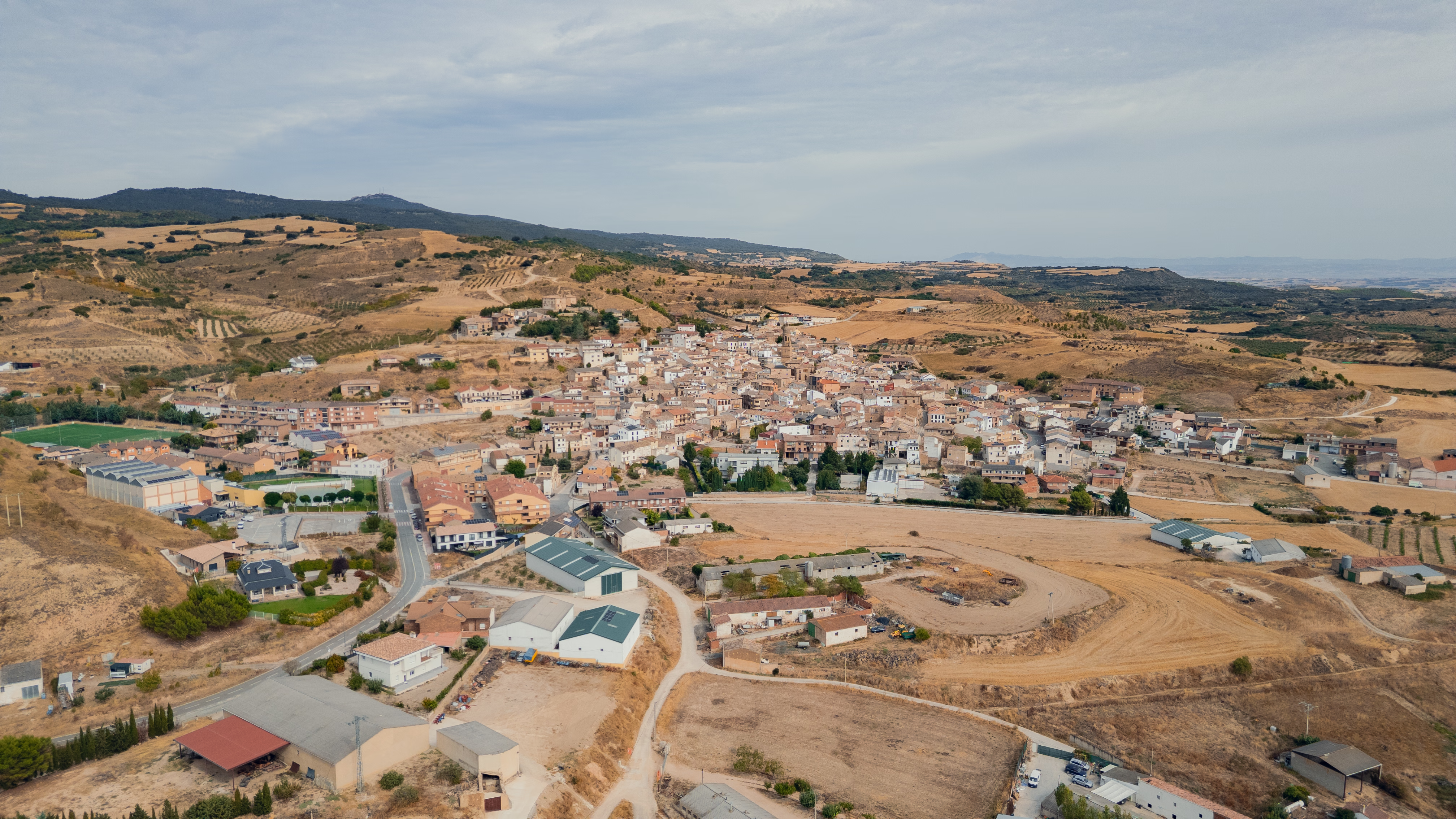
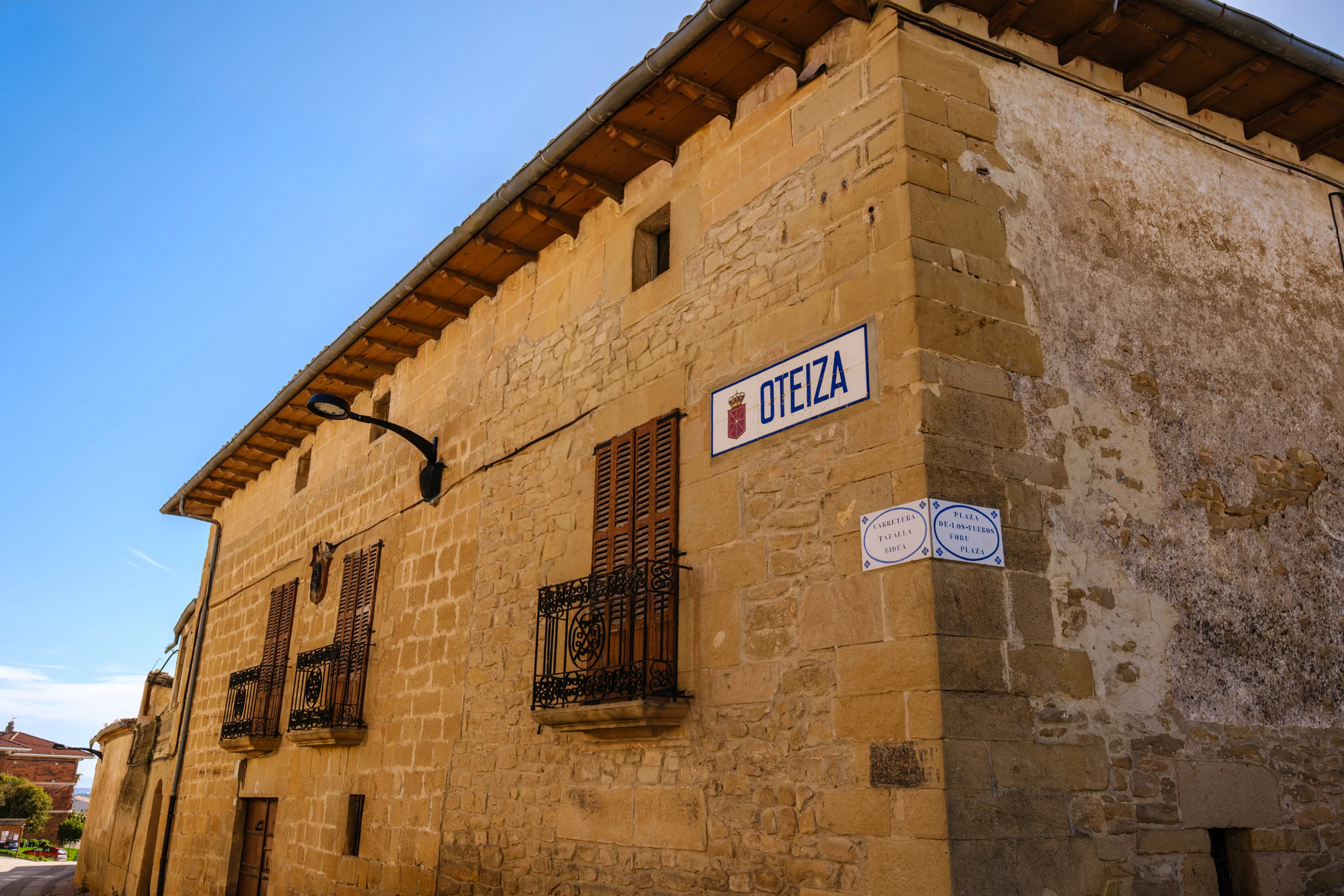
Perched on a hill at an elevation of more than 500 meters, Oteiza offers spectacular views of the fields of La Solana and the silhouette of Montejurra.

A mountain village where legends and traditions are still alive.
Perched on a hill at an elevation of more than 500 meters, Oteiza offers spectacular views of the fields of La Solana and the silhouette of Montejurra.
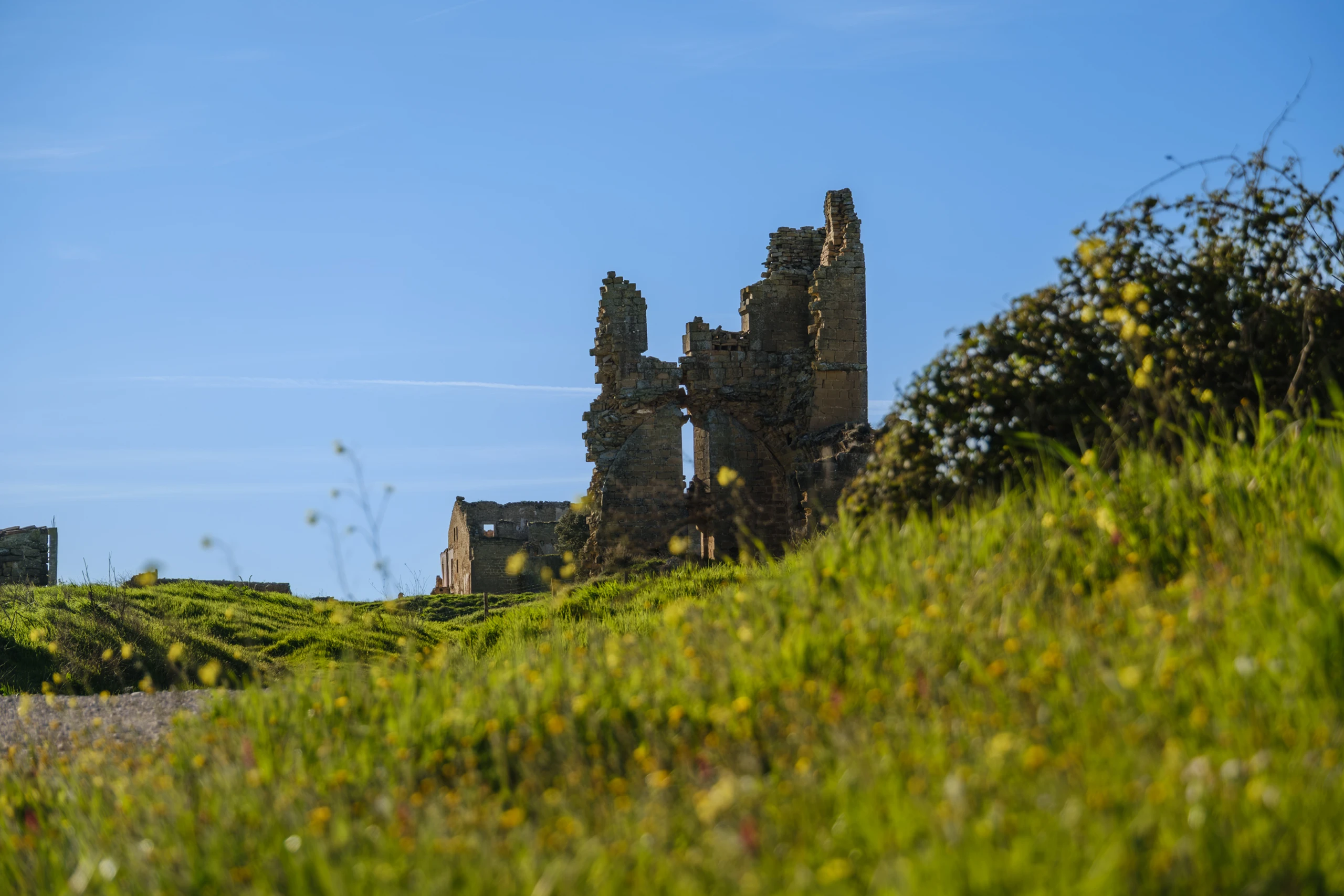
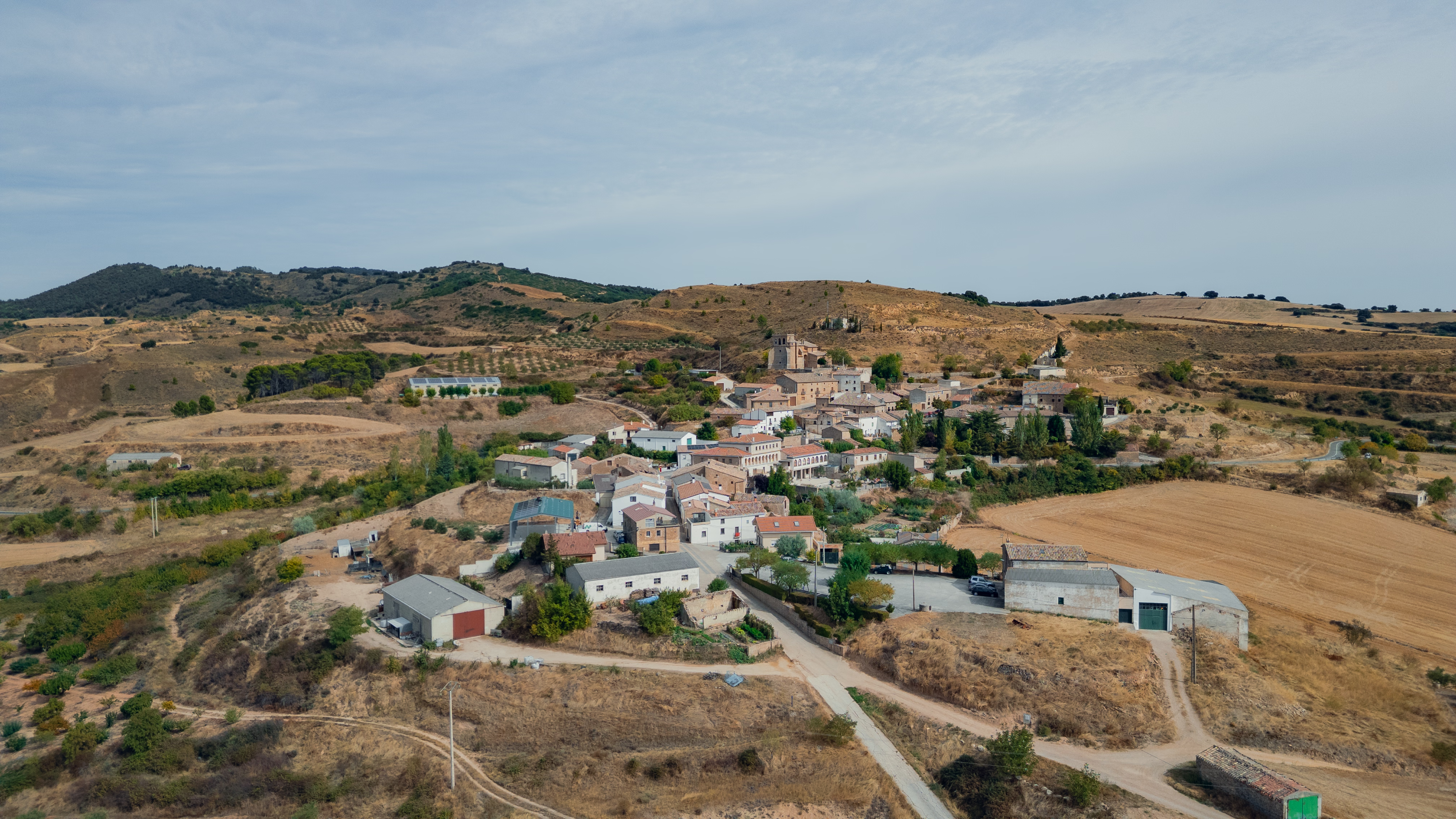
The medieval hamlet of Baigorri, the Roman ruins at San Tirso, the cisterns restored through auzolan, and the dry-stone structures reveal a landscape that has been cultivated and inhabited for generations.
Pilgrimages, local festivals, the rural carnival, and the legend of the whale at Idoia’s pond are all part of a vibrant local identity that is still celebrated and shared among neighbors today.
Oteiza can be visited year-round. Spring is the perfect time to enjoy pilgrimages such as the one for San Tirso and explore the surrounding trails. Fall and winter offer the chance to experience traditional celebrations and see the landscape of La Solana in a different light.
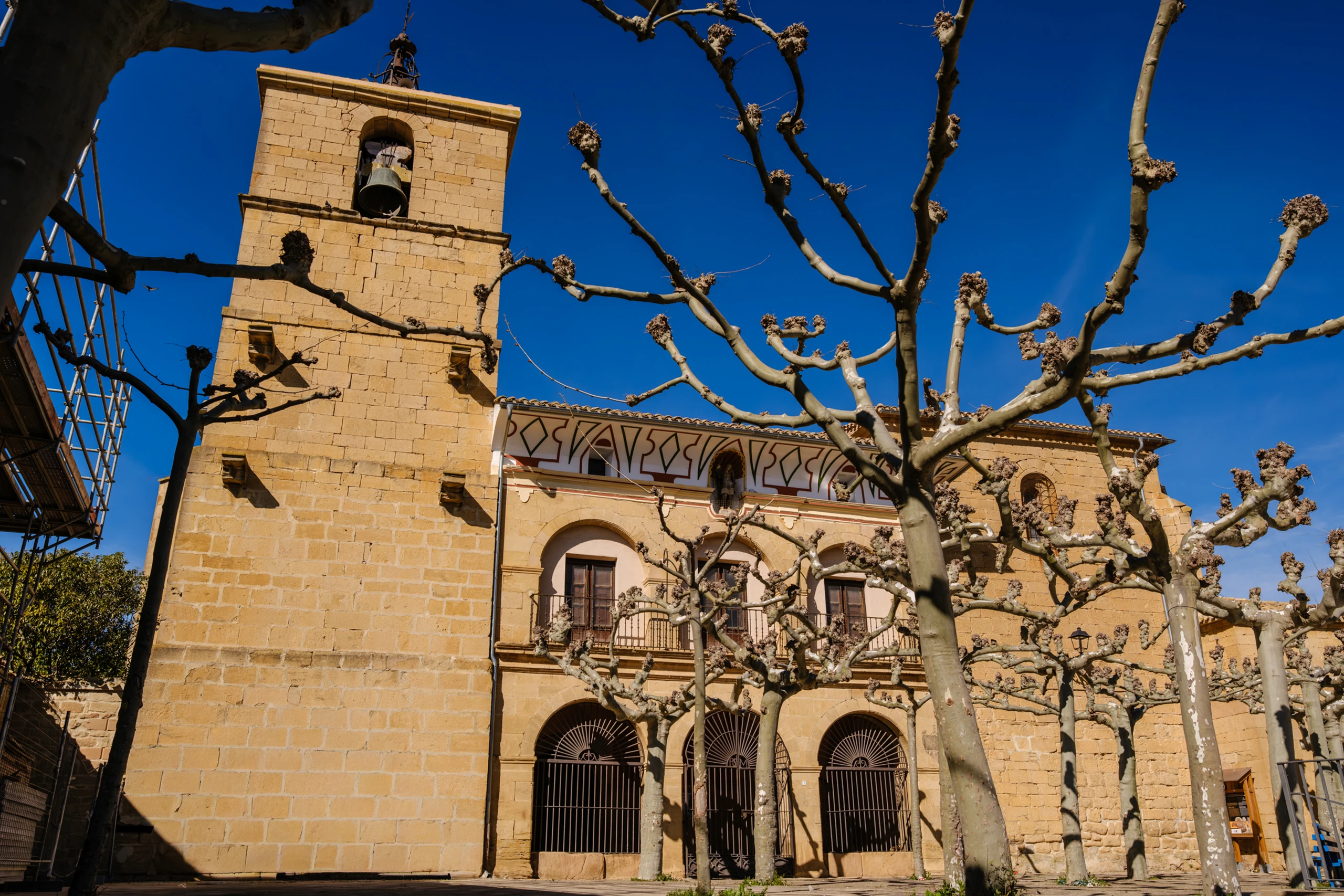
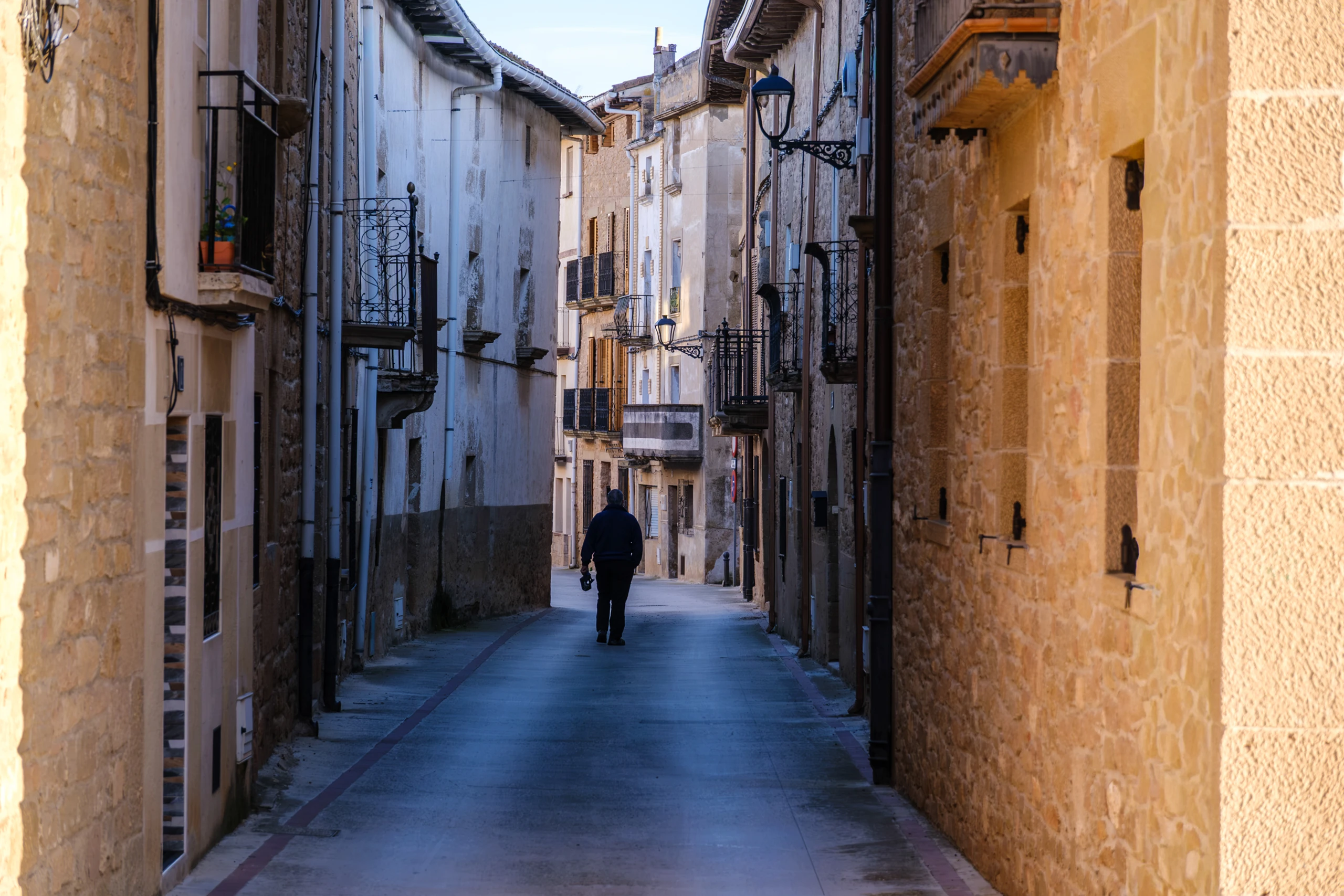
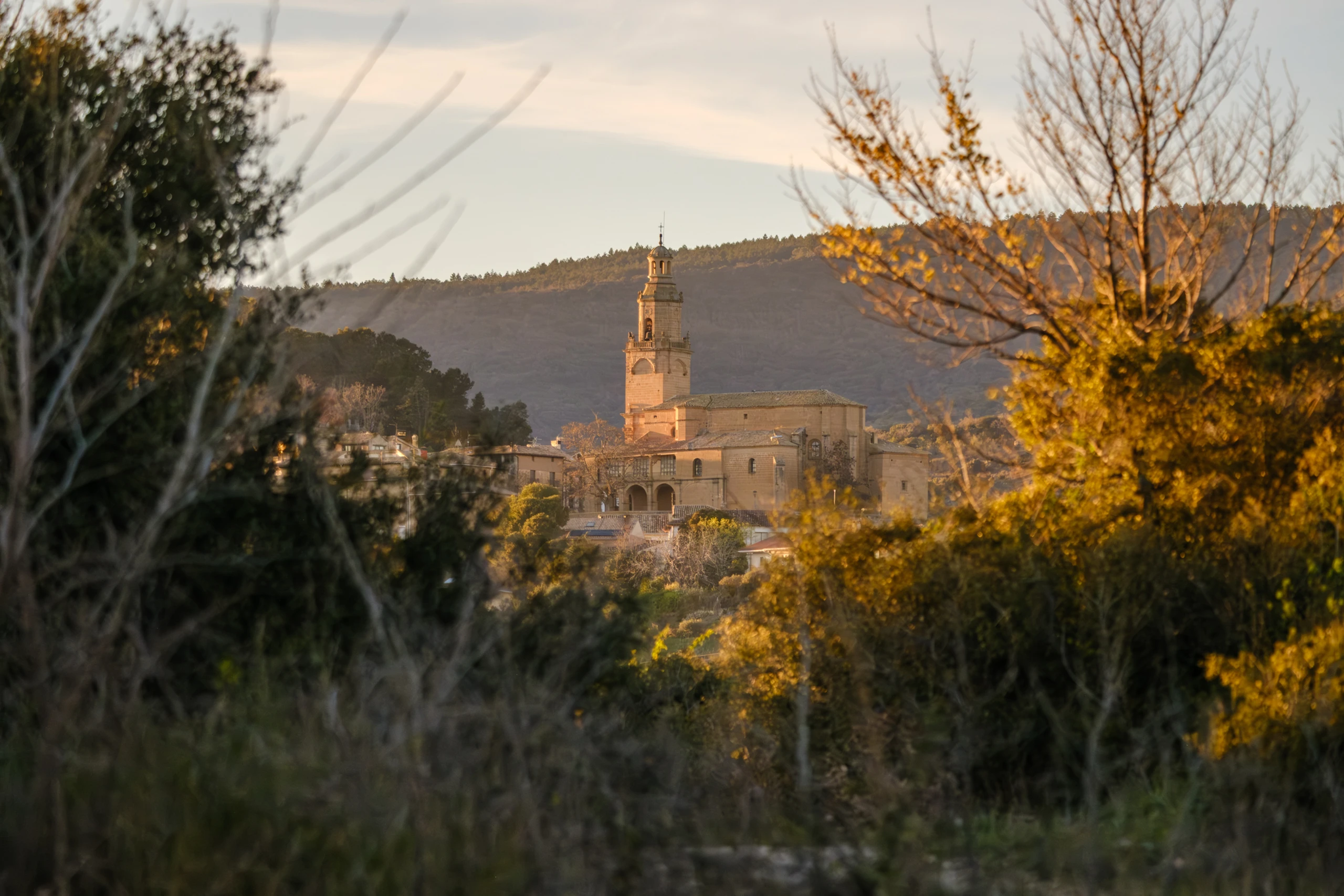
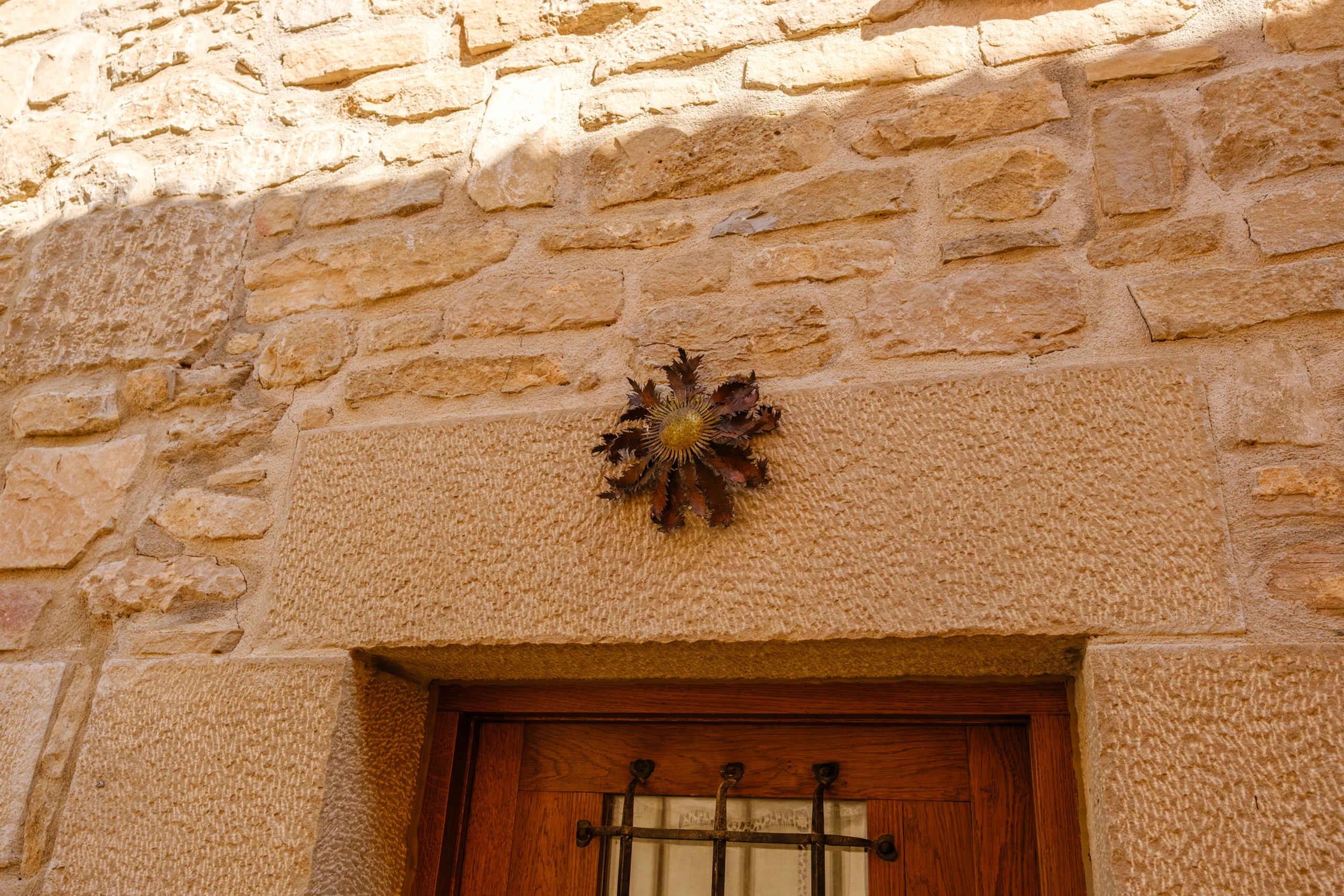
Oteiza’s urban layout combines open spaces with steeply sloping streets. The central square is home to some of the town’s most iconic buildings, such as the Church of San Miguel and City Hall. From this point, the village spreads out toward Calle Mayor and climbs up to the chapel of San Salvador or Santa Bárbara. This chapel is located at the top of the village and offers one of the best natural viewpoints in the area. Along the route, you’ll see houses bearing coats of arms and 18th-century buildings that speak to a past marked by institutional and economic significance.
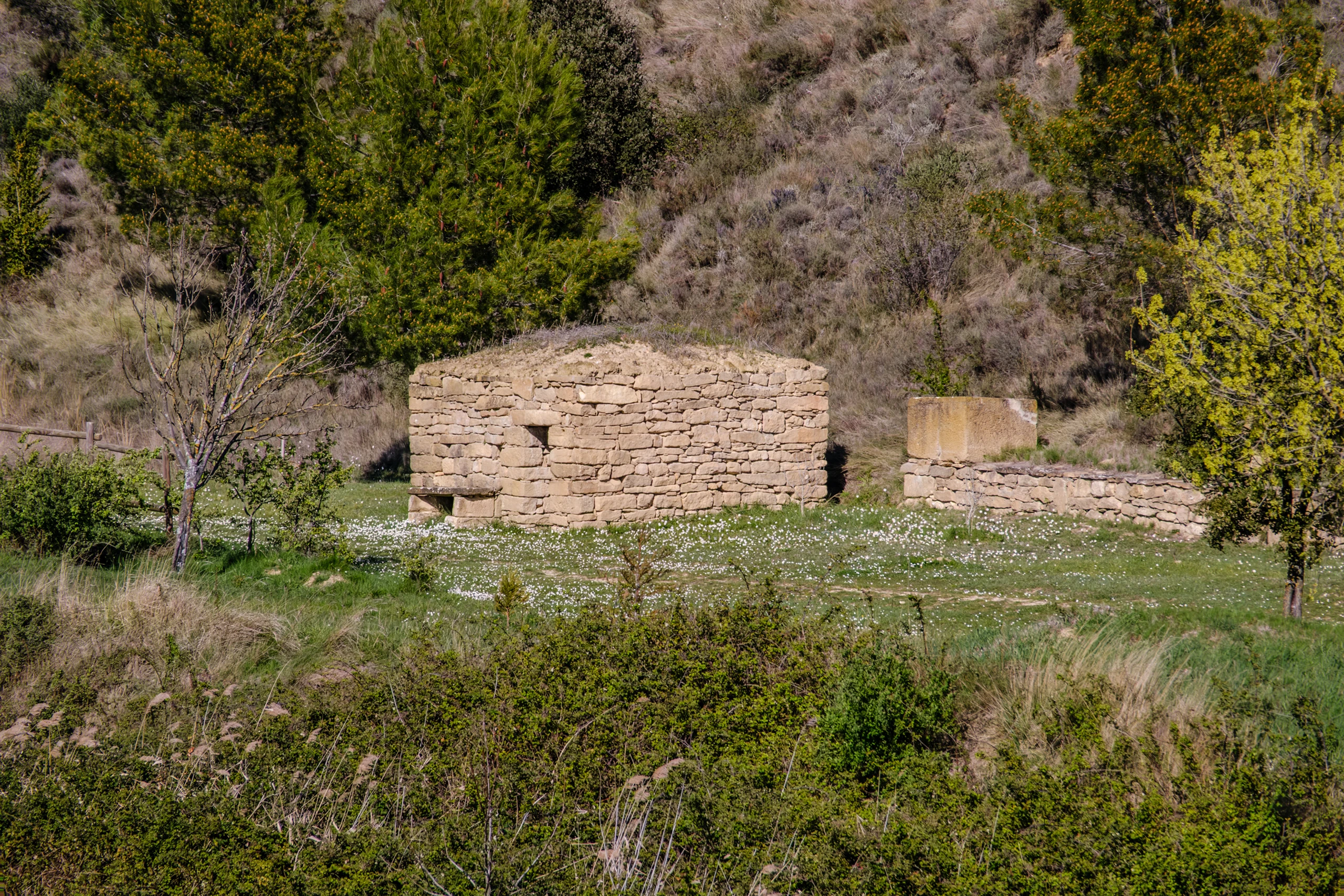
The area surrounding Oteiza extends the visit beyond the town center. Hills such as San Bartolomé, San Marcos, and Santa Bárbara, along with rural paths and dry-stone walls, create an ideal setting for exploring on foot or by bicycle. The landscape is complemented by dry-stone walls and structures, including the traditional “guardaviñas”—small agricultural huts that dot the fields and serve as a reminder of how the land has been worked for generations.
The patron saint festivities of San Miguel, the pilgrimage to San Tirso on May 1, the May Festivities, the rural carnival, and the burning of the Rañoso strengthen community ties and keep traditions alive. Added to this is a rich folk imagination, such as the well-known legend of the whale at the Idoia pond, the origin of the nickname “whalers” by which the town’s residents are known. Today, the Cross de la Ballena keeps this memory alive as a well-established sporting event.