
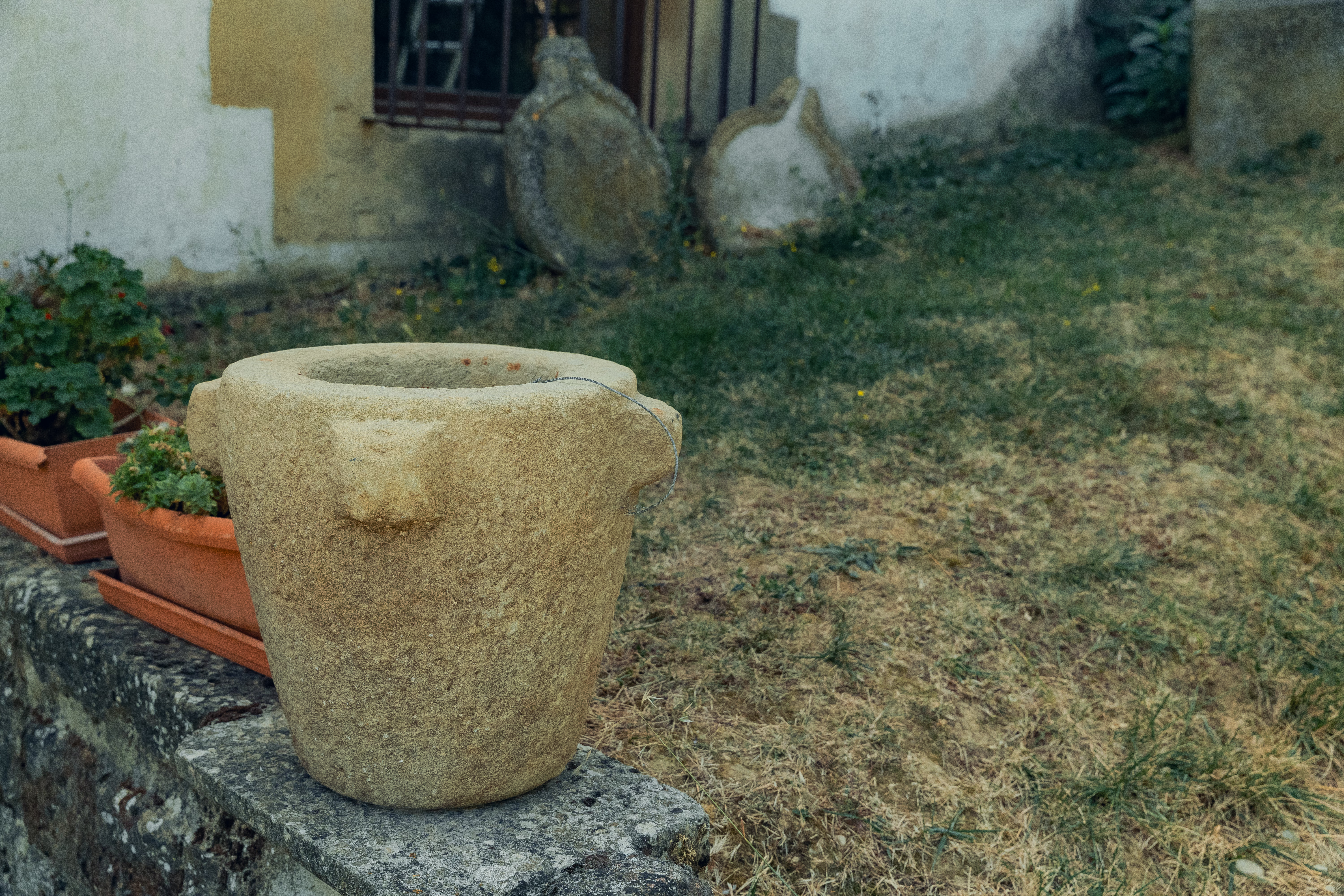
The historic and administrative heart of the valley
As the capital of the Guesálaz Valley, Muez has been a meeting place and regional hub for centuries, and today it continues to maintain a vibrant community life and a strong rural identity.

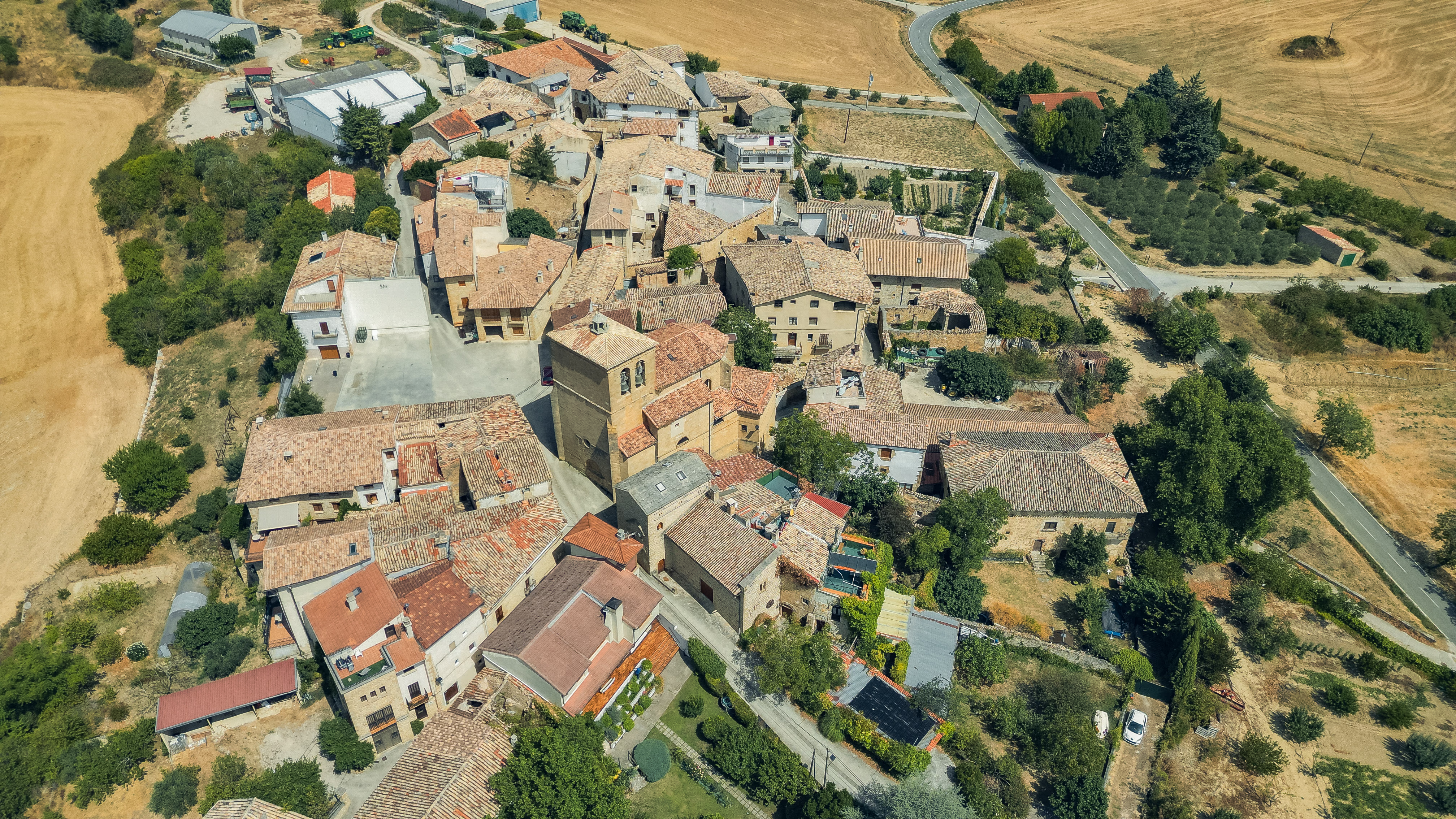
The capital of the Guesálaz Valley: a blend of history, heritage, and nature.
As the capital of the Guesálaz Valley, Muez has been a meeting place and regional hub for centuries, and today it continues to maintain a vibrant community life and a strong rural identity.
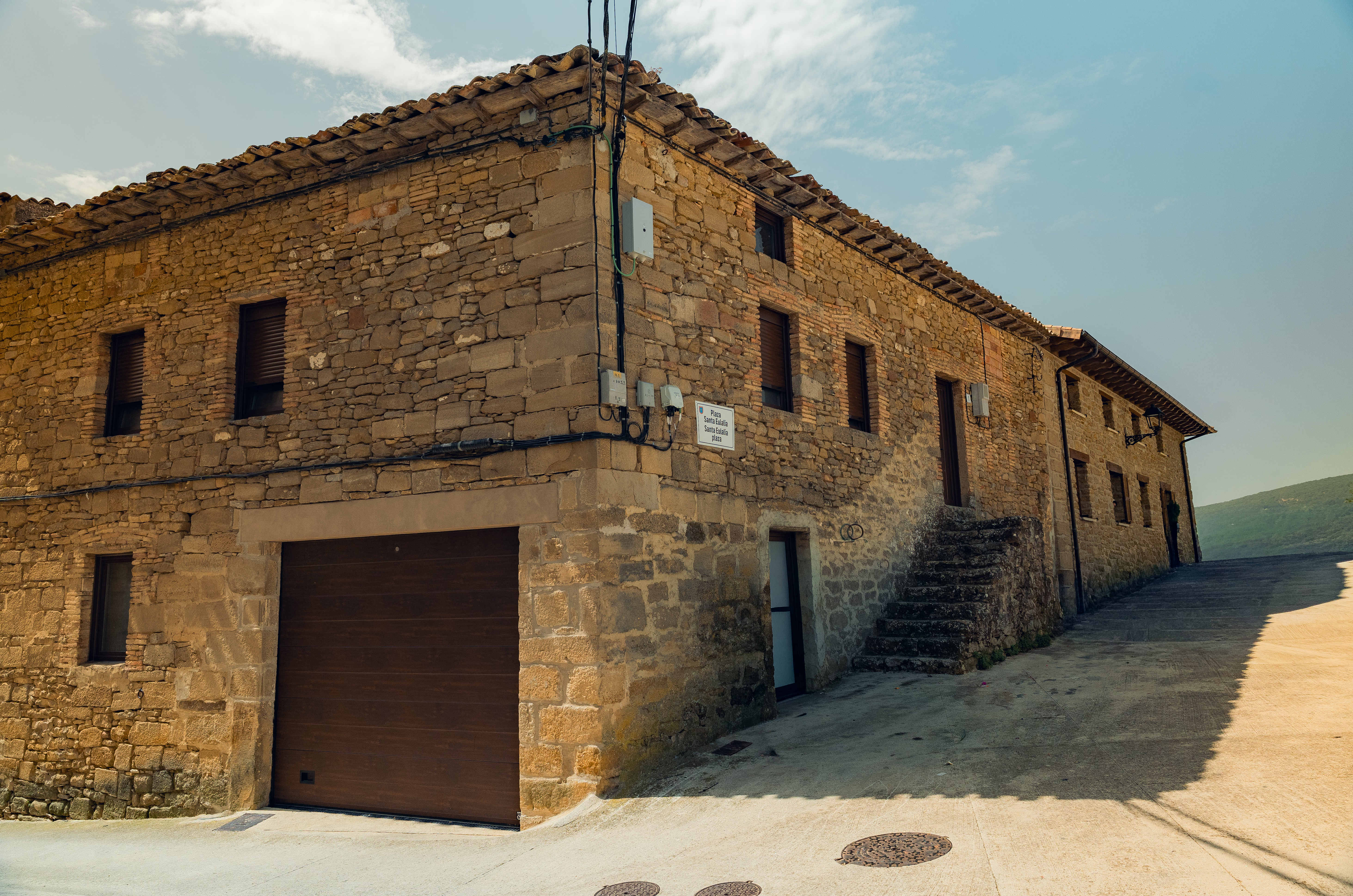
The Battle of Valdejunquera, one of the most significant events of the Middle Ages in Navarre, was fought in the surrounding area in the year 920. The town’s historical legacy is further enriched by Roman ruins and stately buildings in the historic center.
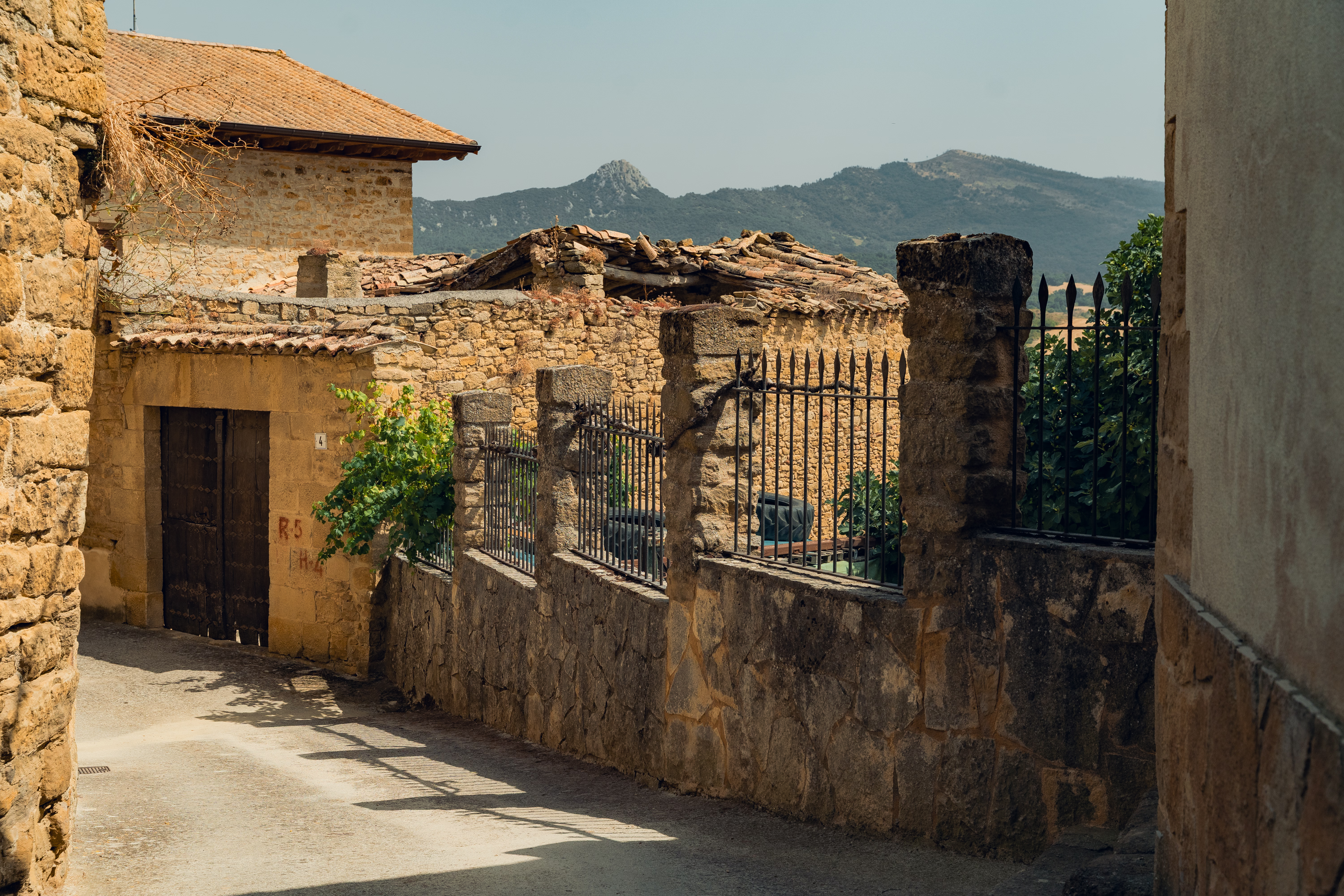
The revival of traditional crafts and the trails that start from the village make Muez an excellent starting point for exploring the valley on foot or by bike.
Muez can be enjoyed year-round. Spring and fall are ideal for exploring its trails and discovering the valley’s landscape in mild temperatures. Summer brings more social activities and local celebrations, while winter allows you to explore the town at a more leisurely pace and enjoy a more relaxed experience of the area.
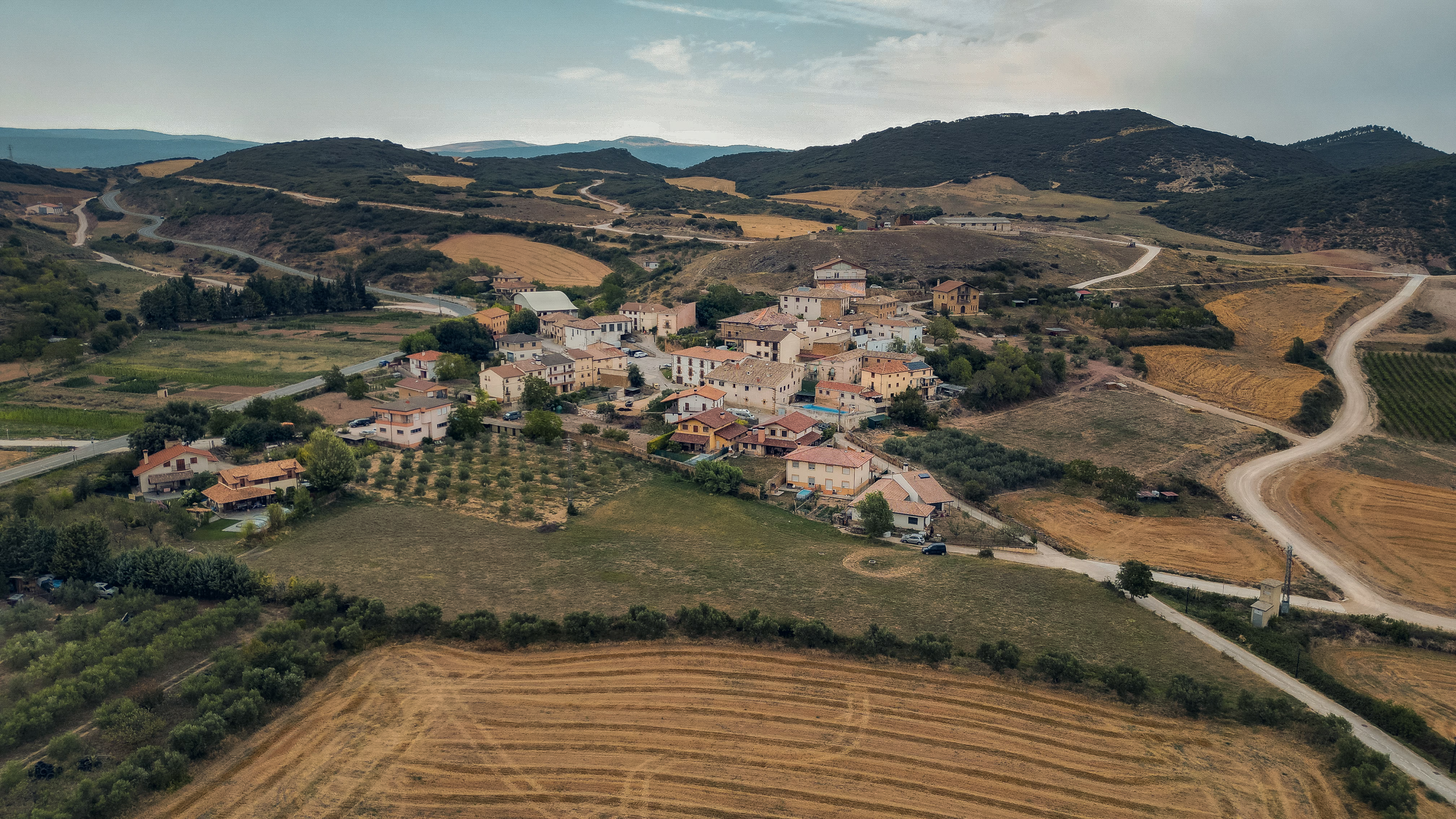
Muez is the heart of the Guesálaz Valley. As the administrative capital, historic center, and gathering place, this small Navarran town combines a rich history with an active rural life that is closely tied to its surroundings.
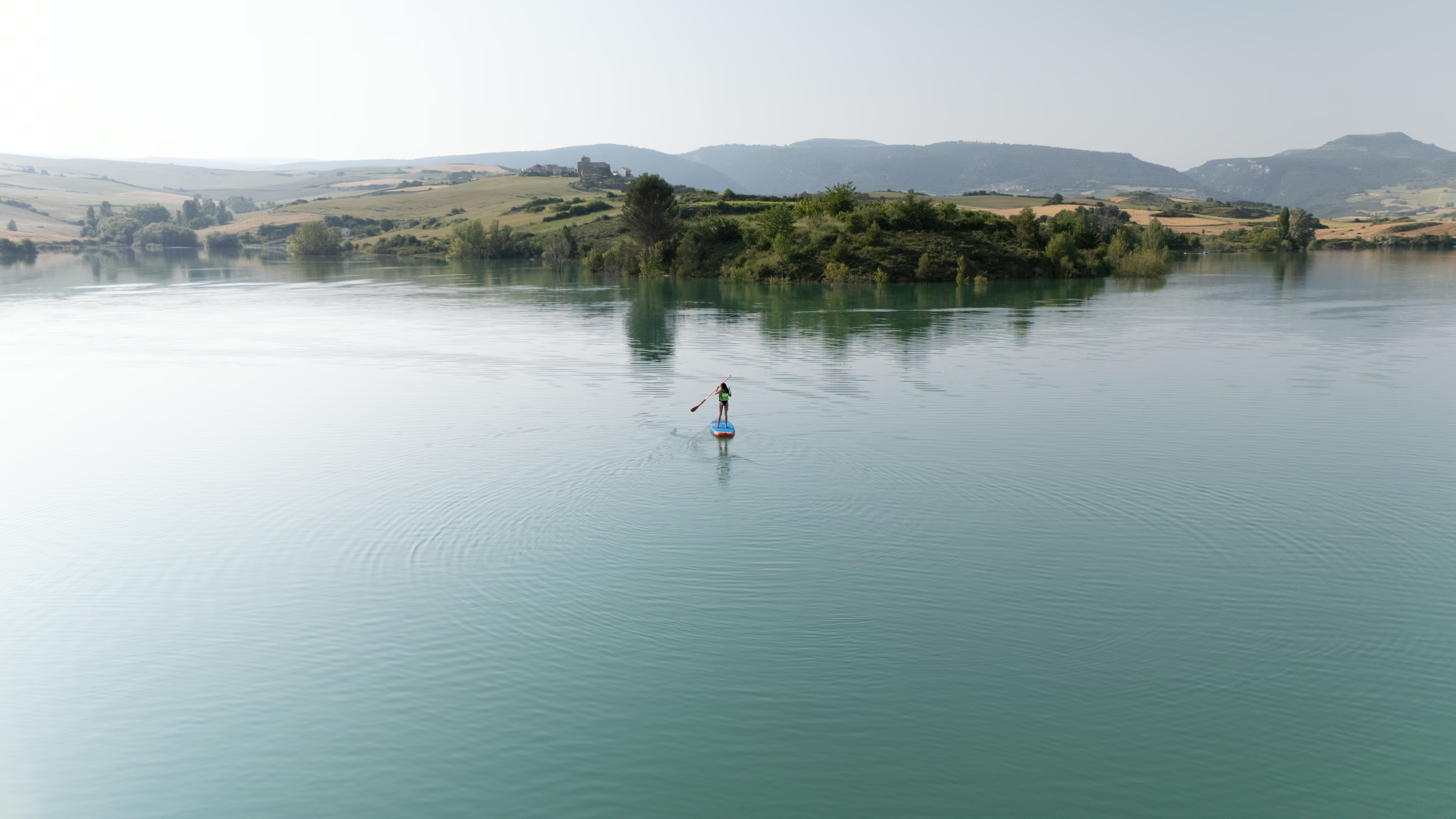
Situated in a central location within the valley and directly bordering the neighboring Yerri Valley, Muez is nestled among grain fields, waterways, and rolling hills that herald the foothills of the Sierra de Andía. Its location has been strategic since ancient times, a fact evident today both in its heritage and in the significance of the events that took place here.
As early as Roman times, this area was inhabited, as evidenced by the 1st-century A.D. funerary stele reused in the parish church—one of the most unique epigraphic artifacts in Tierra Estella. This relic attests to the long historical continuity of a territory occupied since ancient times.
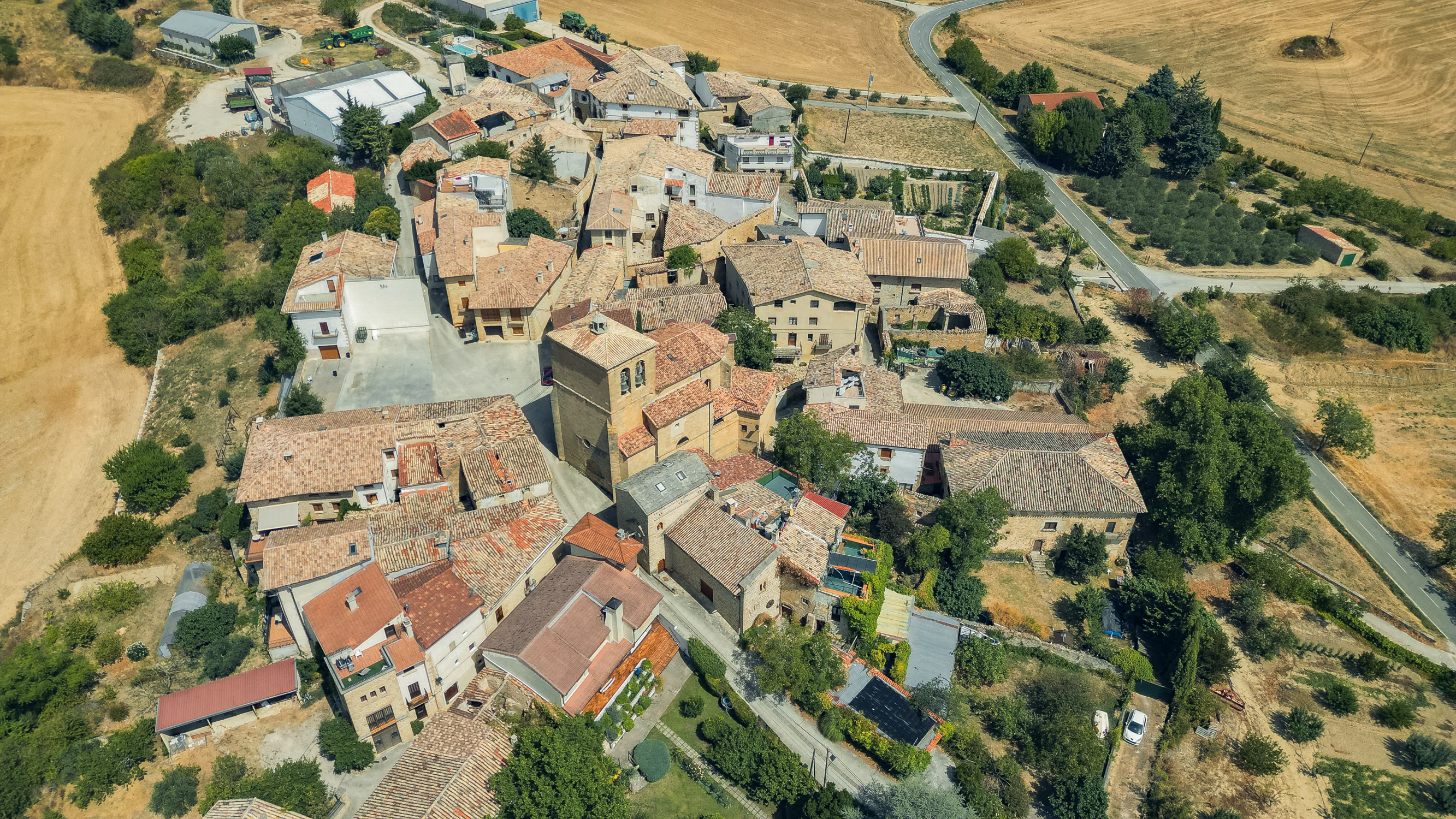
The hamlet is centered around the imposing Church of Santa Eulalia, flanked by houses bearing coats of arms, old noble residences, and the well-known Casa del Conde, a medieval tower house that once marked the entrance to the village. Well-maintained streets, community spaces, and an active neighborhood life complete a setting that invites visitors to pause and explore it at a leisurely pace.
In recent years, Muez has worked to revive the memory of the traditional trades that once brought the village to life, such as candle-making, shoemaking, carpentry, tailoring, and veterinary medicine. Through the signage on homes and the collection of artifacts and testimonies, these artisanal activities remain part of the collective narrative, reinforcing local identity and the bond between generations.
Muez is also steeped in medieval history. The Battle of Valdejunquera was fought in its vicinity in the year 920, one of the most significant events of the Middle Ages in Navarre. Today, this historical event remains very much a part of the local identity thanks to the reenactment of the Battle of Valdejunquera, a historical reenactment typically held in July that transforms the village into a medieval setting with performances, a themed market, and period-appropriate activities that bring this episode to life for visitors.
Several marked trails also start from the sports center, ideal for exploring the valley on foot or by bike and connecting heritage, landscape, and nature.
2 resultados
Muez
Circular · 29,6 km · 3 h 30 min
Muez
Circular · 20,3 km · 5 h
Mostrando 1-2 de 2 resultados
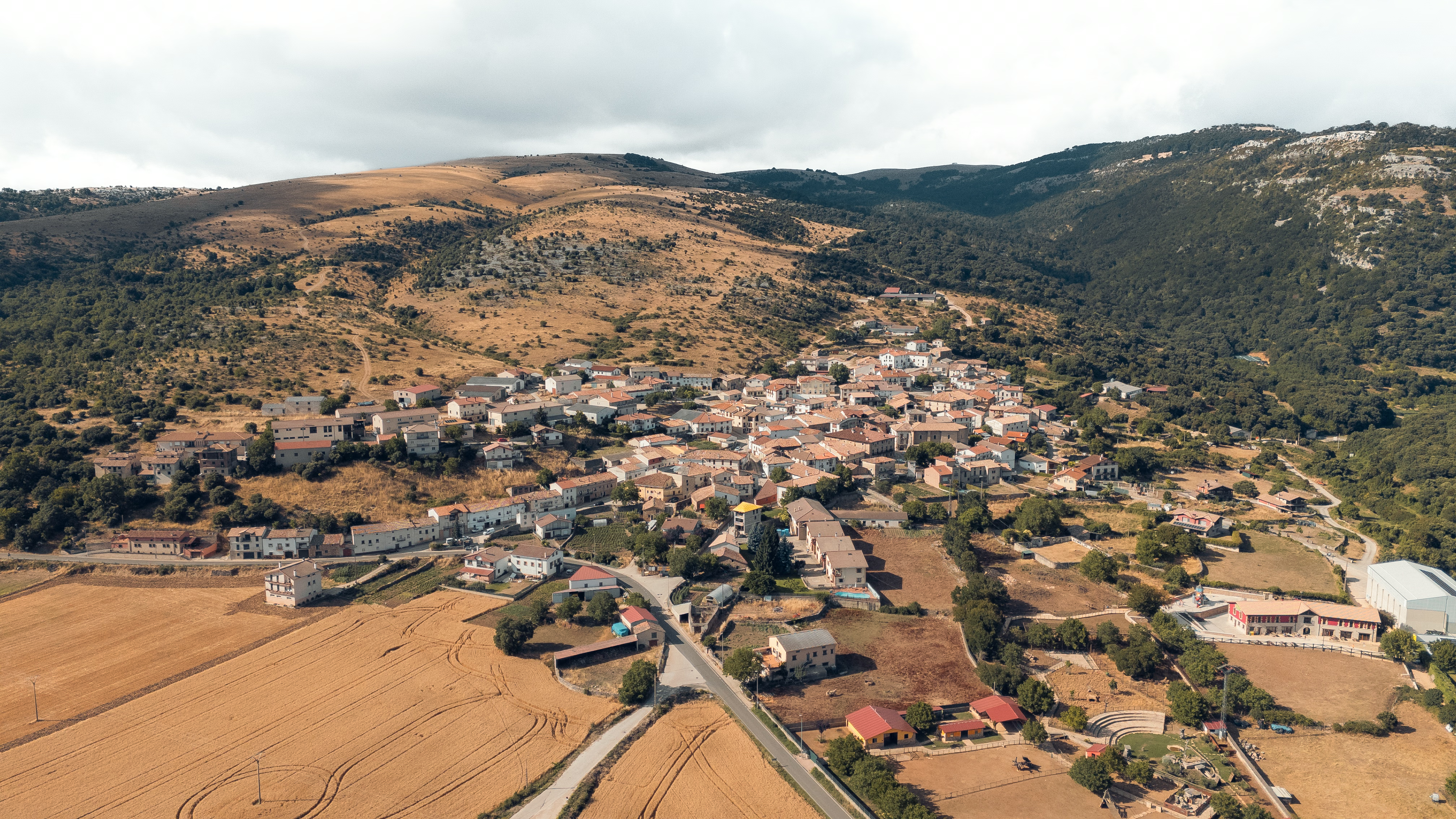
Una villa de montaña, paisajes kársticos y tradición ganadera.
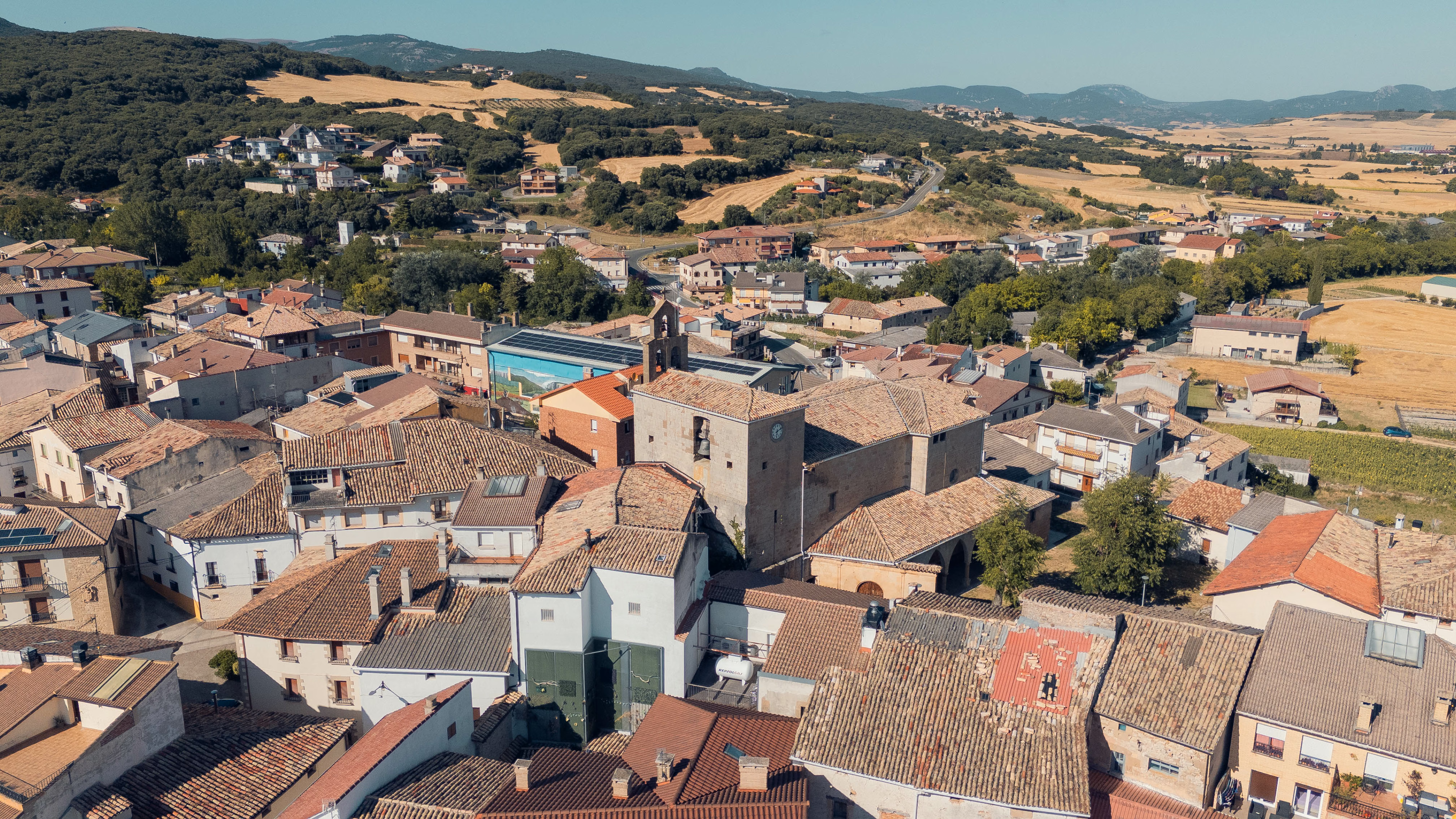
La puerta de entrada al valle de Irantzu, entre montañas y patrimonio monumental.
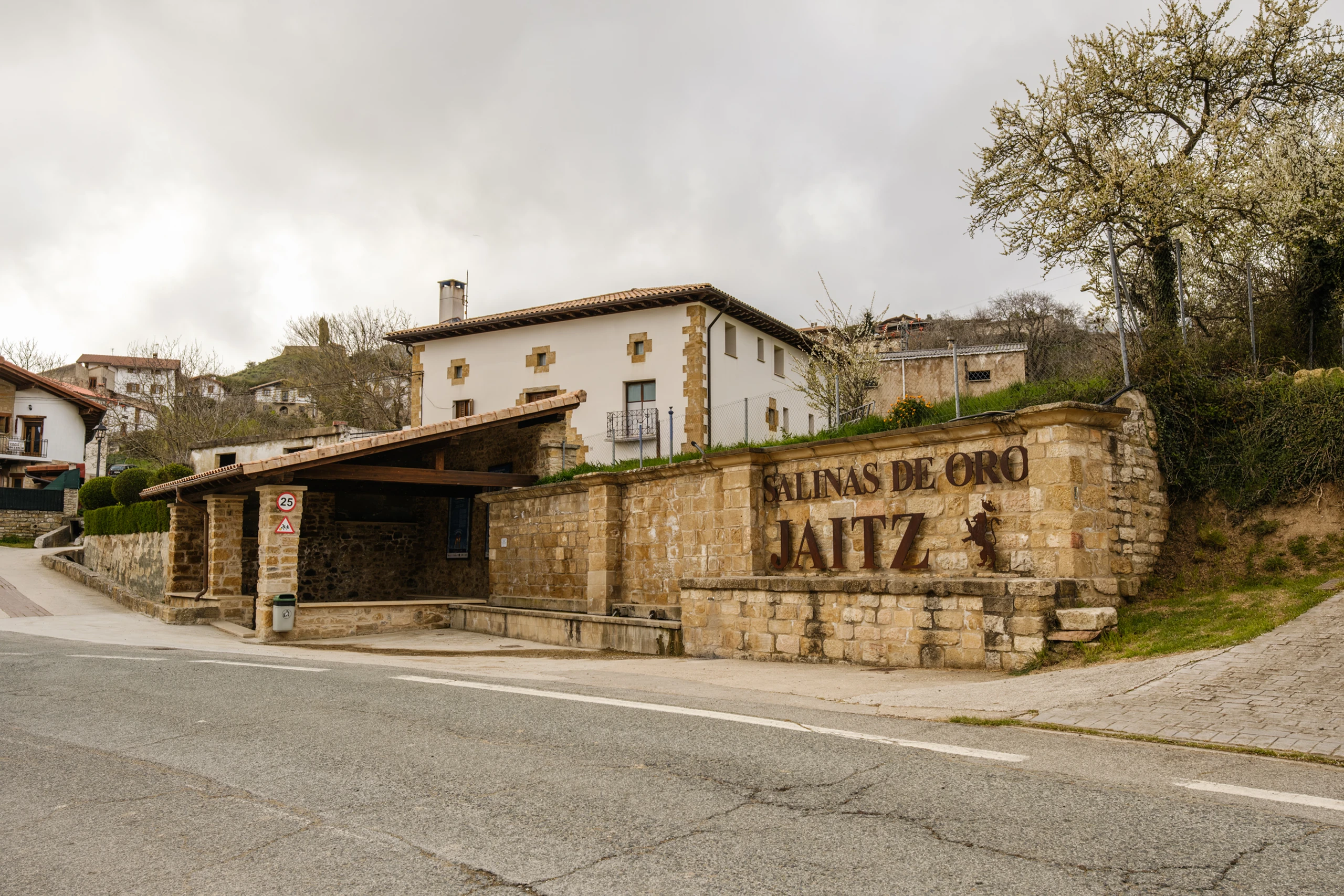
Una villa donde la sal ha dado forma al paisaje, a la historia y a la identidad.
La puerta de entrada al embalse de Alloz, donde la naturaleza invita a disfrutar y a desconectar.