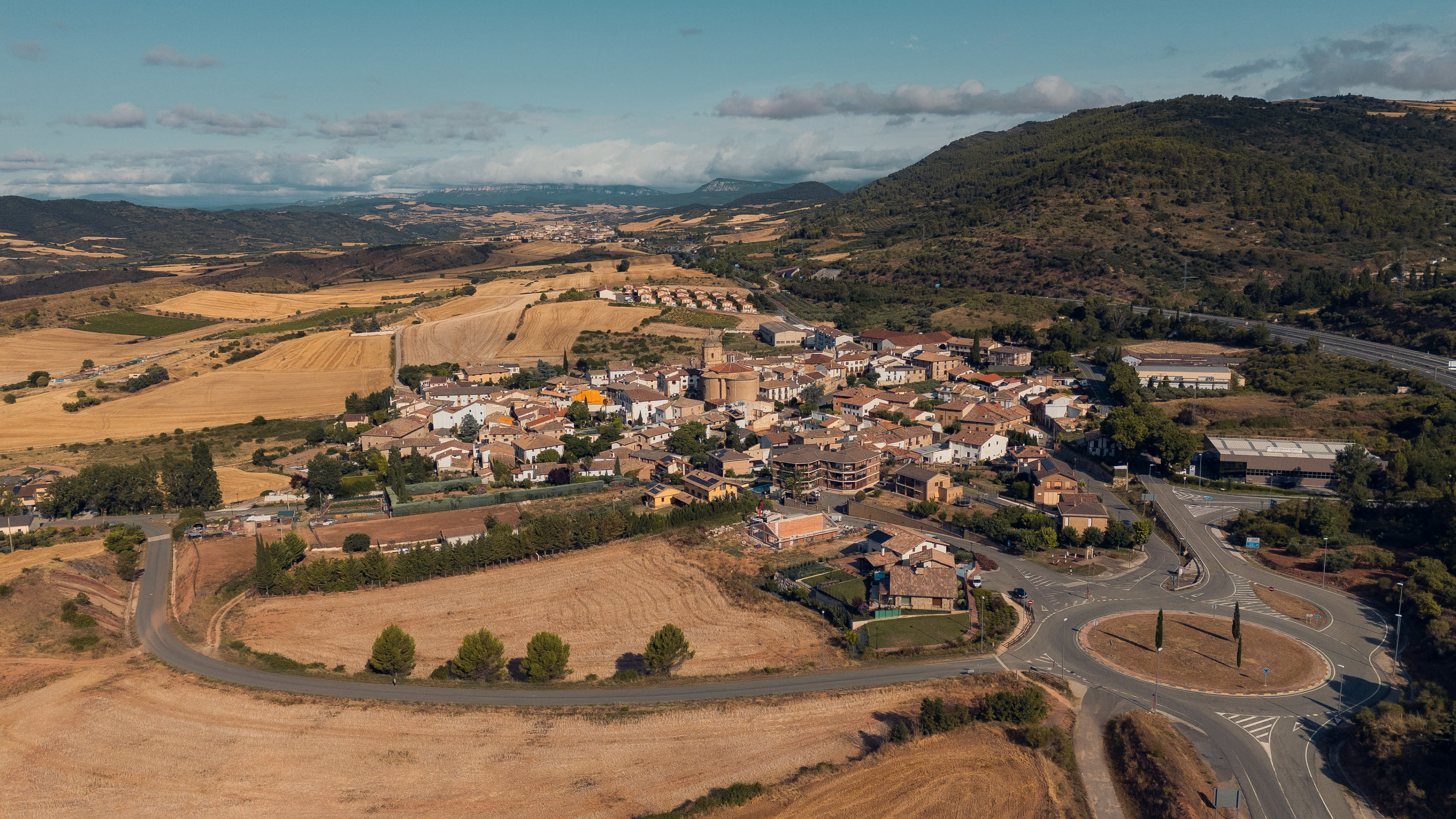
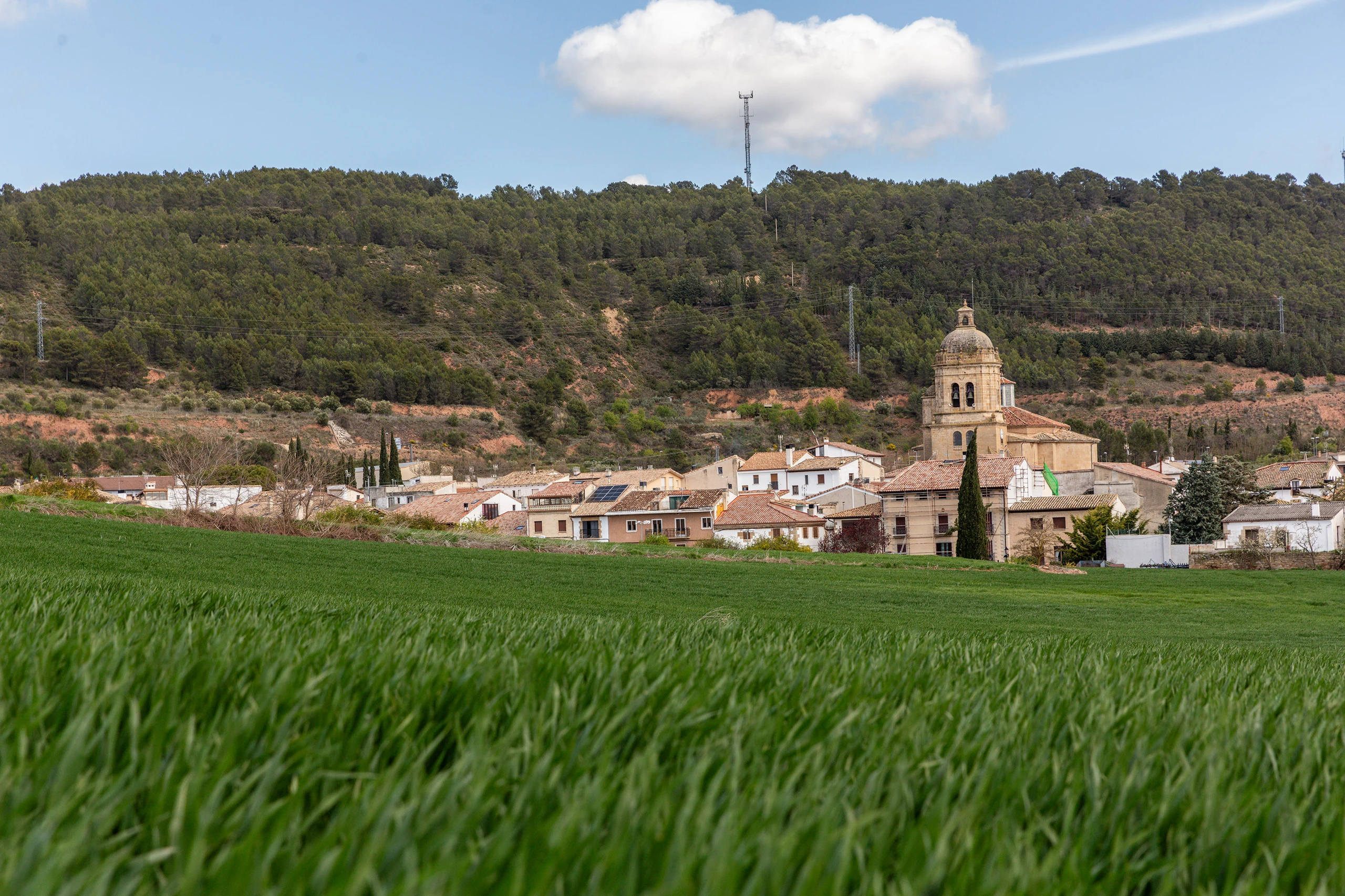
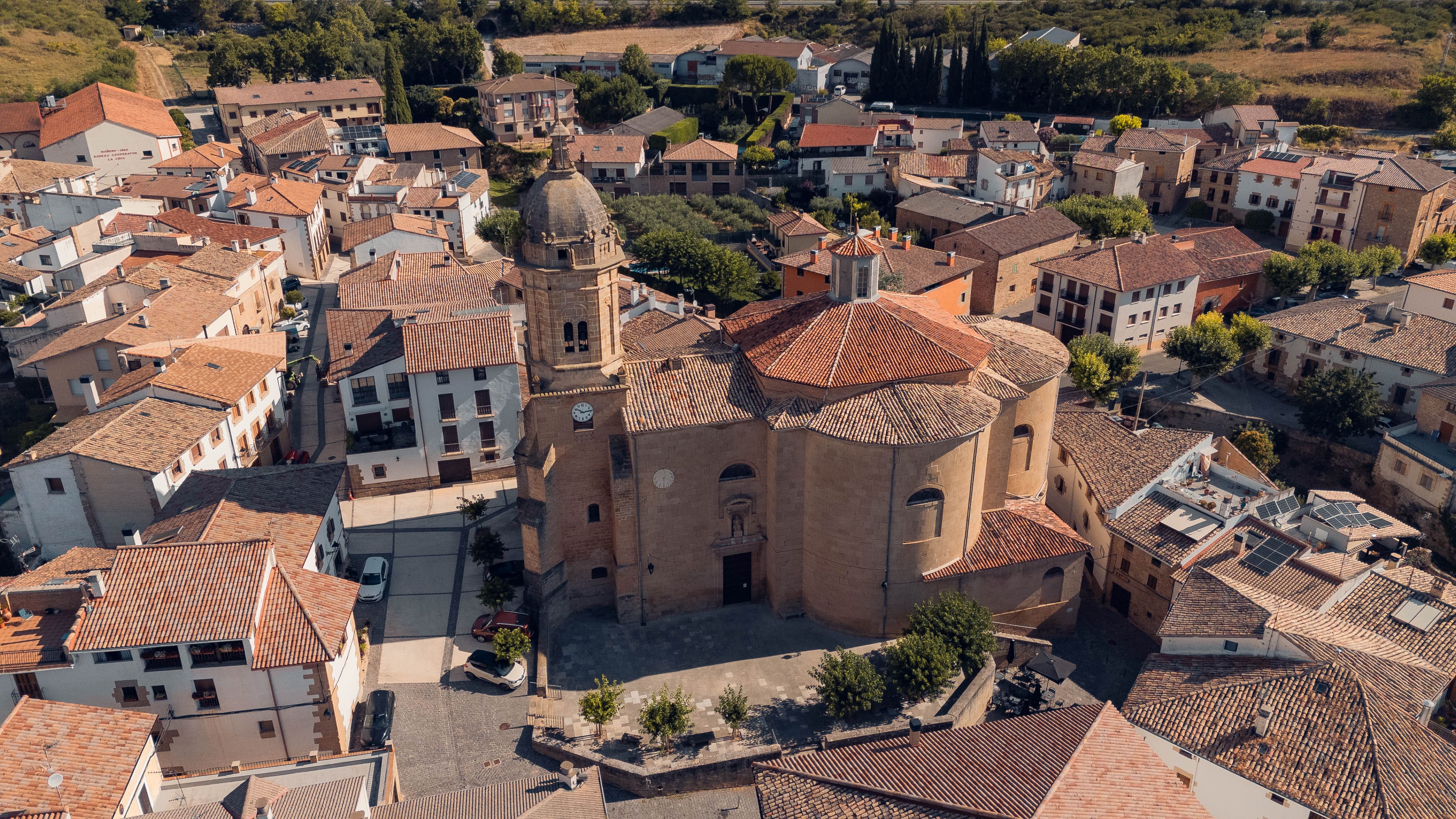
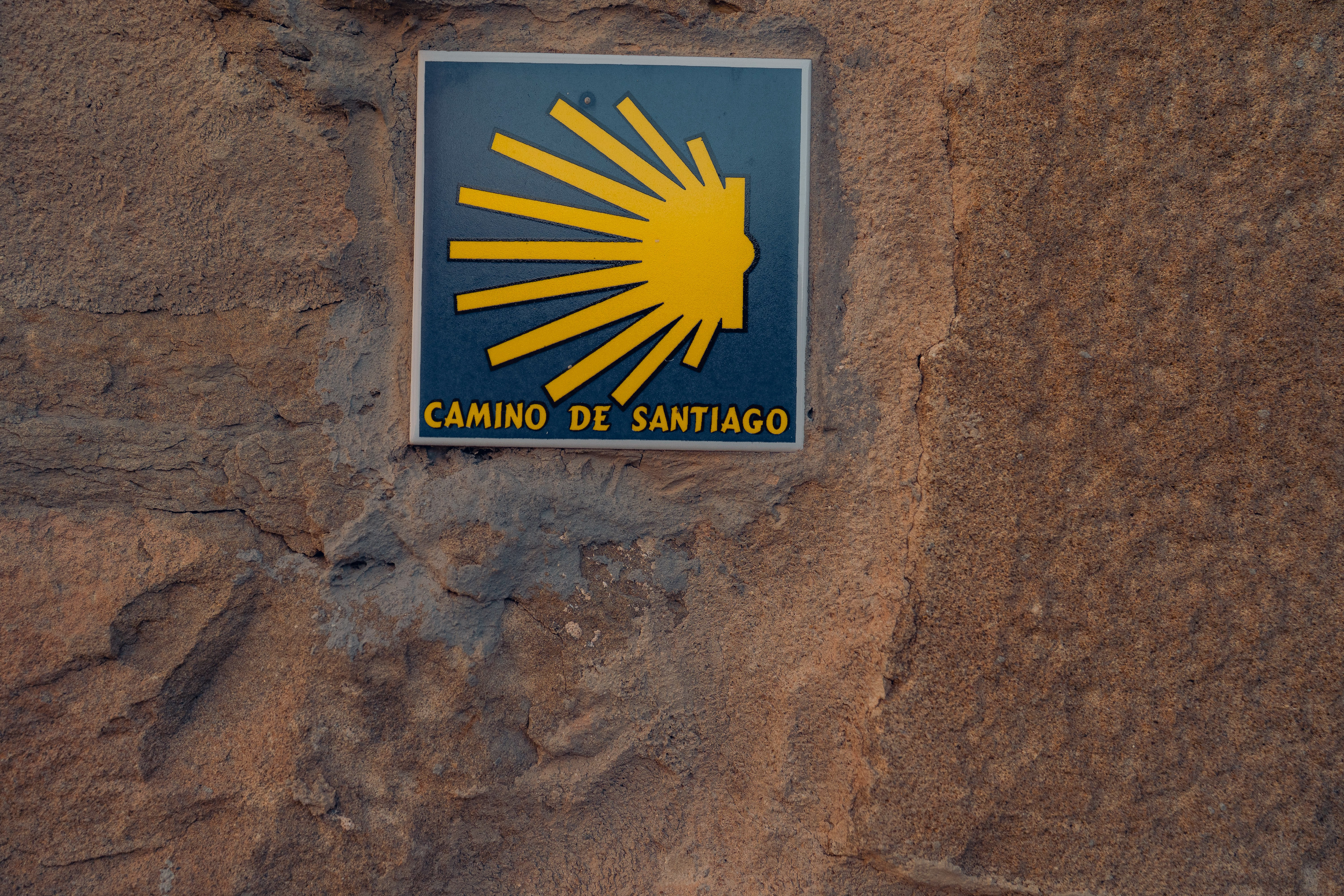
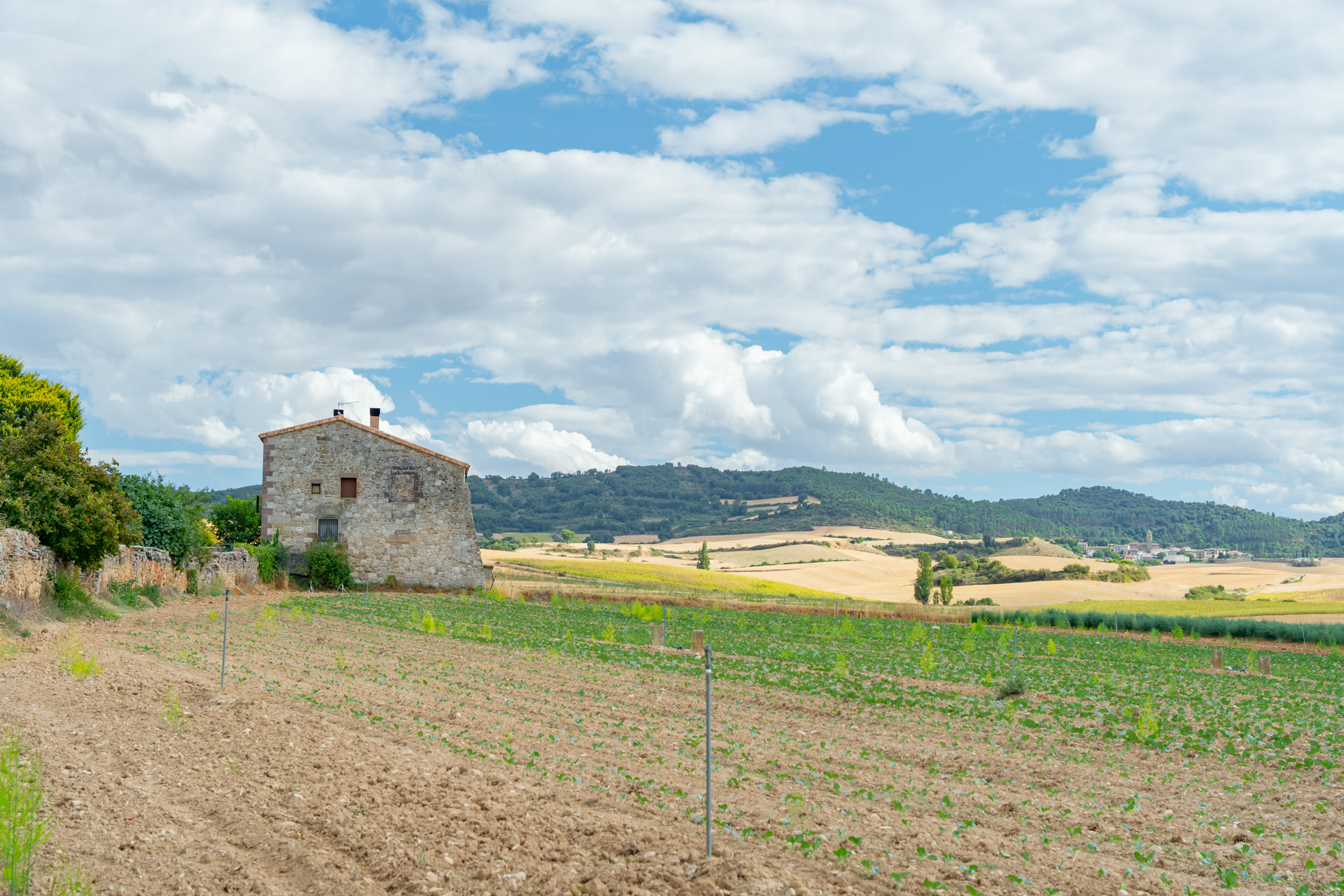
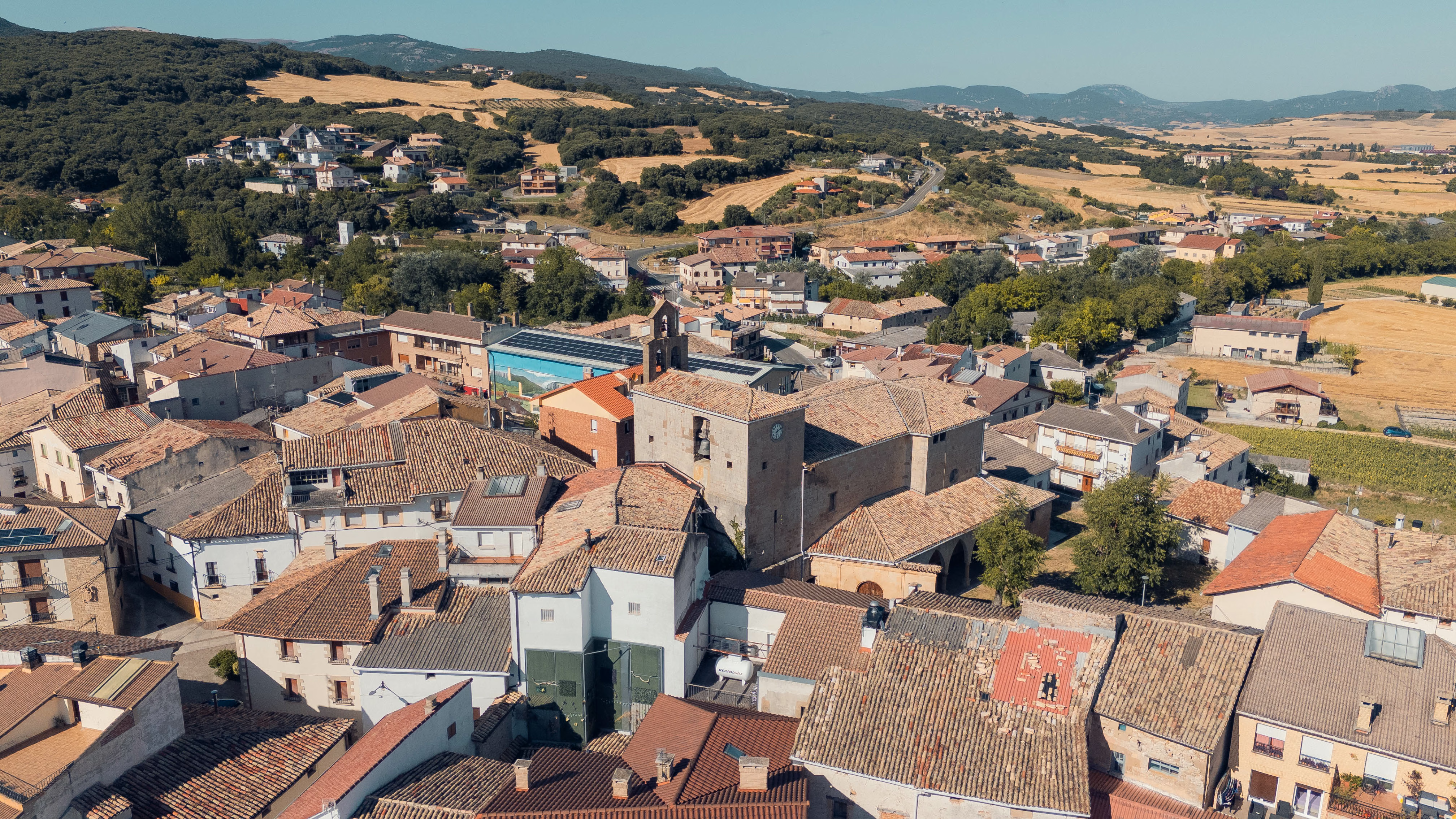
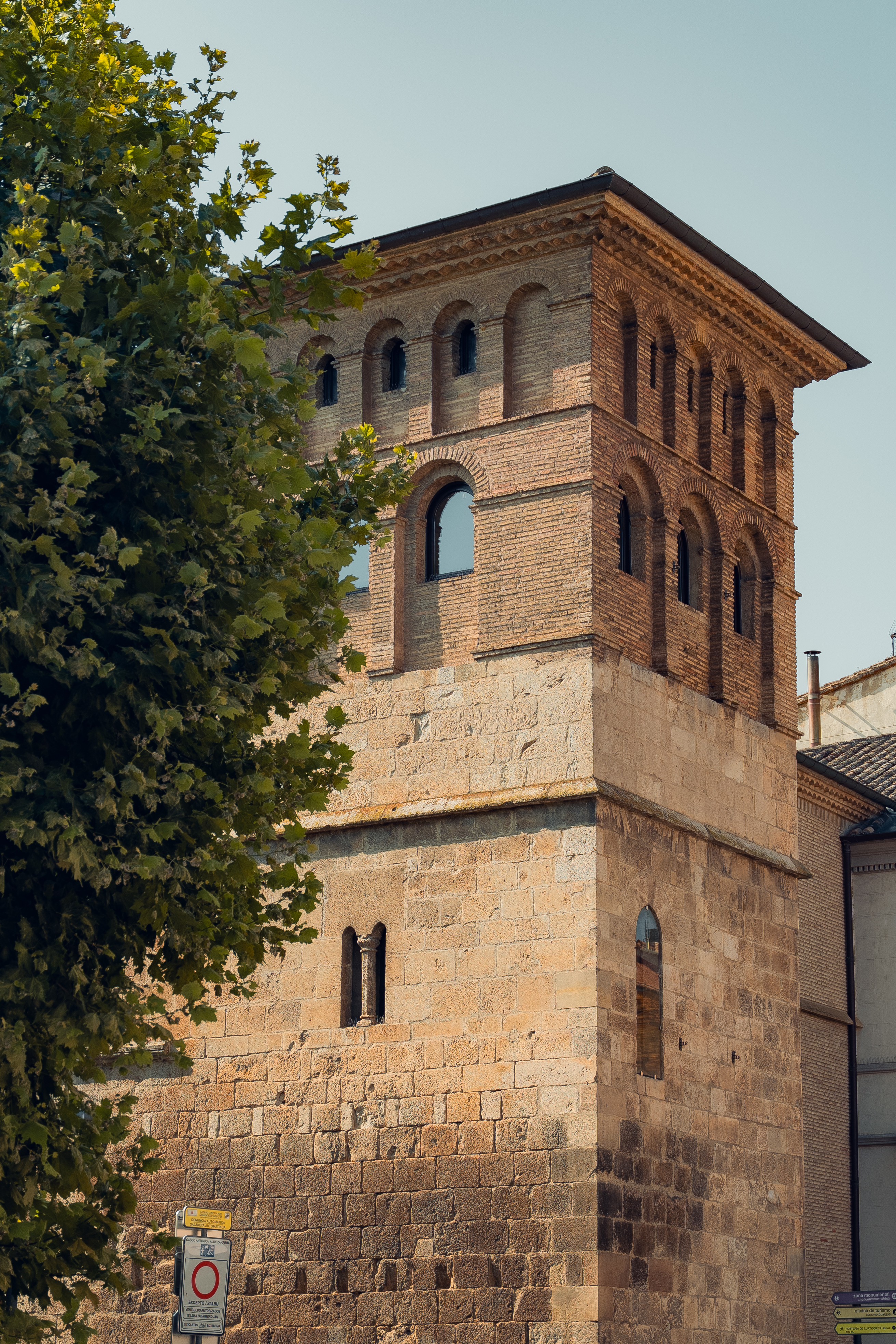
Mañeru is a town steeped in history and with a traveler’s spirit. Situated at an elevation of 456 meters and right on the Camino de Santiago, it has for centuries been a place of passage, welcome, and encounter—a character that is still evident today in the town’s rhythm, its hospitality, and its historic center, where history remains very much alive.
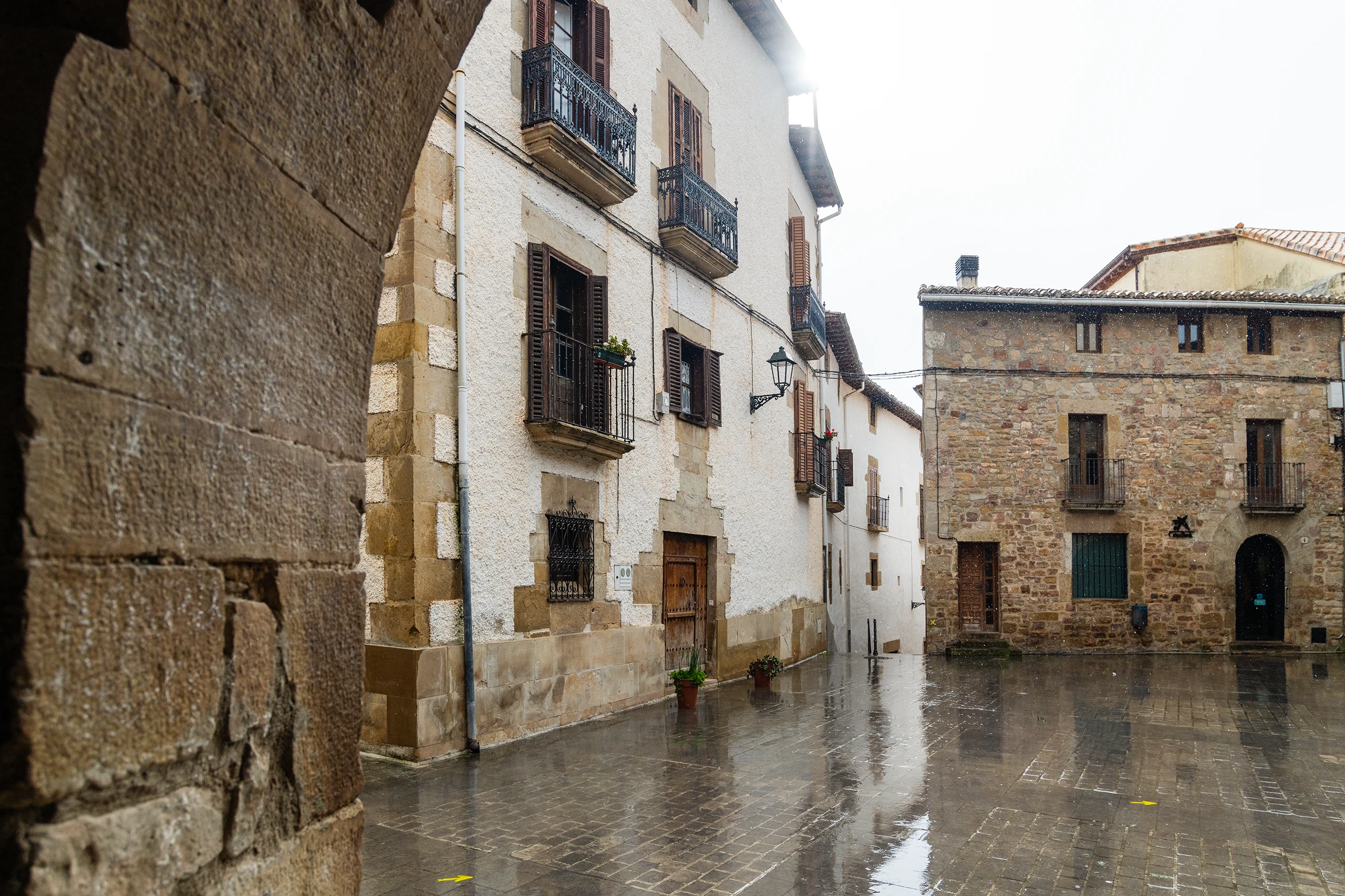
The town center, of medieval origin and remarkably well-preserved, adapts to the topography through narrow, winding streets that connect plazas, slopes, and corners brimming with character. Plaza de San Pedro, dominated by the parish church, and Plaza de los Fueros serve as the heart of village life, while three-story stone houses, monumental doorways, and numerous coats of arms from the 16th to the 19th centuries reflect the deep roots of ancient lineages and the town’s economic development. The uniformity of the buildings, constructed of rough-hewn stone with ashlar reinforcements, lends unity and character to the townscape.
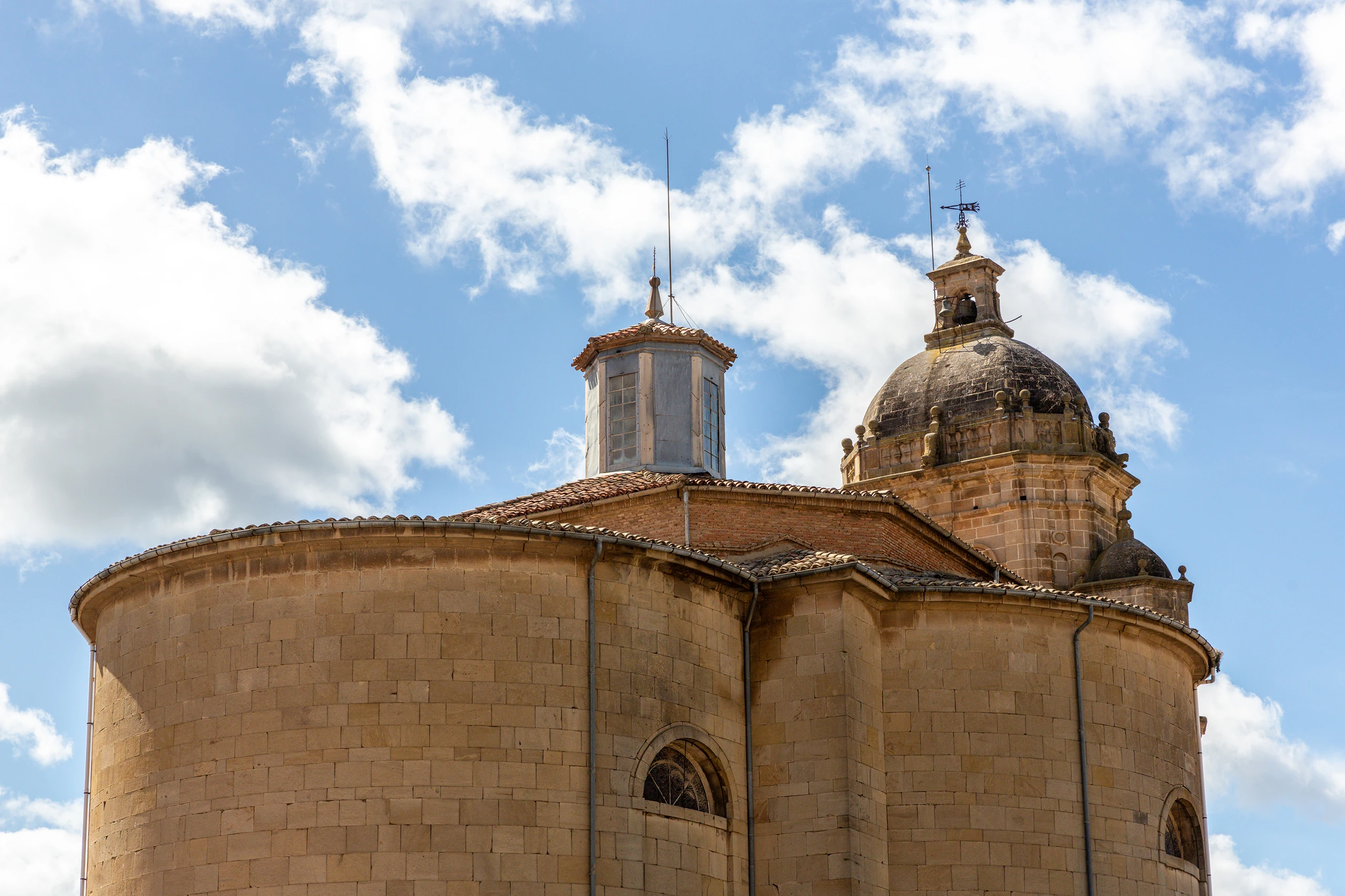
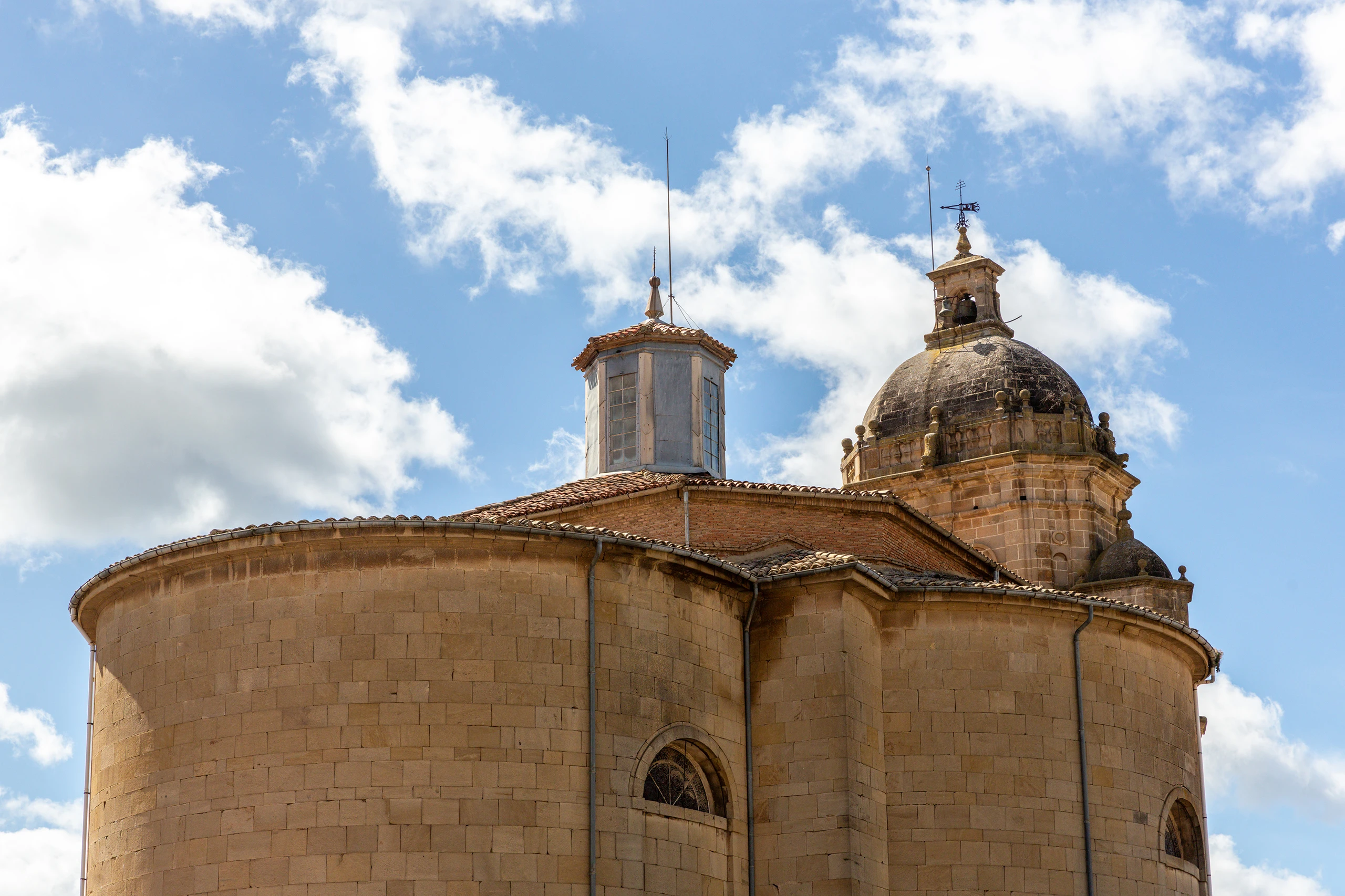
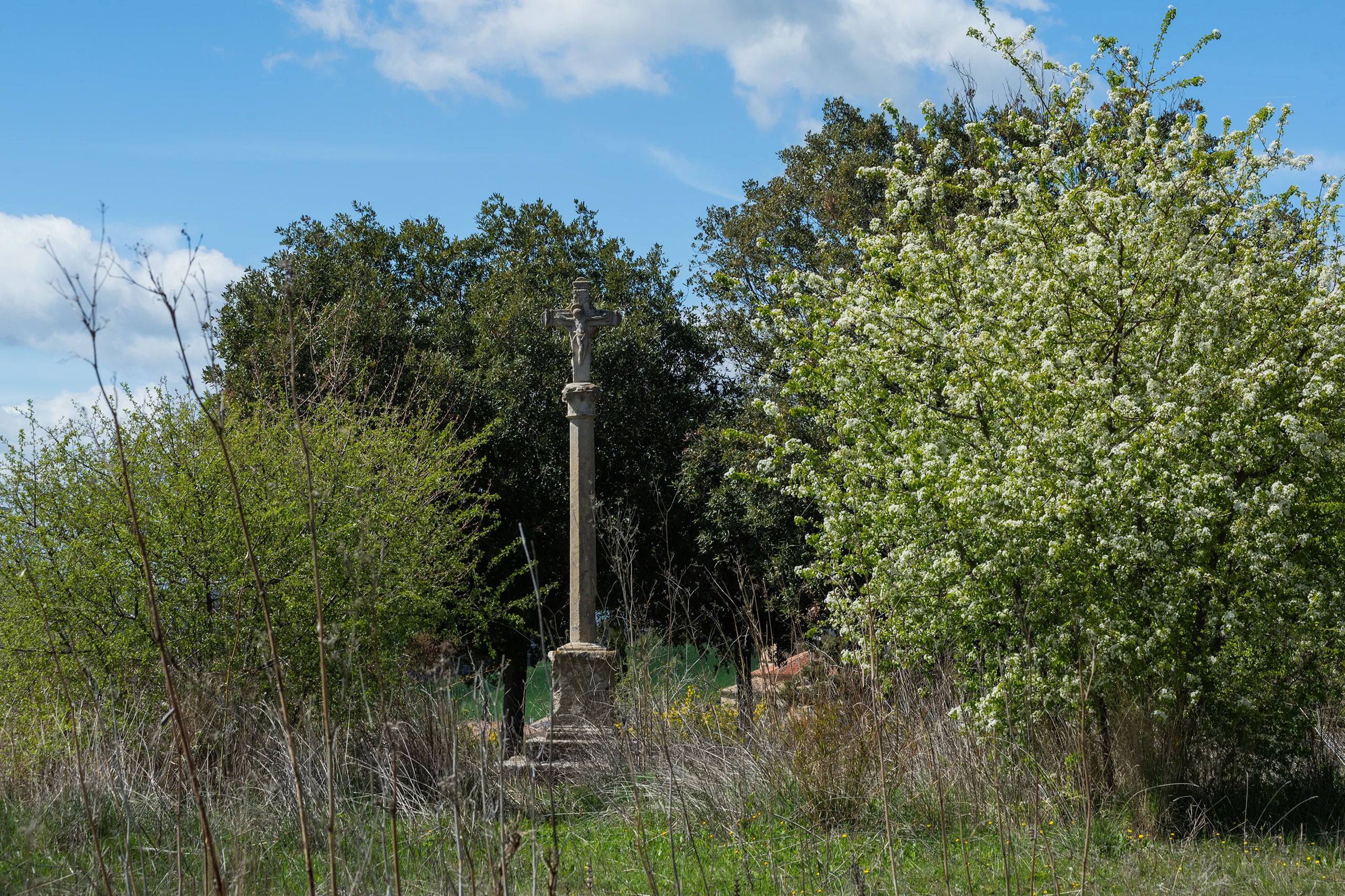
In the heart of Mañeru stands the Church of St. Peter the Apostle, an imposing 18th-century Neoclassical church that preserves altarpieces, wood carvings, and a unique collection of relics linked to centuries of devotion and the town’s relationship with Rome and other religious centers. On the outskirts, the 16th-century wayside cross and the neoclassical fountain round out a heritage that also preserves the memory of historical events such as the War of Independence and the Carlist Wars.
Oral tradition also adds a unique dimension to the town’s story: it is said that, in times of water scarcity, wine was even used in construction mixtures—a legend that speaks as much to Mañeru’s historic relationship with the vineyards as it does to the ingenuity of its inhabitants. Perched atop the municipal territory, the Santa Bárbara Chapel offers one of the best viewpoints in the area and remains a place of remembrance, devotion, and identity for the community.
What will you find in the historic center of Mañeru?
Buildings with coats of arms: Numerous facades featuring stone coats of arms from the 16th to the 19th centuries scattered throughout the historic center.
Neoclassical fountain (18th century): With a recessed façade and a striking curved pediment, this was once a neighborhood gathering spot.
Waycross (16th century): Located at the exit toward Pamplona, featuring a Romanesque-style cross depicting the Crucified Christ on the front and the Virgin and Child on the back.
Parish Church of St. Peter the Apostle: A late 18th-century Neoclassical church that incorporates earlier structures and visually dominates the townscape.