
The home of the authentic Piquillo
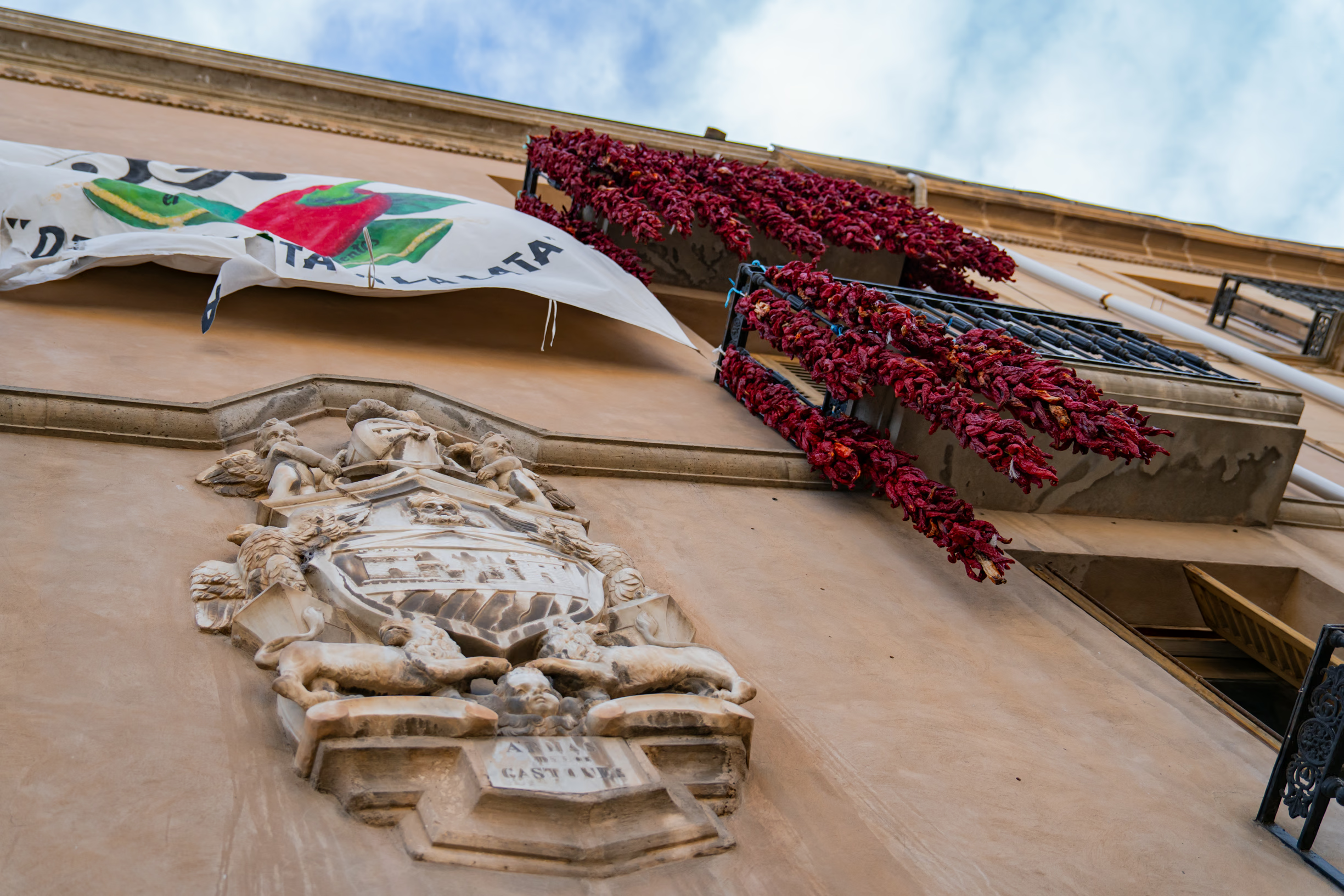
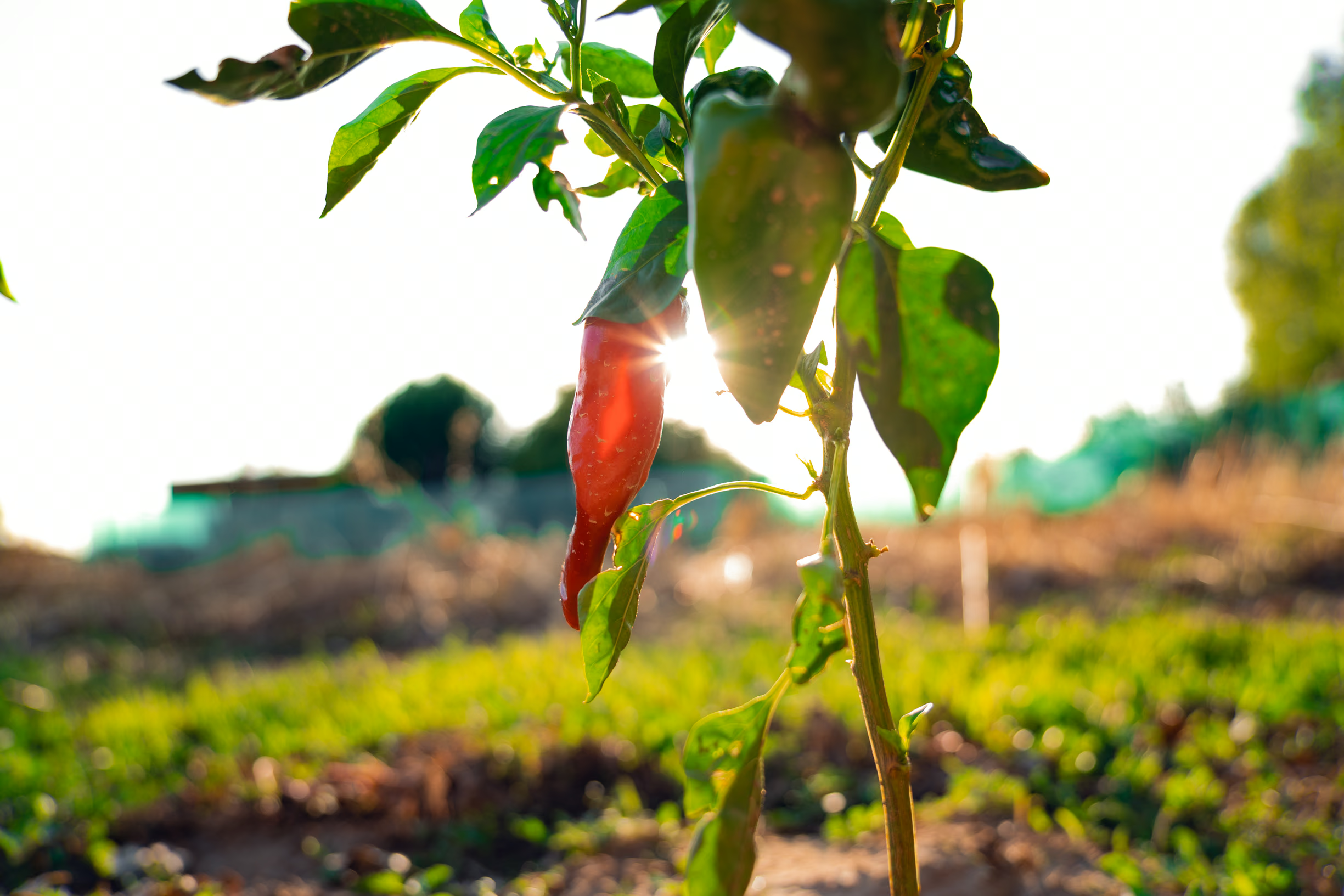
Lodosa is inextricably linked to one of Navarre’s greatest flavors: the Piquillo pepper from Lodosa, protected by a Designation of Origin and now a culinary symbol of the municipality.
The capital of Piquillo.
Lodosa is inextricably linked to one of Navarre’s greatest flavors: the Piquillo pepper from Lodosa, protected by a Designation of Origin and now a culinary symbol of the municipality.
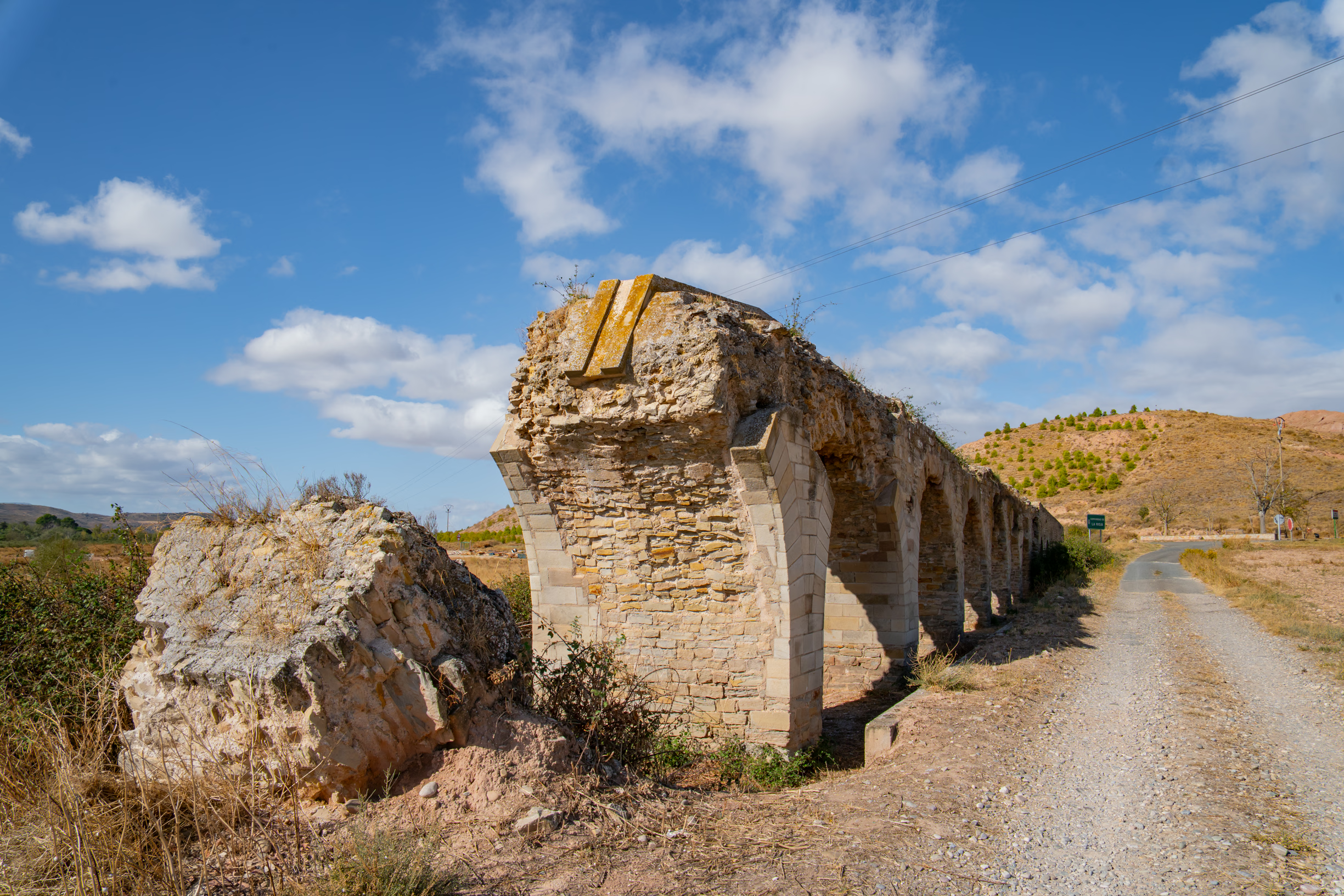
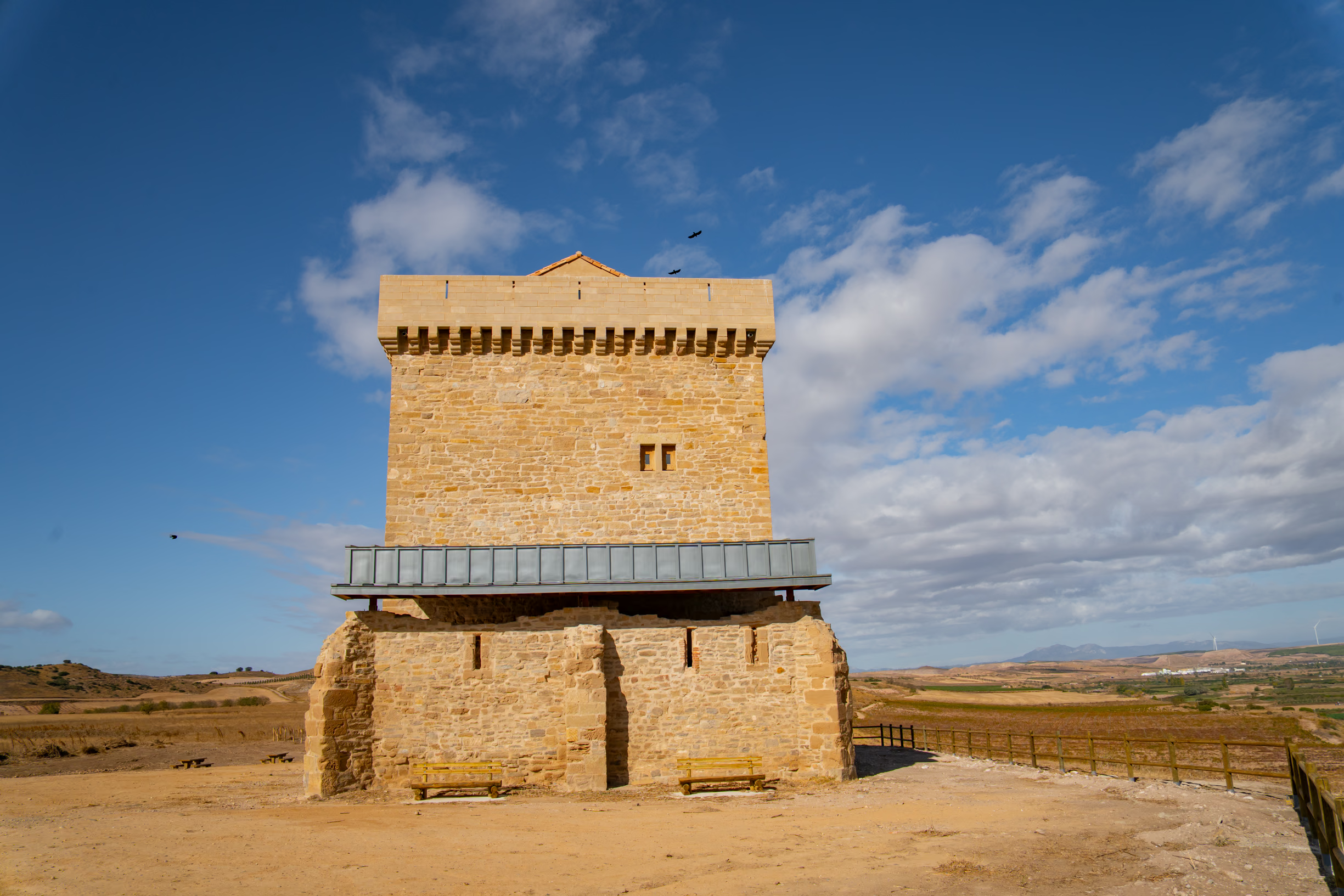
The Ebro River has shaped the landscape and history of Lodosa. The Puente de los Moros bridge, the remains of the ancient Roman Alcanadre–Lodosa aqueduct, the caves carved into the rock, and the medieval Torre de Los Velasco all bear witness to centuries of life tied to the river and the region.
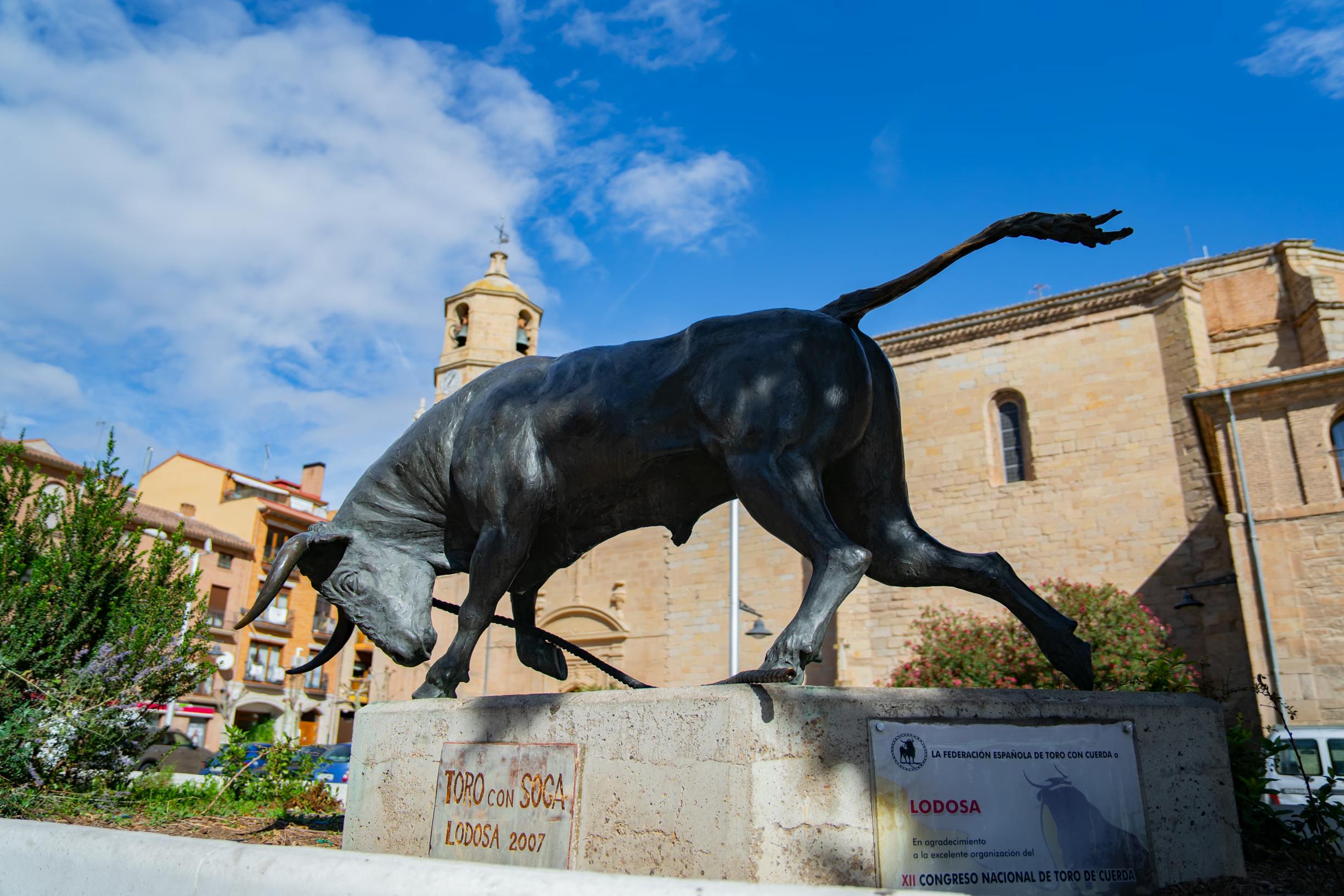
"El Toro con Soga," designated a Festival of Tourist Interest in Navarre, transforms Lodosa every September into one of the festive hubs of the Ribera region.
Lodosa is a great place to visit year-round. Spring is ideal for strolling along the Ebro River and exploring the riverside vegetable gardens. Summer and September are especially recommended for experiencing the local festivals and the traditional Toro con Soga, one of Navarre’s most unique events. Fall is perfect for enjoying the Piquillo Pepper Festival, when this great local product takes center stage in the town.
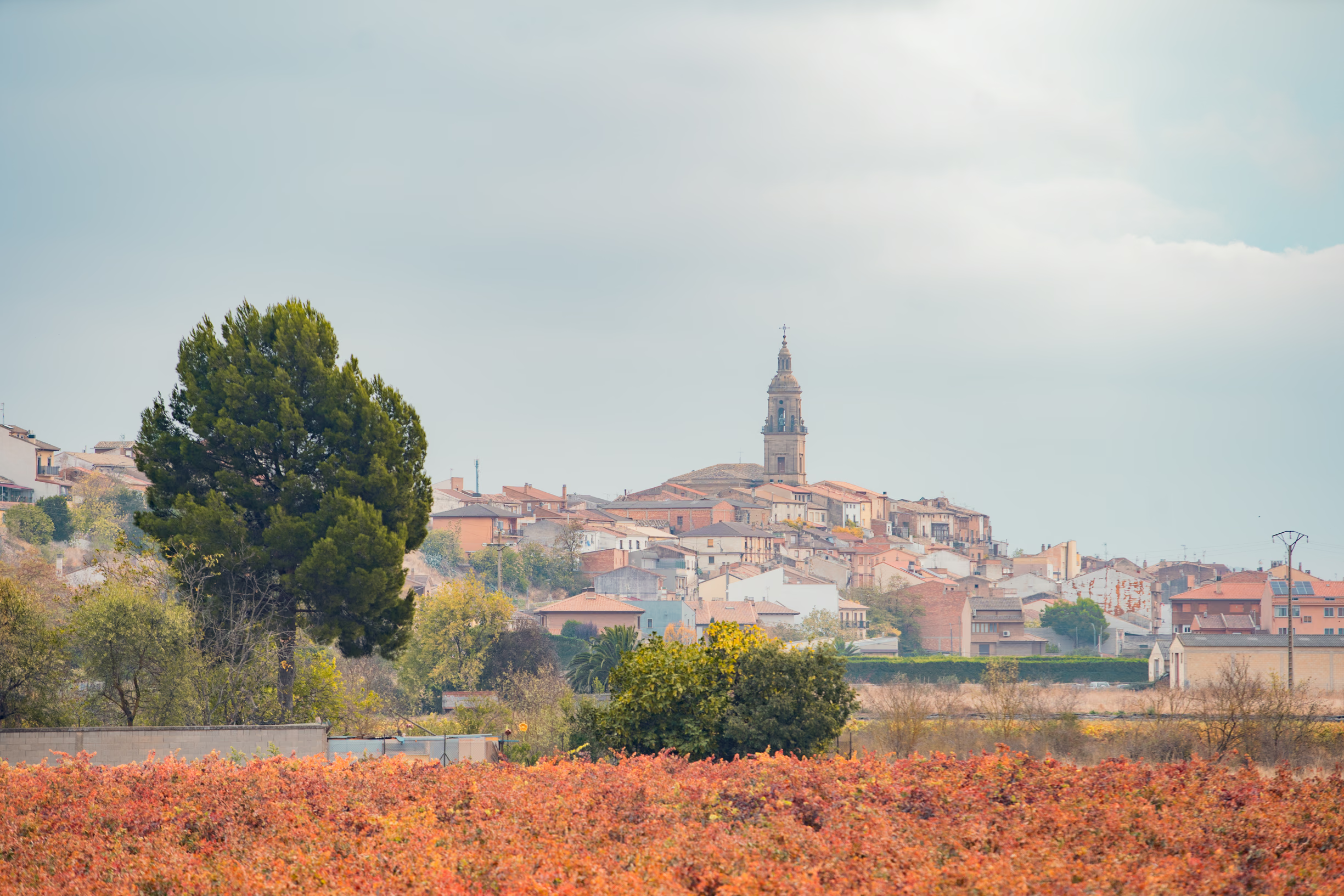
Lodosa is a riverside town shaped by the Ebro River, its orchards, and a history as a frontier settlement that has left its mark on both its landscape and its character. Nestled on the banks of the river, it combines historical heritage, agricultural tradition, and a vibrant social life centered around its festivals and cuisine.
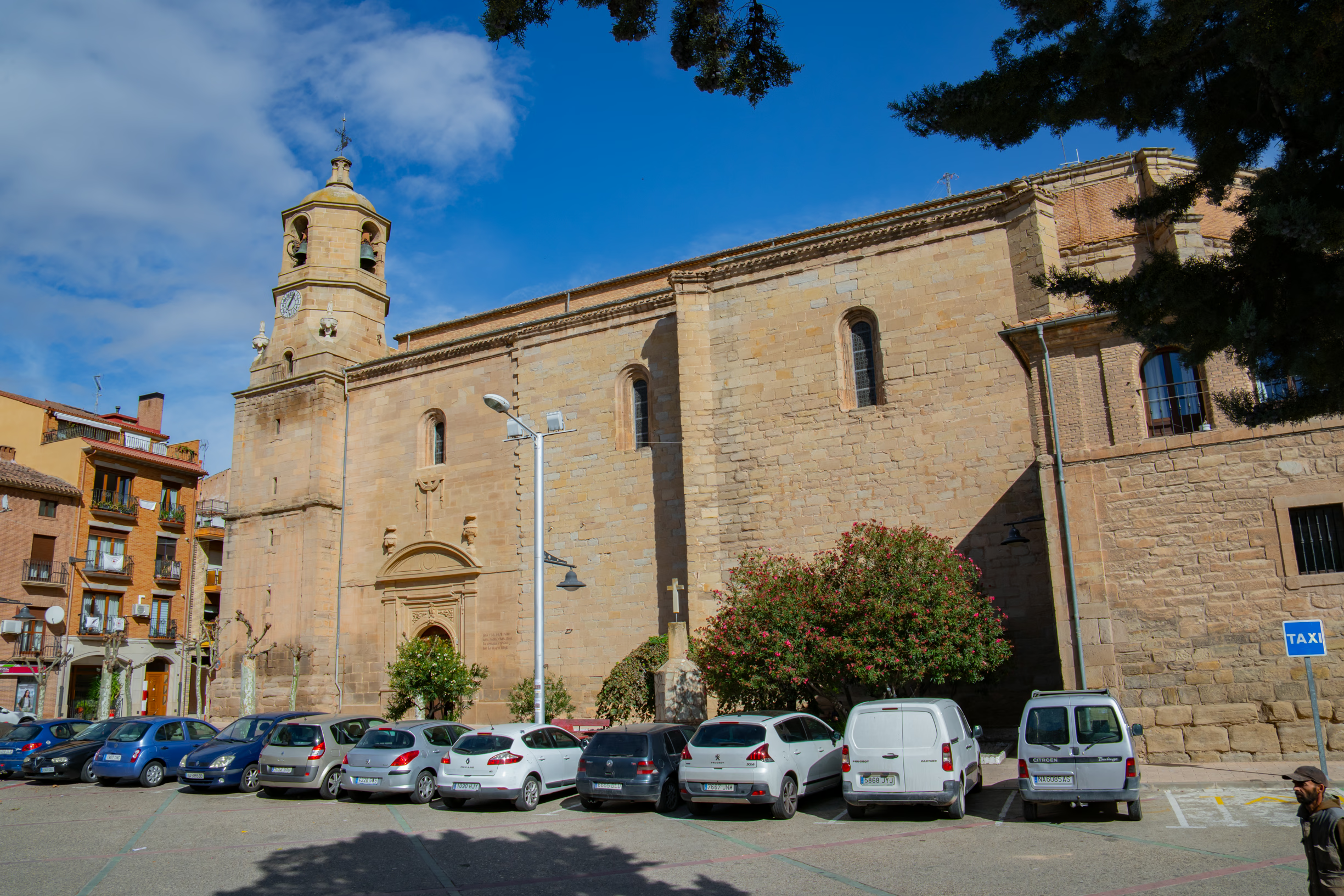
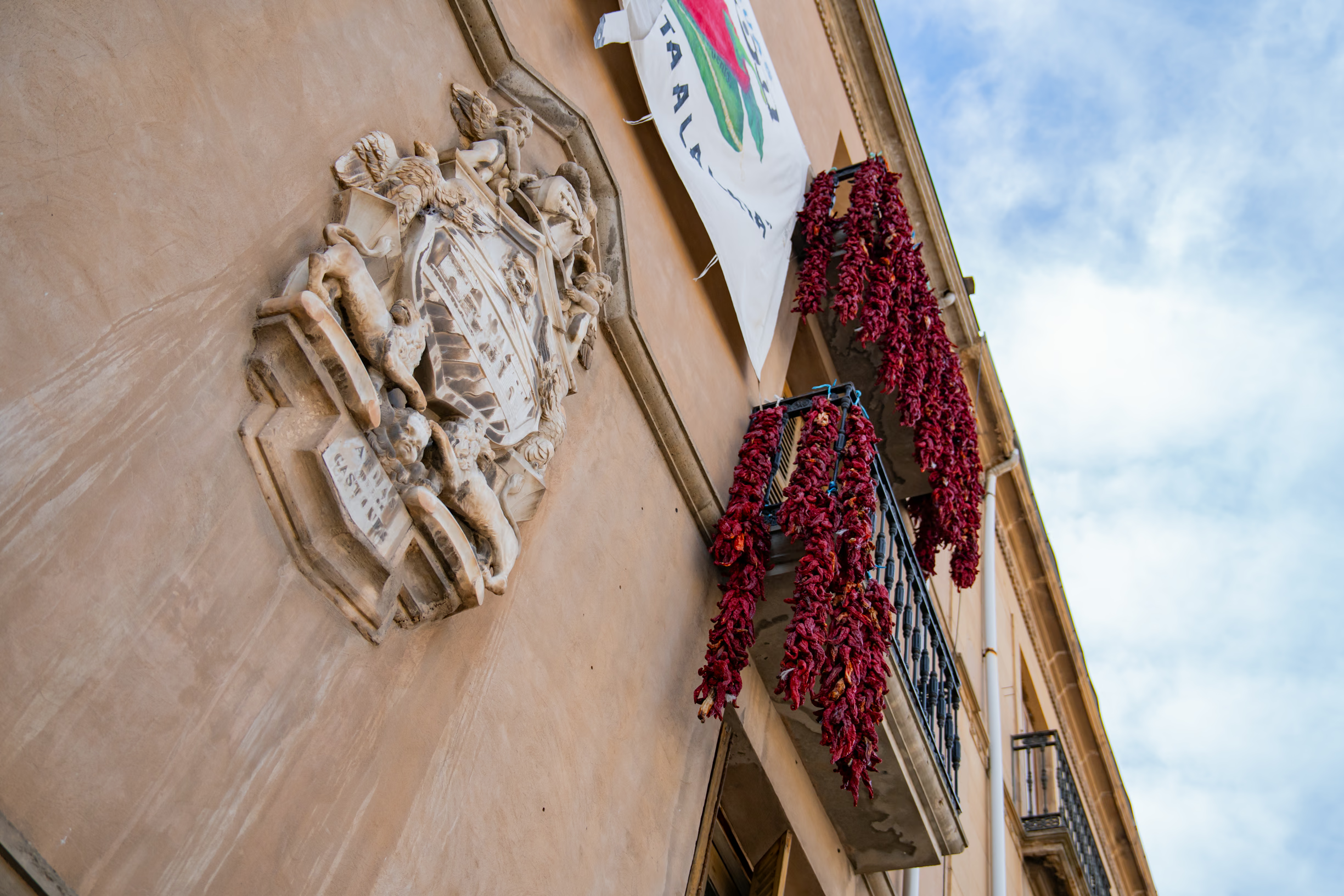
The town center preserves the characteristic architectural style of the Ribera Estellesa region, with brick and ashlar homes arranged around streets such as Mayor and Ancha, where interesting facades featuring Baroque and Rococo coats of arms from the 17th and 18th centuries are concentrated. Among its main landmarks is the Gothic-Renaissance-style Church of San Miguel, a true architectural landmark of the town, along with chapels such as Nuestra Señora de Monserrat and San Emeterio y San Celedonio, which form part of Lodosa’s devotional landscape.
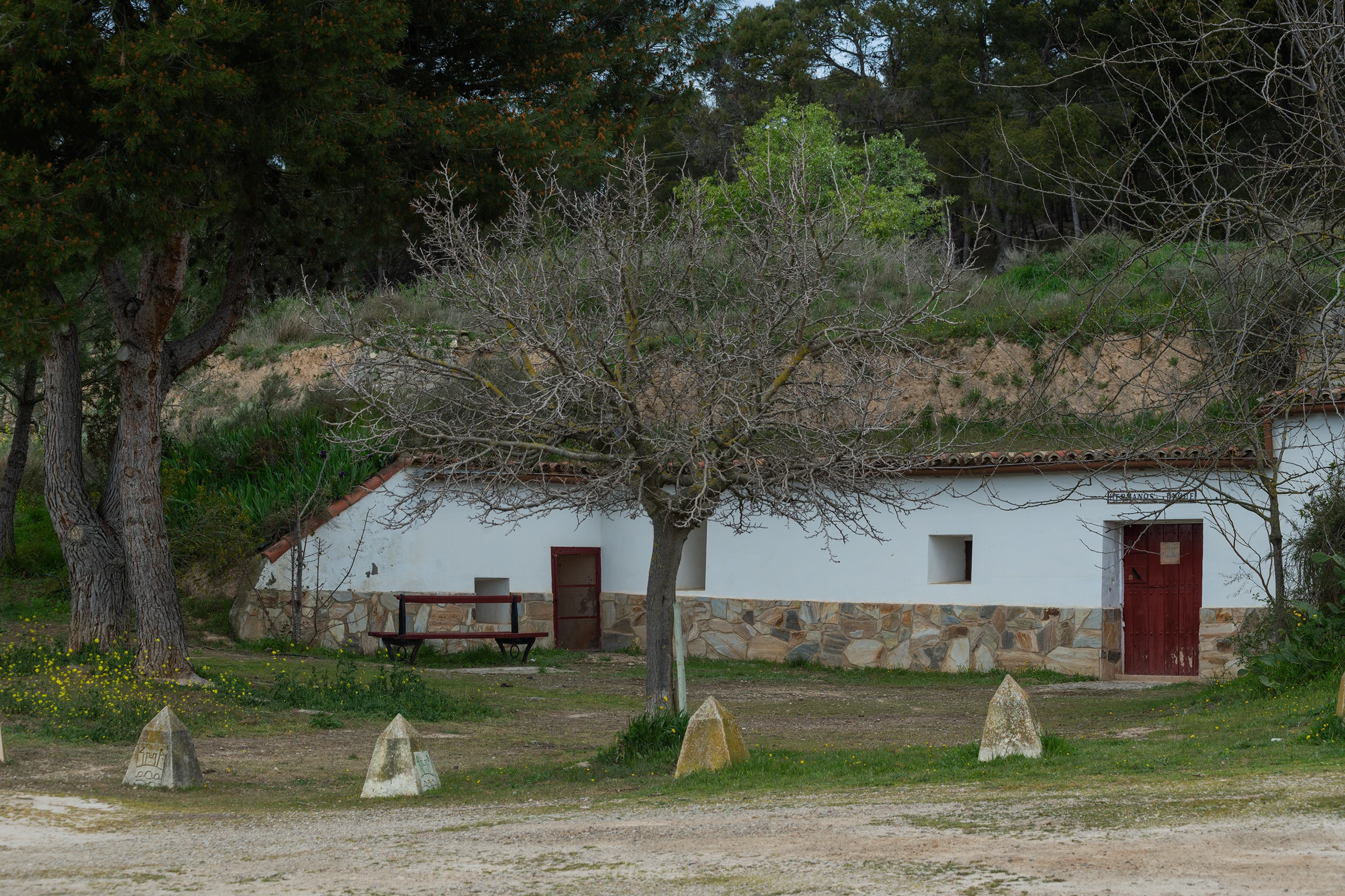
The Ebro River shapes the life and landscape of the municipality. Places like the Medianil promenade invite visitors to explore the riverbank. Historical features such as the ruins of the Alcanadre–Lodosa Roman aqueduct—known as the Puente de los Moros—serve as a reminder of the strategic importance of this river crossing since ancient times. The surrounding area also preserves defensive structures such as the medieval Tower of Los Velasco or Rada, as well as unique sites like the Lodosa caves, distributed across the Arriba, Centro, and Abajo areas.
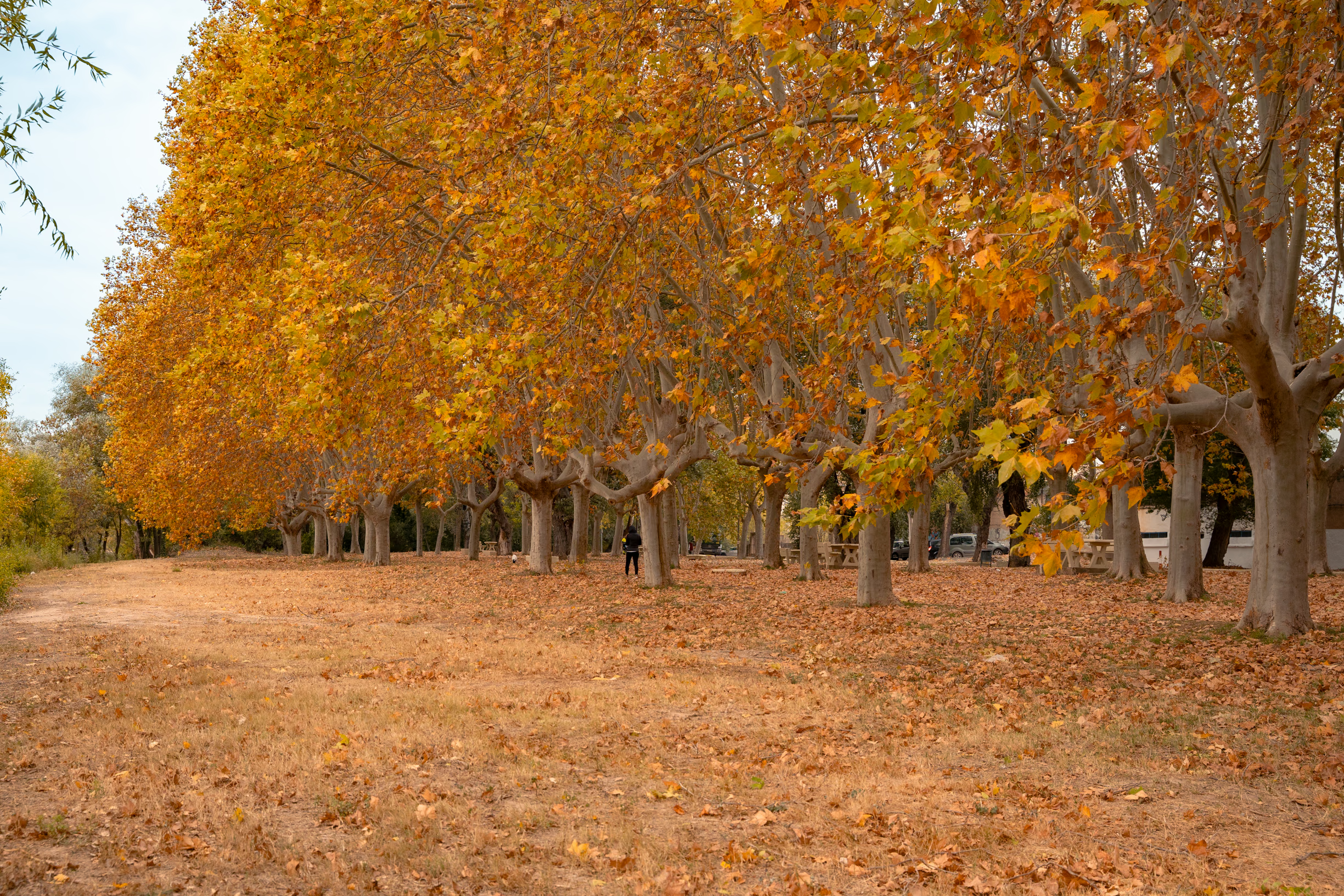
Nature is on full display in places of great scenic and environmental value, such as the Álamos de Lodosa Natural Monument—one of the most iconic riverside groves along the Ebro in Navarre—and along major trails like the Camino del Ebro, which allows visitors to discover the relationship between the river, agriculture, and the region.
When it’s time to sit down to a meal, Lodosa showcases one of its greatest sources of pride: a cuisine rooted in local produce and a thriving agri-food industry. The Lodosa Piquillo Pepper, protected by a Designation of Origin, has become a local symbol and the star of the Piquillo Pepper Festival, alongside other products such as asparagus with the Navarra Designation of Origin. This culinary culture is also alive on the streets, especially during deeply rooted celebrations like the “Toro con Soga” (Bull with a Rope), a tradition designated as a Festival of Tourist Interest in Navarra, which turns Lodosa into a gathering place every September.
5 resultados
Lodosa
Circular · 7,2 km · 1h 30 min
Lodosa
Patrimonio y monumentos
Lodosa
Flora y fauna
Lodosa
Patrimonio y monumentos
Lodosa
Patrimonio y monumentos
Mostrando 1-5 de 5 resultados
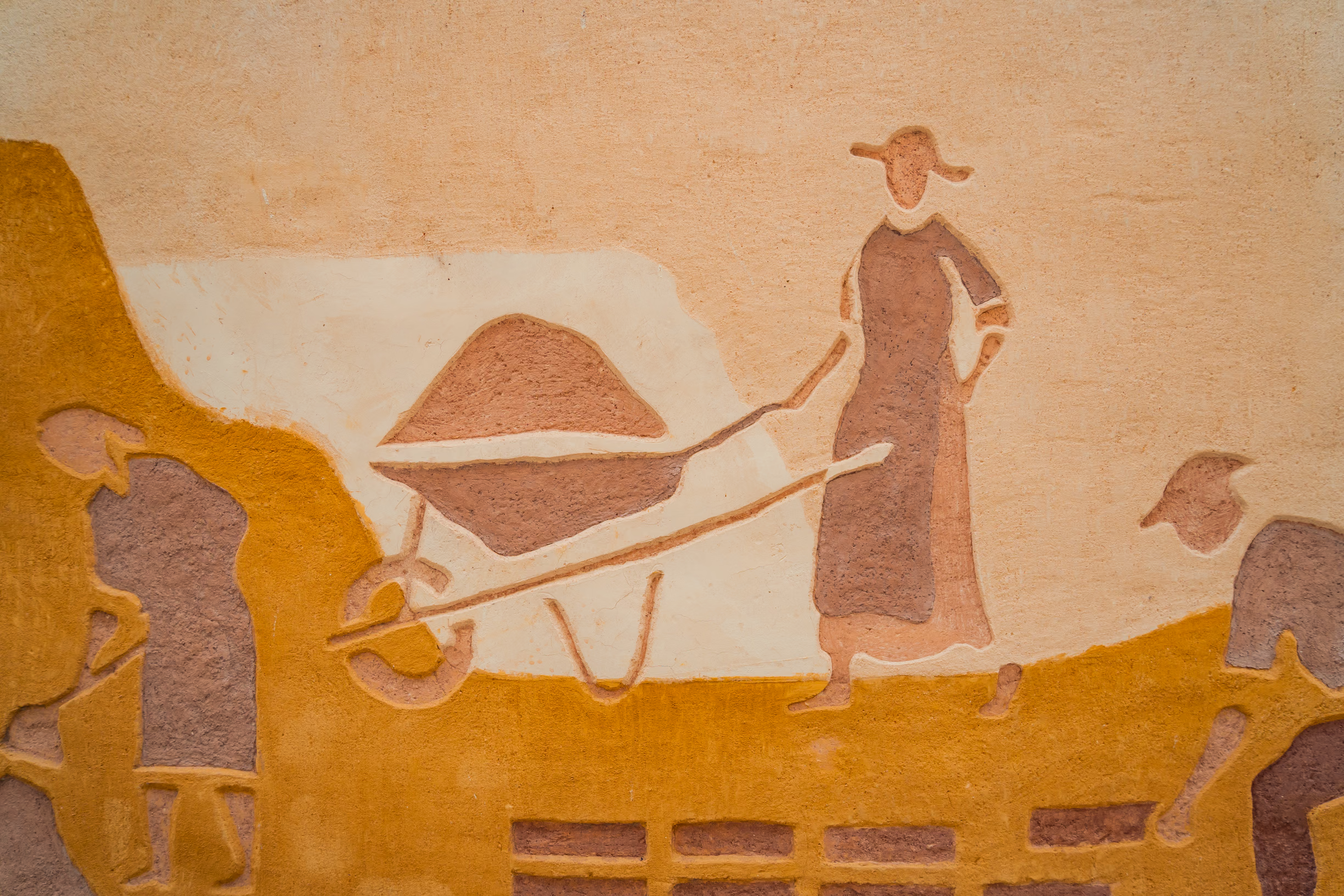
Una villa de paisajes de yesos y naturaleza de ribera.
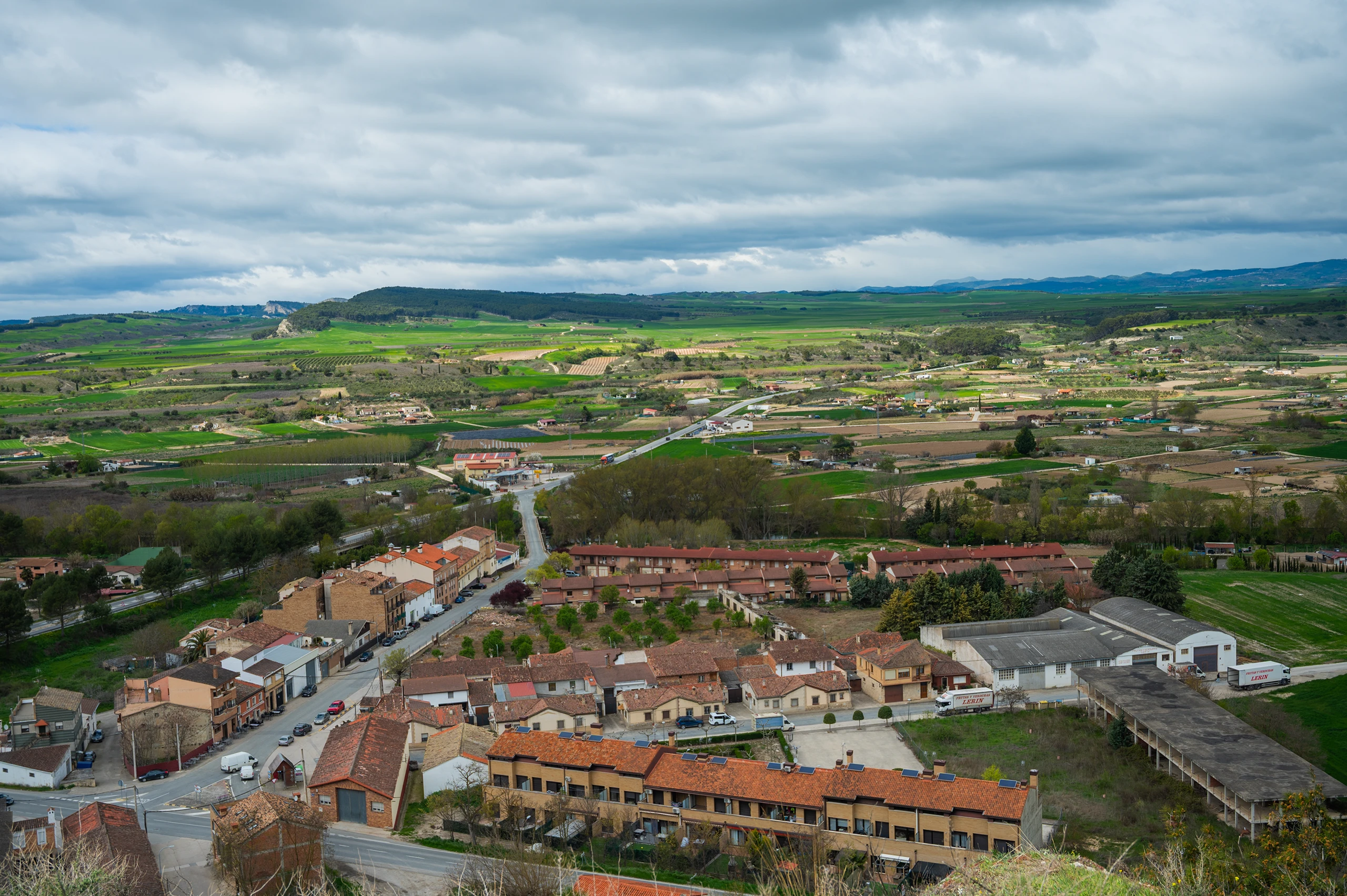
El Balcón de la Ribera Estellesa, entre cuevas, pinares y cielos estrellados.
La villa de las 11 Denominaciones, donde la Ribera sabe diferente.
El pueblo memoria viva y tierra del melocotón.