
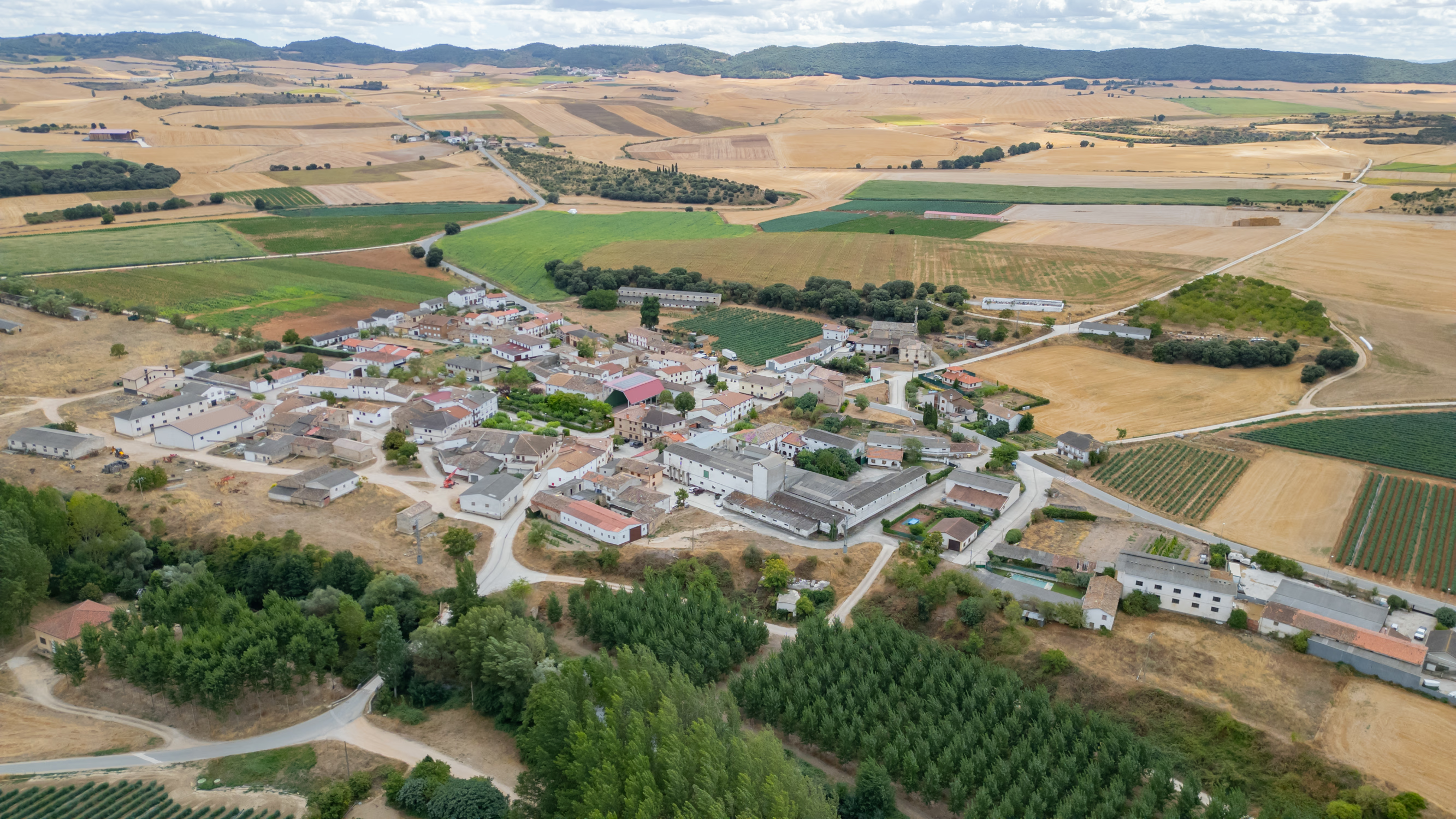
A village deeply rooted in the Valdega
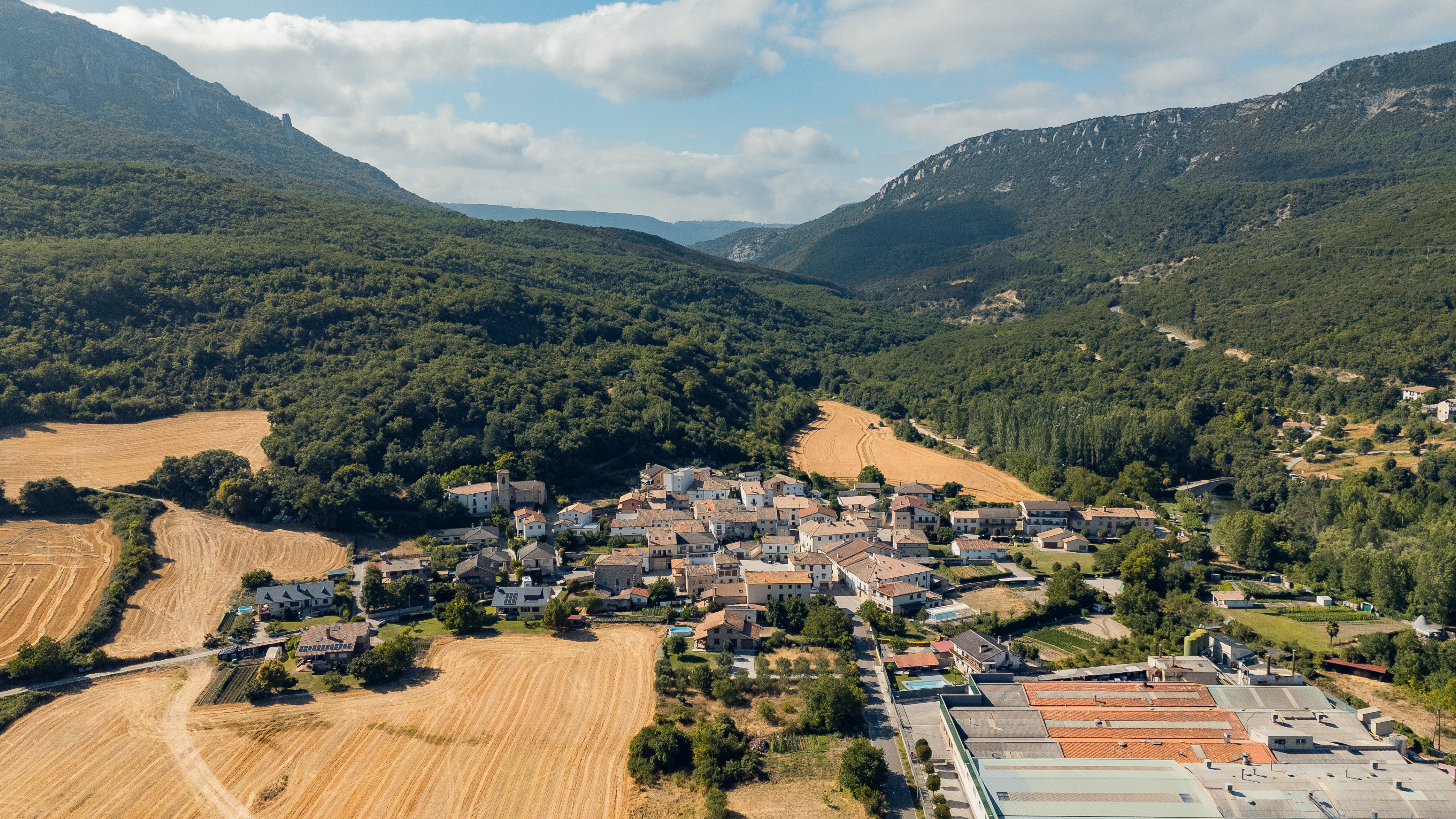
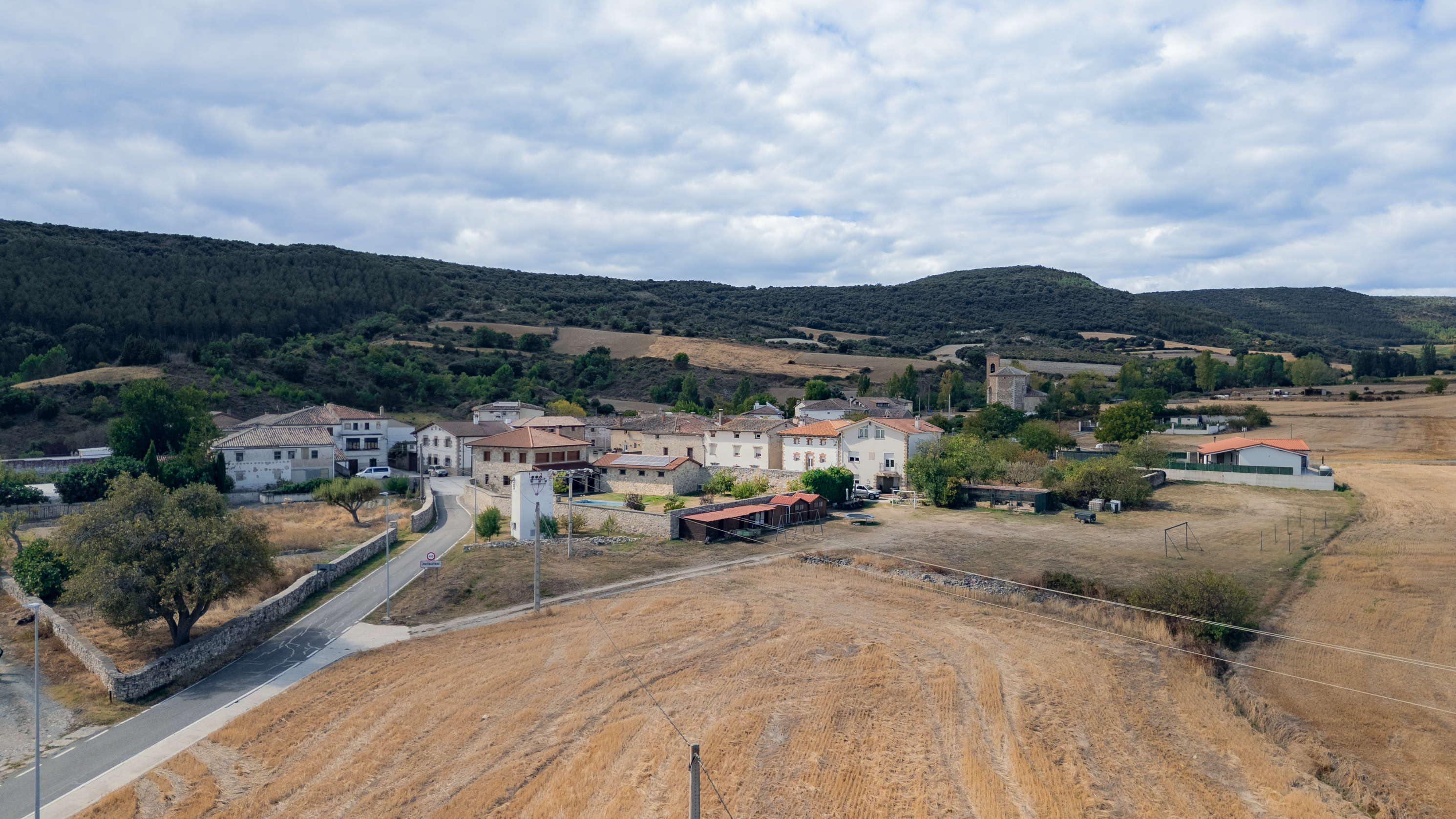
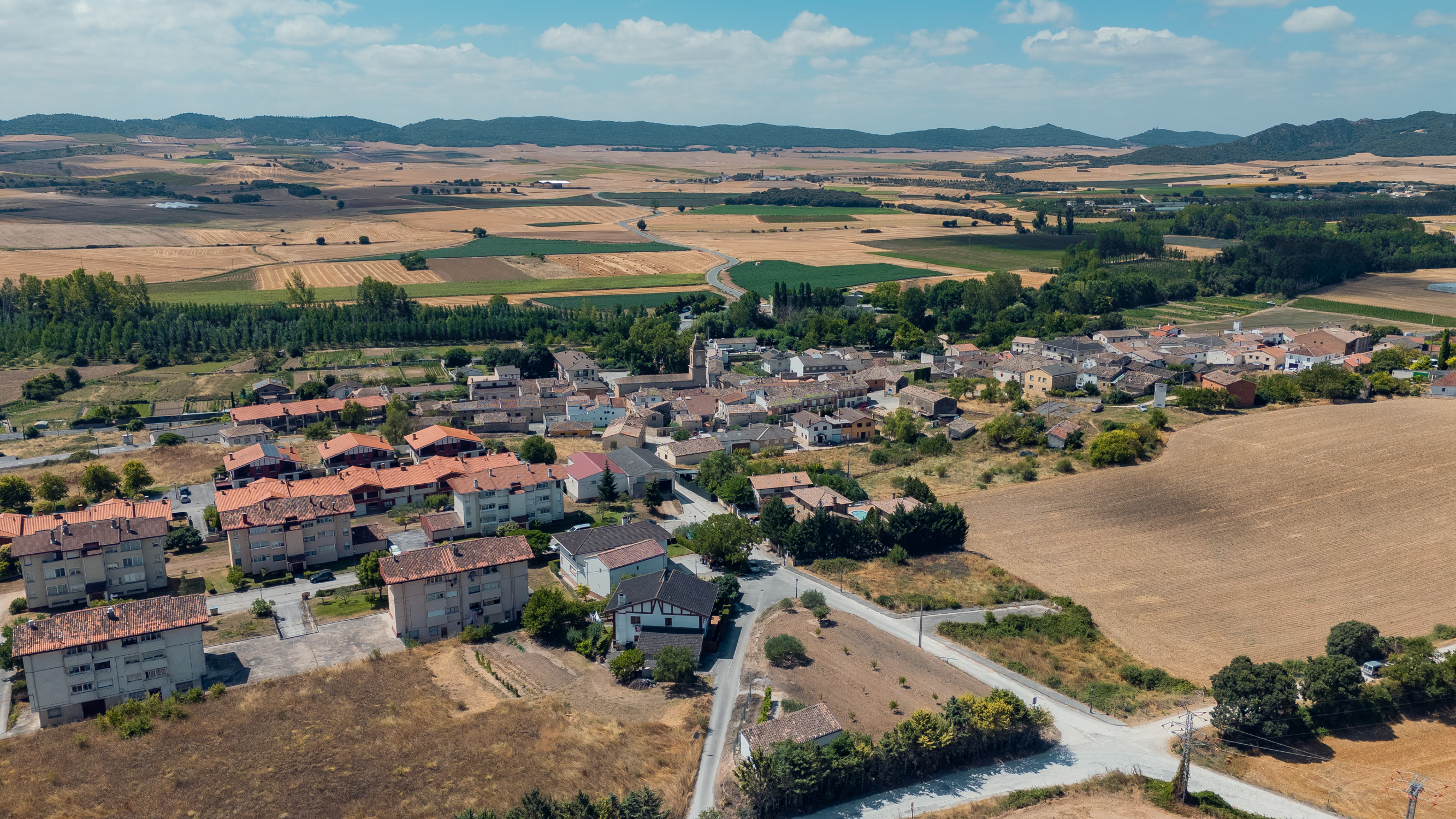
Legaria landscape lies along the Ega River, surrounded by farmland, rolling hills, and rural roads that lead to the Sierra de Lóquiz.

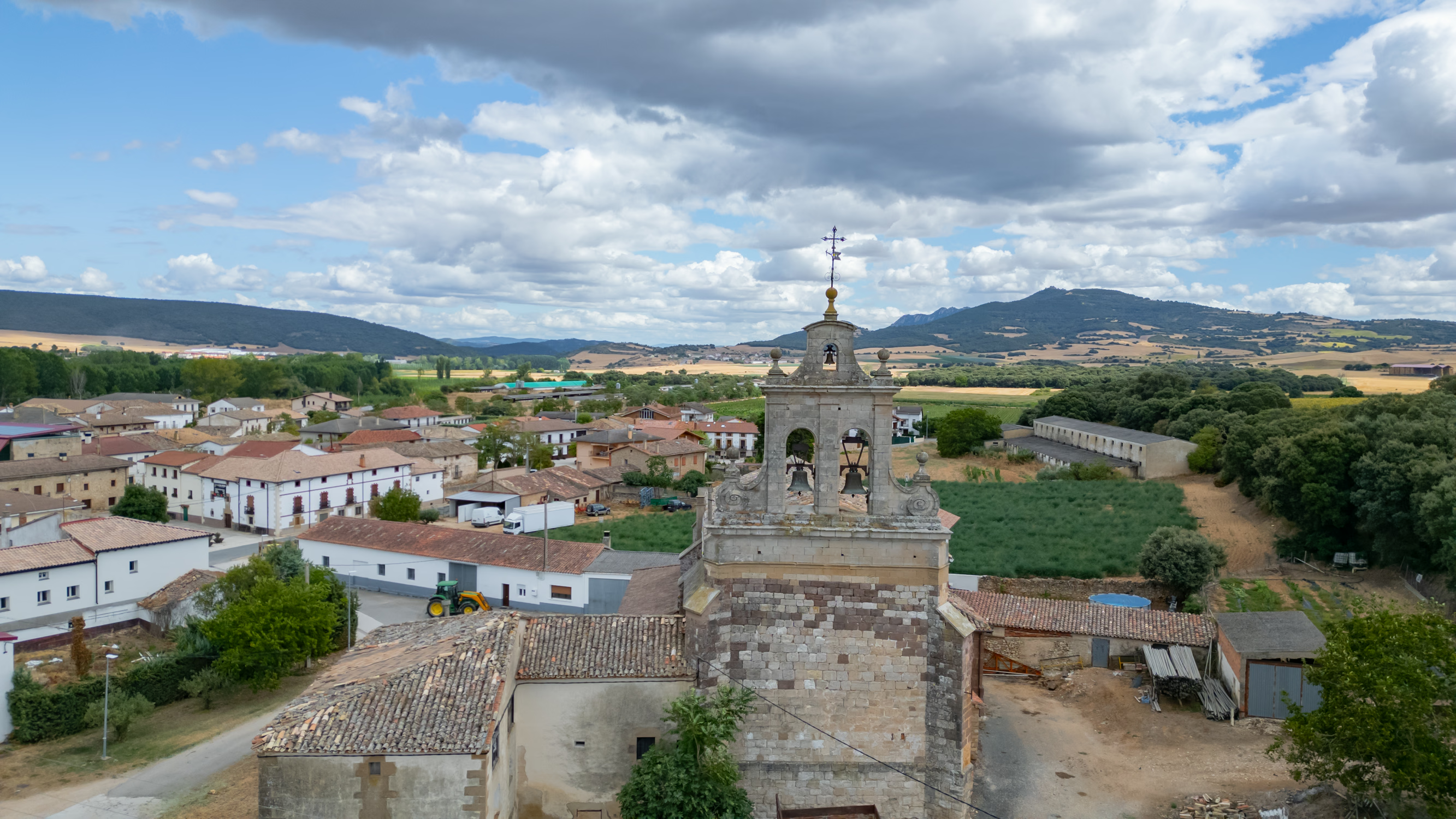
A villa on the banks of the Ega River, nestled among historic sites, legends, and valley scenery.
Legaria landscape lies along the Ega River, surrounded by farmland, rolling hills, and rural roads that lead to the Sierra de Lóquiz.
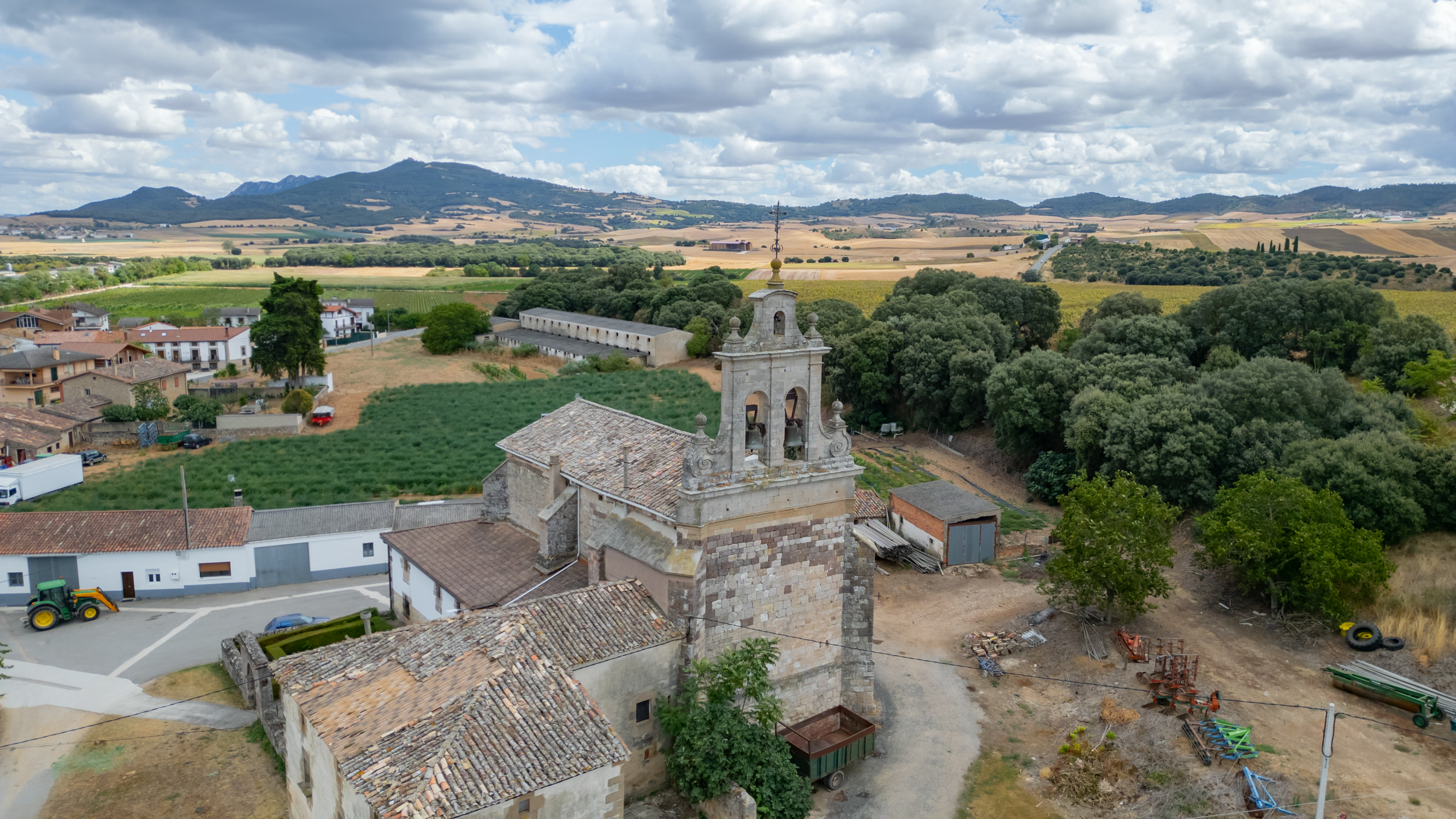
The Church of San Martín de Tours, which dates back to the Middle Ages and was renovated in the 16th century, preserves a significant artistic heritage, including its polychrome Mannerist altarpiece and the pulpit’s unique Baroque sounding board, making it one of Valdega’s most important heritage landmarks.
The nearby Pozo de la Mora, linked to ancient medieval legends, adds a symbolic and mysterious element to the landscape. Added to this are the pilgrimages, patron saint festivals, and celebrations shared with other towns in the valley.
Legaria is a great place to visit year-round. Spring and fall are ideal for exploring the area around the Ega River and enjoying the changing colors of the landscape. Summer brings a festive atmosphere and outdoor walks, while winter allows you to discover the valley’s more serene and authentic character.
Legaria is a small village in the Valdega Valley, situated on the banks of the Ega River and surrounded by an open landscape of farmland, gently rolling hills, and sweeping horizons. The village stretches out in a long, narrow layout and is divided into four neighborhoods: San Martín, El Río, El Monte, and La Rochapea. Several 17th- and 18th-century houses bearing coats of arms stand out, bearing witness to its past as a feudal estate. The spacious town square is dominated by the former school building, now the town hall, next to the holm oak that replaced the historic alianto tree, a symbol of Legaria’s collective memory.
The main heritage landmark is the Church of San Martín de Tours, a 16th-century Gothic-Renaissance building erected on the site of an earlier 13th-century church. Inside, the church houses a remarkable late 16th-century Mannerist main altarpiece, with its original polychrome decoration, and the Baroque pulpit, attributed to the Estella-born sculptor Juan de Mena in the 18th century. These elements make the parish church one of the valley’s most outstanding works of art.
The Ega River runs alongside the village, creating areas for strolling and direct contact with the river landscape. The fields, ancient holm oak groves, and rural paths connect the village center with the rest of Valdega and with the trails leading to the Sierra de Lóquiz. Near Legaria lies the Pozo de la Mora, an ancient spring associated with a medieval folk legend. Tradition tells of an enchanted female figure who guards a hidden treasure and who, according to the story, appears on special nights such as the night of San Juan. It is an ideal setting for a leisurely walk while taking in the scenery.
The festival calendar centers on Saint Martin of Tours, the town’s patron saint, with festivities held in November. The summer festivals are held on the second weekend of August, while in June there are joint pilgrimages to San Bartolomé, San Gregorio, and Nuestra Señora de Codés, as well as the Valdega Day festivities.
0 resultados
Todavía no hay rutas asociadas a esta población.
Mostrando 0 de 0 resultados
Una villa entre agua, senderos y rincones tranquilos del valle de Allín.
Una villa donde el paisaje de Lóquiz y la cultura de la trufa definen una identidad única.
Una villa de paseos, paisaje y memoria ferroviaria entre el río Ega y la Sierra de Lóquiz.
Una villa entre peñas calizas y caminos que conectan con el corazón del valle.