A monumental church in the heart of the Las Améscoas Valley
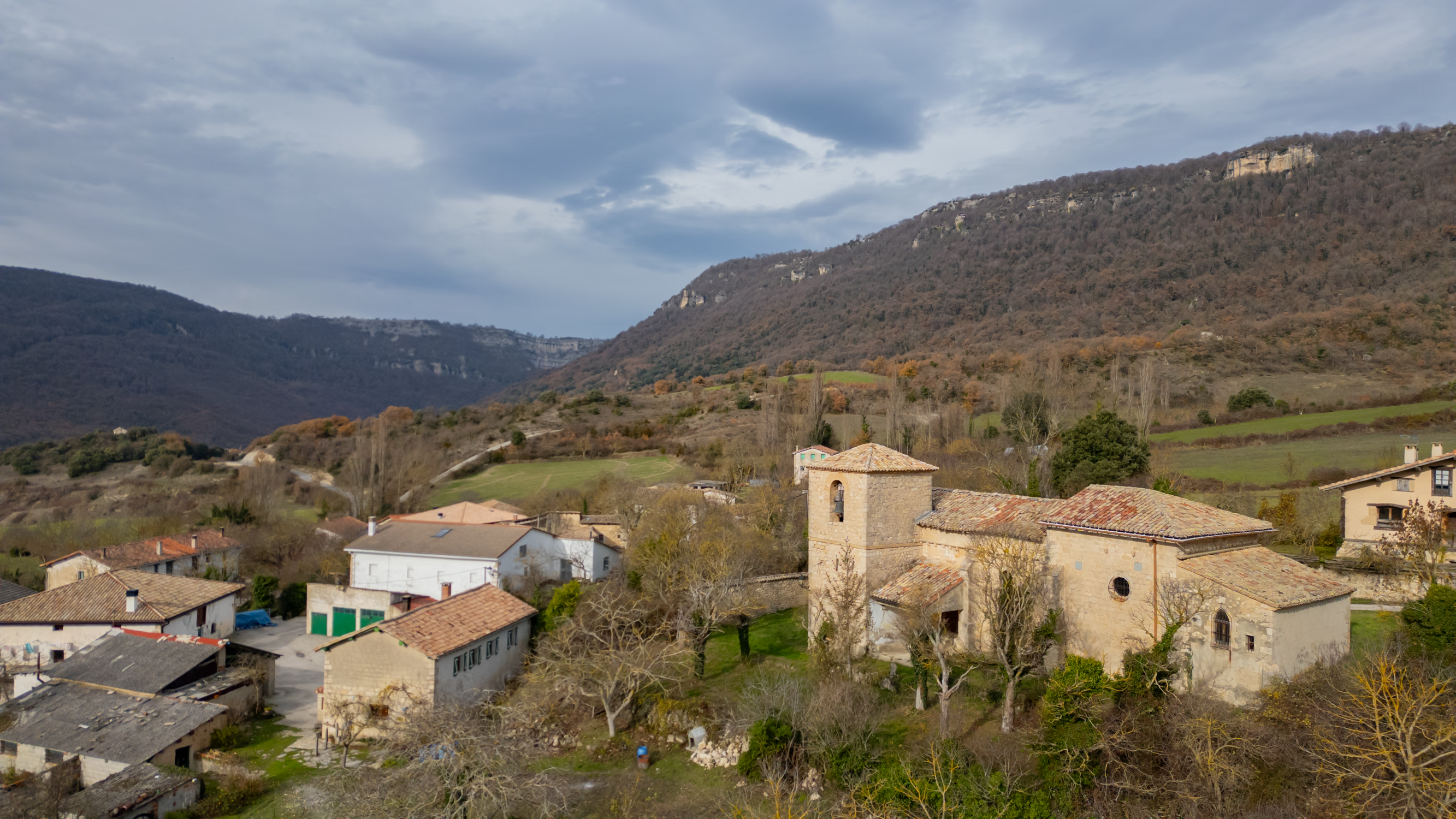
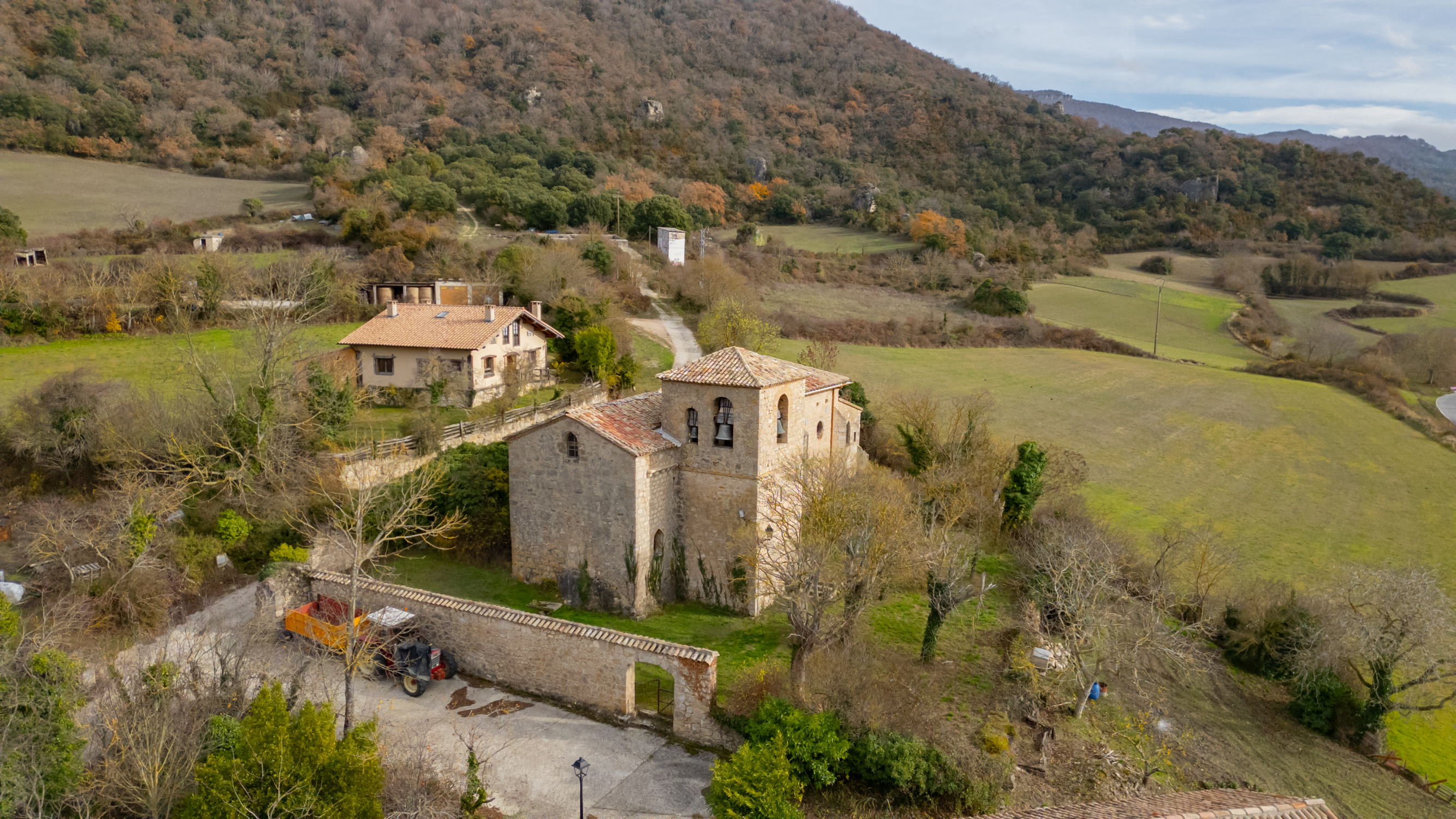
The Church of San Bartolomé, a former collegiate church, is striking for its size and for preserving an outstanding set of Gothic wooden choir stalls.

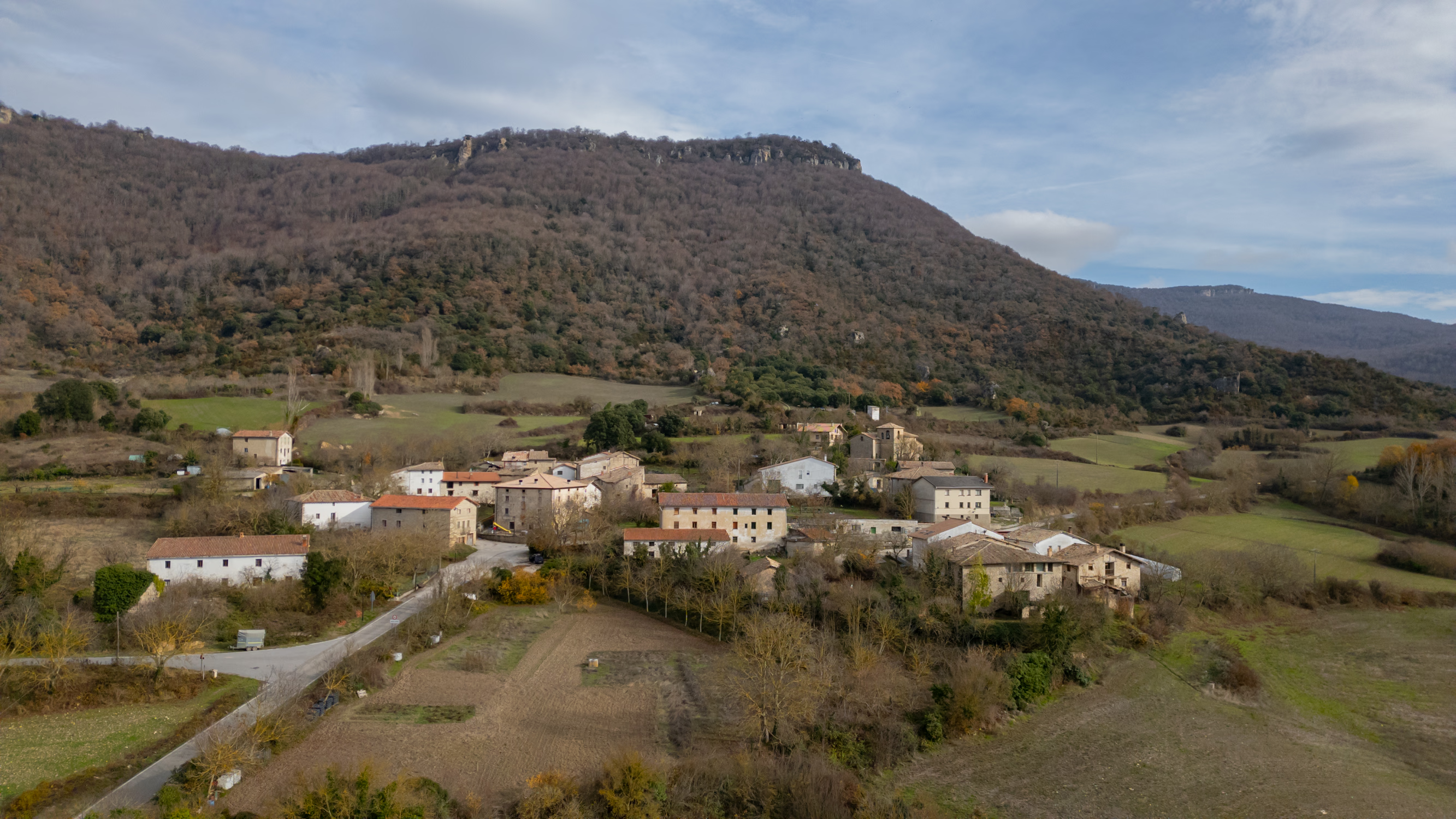
A municipality nestled among mountain ranges and cliffs that surprises visitors with its historical heritage.
The Church of San Bartolomé, a former collegiate church, is striking for its size and for preserving an outstanding set of Gothic wooden choir stalls.
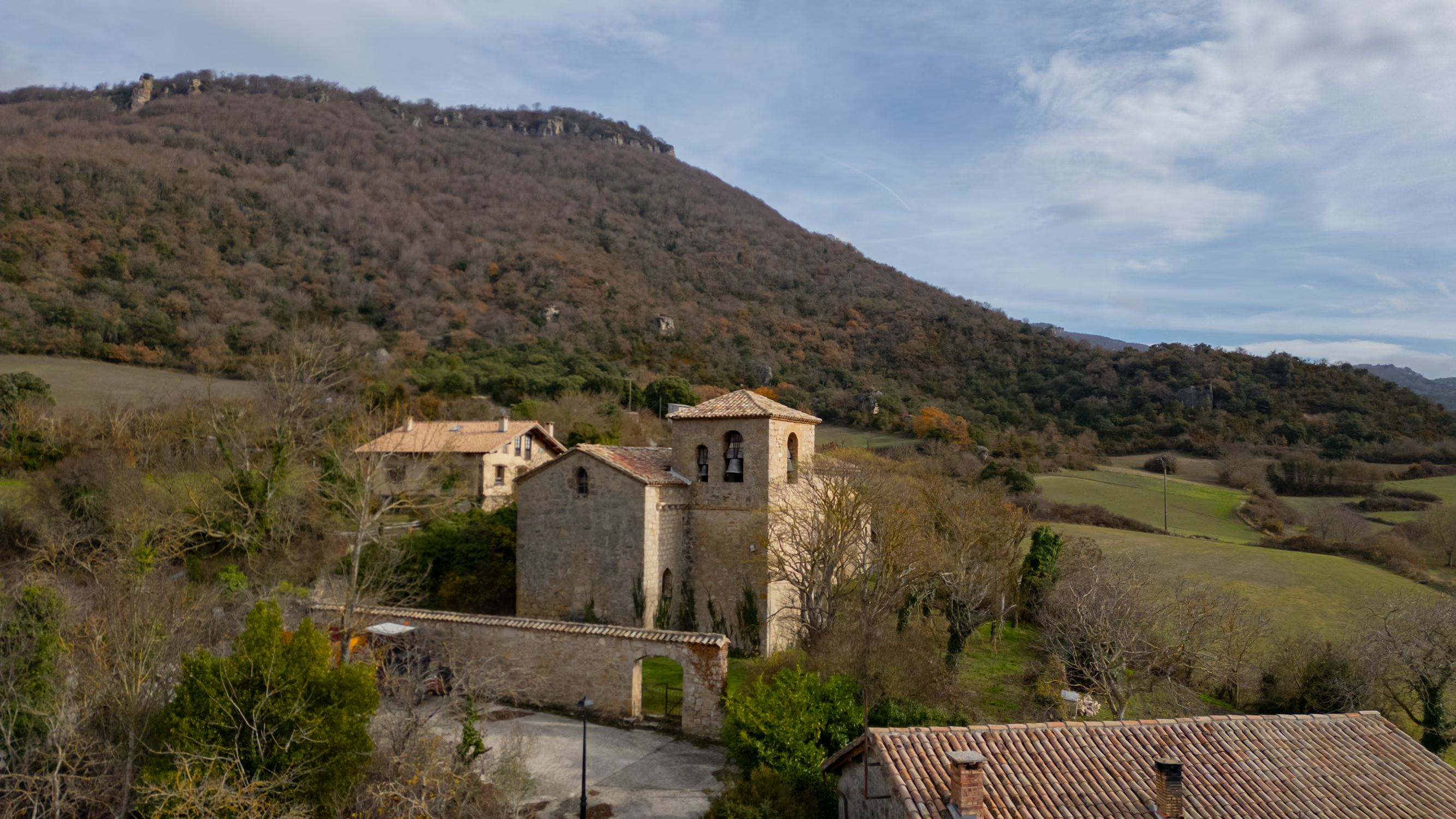
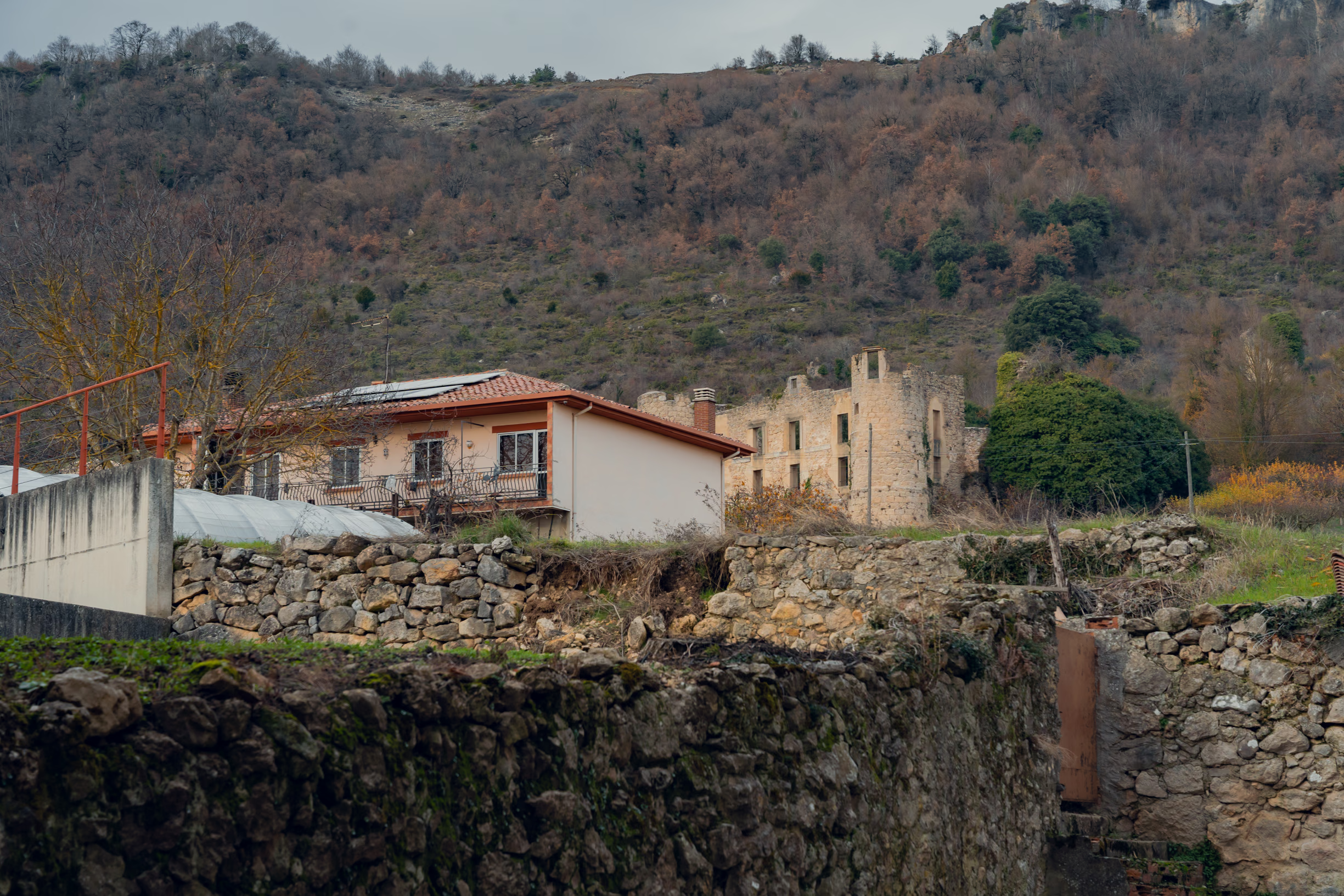
The ruins of the keep from the old Gollano palace serve as a reminder of the town’s defensive past. Added to this is a well-preserved traditional hamlet, featuring stone and wood houses and everyday features such as the old covered washhouse.
Gollano’s proximity to the Sierra de Urbasa, the Balcón de Pilatos, and the Urederra River valley makes it an excellent starting point for enjoying the scenery, hiking, and connecting with nature.
Gollano can be visited year-round. Spring and fall are ideal for exploring the landscape between Urbasa and Lóquiz, while summer is the perfect time to enjoy the valley’s atmosphere and the patron saint festivities in honor of Saint Bartholomew. In winter, the contrast between the limestone cliffs and the rural surroundings creates a particularly evocative scene.
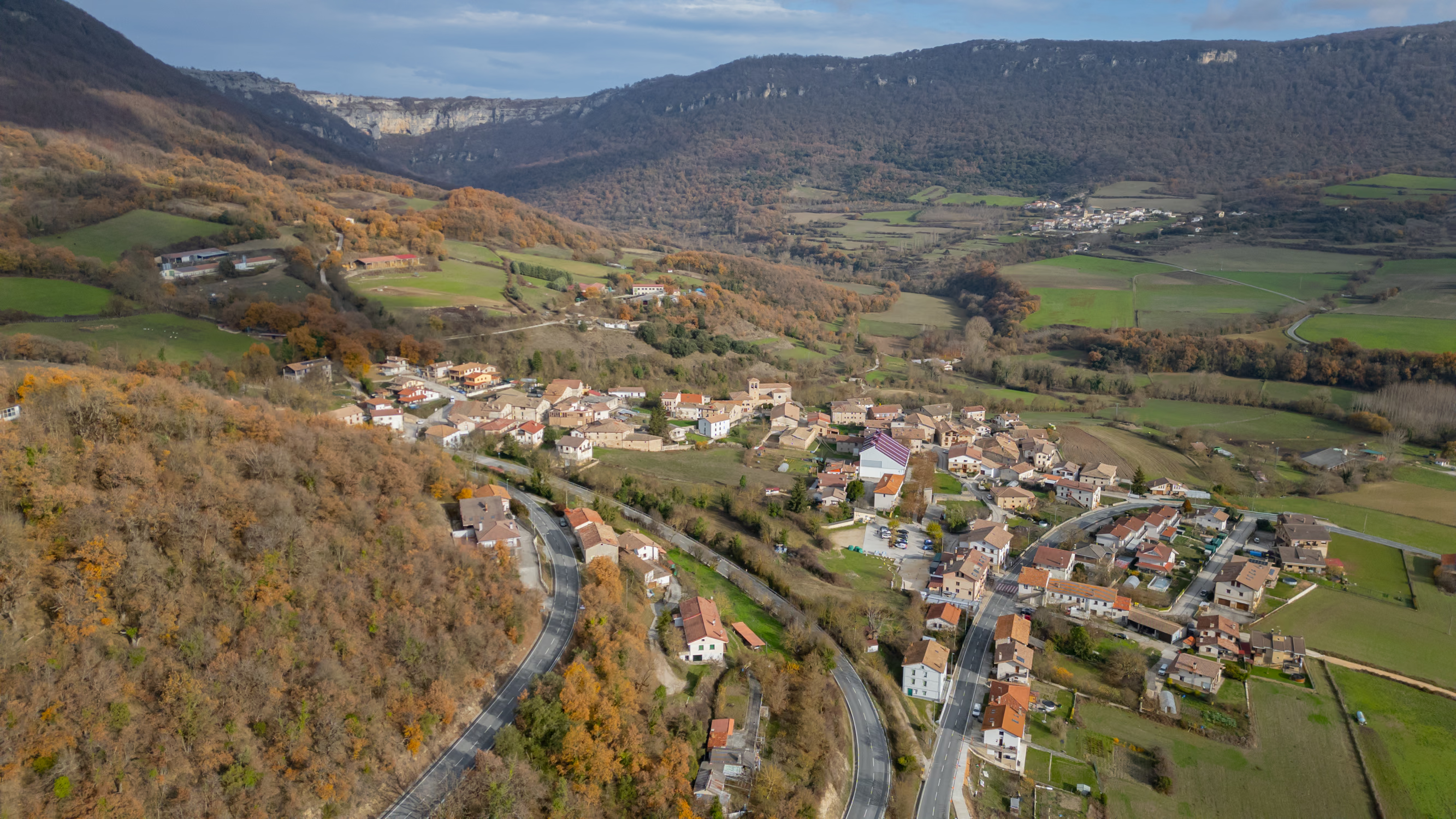
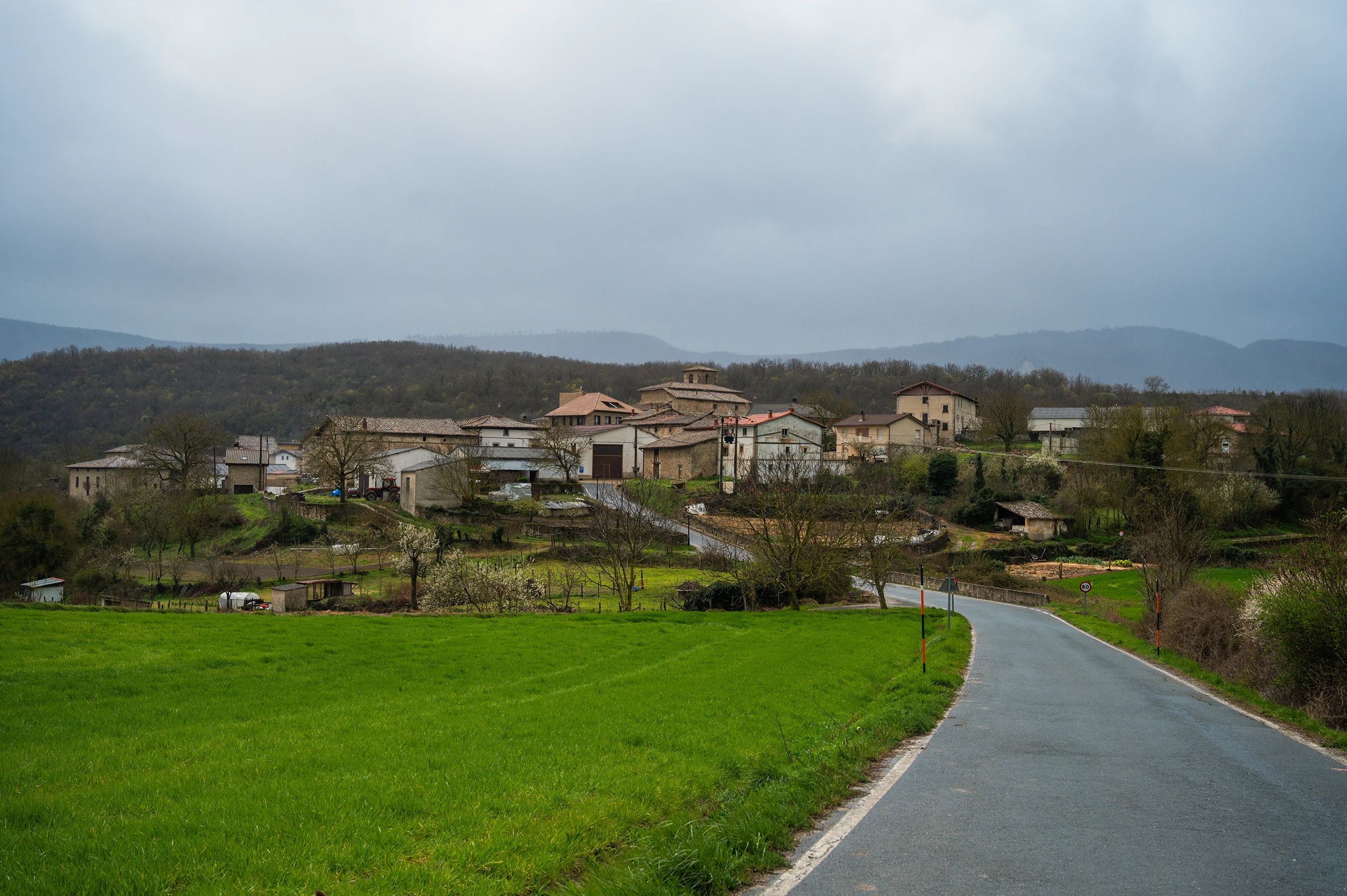
Gollano is a district within the municipality of Améscoa Baja, situated at an elevation of 600 meters, between the Lóquiz mountain range and the rocky outcrop of Urbasa. The village spreads out along the slope of a hill and is dominated by the Church of San Bartolomé, a former collegiate church that is striking for its size and features a remarkable Gothic wooden choir stall in its choir.
At the entrance to the village stand the remains of the keep of the former Gollano Palace, a 15th-century defensive structure currently in a stabilized state of ruin, where the bases of pointed arches and traces of circular structures are still visible. In the center of the hamlet, which retains the traditional architectural style of the Améscoas region—with stone-and-wood houses and a covered washhouse—it presents a well-preserved image of its historic character.
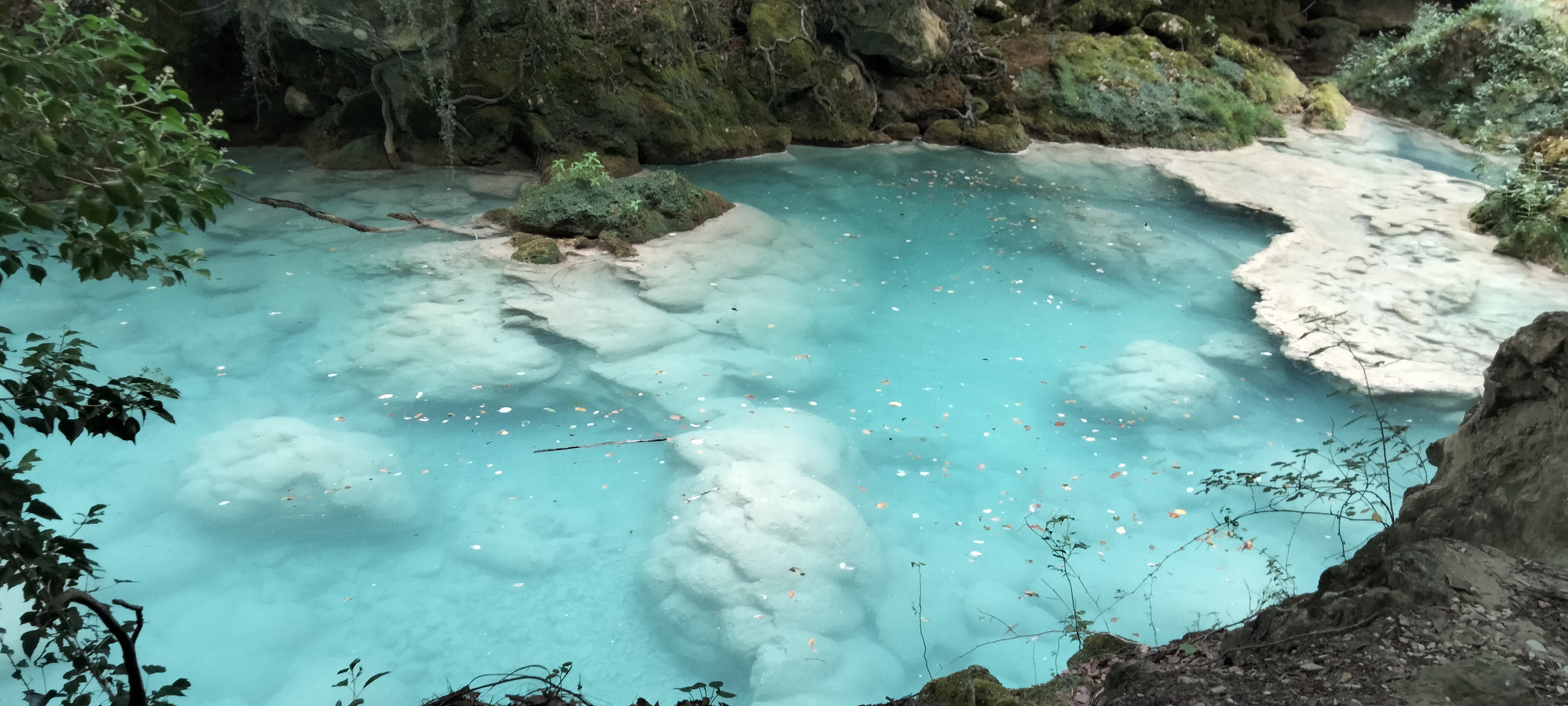
The natural surroundings are one of its main attractions. From the village, there are direct views of the limestone cliff of the Sierra de Urbasa and the famous Balcón de Pilatos. Its proximity to the headwaters of the Urederra River and the Urbasa-Andía Natural Park makes it a strategic location for hiking and enjoying the scenery. Within its municipal boundaries lie mountains such as Basarte, Zenagua, Etxasia, Itxina, and Aldaja, which are part of the Urederra’s tributary network.
The local economy combines livestock farming with cattle and poultry operations that take advantage of the town’s proximity to the valley’s main natural resources. The patron saint festivities are held in August in honor of Saint Bartholomew. On January 17, the feast of Saint Anthony is celebrated with a neighborhood dinner, and the tradition of a children’s collection drive, adapted for the summer season, is still observed.
La capital del valle de las Améscoas, puerta de entrada a Urbasa y al Urederra.
Un pueblo entre Urbasa y Lóquiz donde montaña, patrimonio artístico y tradición rural conviven.
Una villa con alma montañesa y herencia hidalga entre sierras y hayedos.
La capital de Améscoa Alta, una villa de gran patrimonio y tradición pastoril.