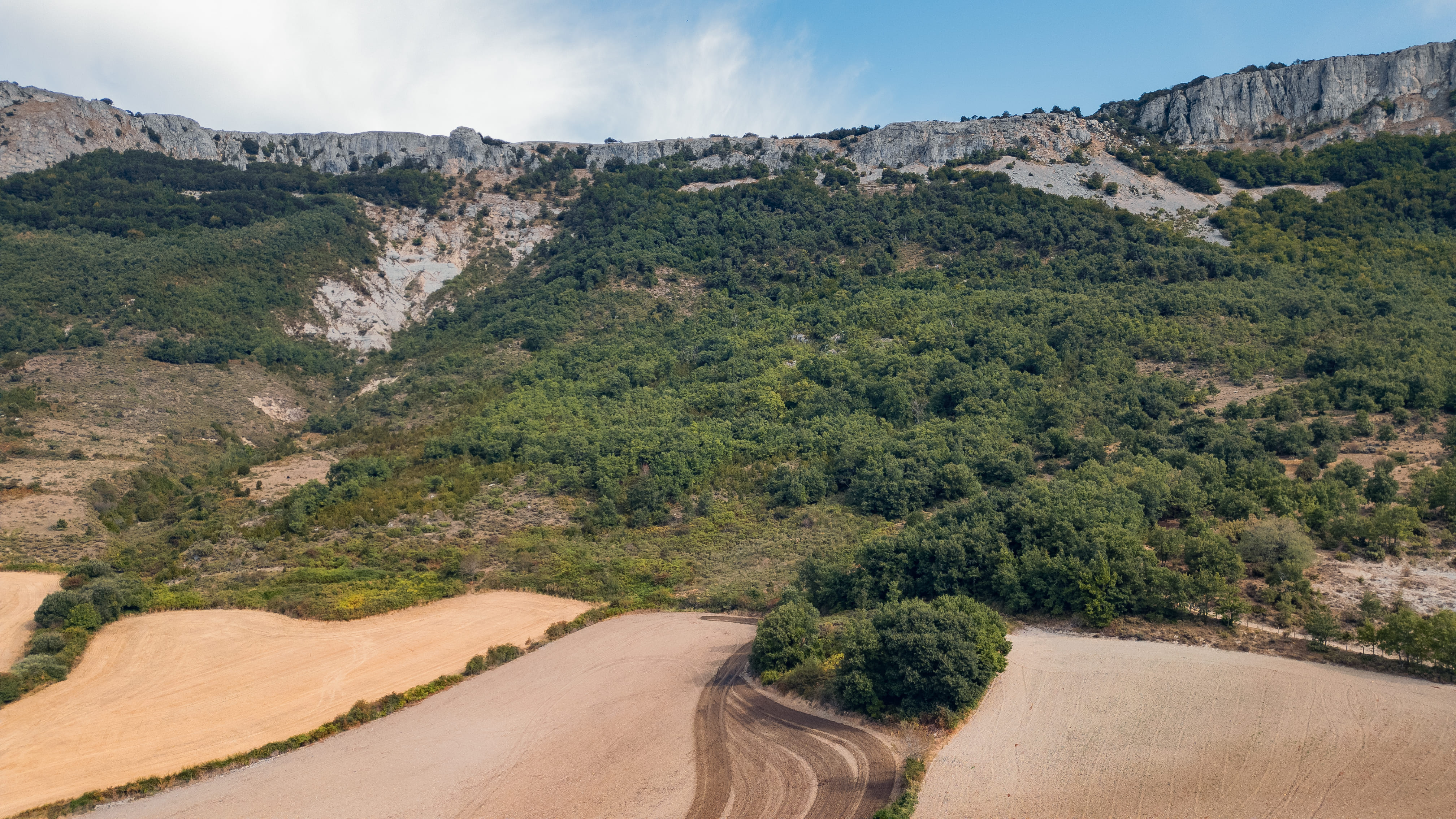
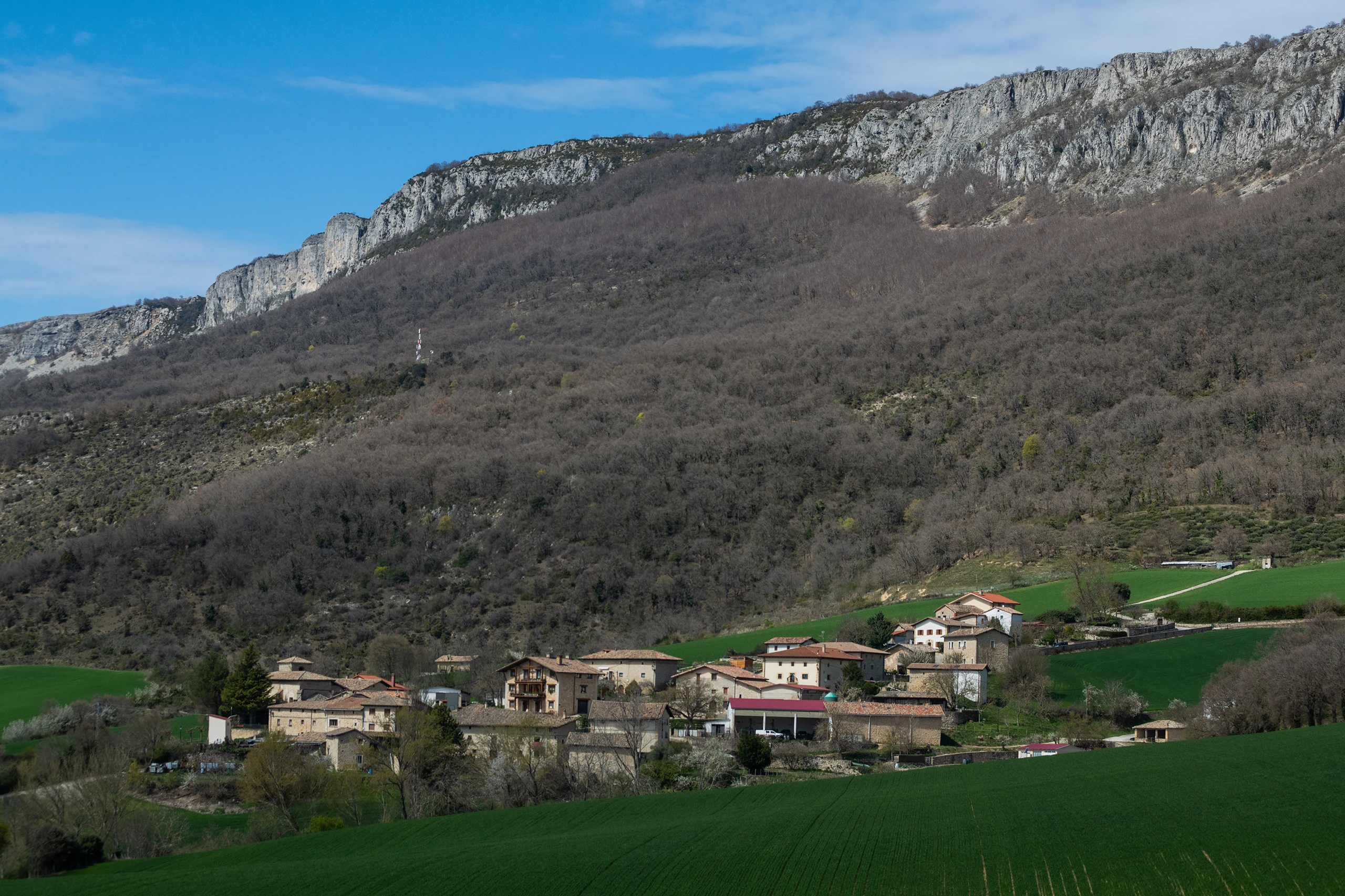
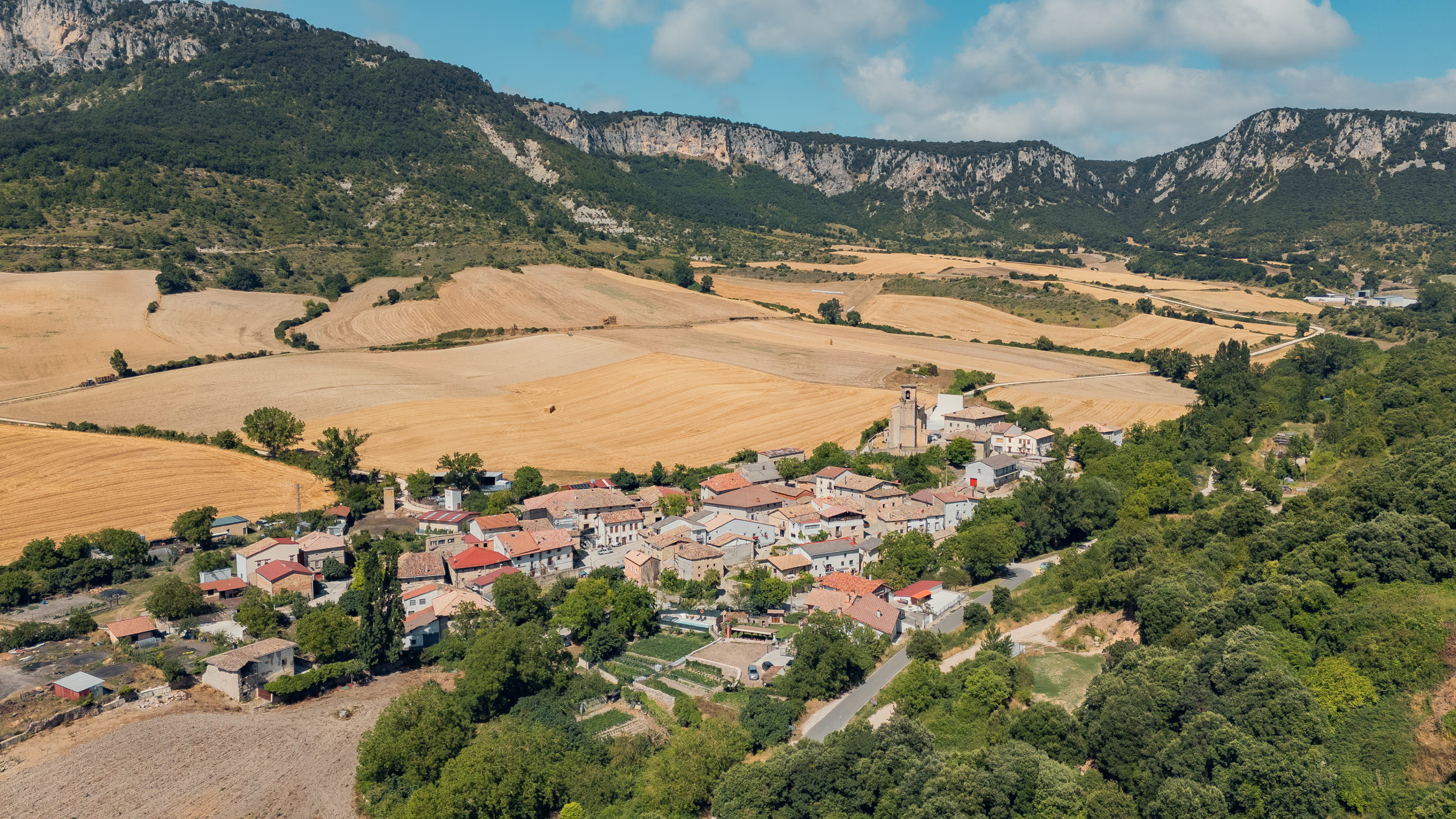
Gastiáin is the largest and most populous town in the Lana Valley. Located at the western end of the valley, between the Sierra de Lóquiz and the mountains that border this unique region known as “Little Russia,” the town has historically developed a close relationship with the landscape, shaped by its altitude, climate, and proximity to Álava.
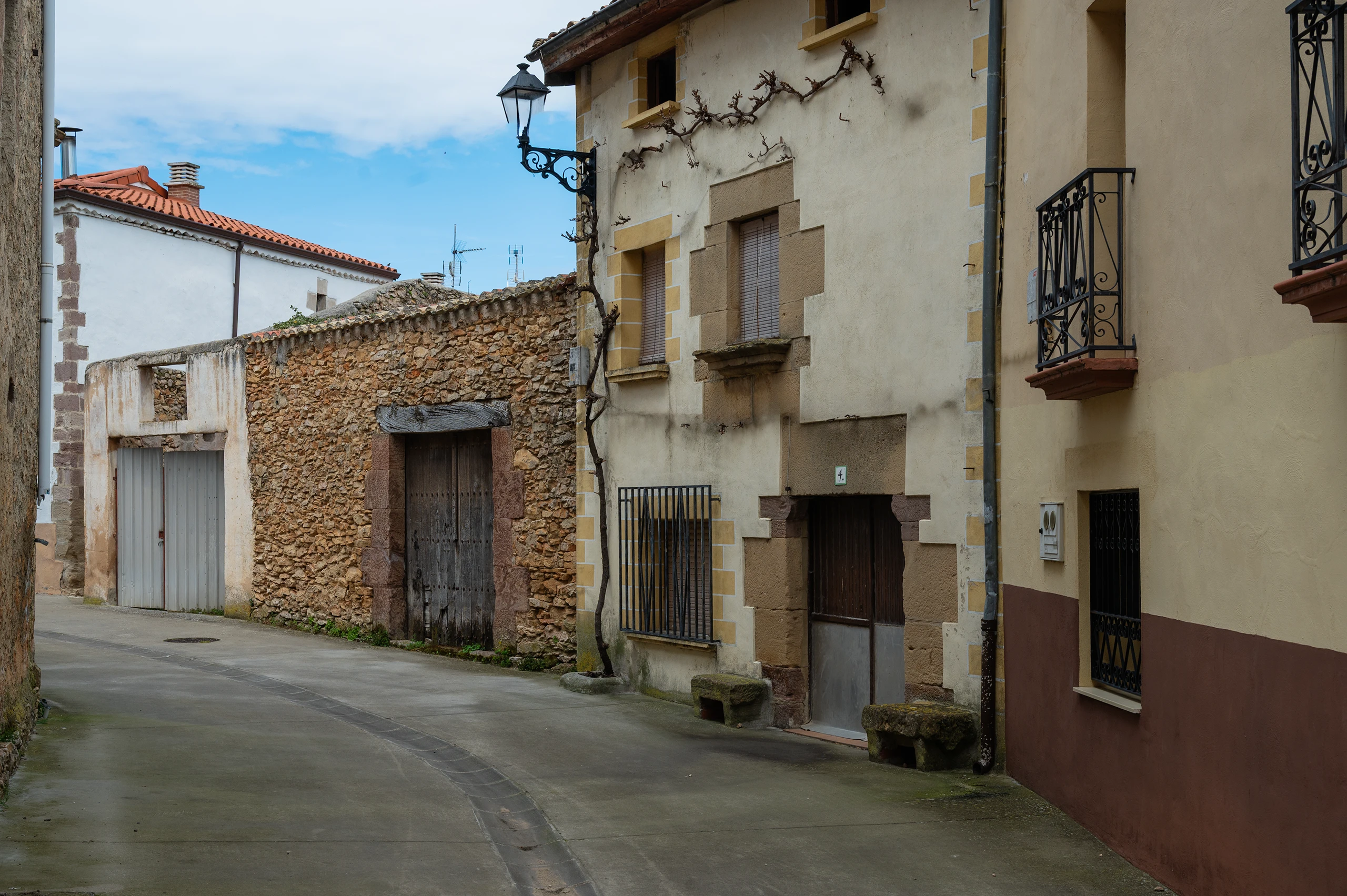
The town center is organized around a spacious plaza and a network of streets where the stone architecture and houses bearing coats of arms reflect Gastiáin’s historical importance within the valley. For centuries, the archive containing the charters and noble privileges of the Lana Valley was kept here—a past that remains visible today in the coats of arms adorning many of the building facades.
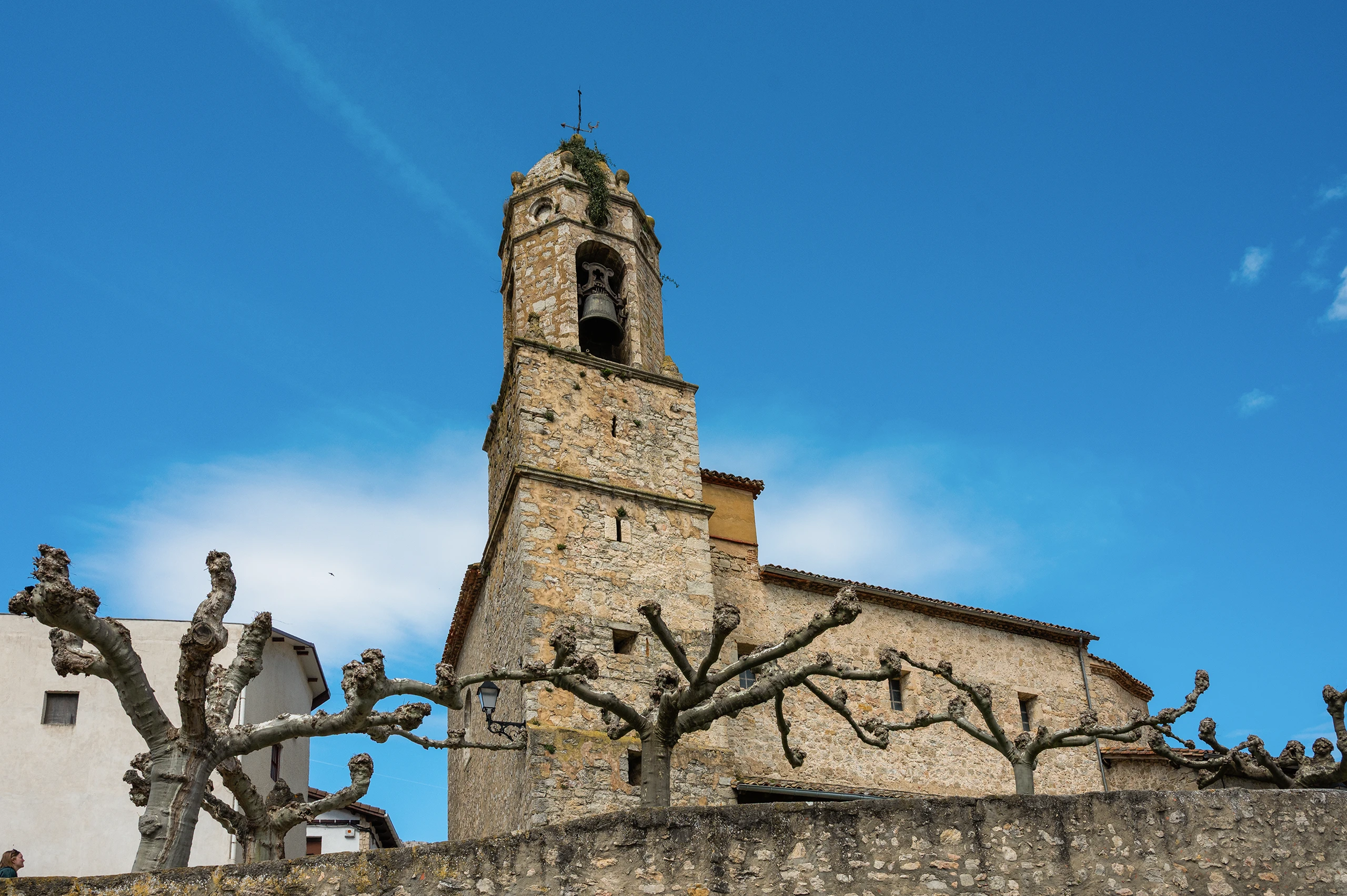
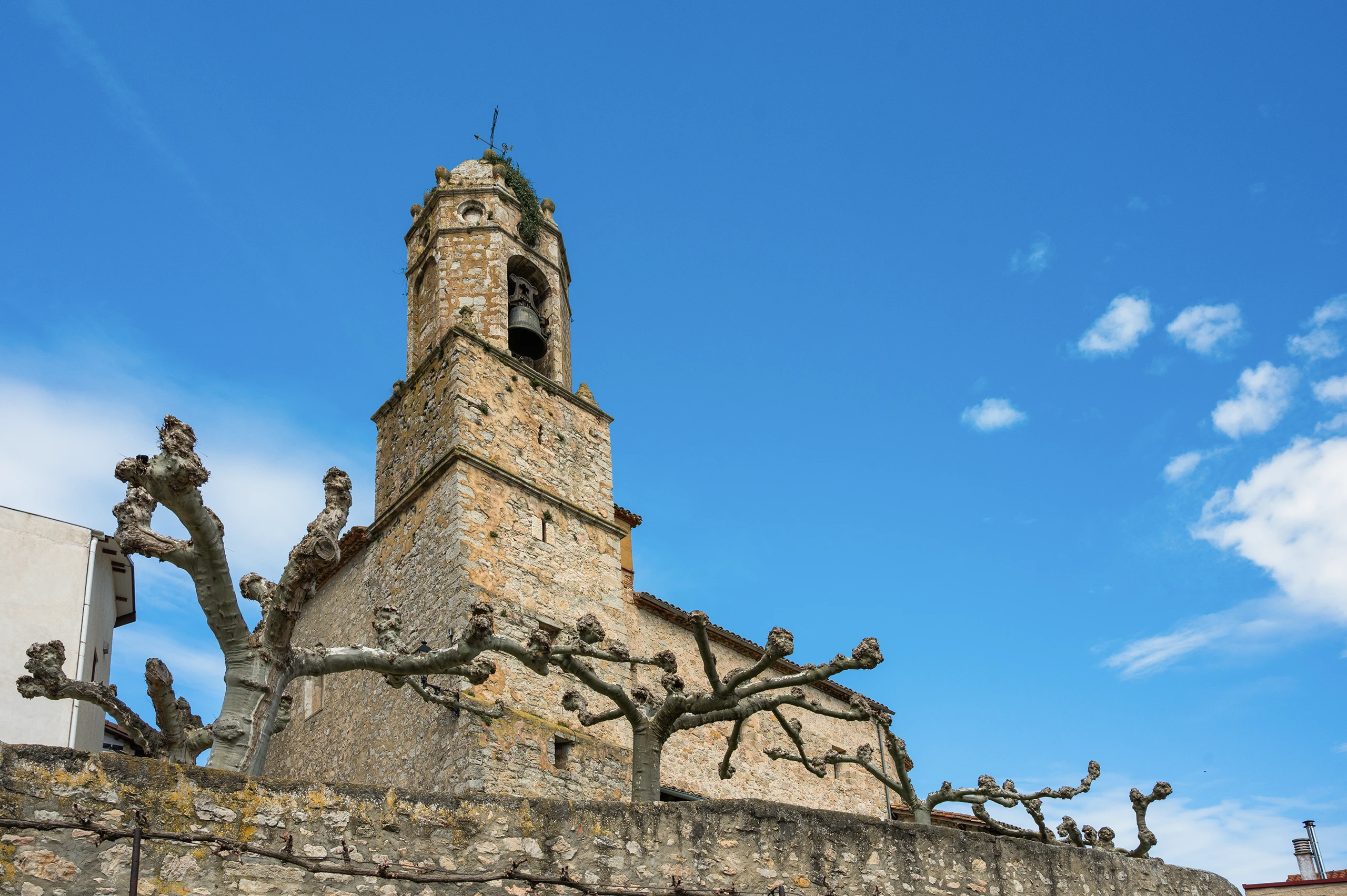
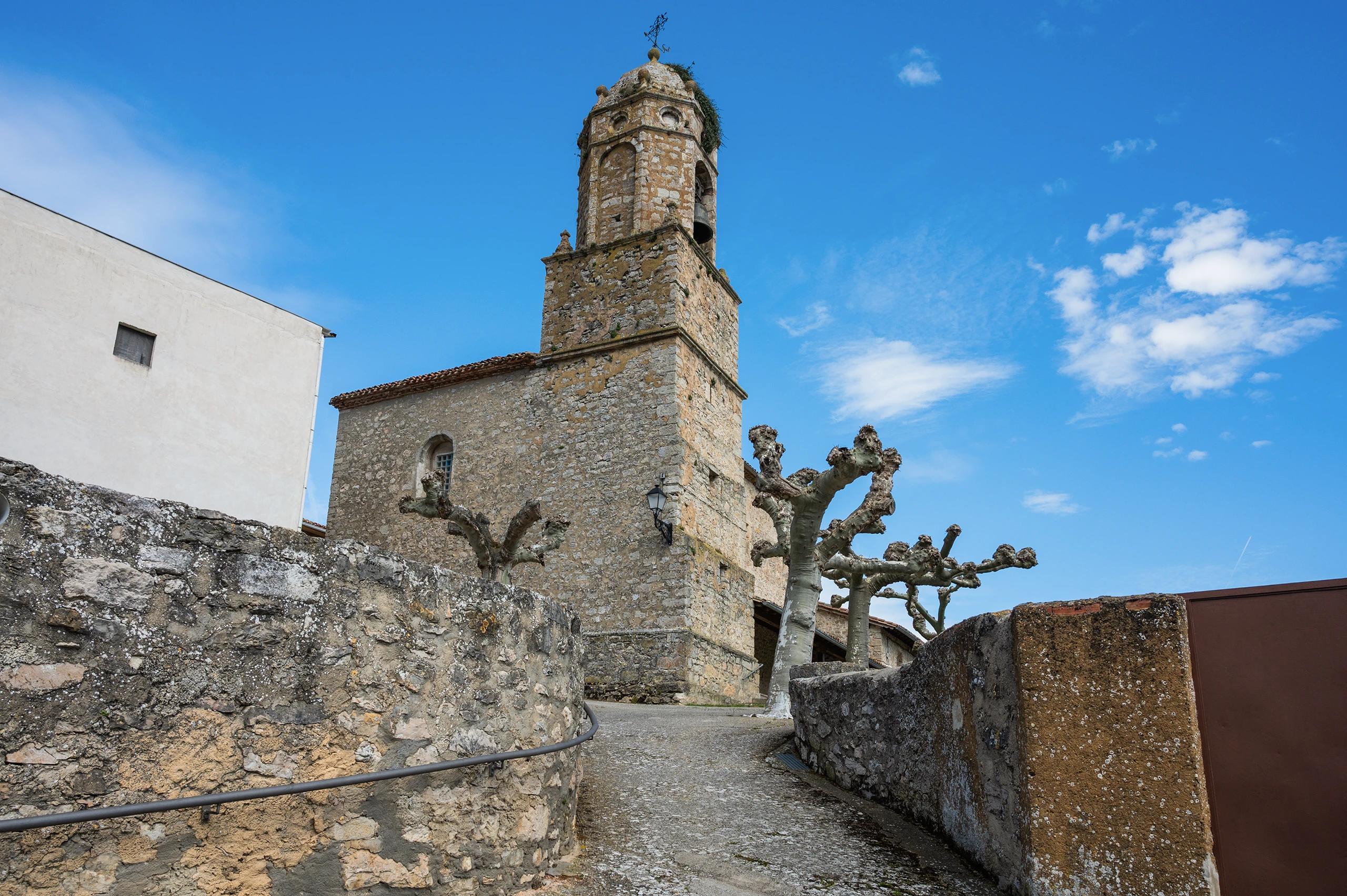
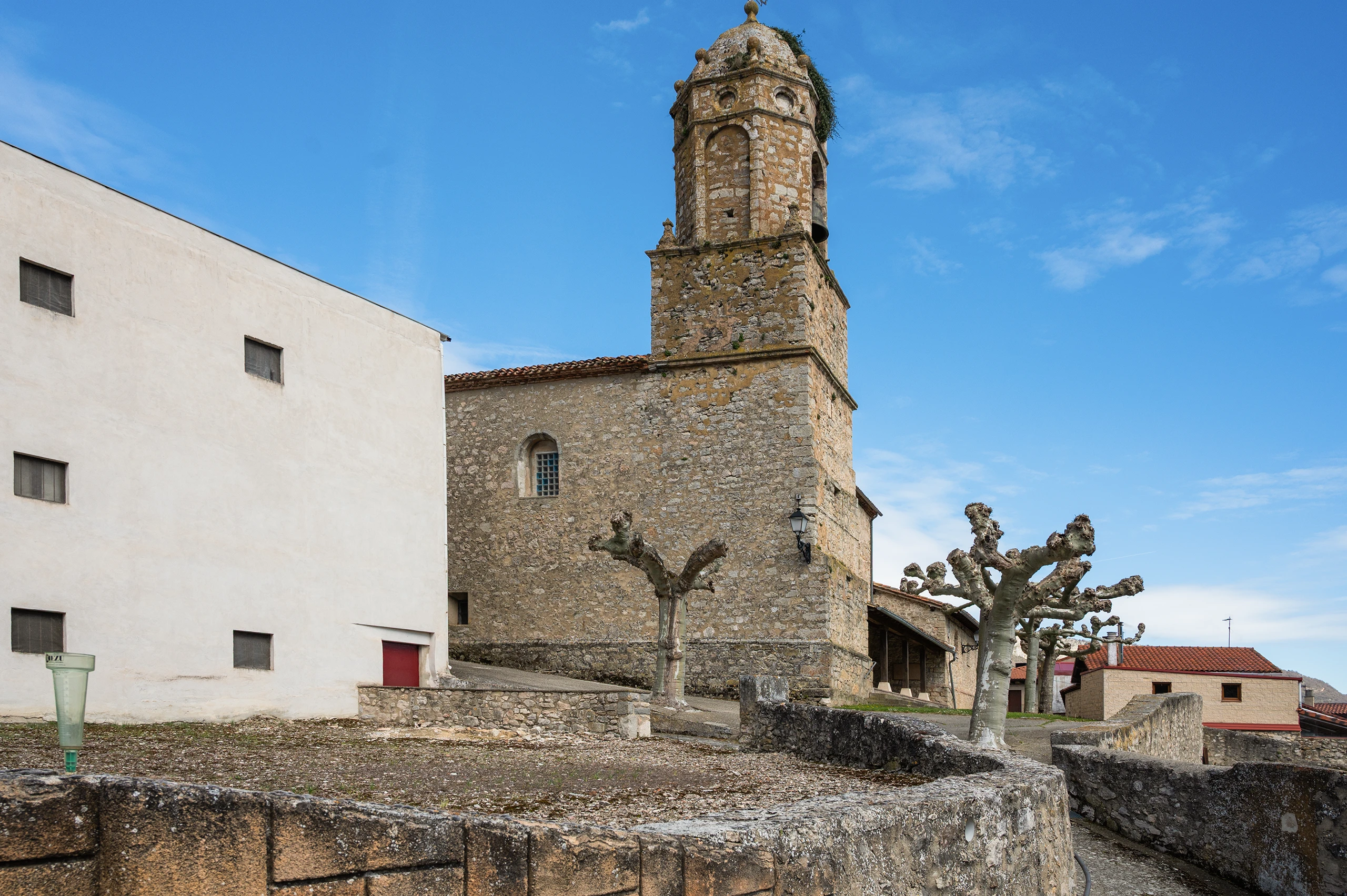
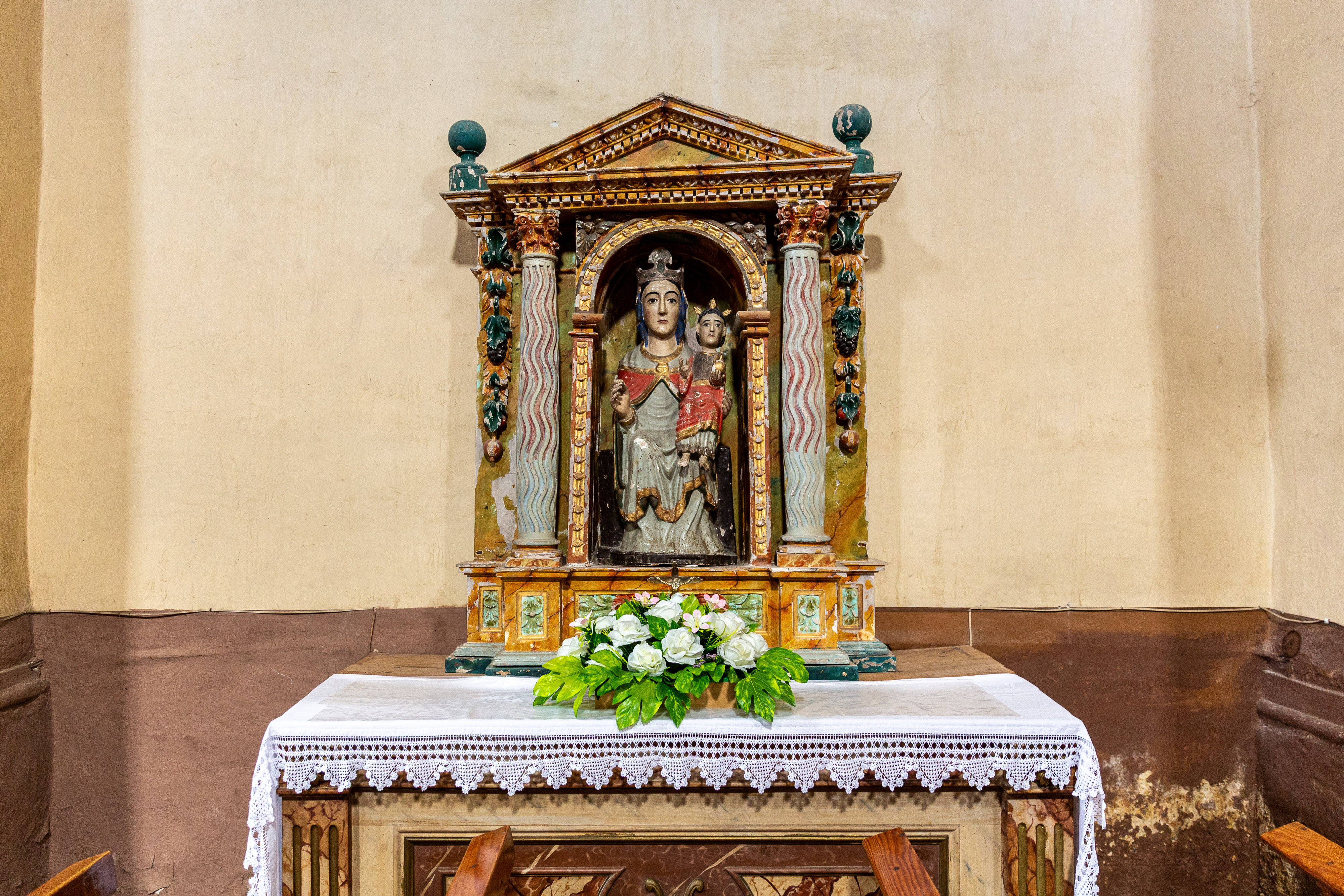
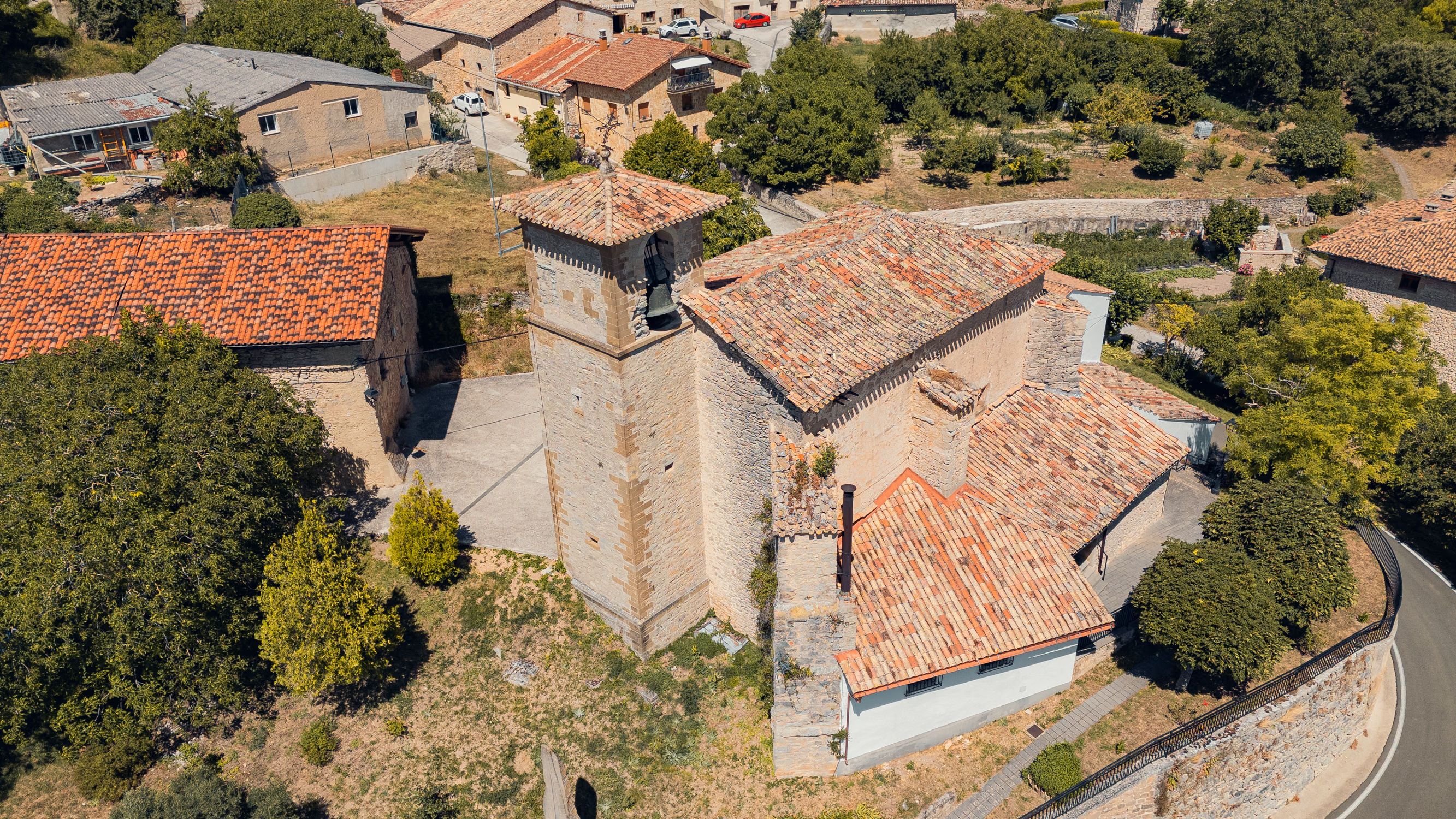
The main heritage landmark is the parish church of San Saturnino. On the outskirts of the village stands the medieval chapel of Zumadoya, along with the chapels of San Miguel and San Sebastián, which are linked to the Roman presence in the area thanks to archaeological remains that were later reused in religious architecture.
The natural surroundings are another of its major attractions. Gastiáin lies in a transitional zone between kermes oak, oak, and beech forests, offering numerous opportunities for walking and hiking. Traditional trails branch out from the town center, connecting to chapels, ancient historical sites, and natural viewpoints overlooking the valley—in a region where farming, livestock raising, and the artisanal production of charcoal continue to form part of its cultural identity.