
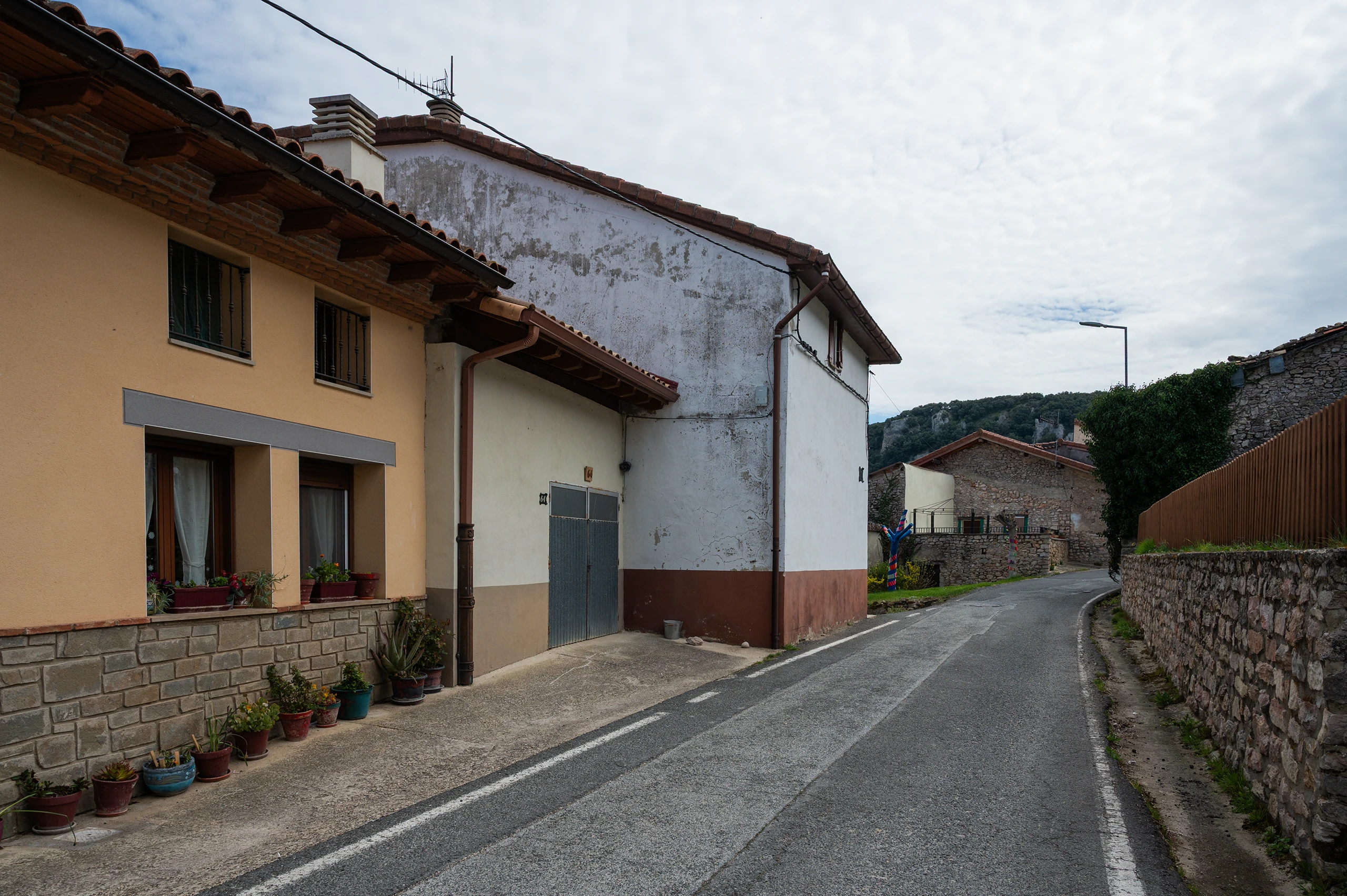
The entrance to one of Navarre’s most authentic valleys
Galbarra provides access to the Lana Valley, a hidden corner of Tierra Estella where you can still experience tranquility, rural life, and unspoiled landscapes, far from mass tourism.

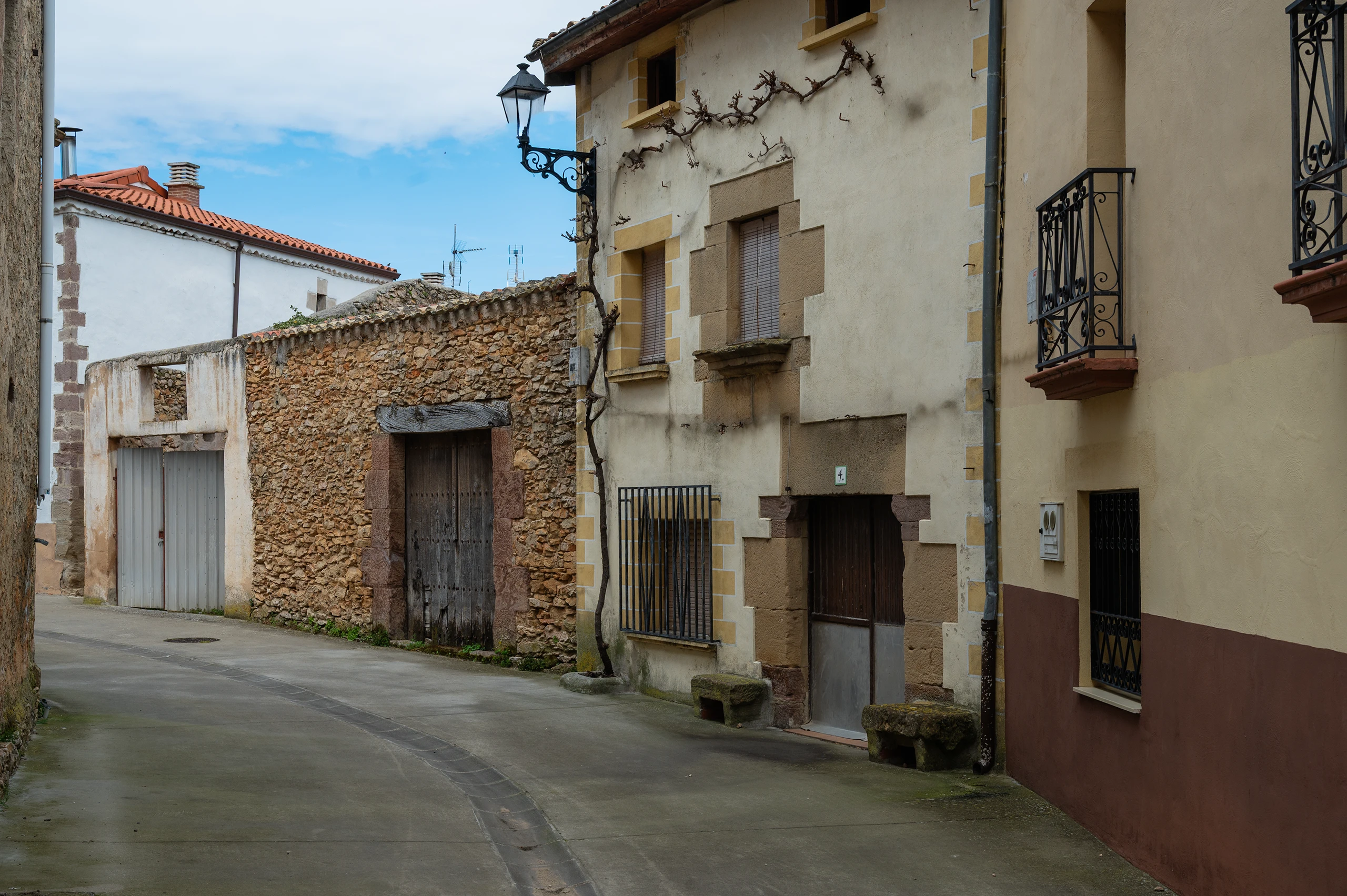
The gateway and administrative capital of the Lana Valley.
Galbarra provides access to the Lana Valley, a hidden corner of Tierra Estella where you can still experience tranquility, rural life, and unspoiled landscapes, far from mass tourism.
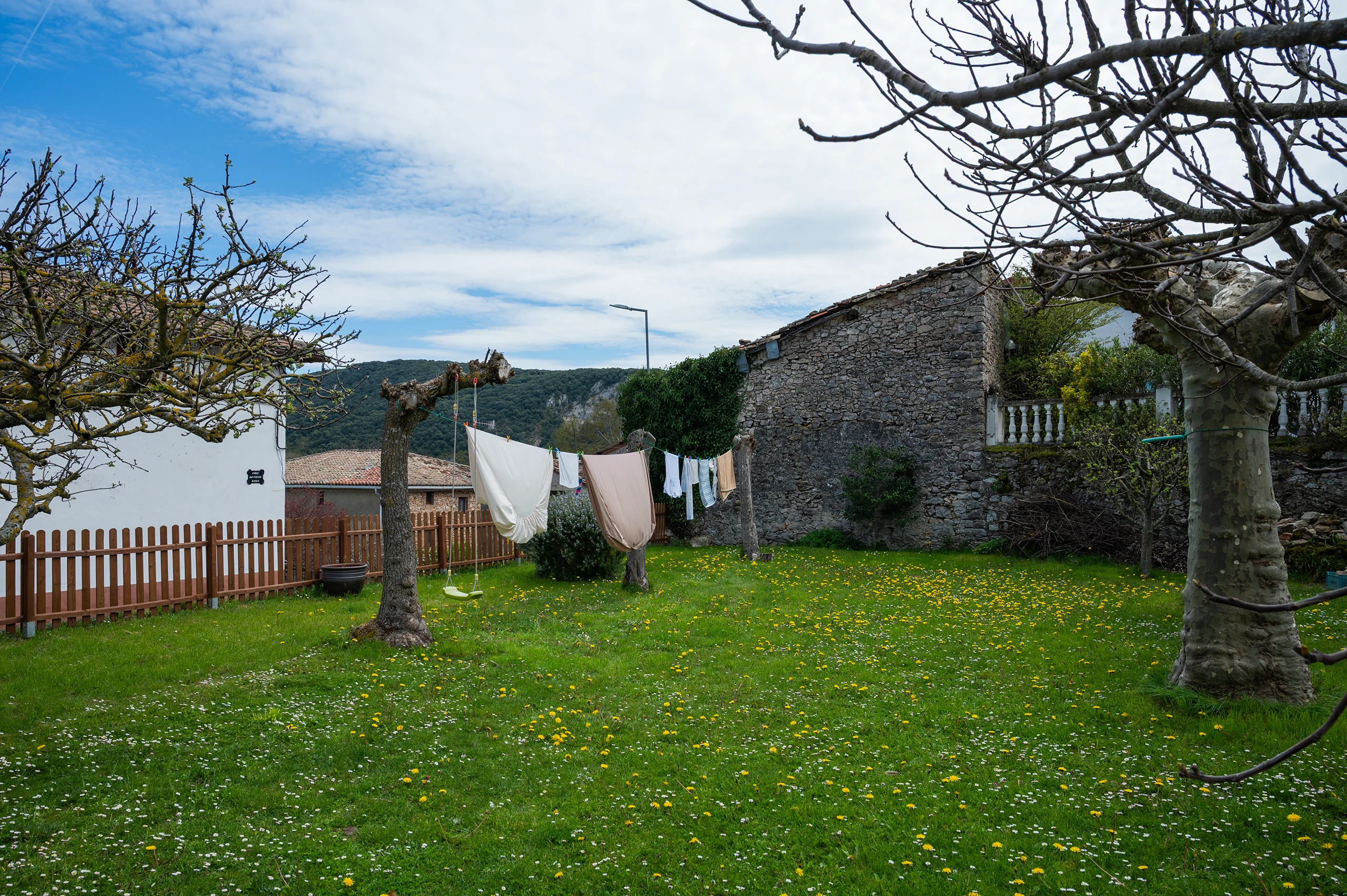
Few places allow you to hike through such a distinctive environment: beech, oak, and kermes oak forests coexist amid Atlantic and Mediterranean influences, creating trails of astonishing natural beauty.
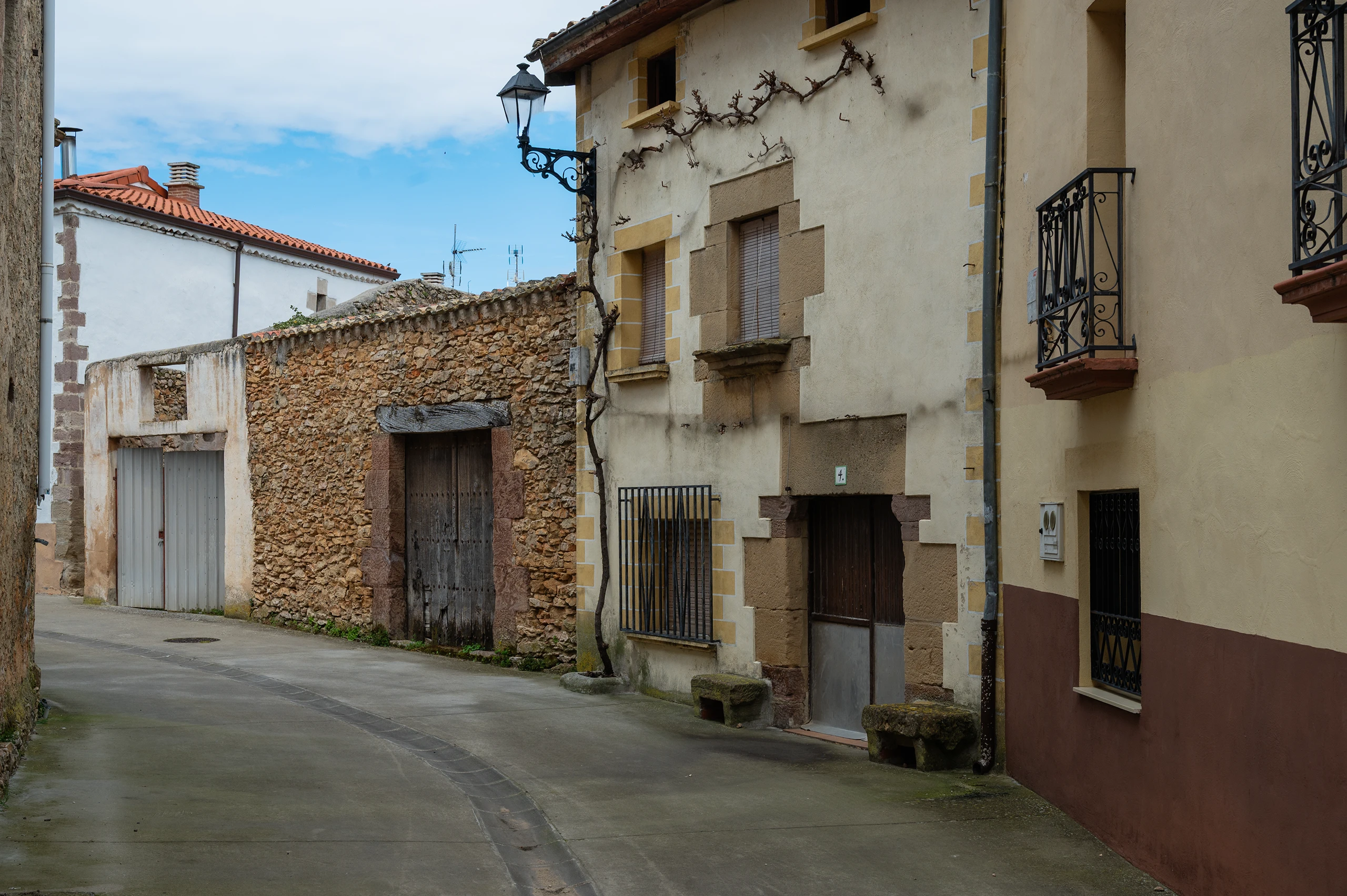
The Church of San Pedro, the houses bearing coats of arms, and the legacy of the old charcoal burners make a stroll through Galbarra an immersive experience in the most authentic rural Navarre.
Galbarra can be explored year-round. Spring and fall are the best times to enjoy the trails and the contrasting colors of the landscape. In summer, the mild temperatures allow you to explore the valley at a leisurely pace, while winter offers a quieter, more serene view of the rural surroundings.
Galbarra is the gateway and administrative capital of the Lana Valley, a unique region in Western Central Navarre, far from major thoroughfares and mass tourism. Surrounded by the Lóquiz mountain range and the hills that enclose the valley, the town is nestled in a setting of great scenic and natural beauty, characterized by forests and rural life.
The town center stretches along the old access road to the valley, preserving traditional stone architecture highlighted by the Church of San Pedro—a Romanesque structure with 16th-century renovations— its Romanesque façade and historic tower, as well as traditional houses with Baroque coats of arms from the 17th and 18th centuries, alongside neighborhood spaces that reflect the history and character of the community.
The landscape is one of its main attractions. Numerous hiking trails depart from the village itself, leading into a forest that serves as a transition zone between the Atlantic and Mediterranean ecosystems, featuring beech, oak, and kermes oak groves, as well as pasturelands. This environment has historically been linked to charcoal production, a practice that has now disappeared but remains visible in the region’s collective memory and in the ways the woodland is used today.
0 resultados
Todavía no hay rutas asociadas a esta población.
Mostrando 0 de 0 resultados
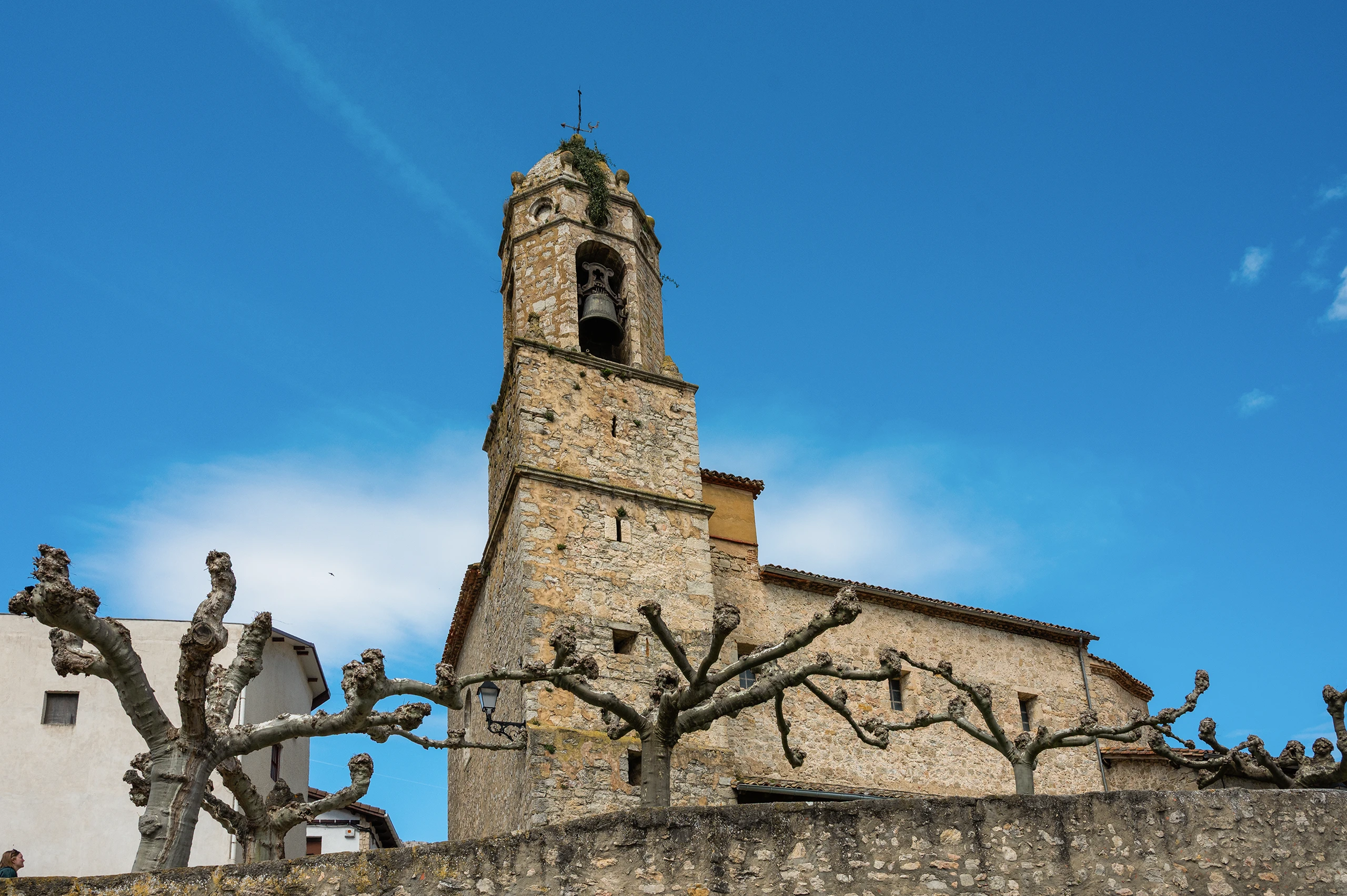
El núcleo más extenso del Valle de Lana, entre historia, paisaje y tradición rural.
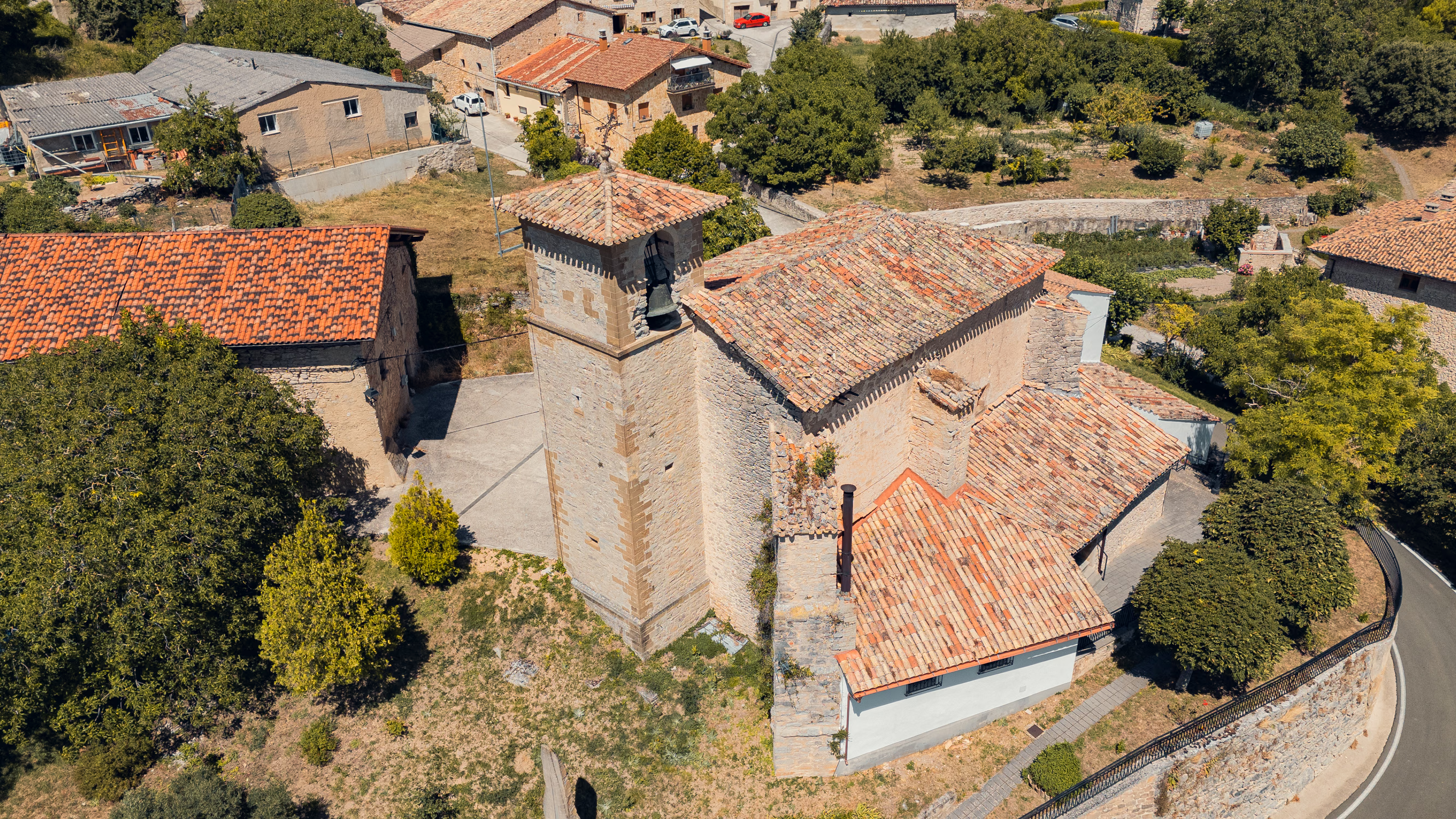
El pequeño balcón del valle de Lana en la sierra de Lóquiz.
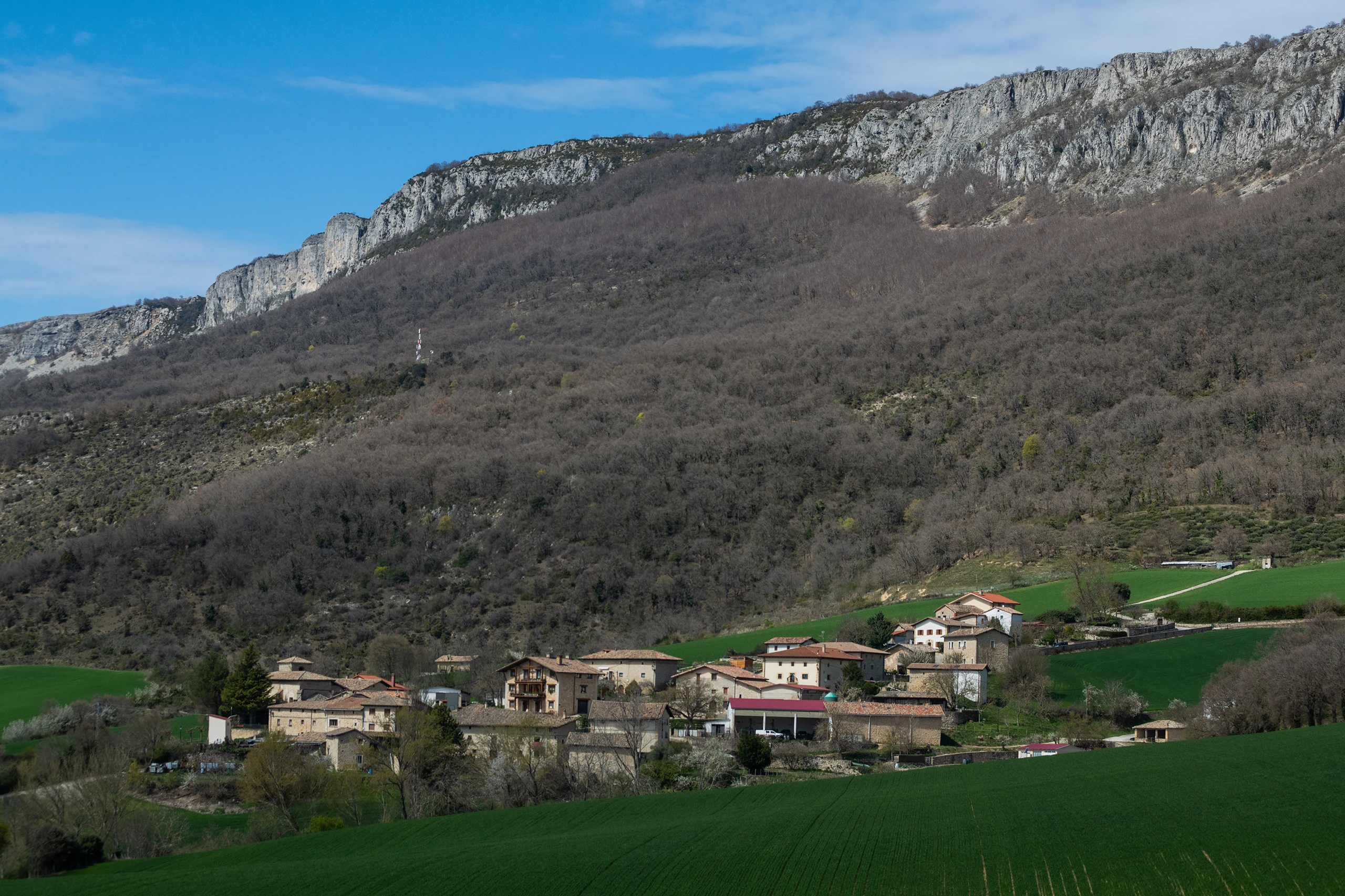
Un refugio de calma a los pies de la sierra de Lóquiz.
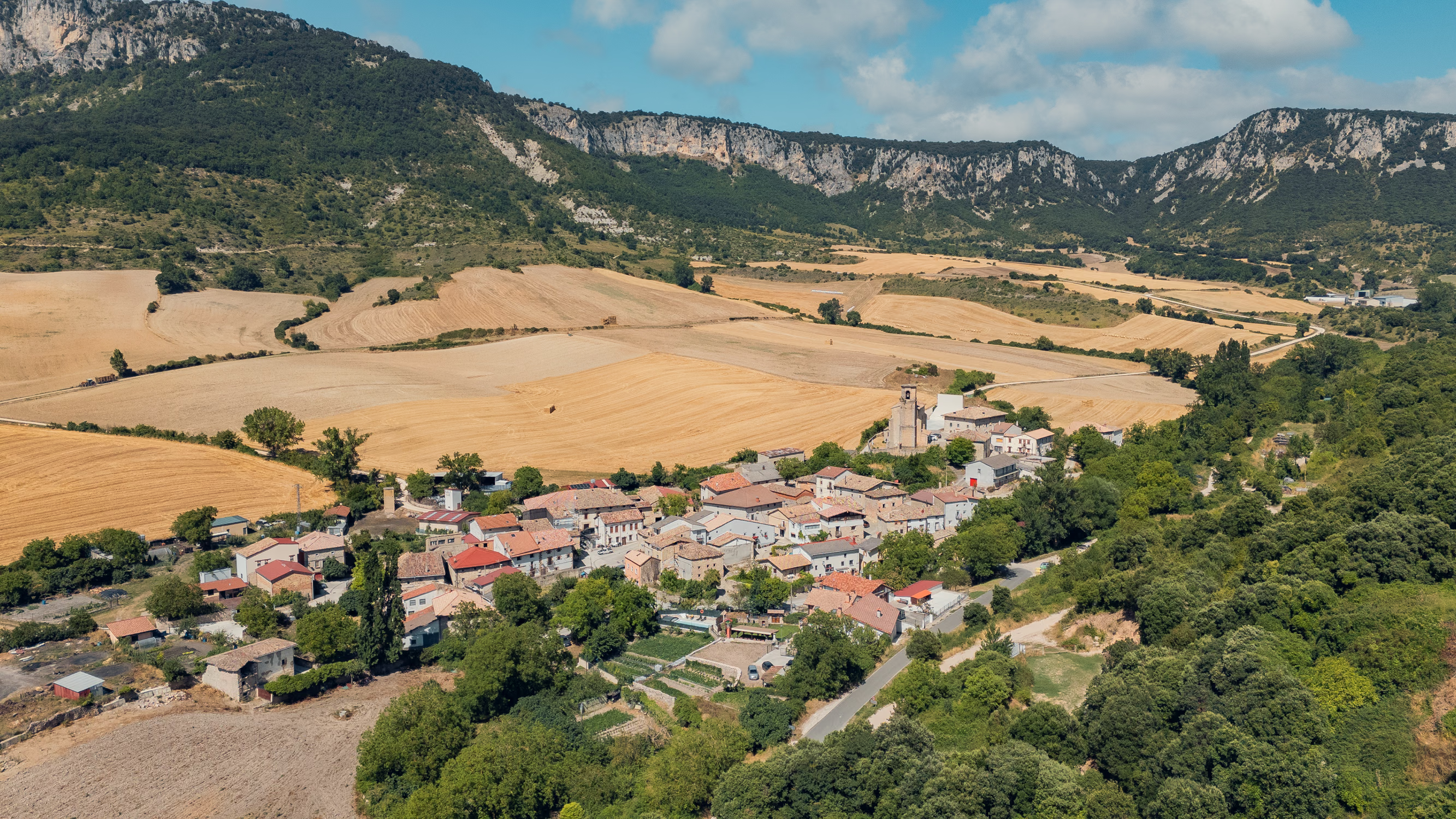
Un pueblo de gran tradición carbonera y memoria cinematográfica en el valle de Lana.