
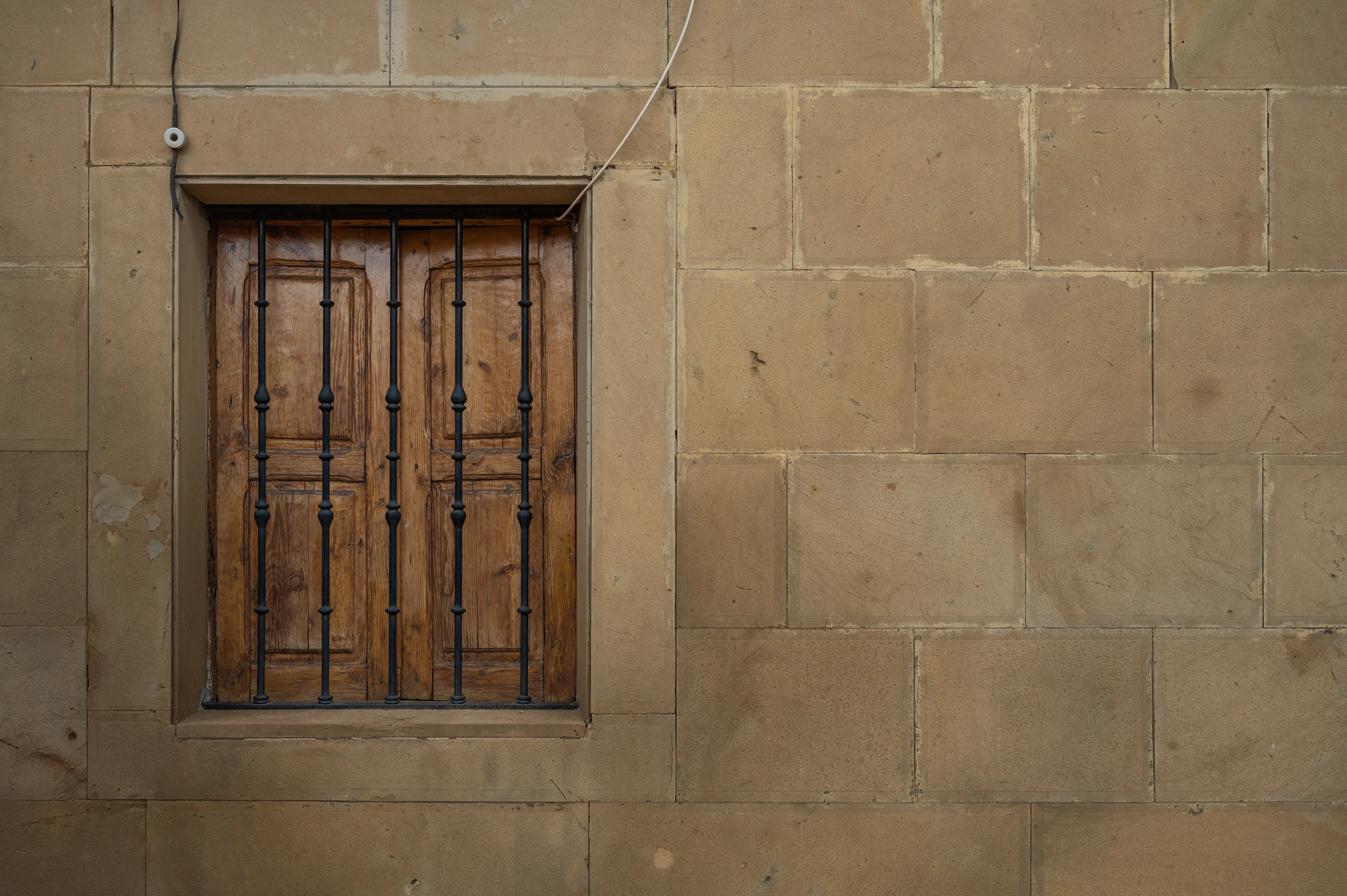
A village with spectacular views
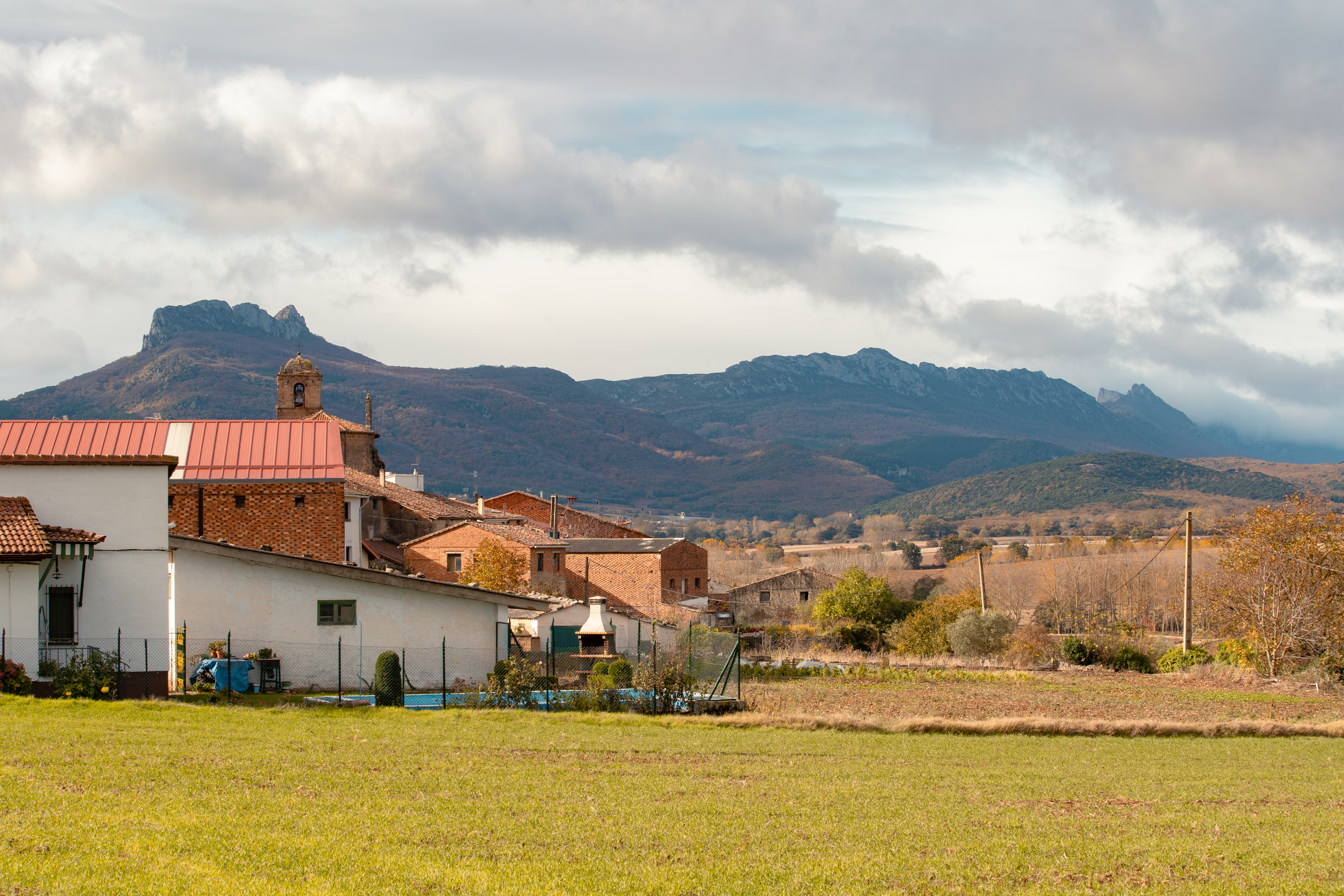
Perched on a gentle hill and surrounded by farmland, El Busto offers sweeping panoramic views of the valley and the nearby mountain ranges, in a setting where the horizon is part of the experience.

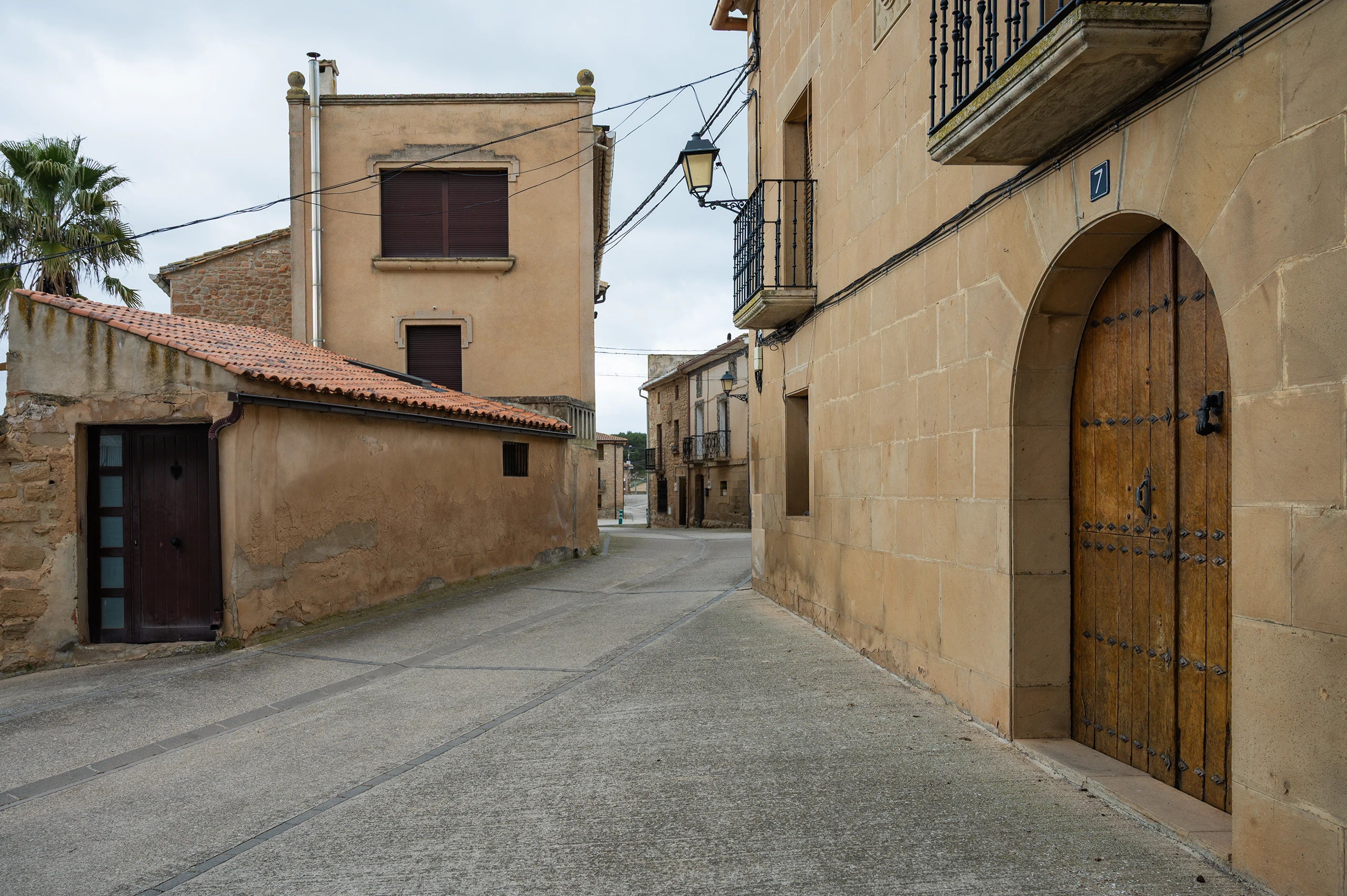
A village of rural nobility through which pilgrims pass.
Perched on a gentle hill and surrounded by farmland, El Busto offers sweeping panoramic views of the valley and the nearby mountain ranges, in a setting where the horizon is part of the experience.
The Church of San Andrés houses one of the region’s greatest artistic treasures: the main altarpiece by the Riojan School, considered one of the most outstanding works in Tierra Estella.
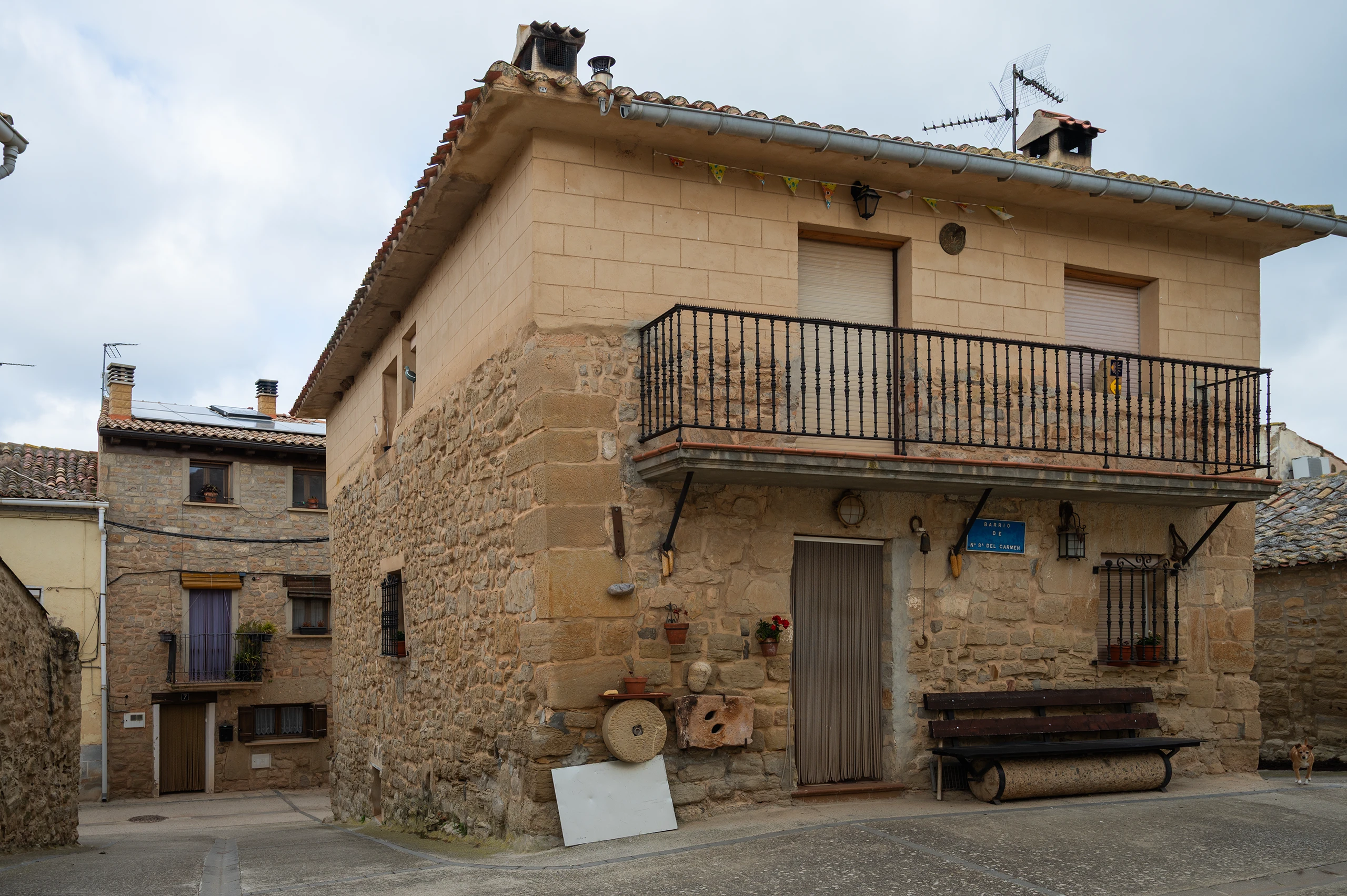
The Camino de Santiago passes through El Busto, giving the town a historical identity linked to the passage of travelers, hospitality, and the connection between heritage, nature, and spirituality.
The bust can be visited year-round. Spring and fall are especially recommended for enjoying the agricultural landscapes and exploring the surrounding area in mild temperatures. Summer allows you to enjoy sweeping views and the peaceful atmosphere of the village, while winter offers a more leisurely and quiet experience of the rural landscape.
The bust stands on a gentle hill in Tierra Estella, offering sweeping views of the valley and blending seamlessly with the agricultural landscape. Its history has been linked to neighboring towns such as Los Arcos and Torres del Río, as well as to a borderland past that led it to become part of the Kingdom of Castile between the 15th and 18th centuries, before being reincorporated into Navarre.
El Busto’s history is also tied to the Camino de Santiago and its strategic location in a region historically connected to Navarre, Castile, and the passage of travelers. Its surroundings, characterized by grain fields, traditional paths, and gentle slopes, invite visitors to explore the area at a leisurely pace.
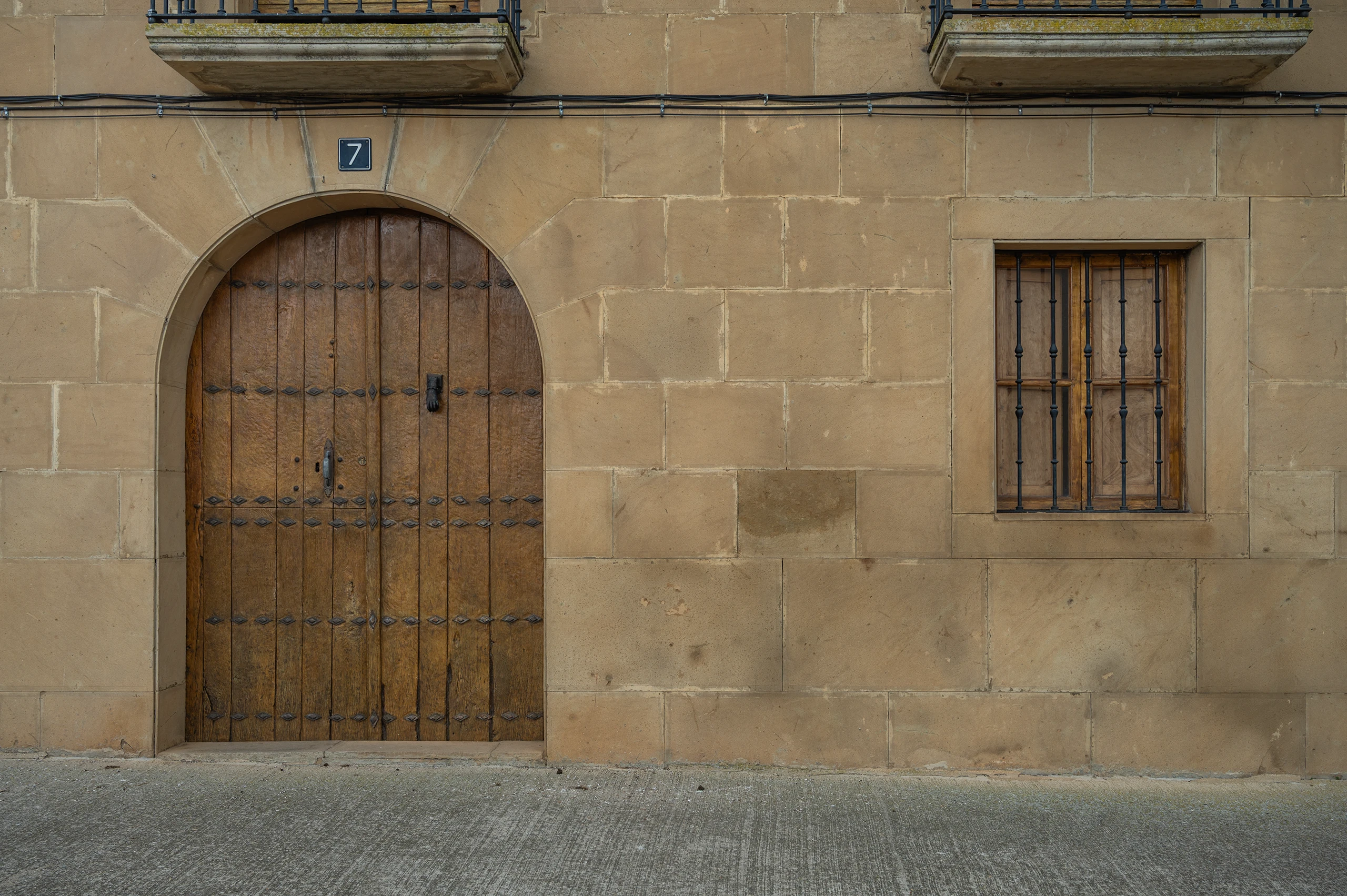
The town’s layout is organized along San Andrés Street, the village’s main thoroughfare and the setting where 16th- and 17th-century houses bearing coats of arms, stone heraldic crests, and buildings that speak to a past linked to the rural nobility and the passage of pilgrims are concentrated.
Presiding over the village is the Church of San Andrés, a 16th-century Gothic-Renaissance church that served for centuries as a landmark and refuge for travelers. Its lantern tower, visible at night, guided pilgrims, and inside it houses one of the region’s greatest artistic treasures: the Main Altarpiece of the Riojan School, considered one of the most outstanding in Tierra Estella, comparable only to those in Genevilla and Lapoblación.
0 resultados
Todavía no hay rutas asociadas a esta población.
Mostrando 0 de 0 resultados
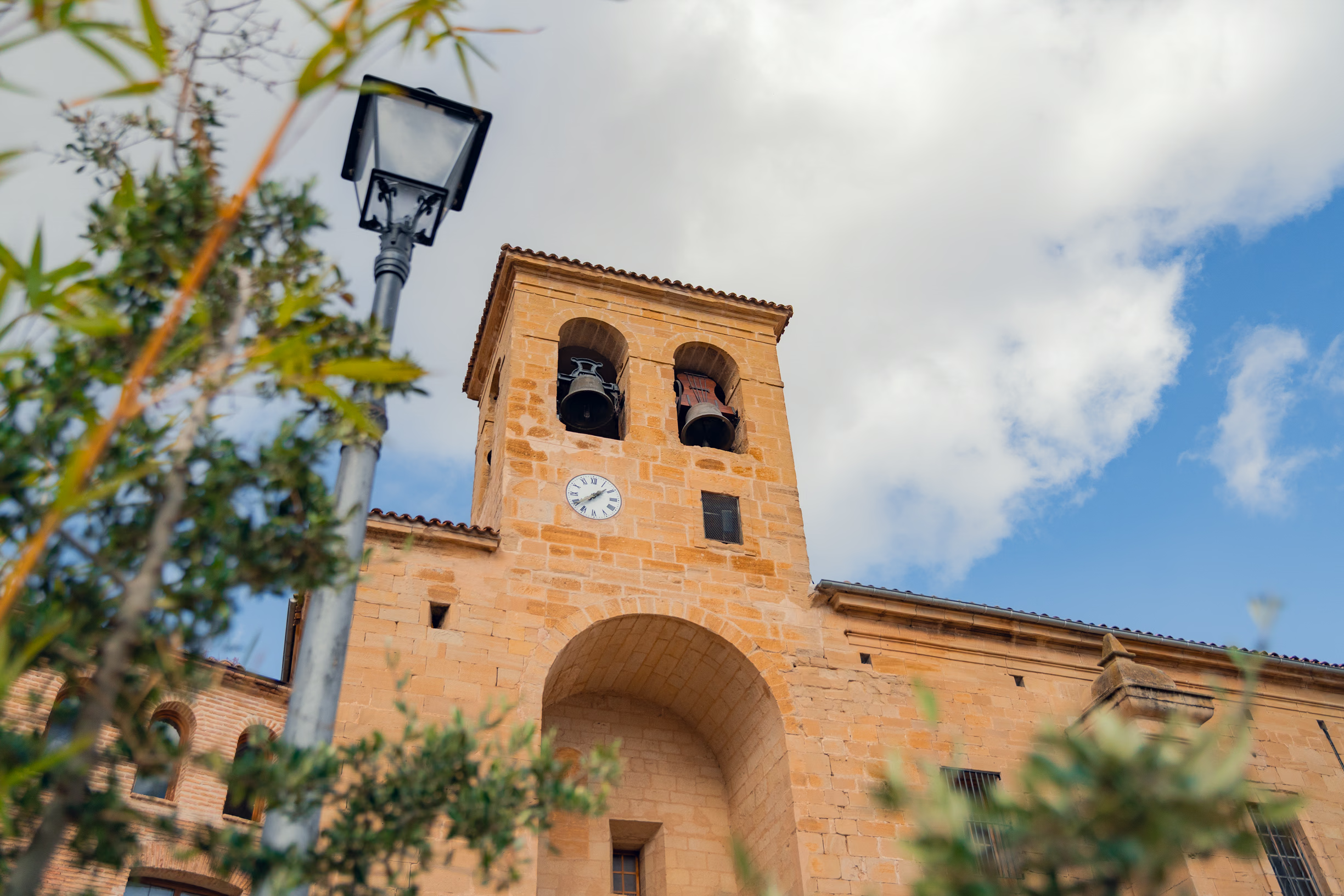
La villa de las brujas y las leyendas al pie de la sierra de Codés.
Un pueblo de tradición agrícola entre embalses, montaña y patrimonio barroco.
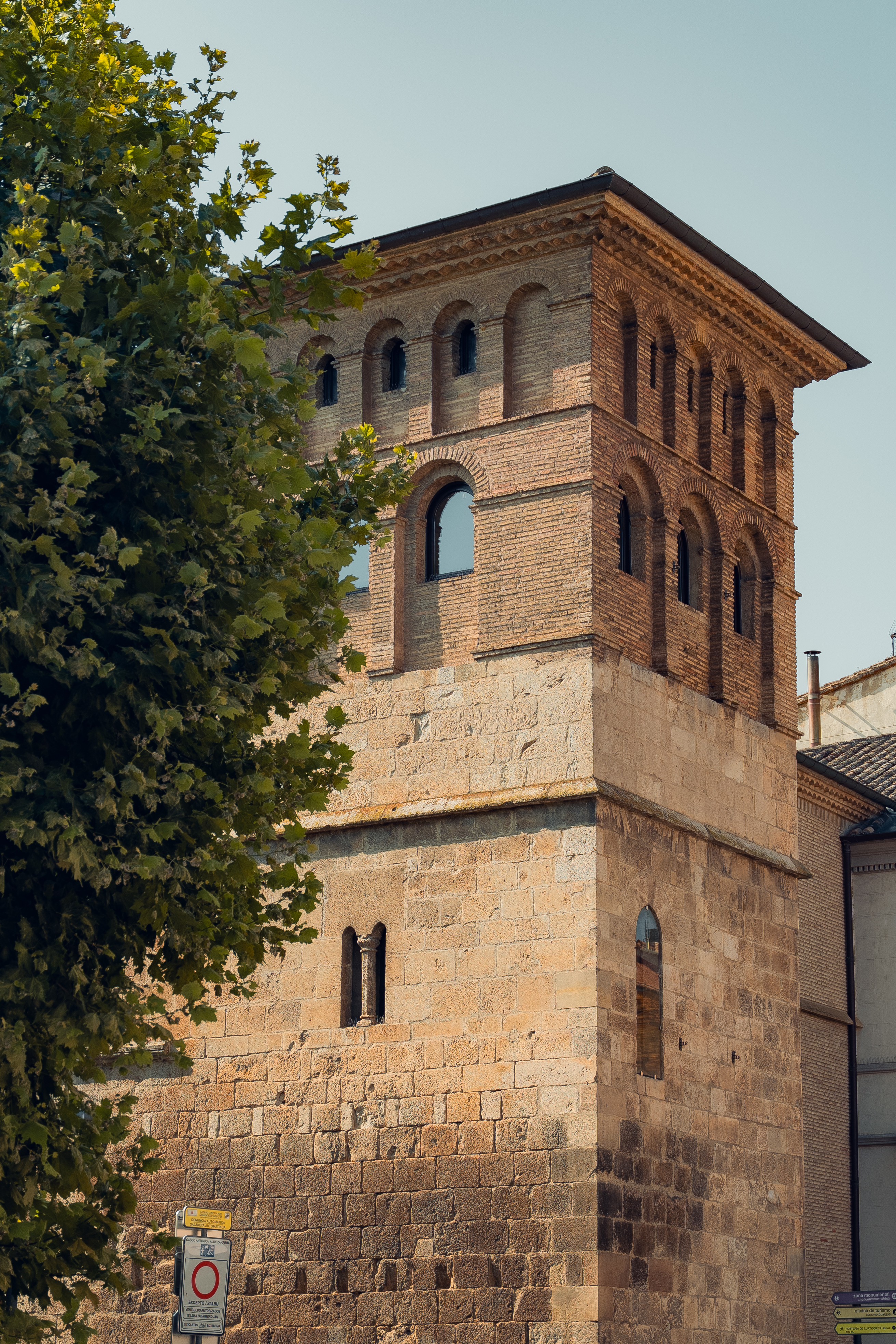
Un pueblo de patrimonio monumental entre barrancos y paisaje agrícola.
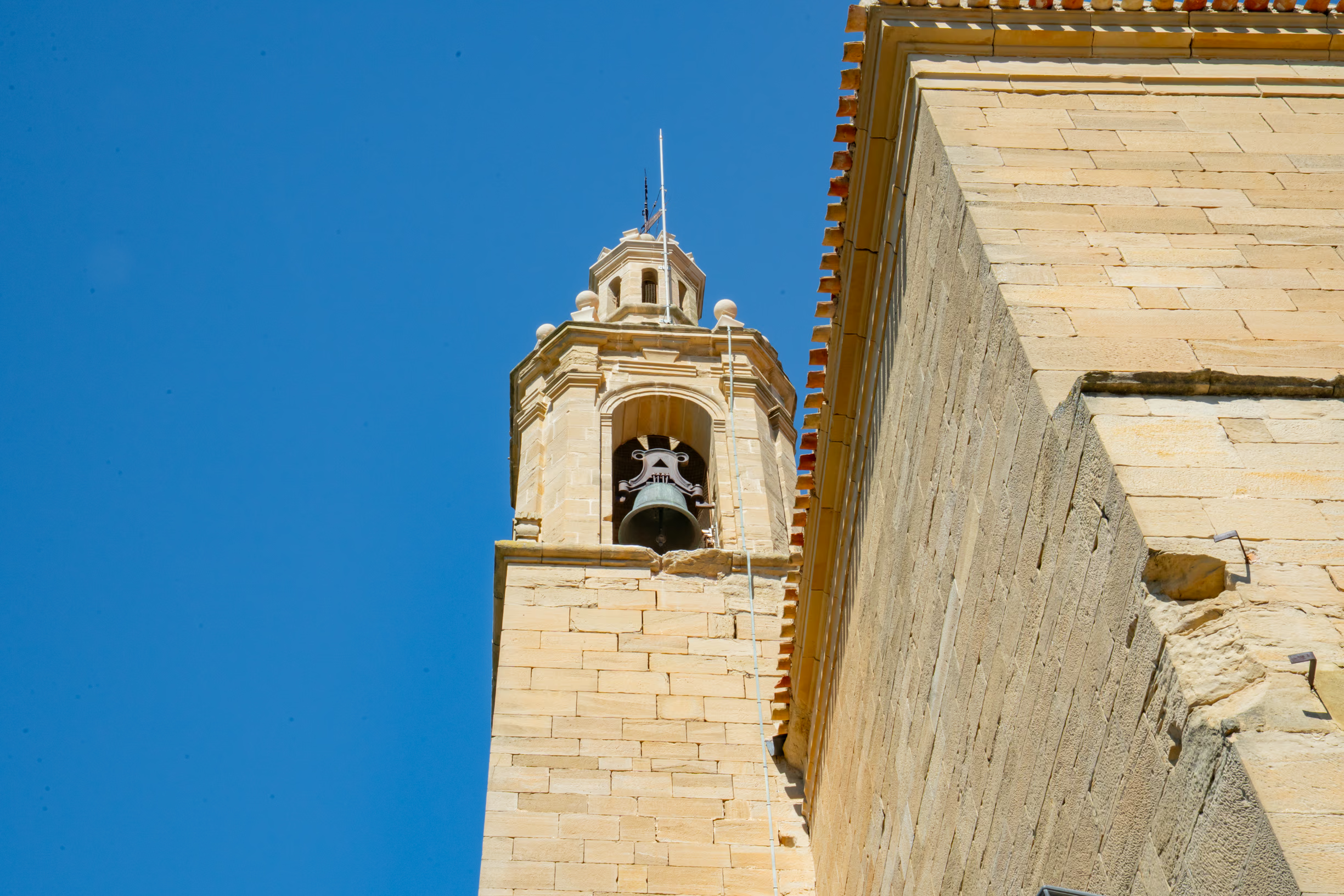
Una villa señorial en pleno Camino de Santiago.