
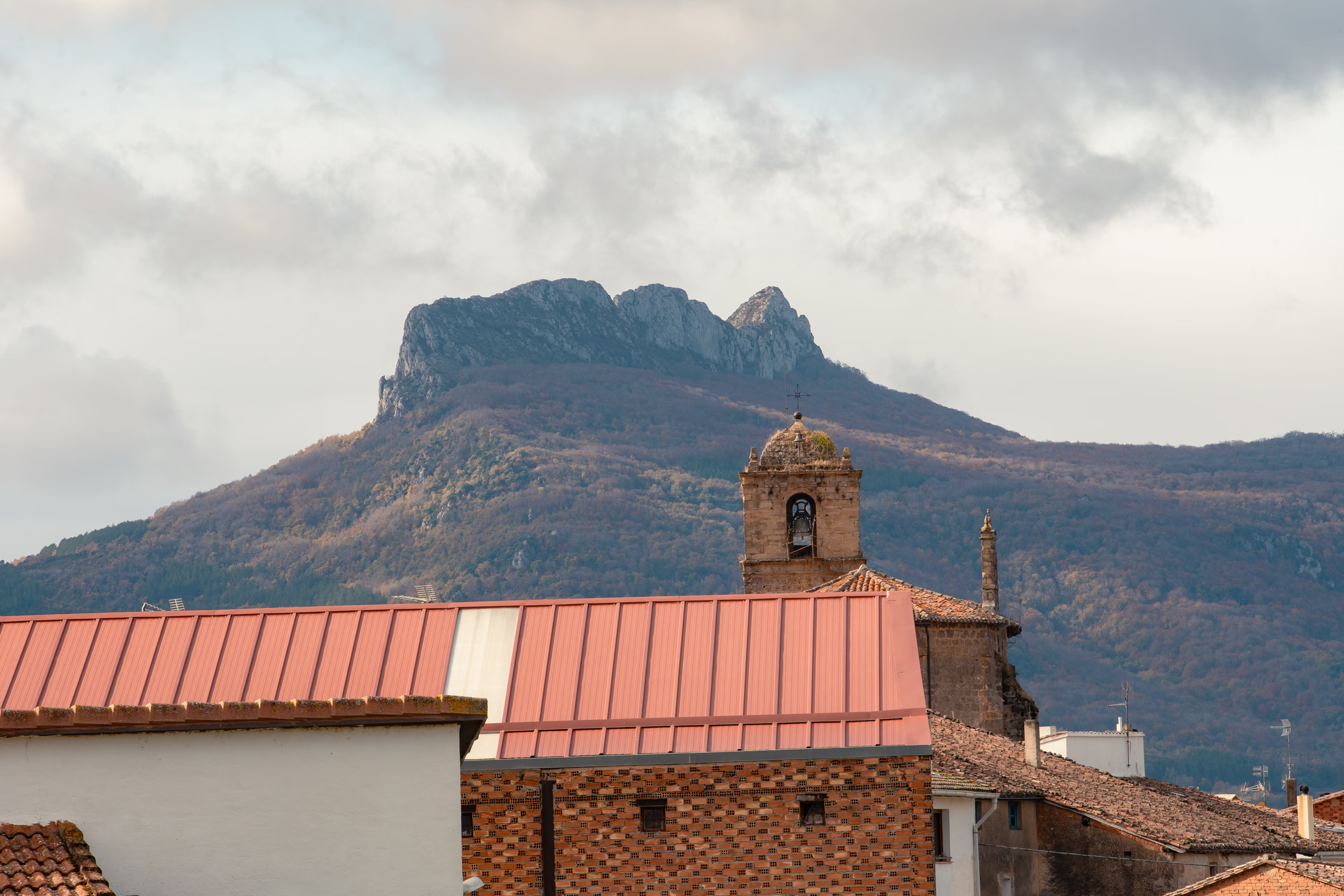
A village steeped in tradition and rural life
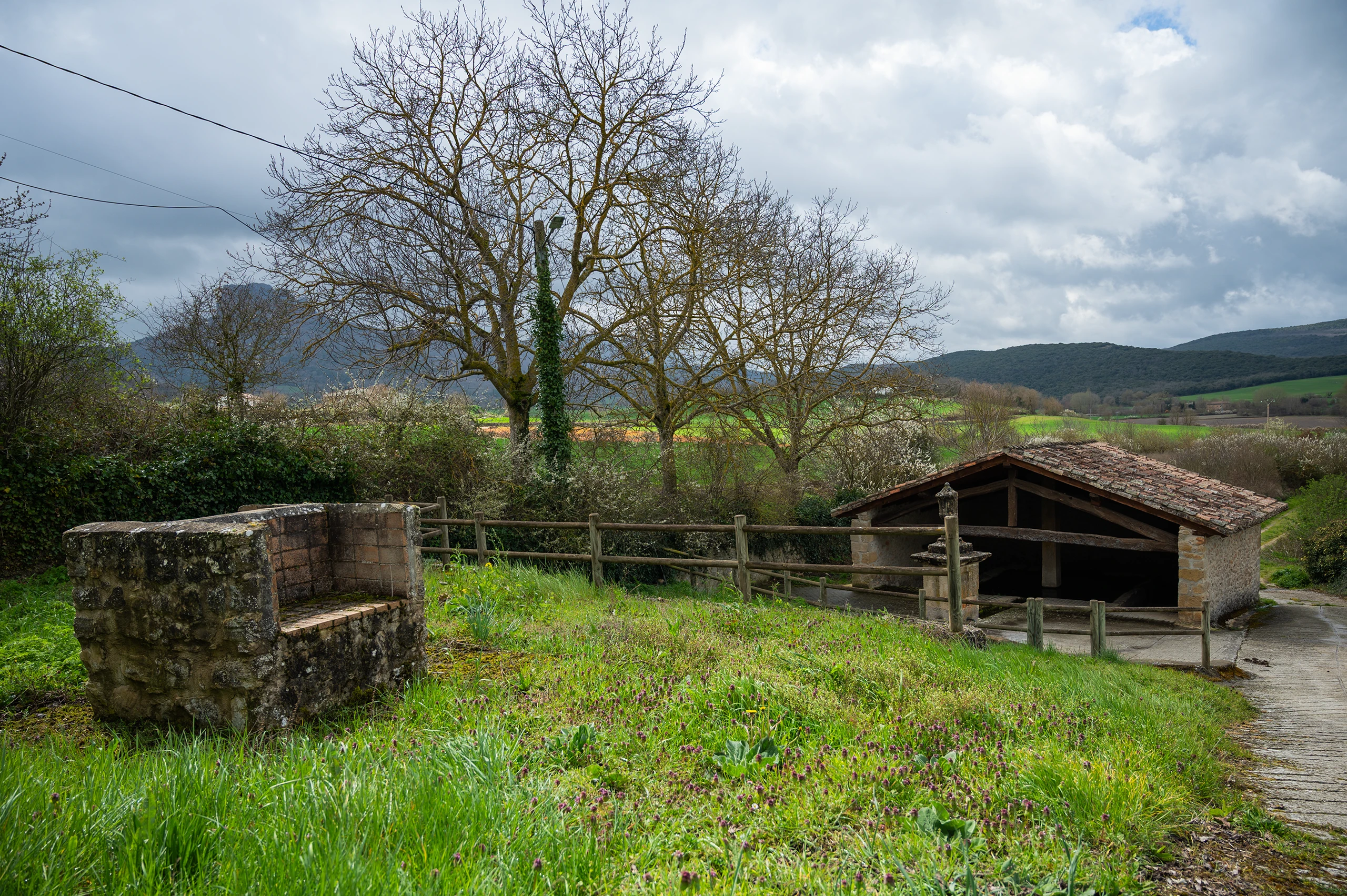
Washing places, fountains, patron saint festivals, and pilgrimages keep alive the sense of community in a village where you can still experience the authentic, unhurried rural life of Navarre.

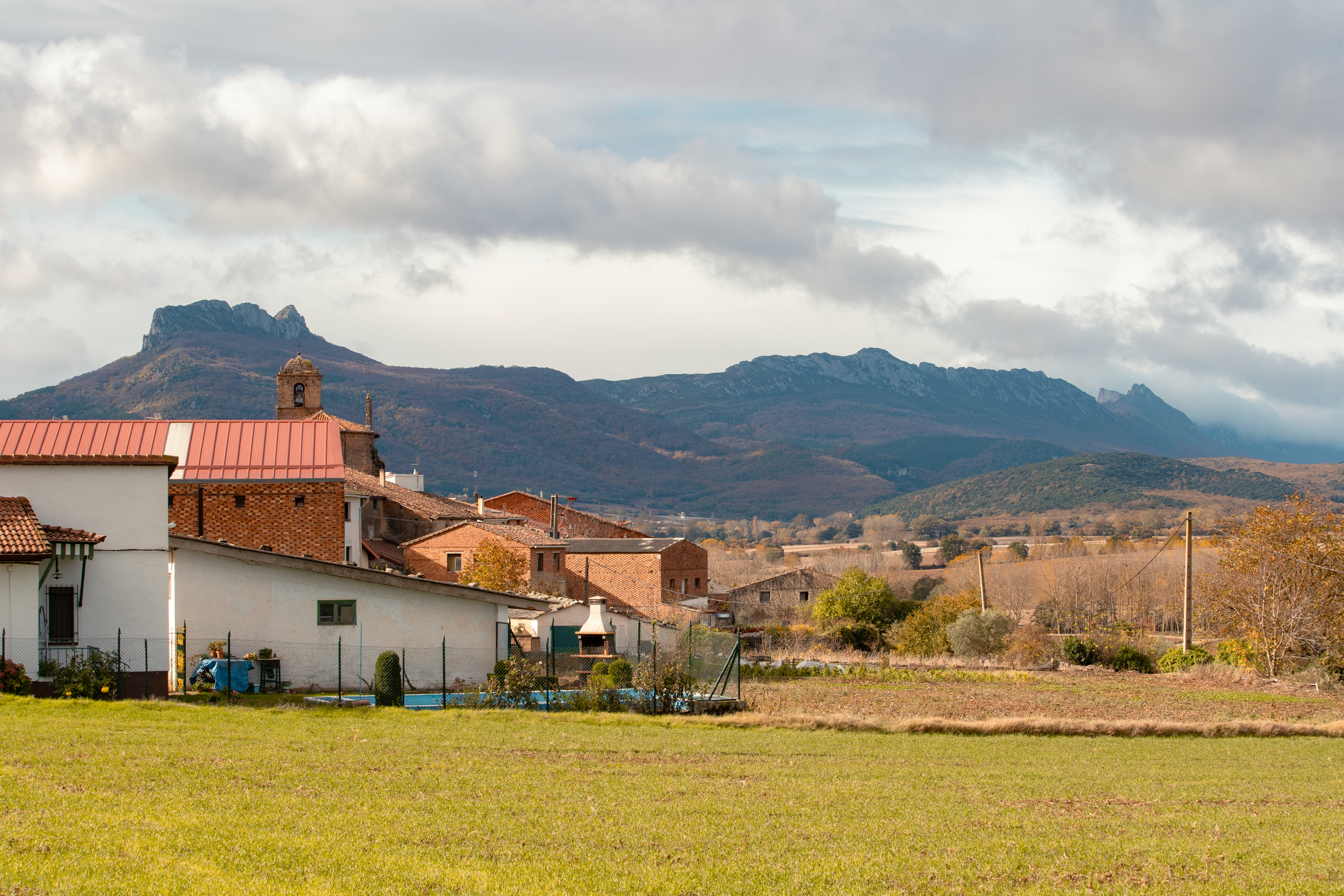
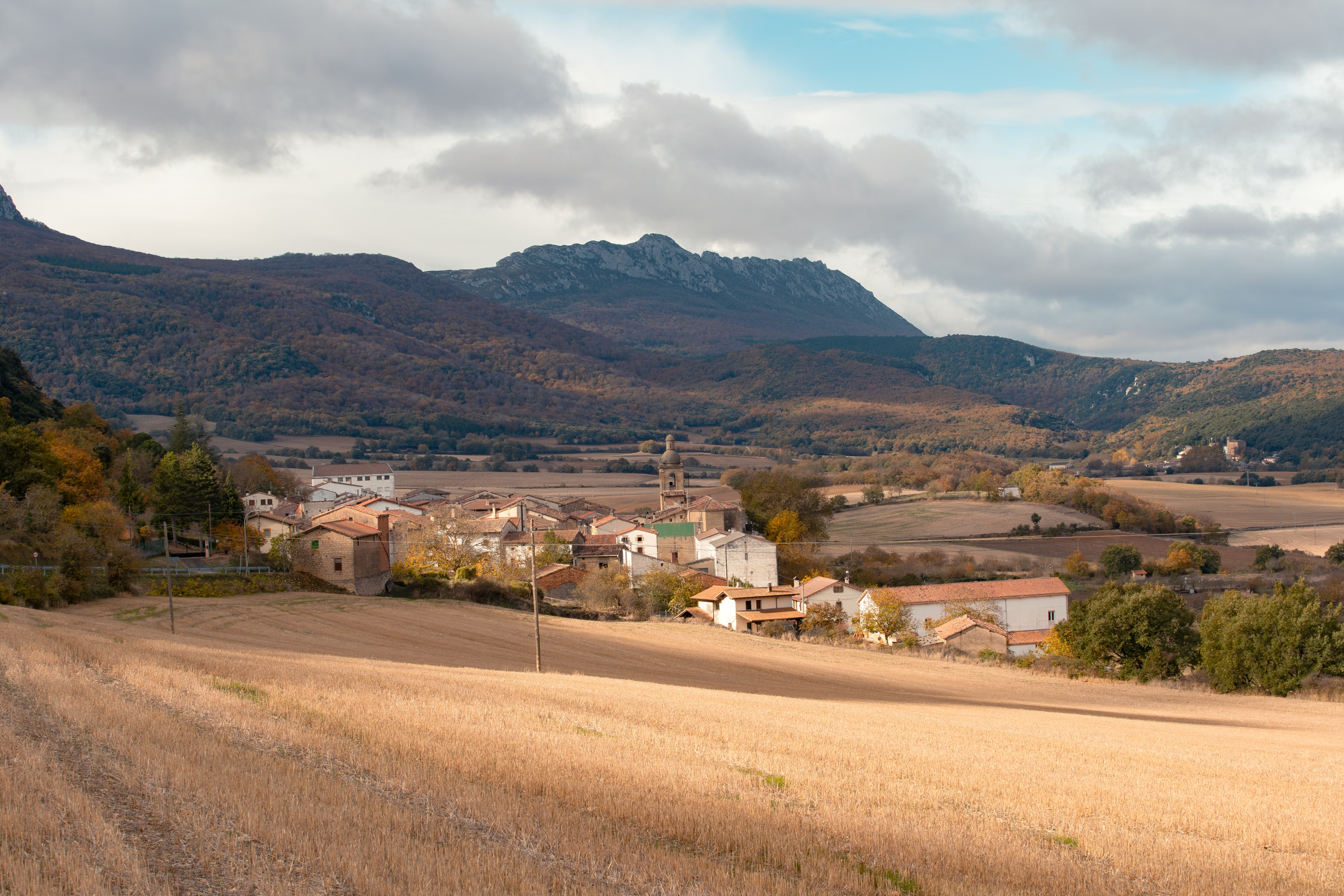
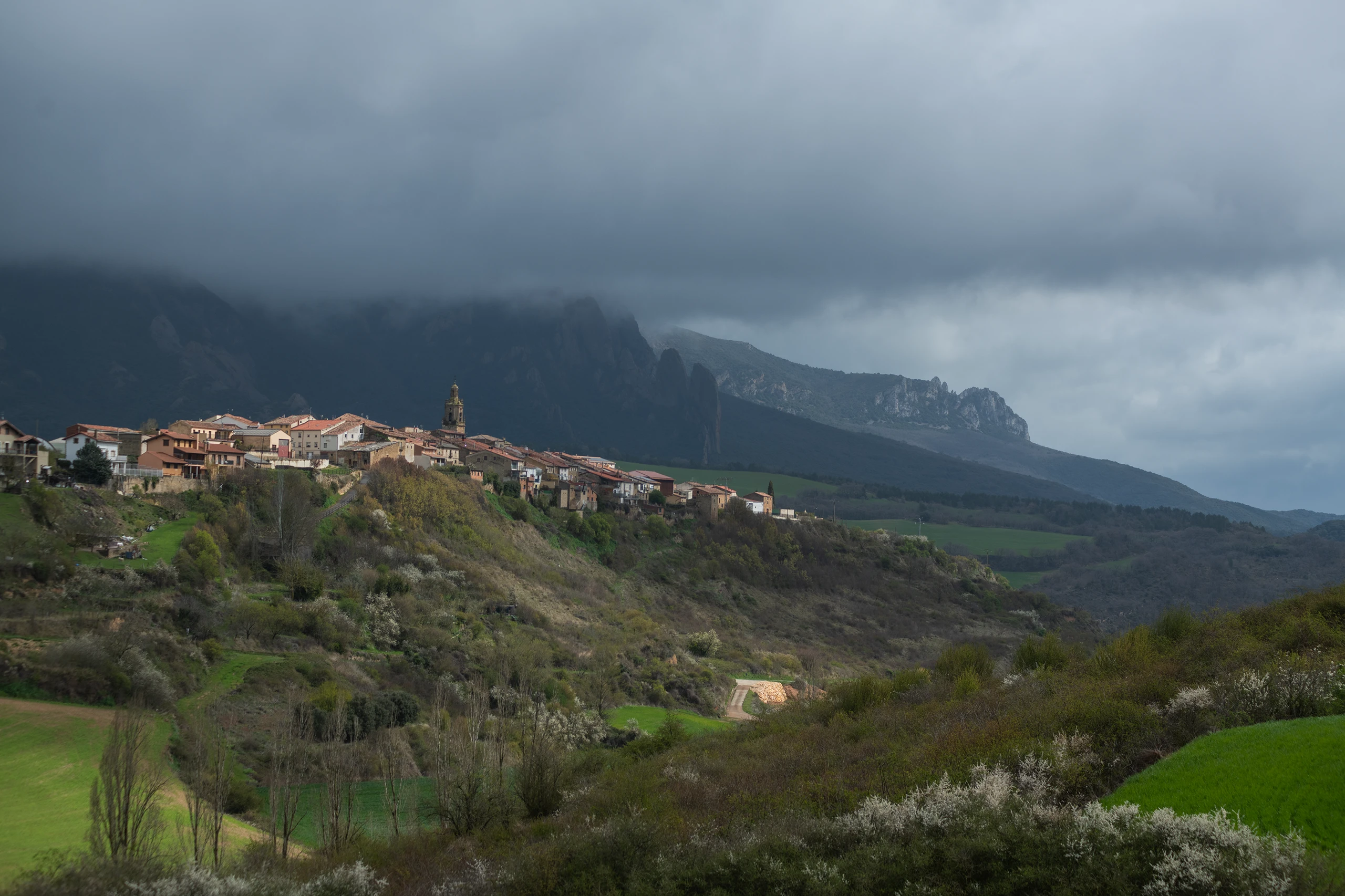
A town with an agricultural heritage, nestled among reservoirs, mountains, and Baroque landmarks.
Washing places, fountains, patron saint festivals, and pilgrimages keep alive the sense of community in a village where you can still experience the authentic, unhurried rural life of Navarre.
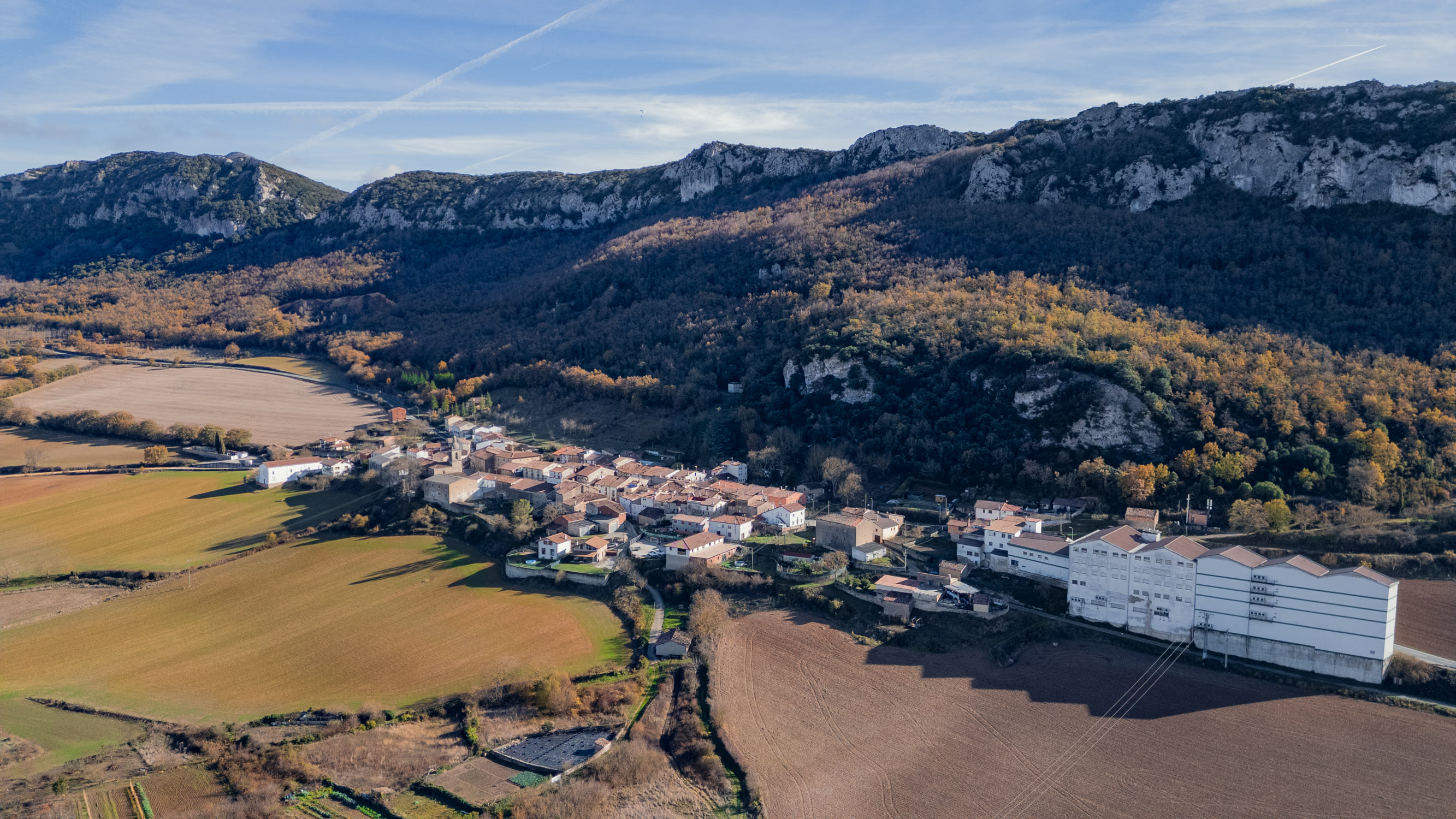
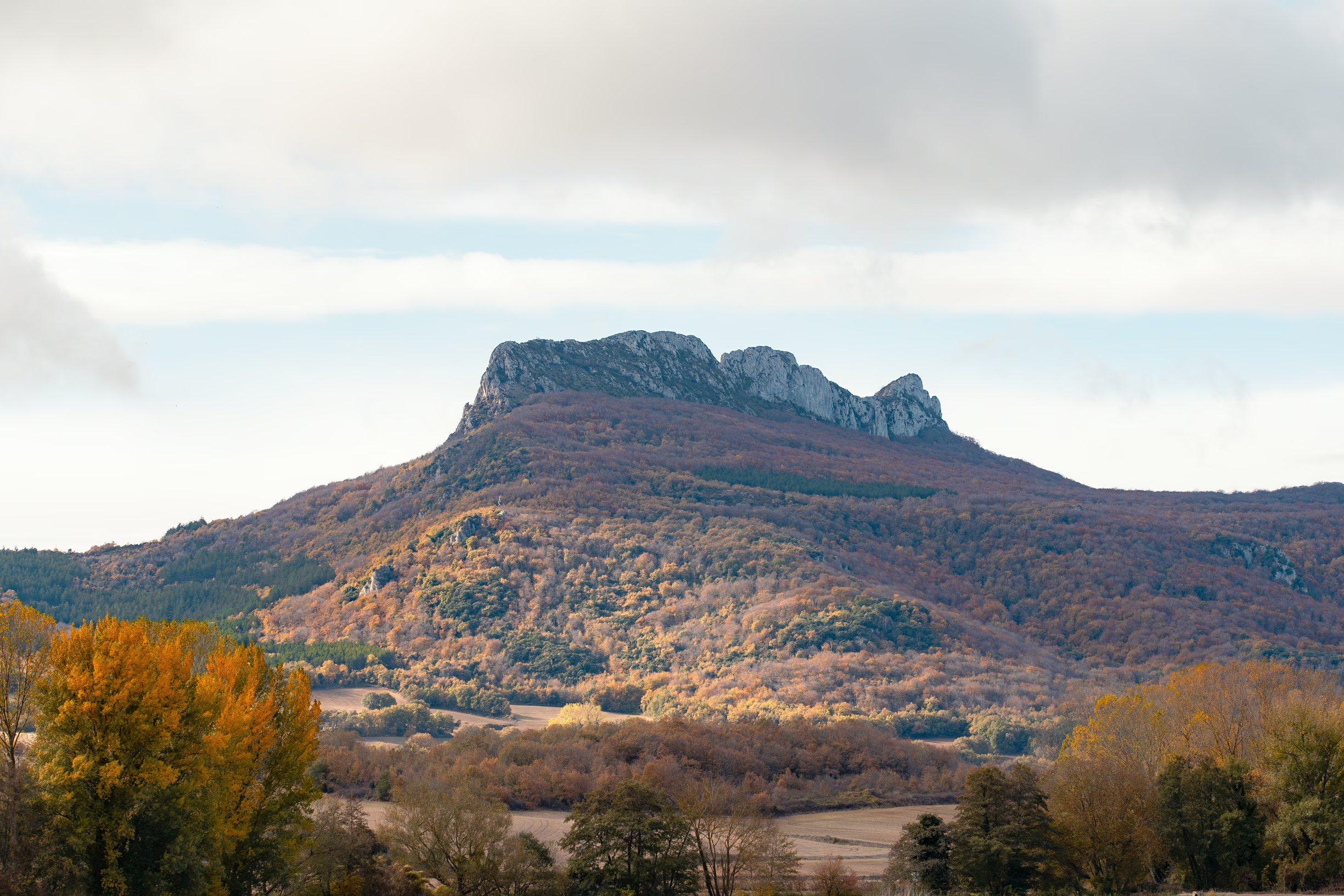
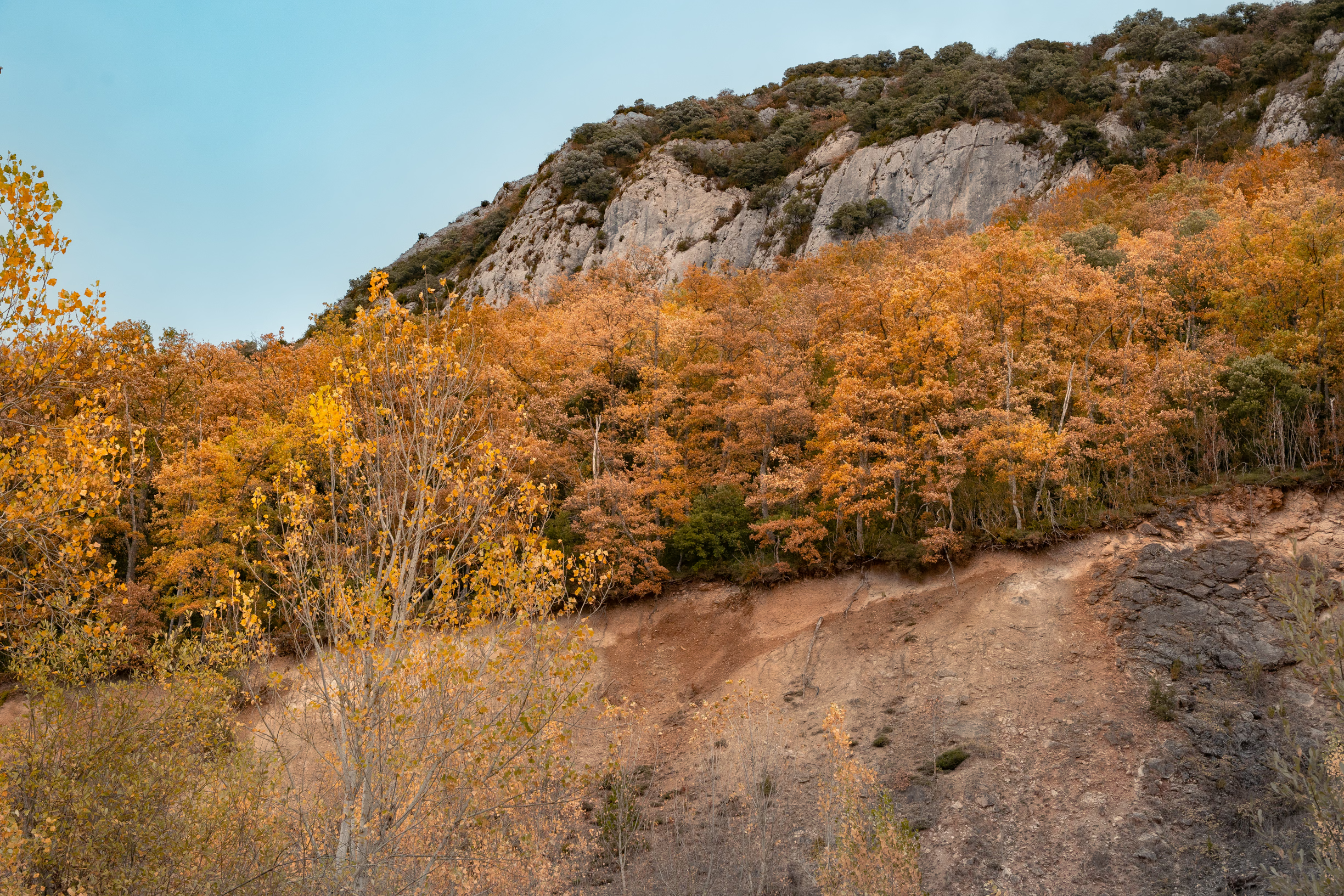
The El Sota Reservoir, the Peñalabeja Nature Reserve, and the landscape where Mediterranean woodland gives way to farmland make Cabredo an ideal place to discover the natural diversity of the Sierra de Codés.
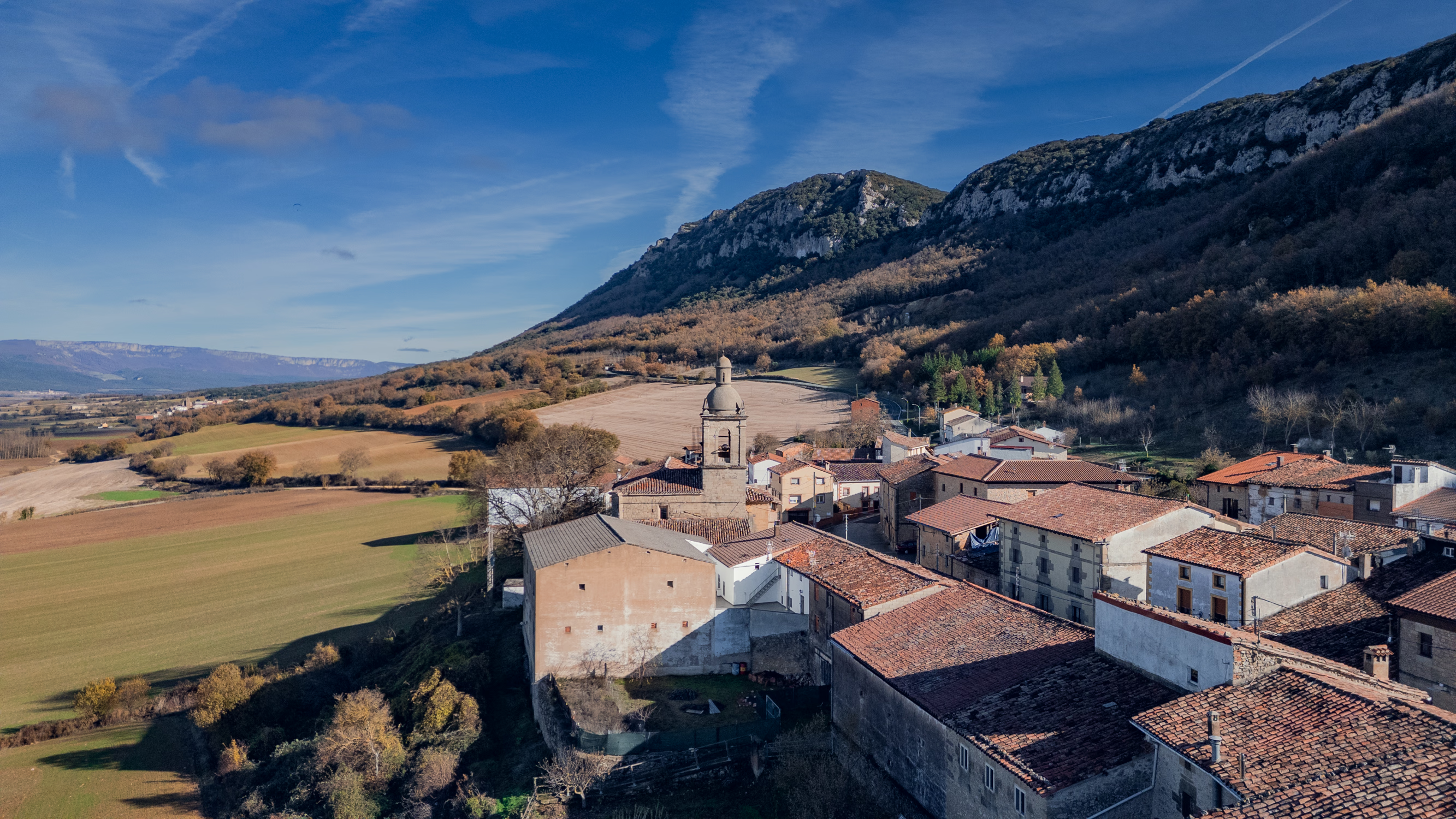
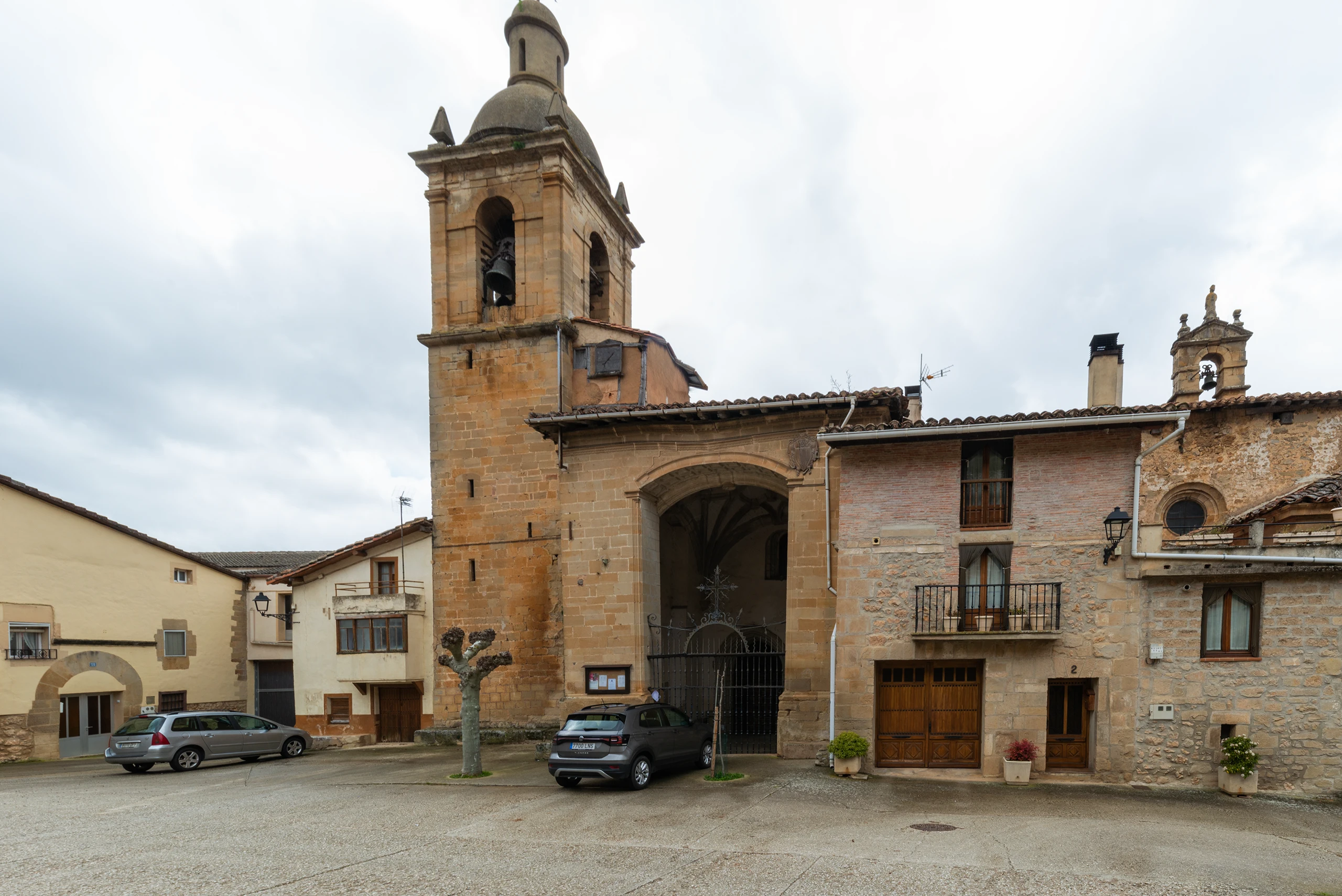
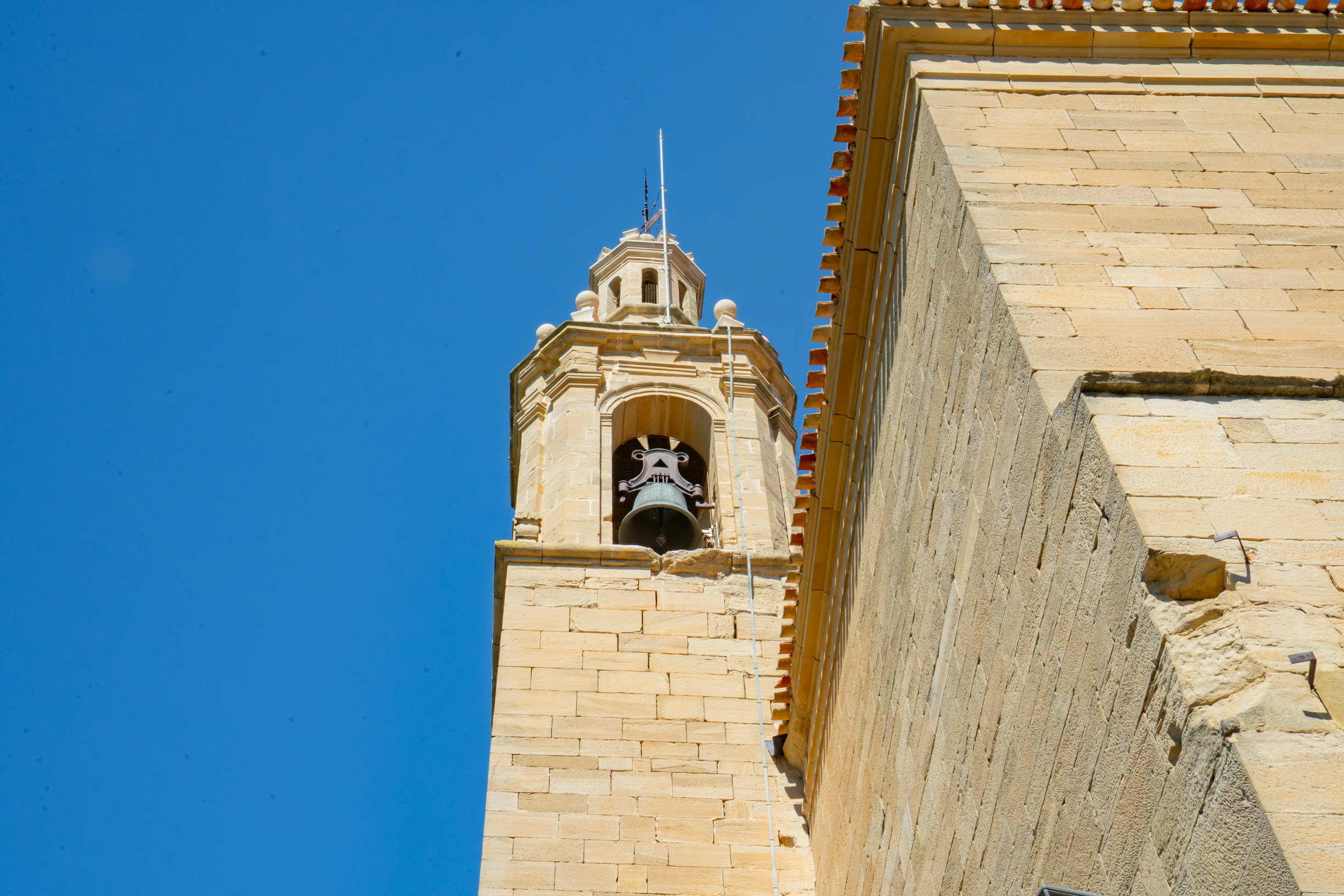
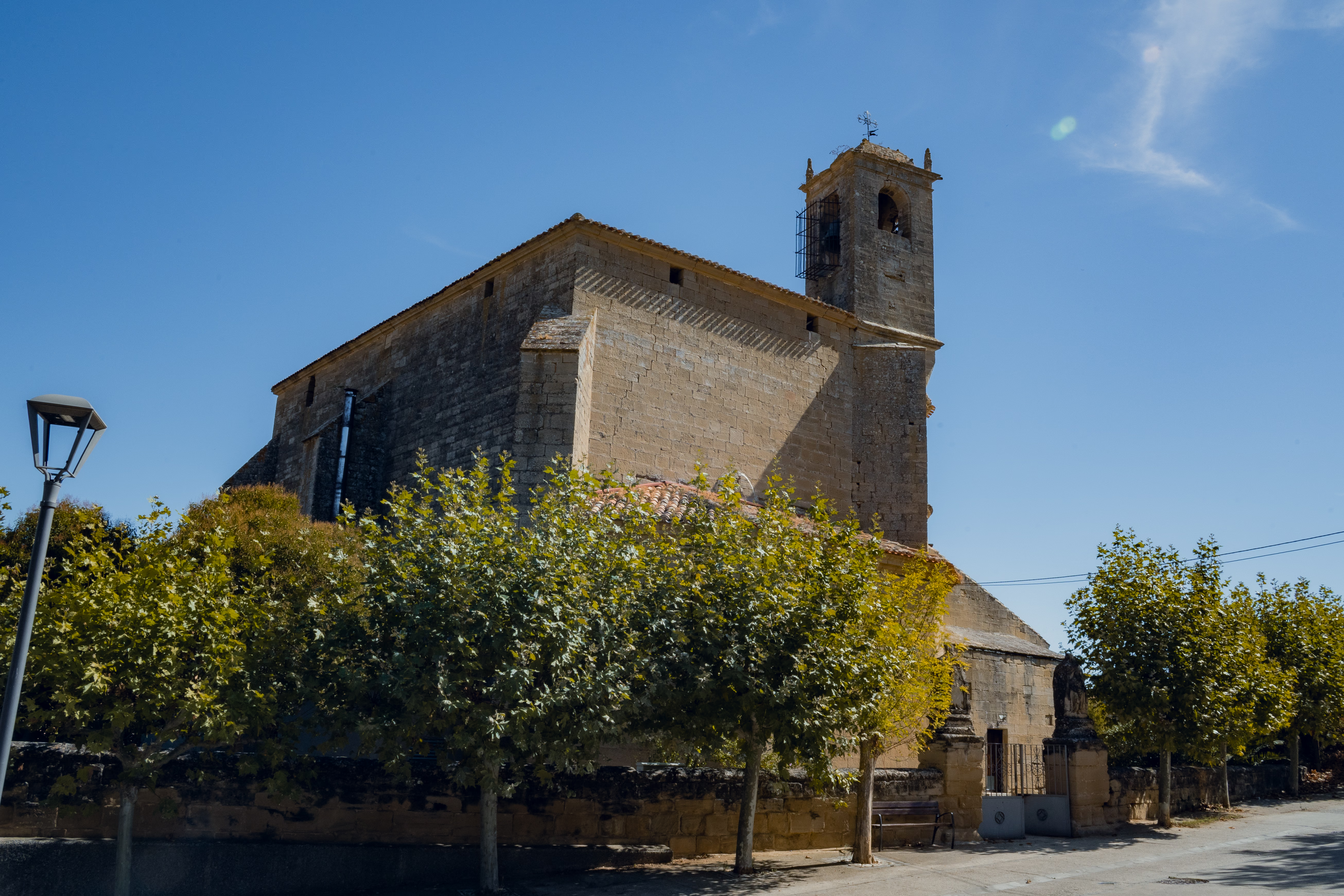
The Church of Santiago el Mayor houses one of the most valuable artistic treasures in the area, with a significant collection of sculptures from the 16th to the 18th centuries that makes Cabredo a must-see destination for heritage enthusiasts.
Cabredo can be enjoyed year-round. Spring and fall are ideal for exploring the natural surroundings and enjoying the contrast between forests, fields, and reservoirs. Summer coincides with the town’s patron saint festivals and traditional pilgrimages, while winter offers a more serene landscape and a peaceful experience of rural life.
Cabredo is a town with a rich historical heritage located in the Sierra de Codés, where artistic heritage, protected landscapes, and local traditions blend together naturally. The town is laid out longitudinally along Calle Mayor and Calle San Simeón, a layout that preserves 16th- and 17th-century houses bearing coats of arms and leads to the town’s main landmark: the Church of Santiago el Mayor.
Cabredo’s history is closely linked to stone sculpture. The town was home to an important sculpture workshop active from the late 16th to the early 17th century, led by Pedro González de San Pedro, a disciple of Juan de Anchieta, which reached its peak around the year 1600. This artistic legacy made Cabredo a regional landmark during the transition from the Renaissance to the Baroque period. The old sculpture workshop is still preserved—a 16th-century building with a semicircular arch and a stone coat of arms bearing the Antoñana crest on its façade—along with churches, houses bearing coats of arms, and ashlar-built civic buildings that reflect that era of prosperity. The local heritage is rounded out by the fountain and the washhouse—essential elements of traditional daily life, linked to the water supply and spaces for community interaction.
Within its municipal boundaries lies the Peñalabeja Nature Reserve, one of the finest examples of mature Pyrenean oak forest in Navarre, and the Sota Reservoir, a site of great interest for hiking and birdwatching. From the town center itself, walking and biking trails allow visitors to explore this landscape, which transitions between farmland, forests, and gently rolling hills.
Cabredo’s cultural and festive life revolves around its religious devotions, legends, and traditional celebrations. The patron saint festivities in honor of St. James the Greater and the pilgrimages to the local chapels, such as San Simeón Labrador or Nuestra Señora de la Natividad (El Carrascal), keep a deeply rooted community tradition alive.
6 resultados
Cabredo
Circular · 23,6 km · 3h 45 min
Cabredo
Lineal · 45,8 km · 11h aprox.
Cabredo
Flora y fauna
Cabredo
Patrimonio y monumentos
Cabredo
Patrimonio y monumentos
Cabredo
Espacios naturales
Mostrando 1-6 de 6 resultados
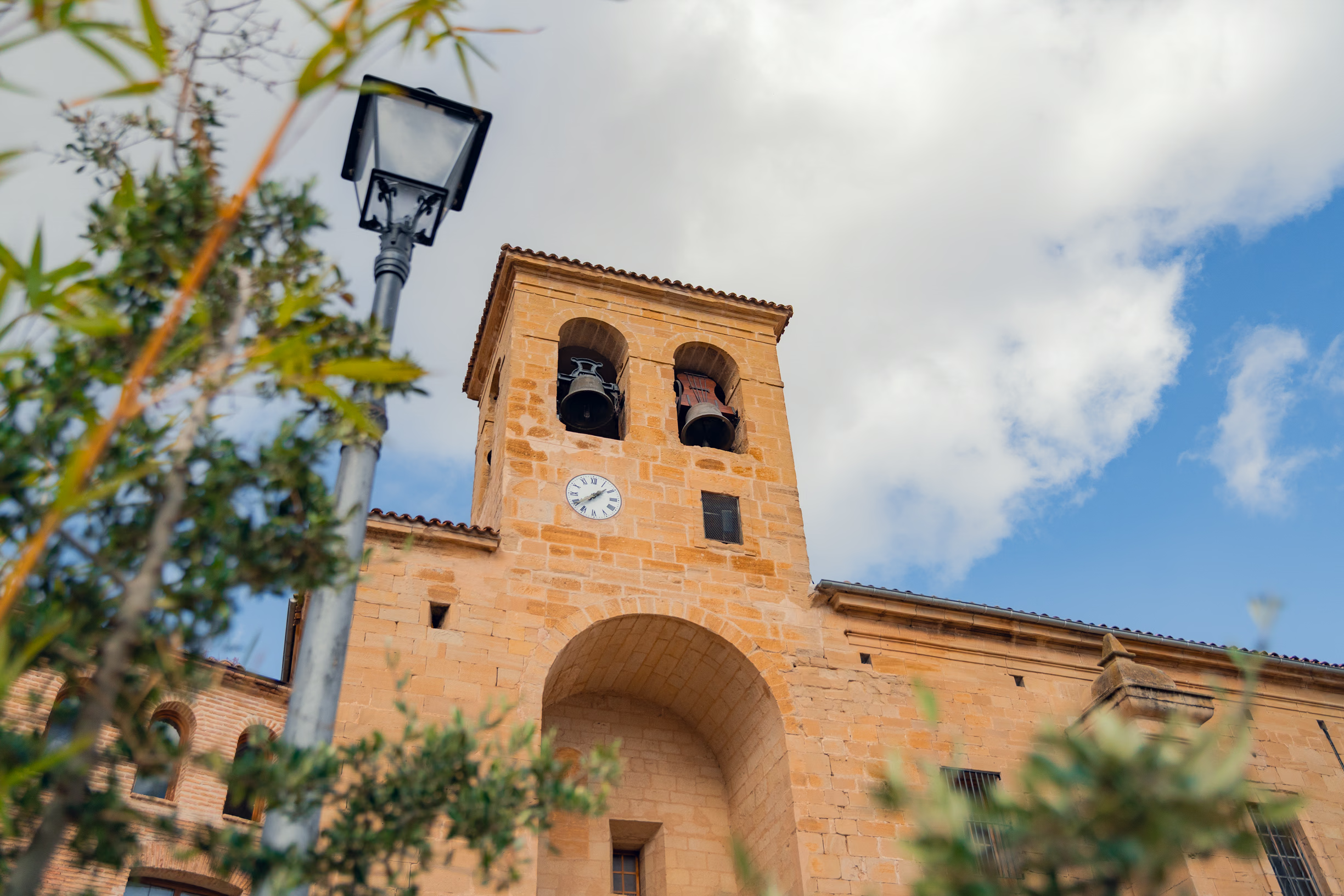
La villa de las brujas y las leyendas al pie de la sierra de Codés.
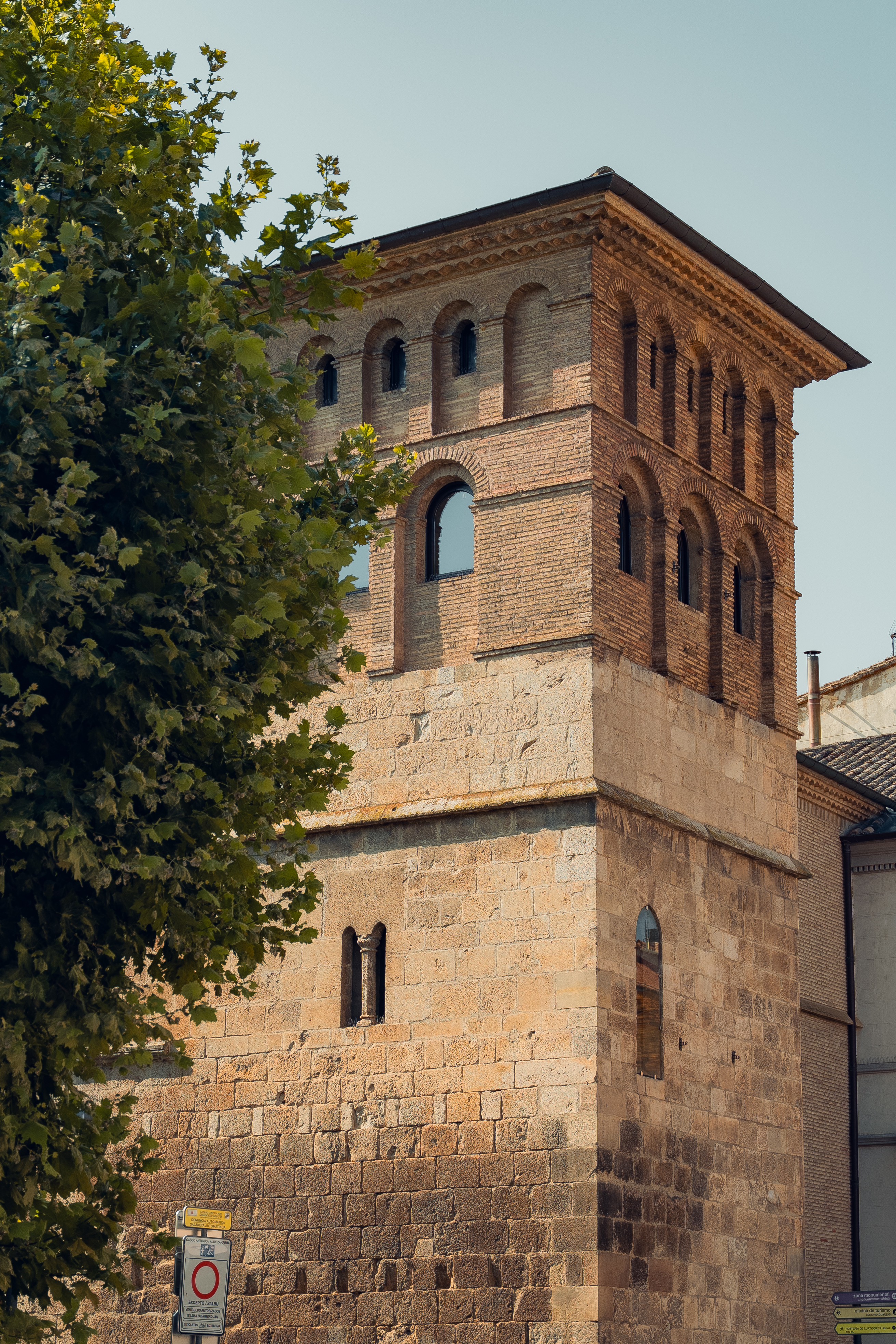
Un pueblo de patrimonio monumental entre barrancos y paisaje agrícola.
Una villa señorial en pleno Camino de Santiago.
Una villa con legado nobiliario a los pies de la Sierra de Codés.