A Privileged Natural Balcony
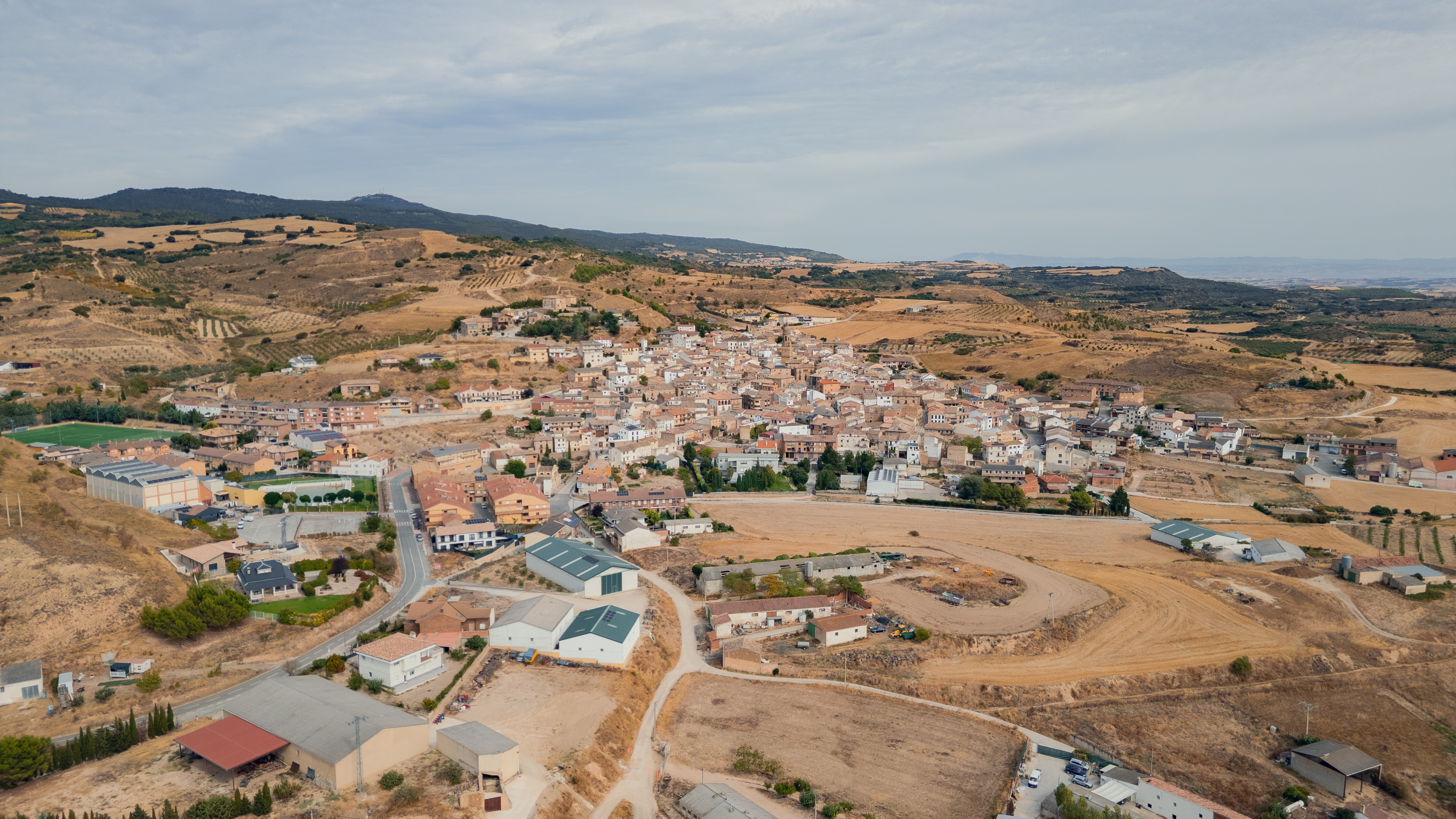
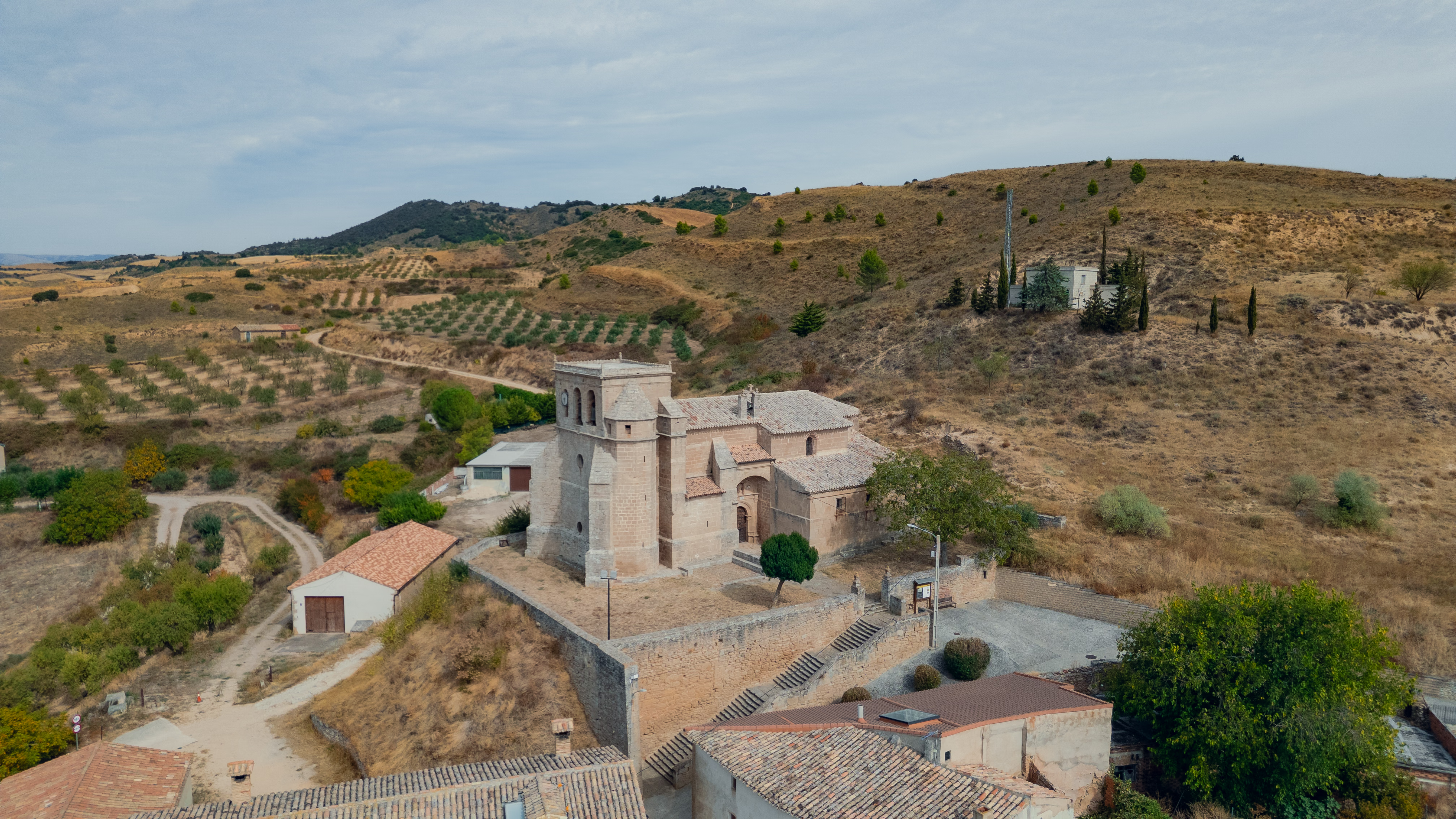
Perched on a hill in the Santesteban Valley, Barbarín enjoys an open setting with views of two of Tierra Estella’s most iconic landmarks: Montejurra and Monjardín.

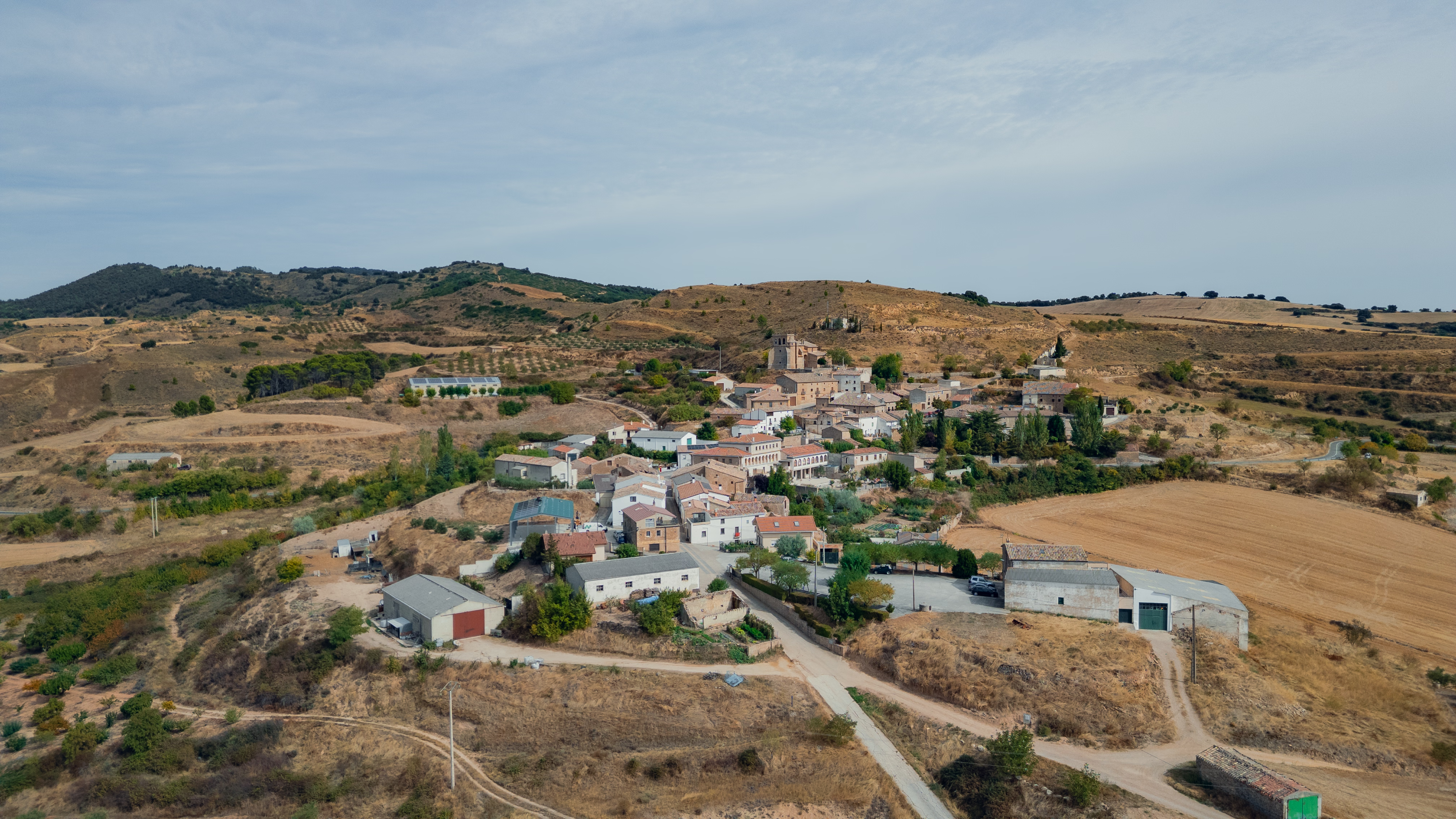
A charming village nestled between Montejurra and Monjardín, where poetry is an integral part of its history.
Perched on a hill in the Santesteban Valley, Barbarín enjoys an open setting with views of two of Tierra Estella’s most iconic landmarks: Montejurra and Monjardín.
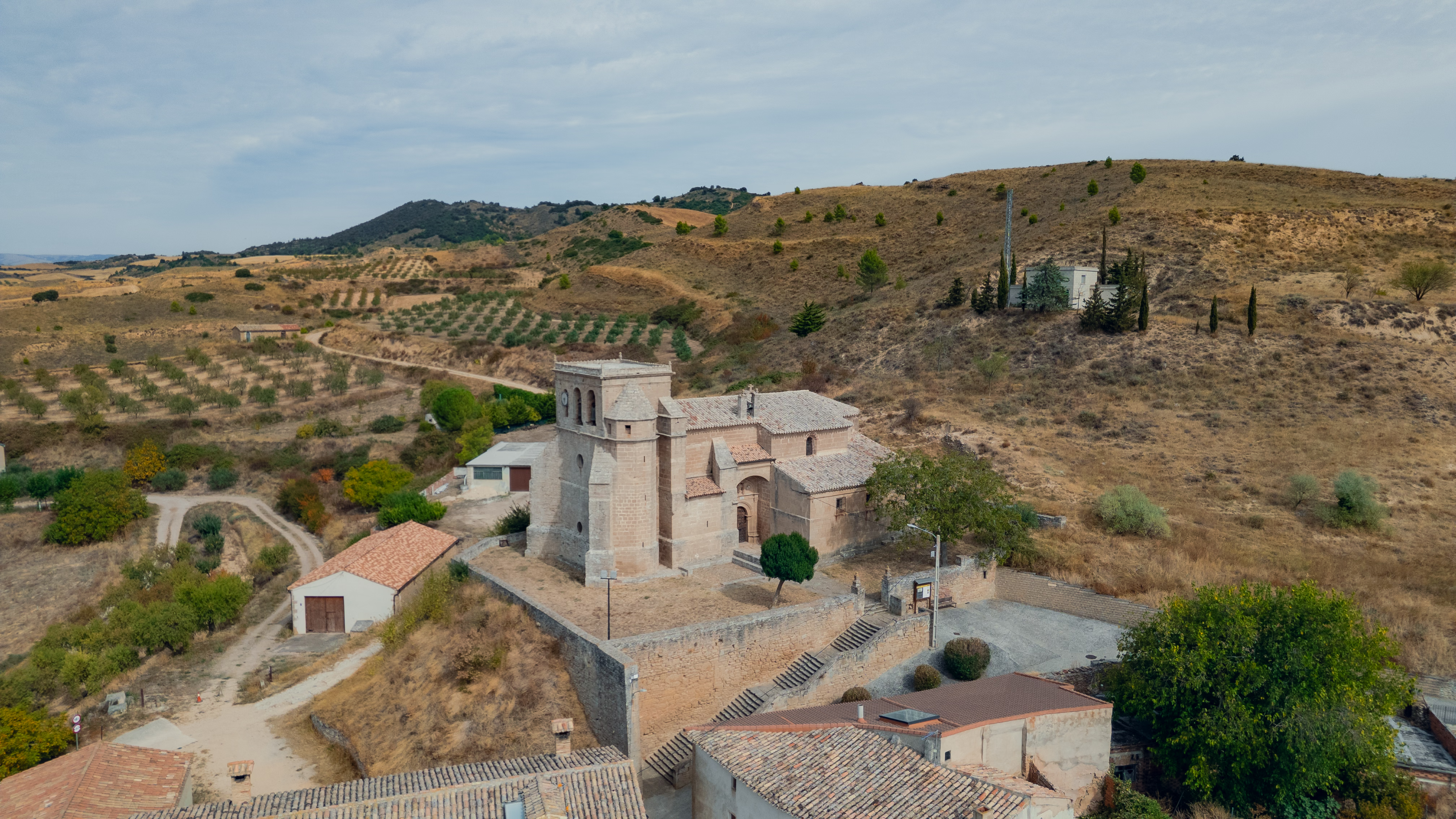
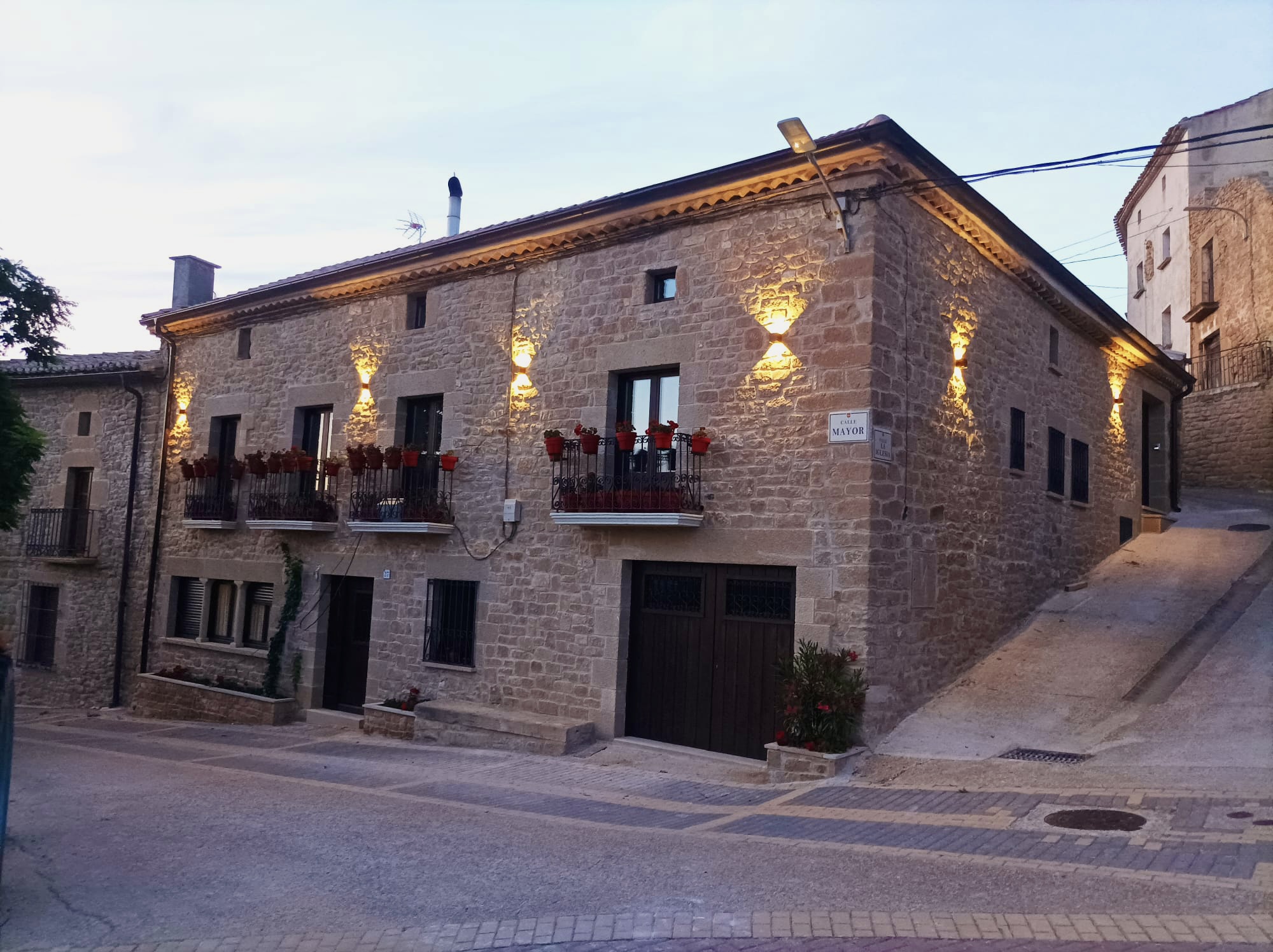
Houses bearing coats of arms, the Church of St. John the Evangelist, and archaeological remains from the Iron Age and Roman period reveal a town shaped by centuries of history and deep roots in the region.
The Plaza de los Poetas and the Mario Zunzarren Contest make Barbarín a unique place where literature, memory, and culture are woven into everyday life.
Barbarin can be visited year-round. Spring and fall are ideal for exploring the Montejurra and Monjardín areas, with mild temperatures. Summer is a great time to enjoy local life and cultural activities, while winter offers a more leisurely way to experience the landscape and the town.
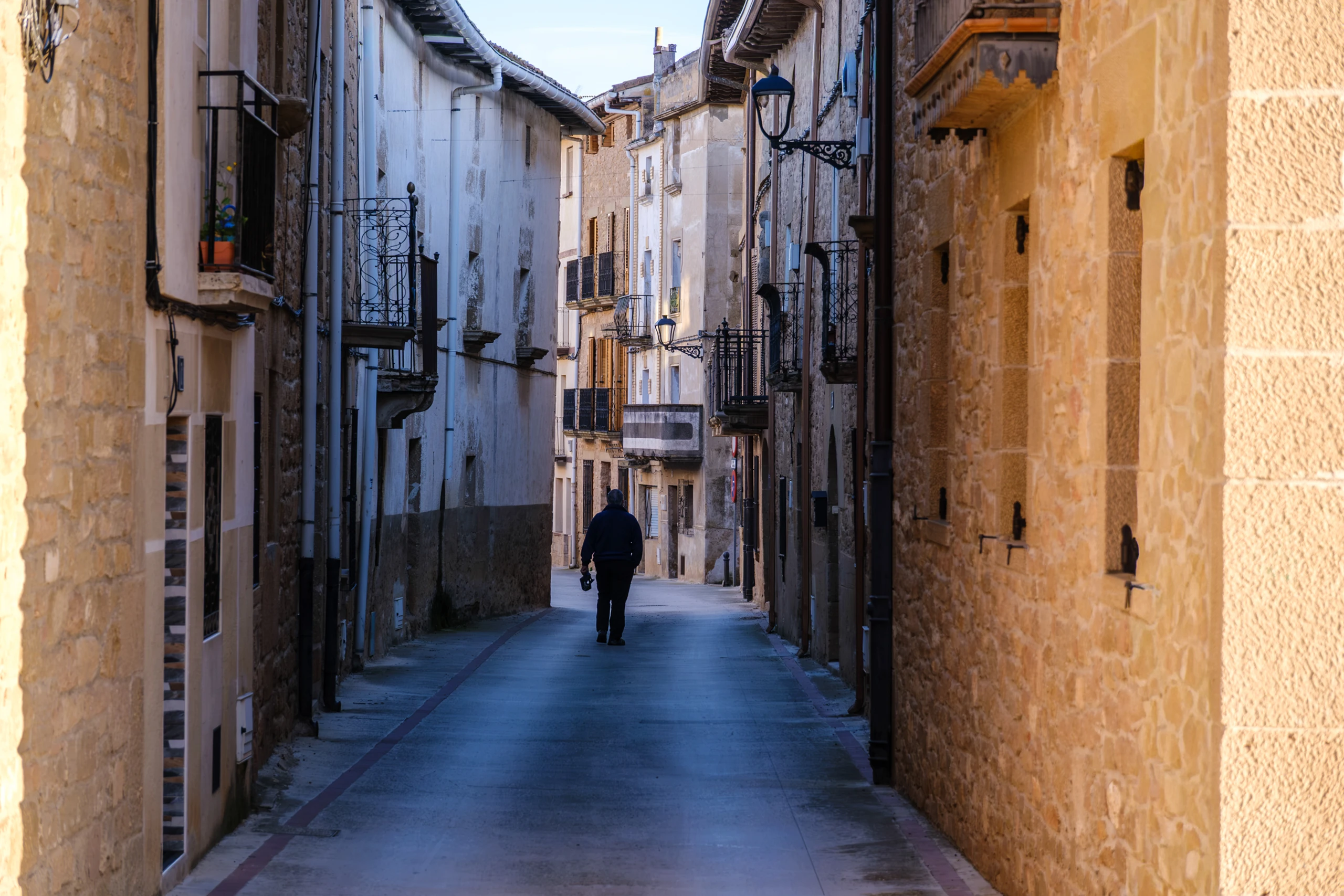
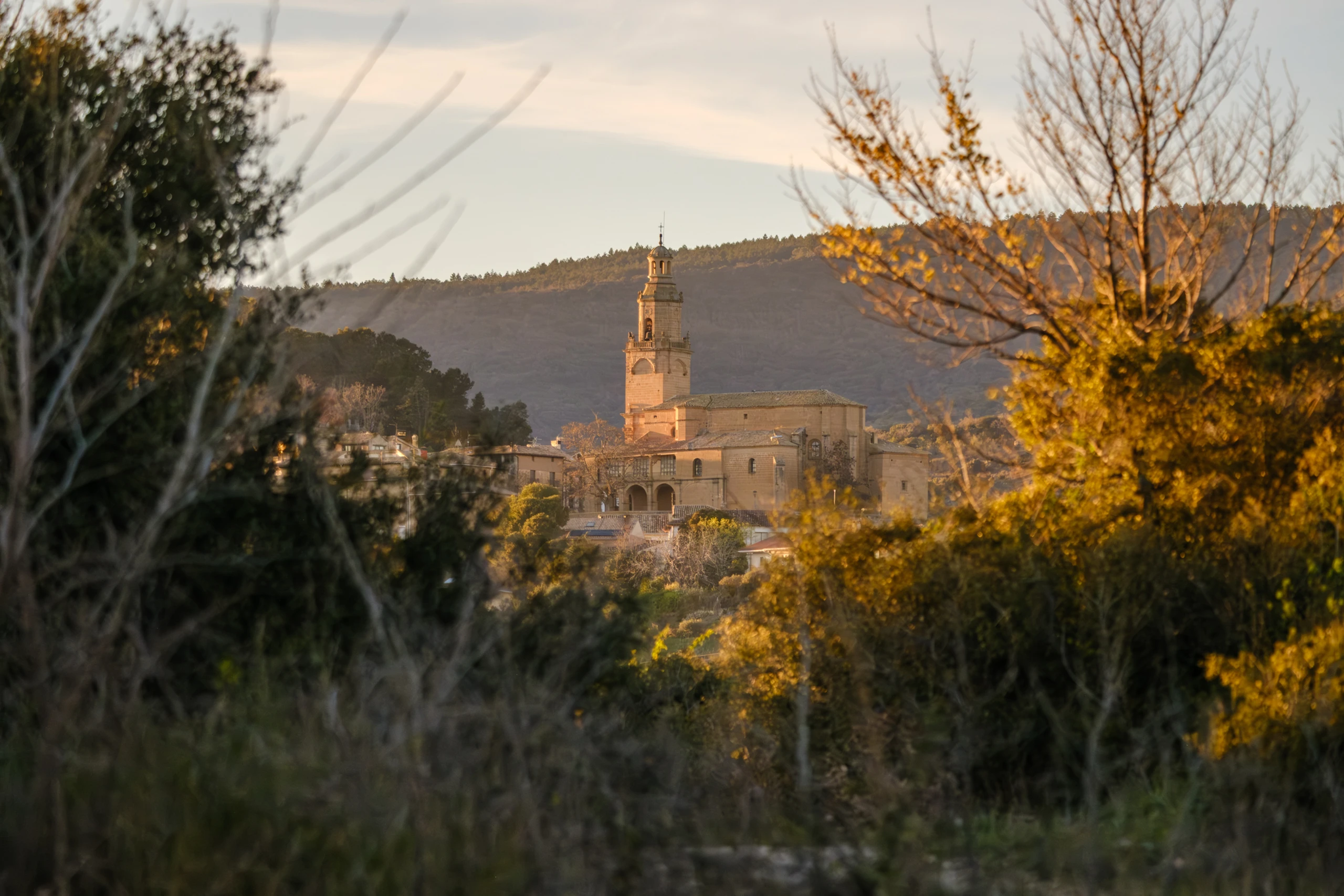
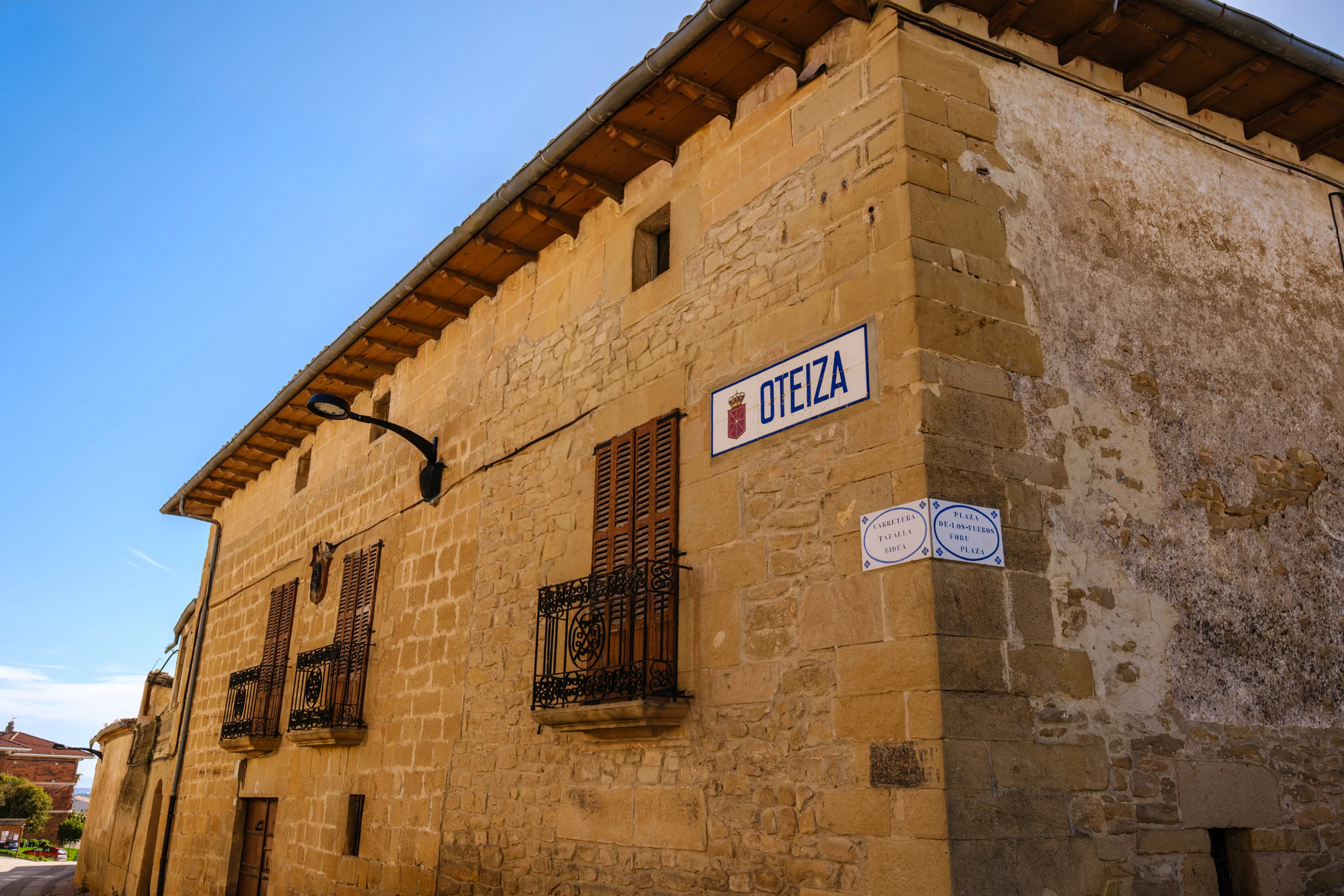
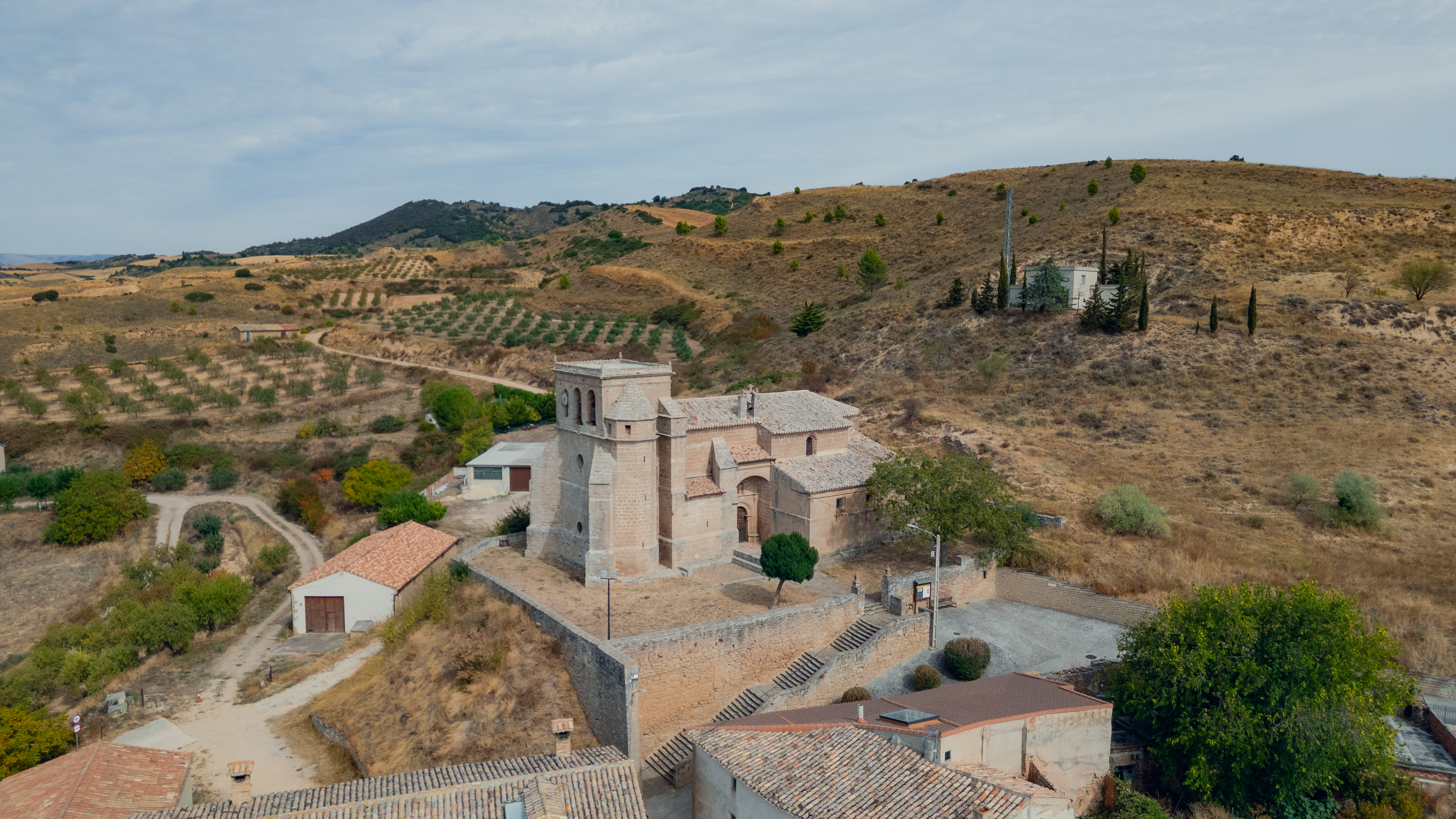
Barbarin’s urban layout invites visitors to stroll effortlessly, discovering 16th-, 17th-, and 18th-century houses bearing coats of arms scattered throughout its quiet streets. In the center stands the Church of St. John the Evangelist, of medieval origin and remodeled between the 16th and 17th centuries. Its Renaissance façade, the Baroque altarpiece dedicated to the patron saint, and a medieval baptismal font speak to the historical continuity of the site and the importance it held in the valley.
One of Barbarín’s most unique spaces is its main square, known as the Plaza de los Poetas. It is not only a neighborhood gathering place but also a vibrant cultural space where the written word is part of the landscape. Its stone walls are inscribed with verses by authors from Navarre and participants in the Mario Zunzarren poetry contest, an annual event that reinforces the town’s strong connection to literary creation and cultural life.
The natural surroundings complete the experience. From Barbarín, it’s easy to access trails and routes through Montejurra and toward the slopes of Monjardín, in a region that combines farmland, gentle hills, and sweeping views. This rich landscape is complemented by a remarkable archaeological heritage, featuring remains from the Iron Age and various Roman finds—such as votive altars dedicated to local deities—which confirm the ancient occupation of this territory.