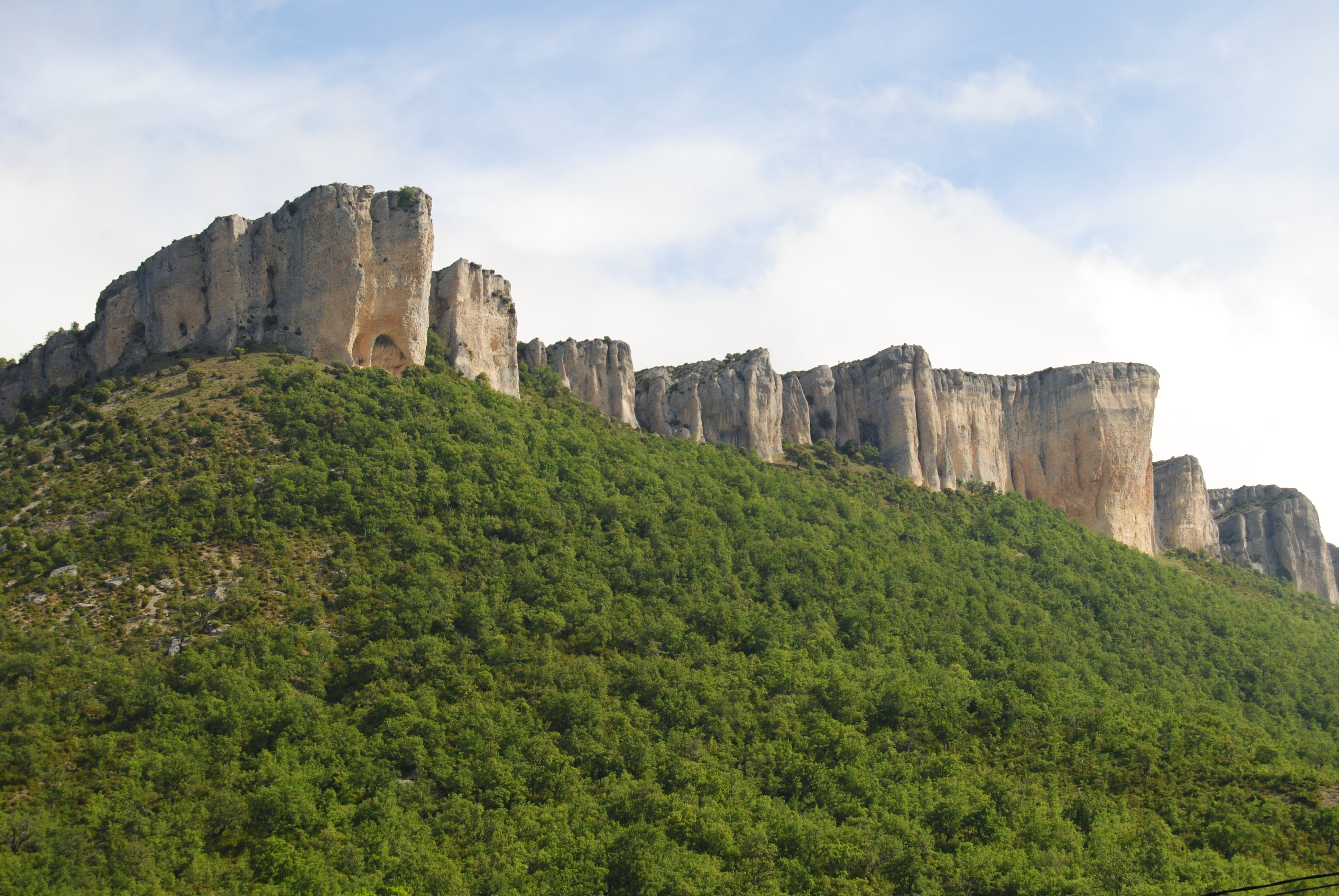
A village nestled in the natural corridor between Urbasa and Lóquiz
Artaza is part of the expansive landscape that connects the Urbasa and Lóquiz mountain ranges, an ideal setting for walks, hiking, and observing the flora and fauna.

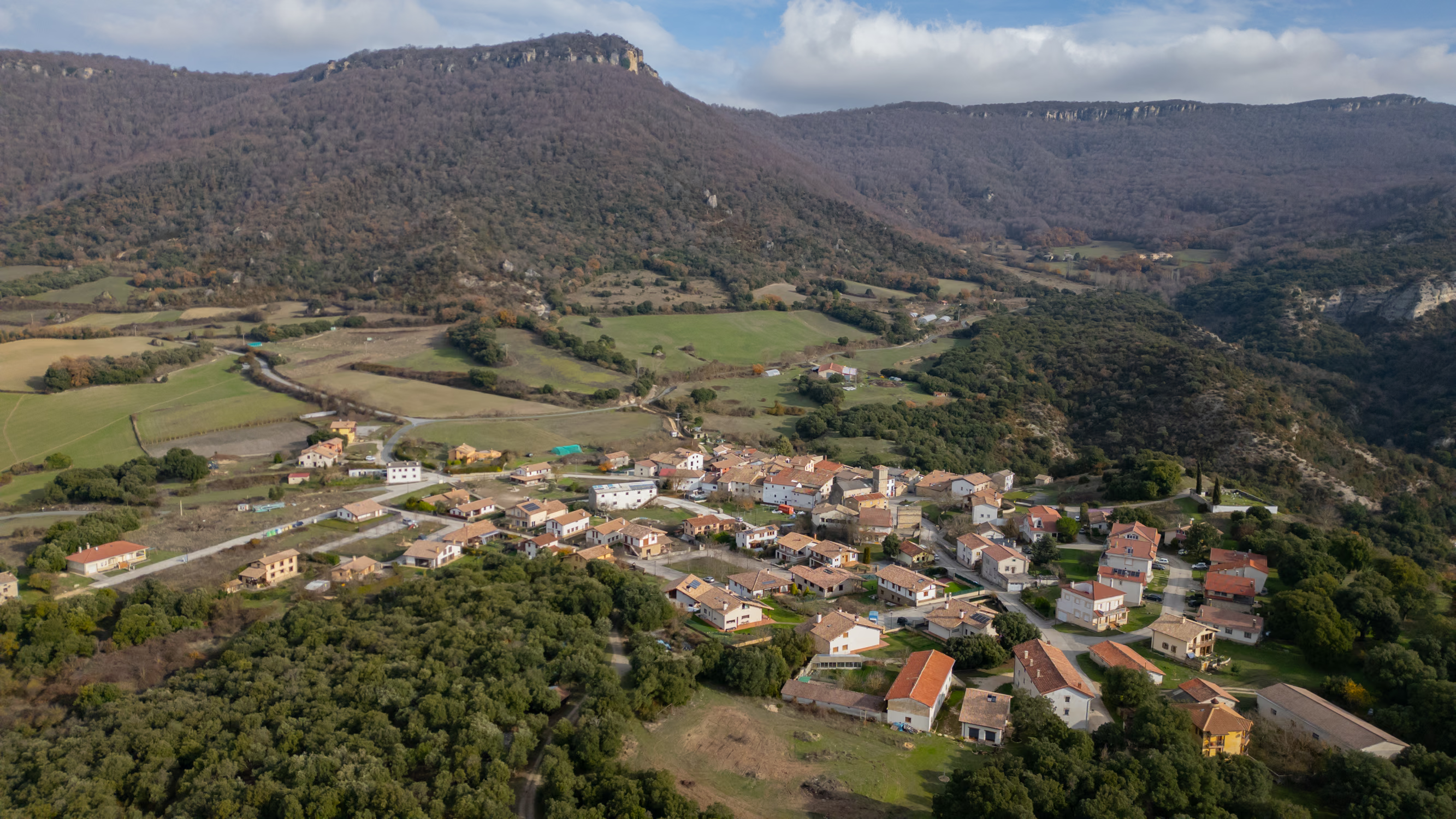
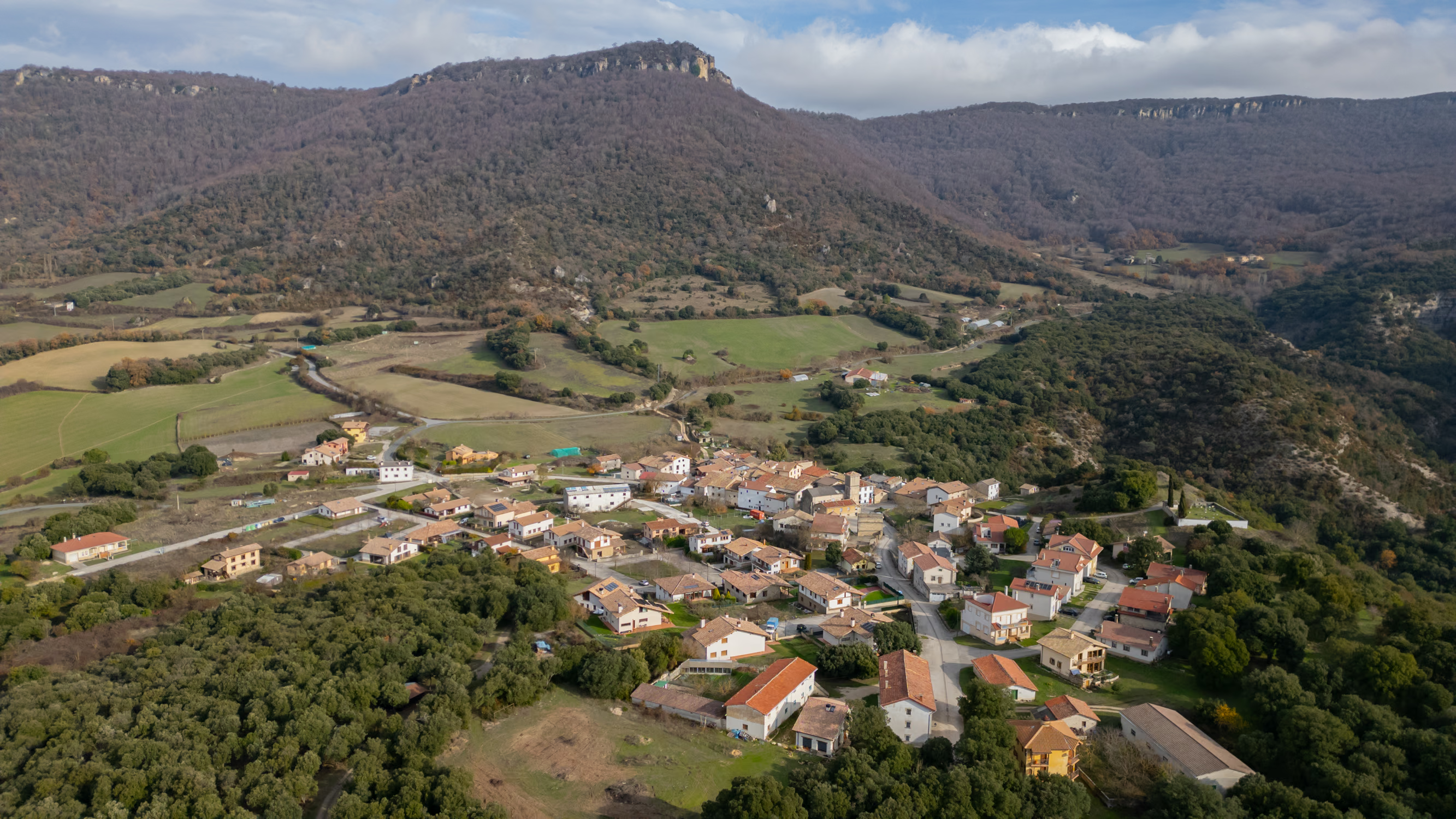
A quiet village nestled among forests, mountains, and rural traditions.
Artaza is part of the expansive landscape that connects the Urbasa and Lóquiz mountain ranges, an ideal setting for walks, hiking, and observing the flora and fauna.
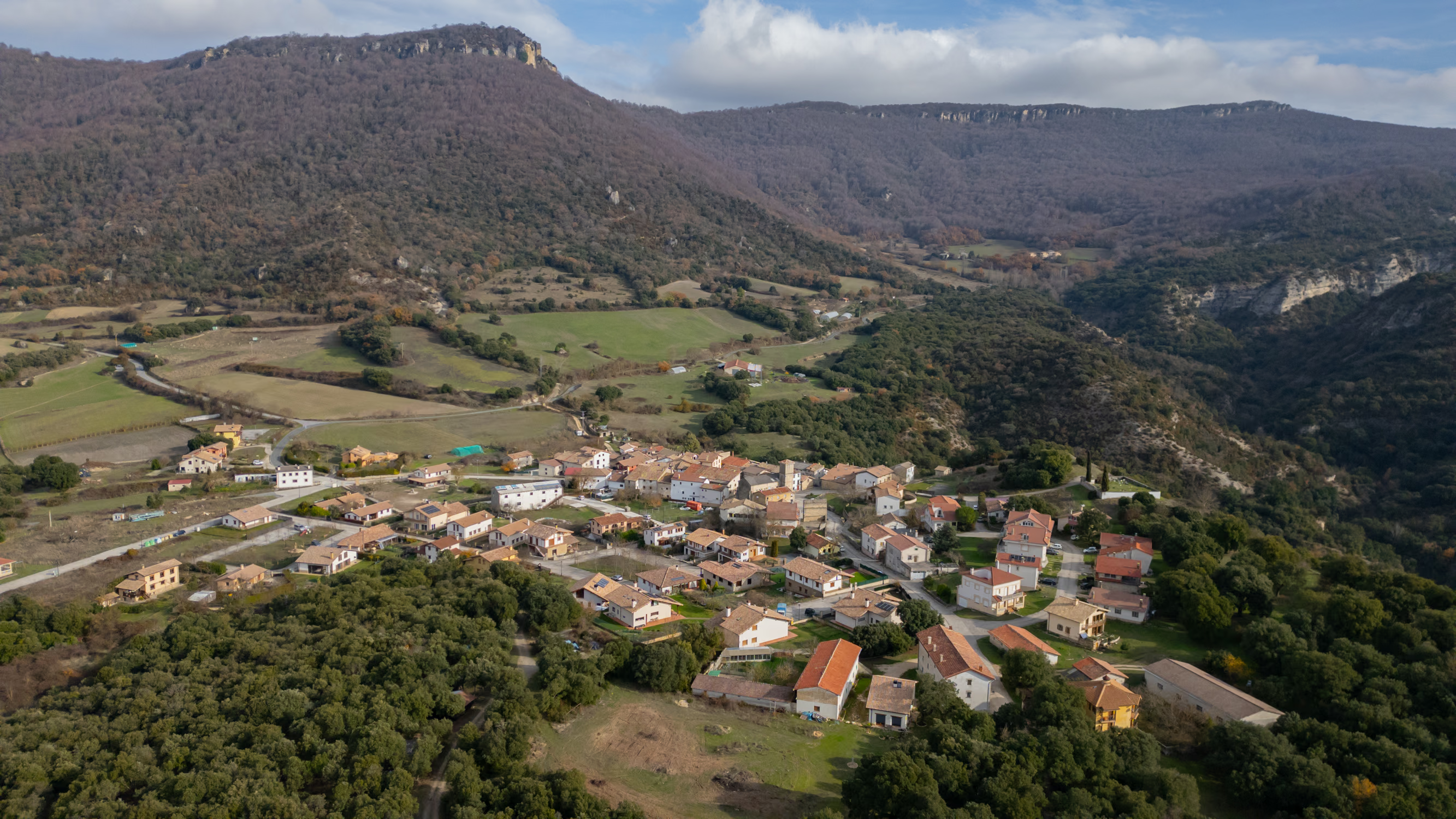
The Church of the Nativity of Saint Mary, along with the masonry houses, coats of arms, and ancient valley paths, reflect the historical identity of the municipality.
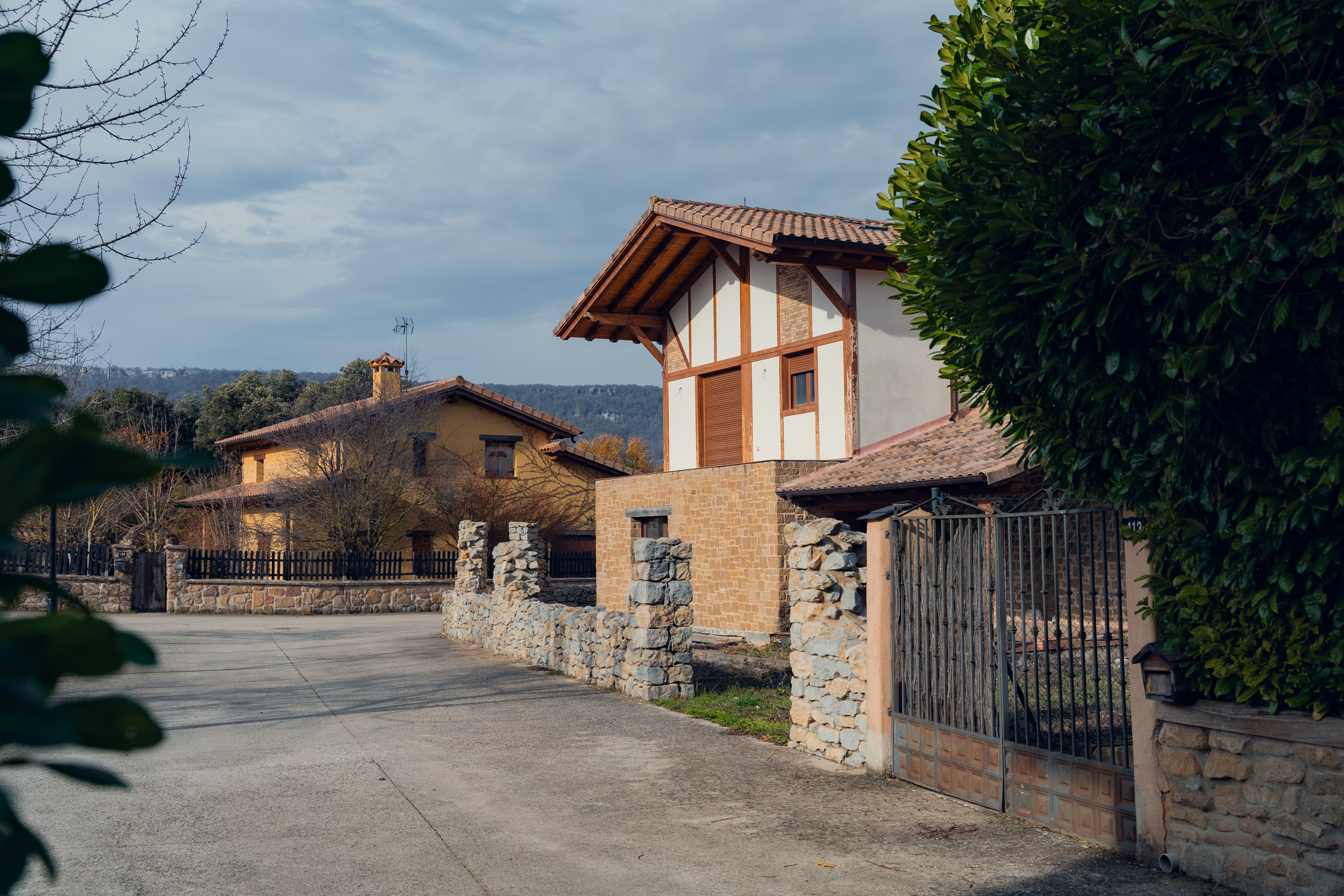
Farming, livestock raising, and local festivals continue to set the pace of a town deeply rooted in the community life of Las Améscoas.
Artaza can be enjoyed year-round. Spring and fall are ideal for exploring forests and trails, with mild temperatures and particularly ever-changing landscapes. Summer brings more life to the municipality thanks to the patron saint festivals and the Améscoas Valley Festival, while winter offers the chance to enjoy the tranquility and the mountain scenery at its most serene.
Artaza is one of the districts that make up the municipality of Améscoa Baja, along with Baríndano, Baquedano, Ecala, Gollano, San Martín de Améscoa, Urra, and Zudaire. All of these villages are located in the wide natural corridor that stretches between the Sierra de Urbasa and the Sierra de Lóquiz. This makes Artaza a strategic destination for those seeking nature and tranquility. The lush holm oak forests near the town center are perfect for easy walks, while the foothills of the mountain range offer longer trails for hiking, scenic views, and geological exploration.
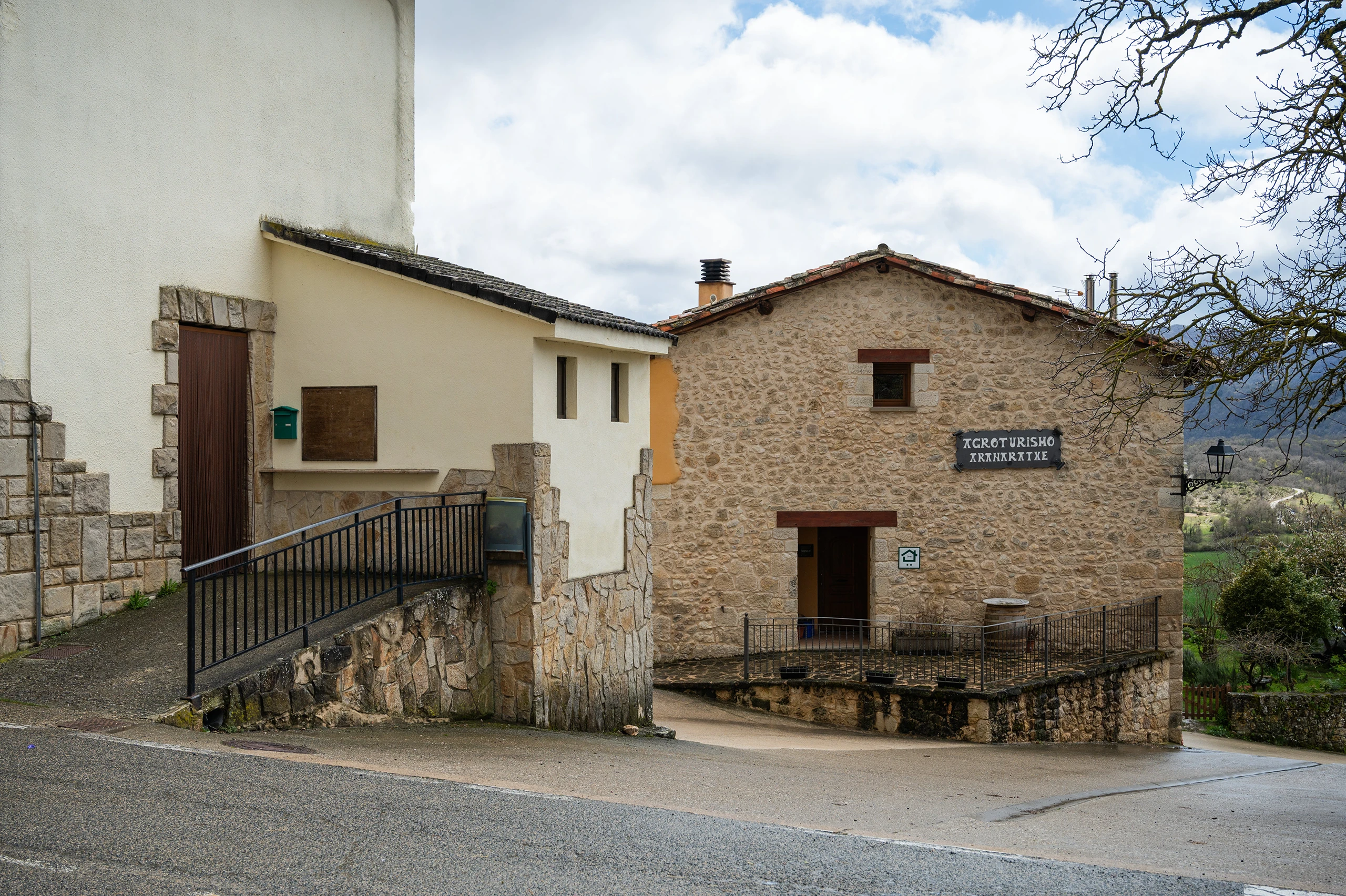
The town center is situated on a slightly elevated site, dominated by the Church of the Nativity of Saint Mary. Beyond the church, Artaza’s heritage is also evident in its traditional domestic architecture: homes built of rubble masonry and rough-hewn stone, linteled or arched doorways, and occasional examples of coats of arms that attest to the historical presence of houses of some significance. The town’s layout itself—adapted to the topography and linked to the valley’s historic trails—forms part of this cultural heritage that connects the town to the broader region of Lower Améscoa and to the natural corridor between Urbasa and Lóquiz.
The local economy has traditionally been tied to agriculture and livestock farming, activities favored by the combination of pastures, woodlands, and farmland that characterize Lower Améscoa.
Artaza’s patron saint festivities are held in late July or early August and serve as the main gathering for the municipality. During these days, religious ceremonies are combined with community events organized by local residents, such as communal meals and music. The festival calendar is rounded out by the Améscoas Valley Festival, which takes place in late June or early July and brings together the surrounding villages for a day dedicated to shared traditions, a craft fair, an exhibition of traditional farming tools, a photography exhibition, a community meal, regional music, children’s games, and rural sports competitions between municipalities.
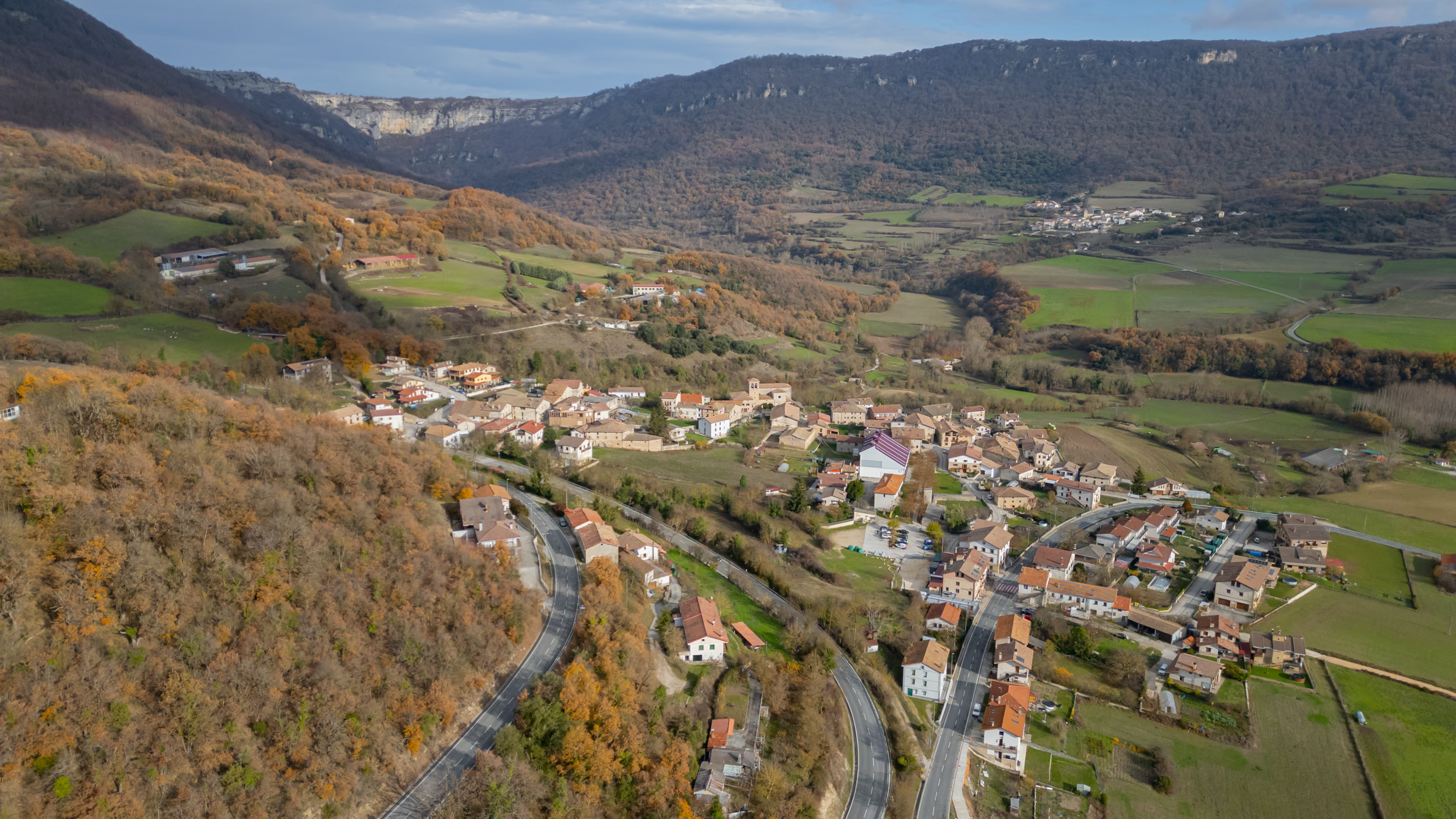
La capital del valle de las Améscoas, puerta de entrada a Urbasa y al Urederra.
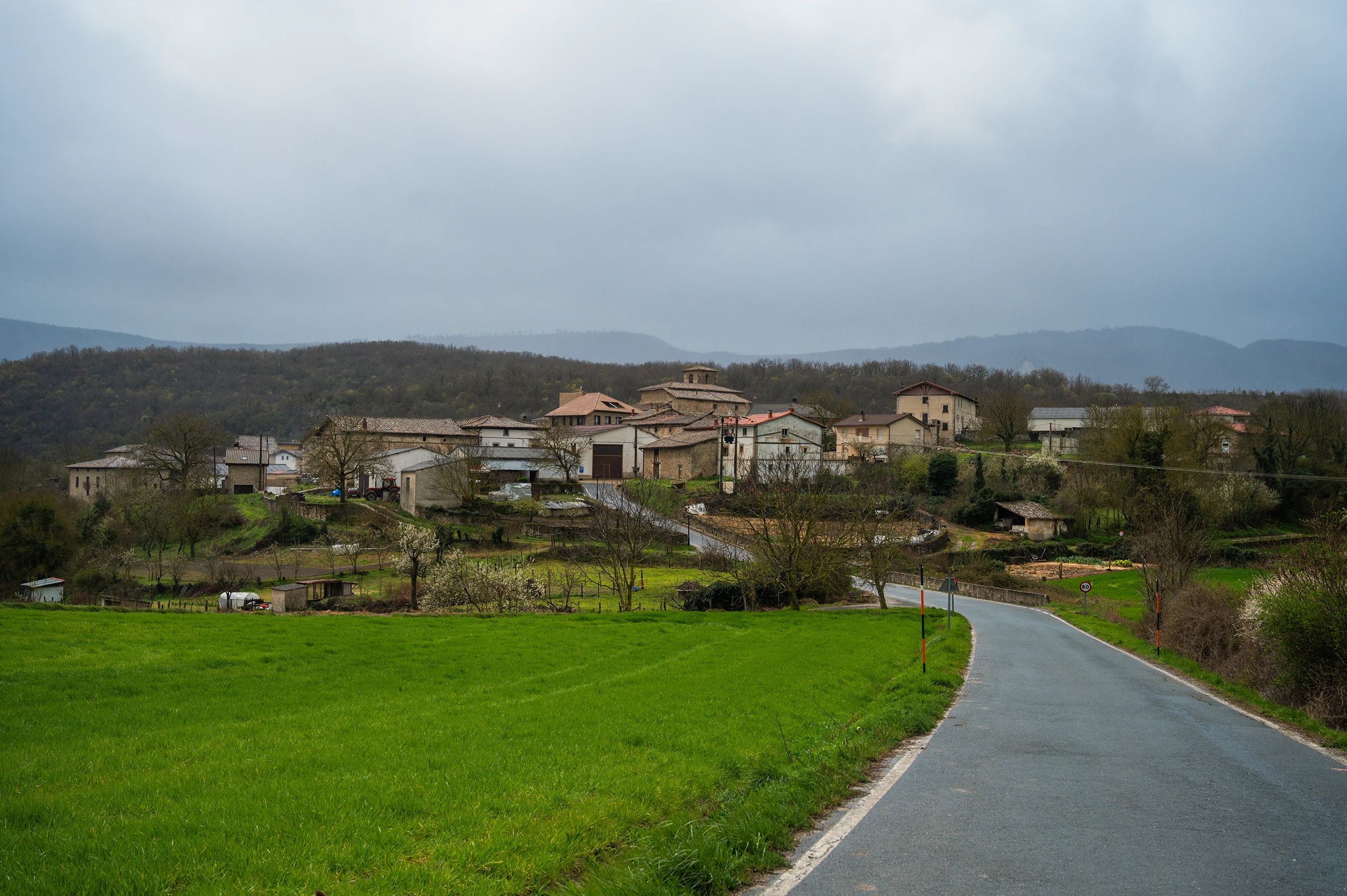
Un pueblo entre Urbasa y Lóquiz donde montaña, patrimonio artístico y tradición rural conviven.
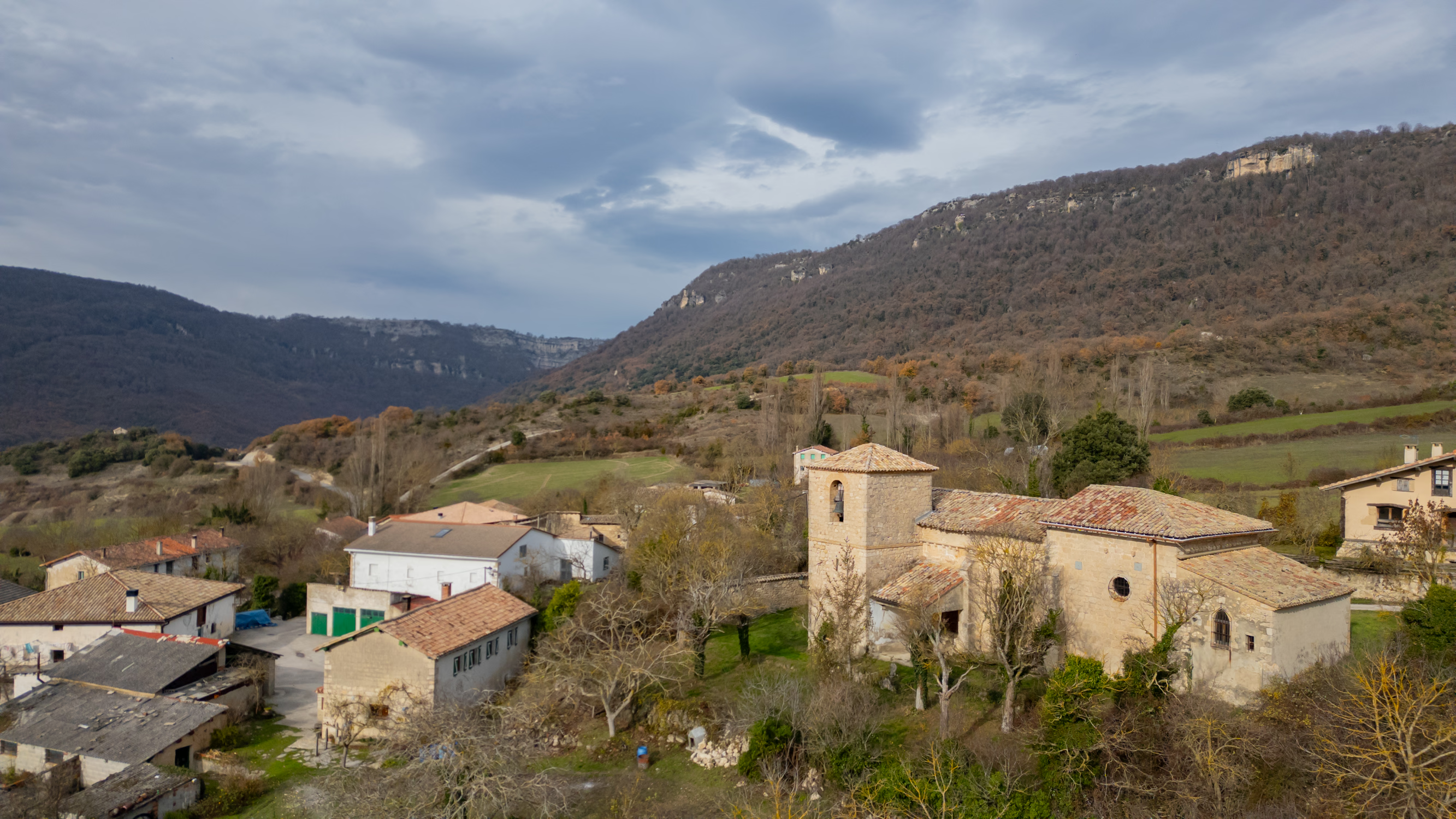
Un concejo entre sierras y farallones que sorprende por su patrimonio histórico.
Una villa con alma montañesa y herencia hidalga entre sierras y hayedos.