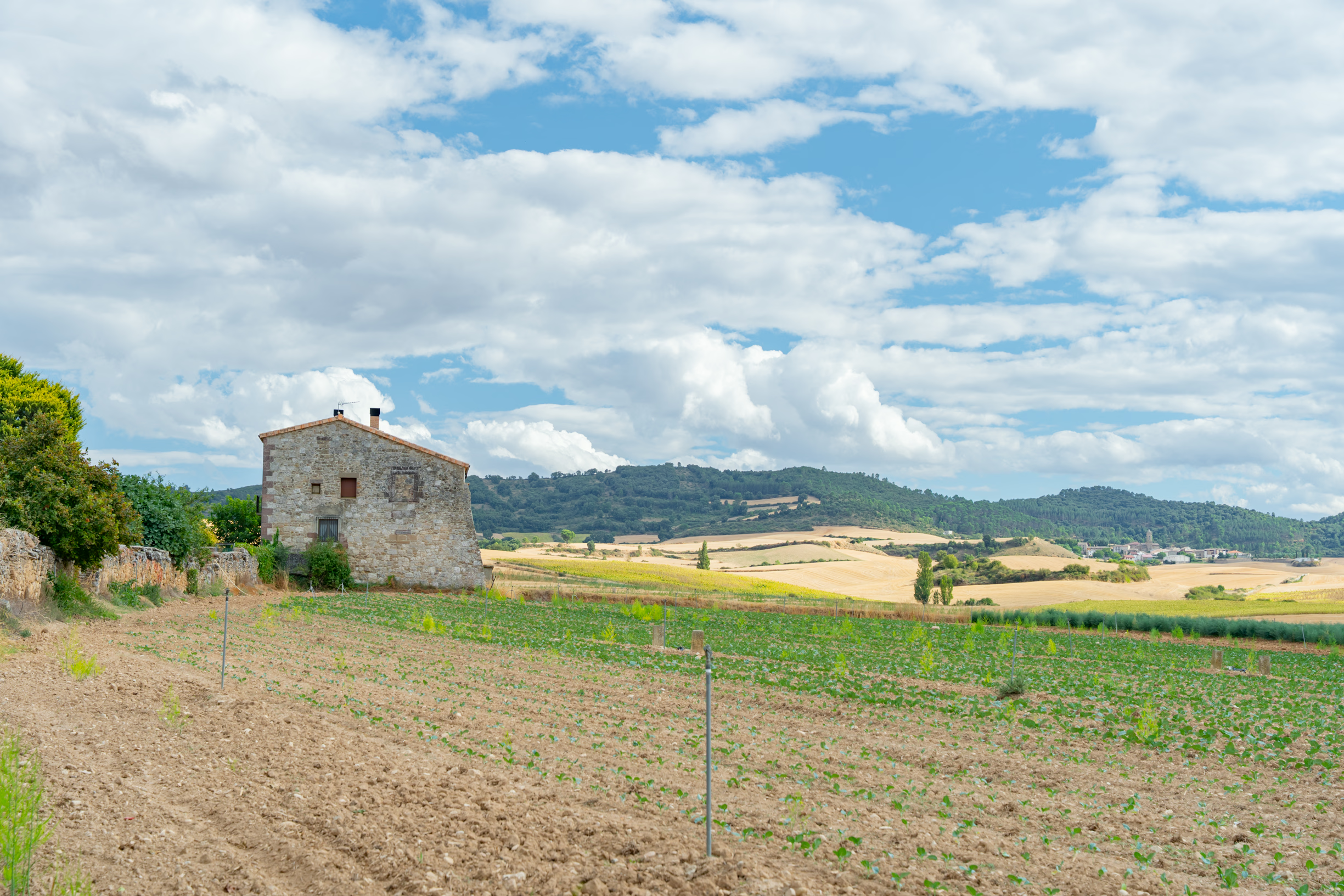
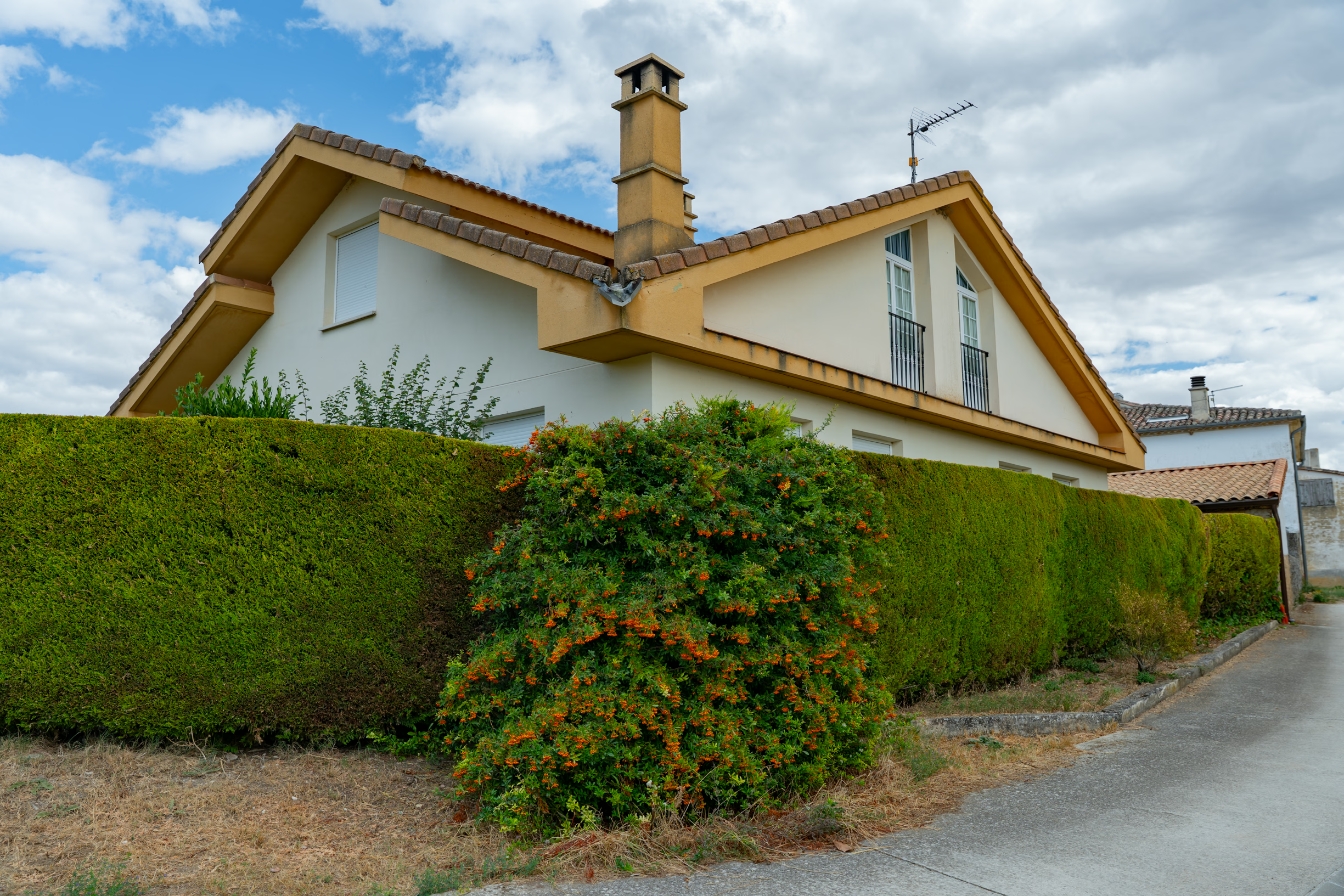
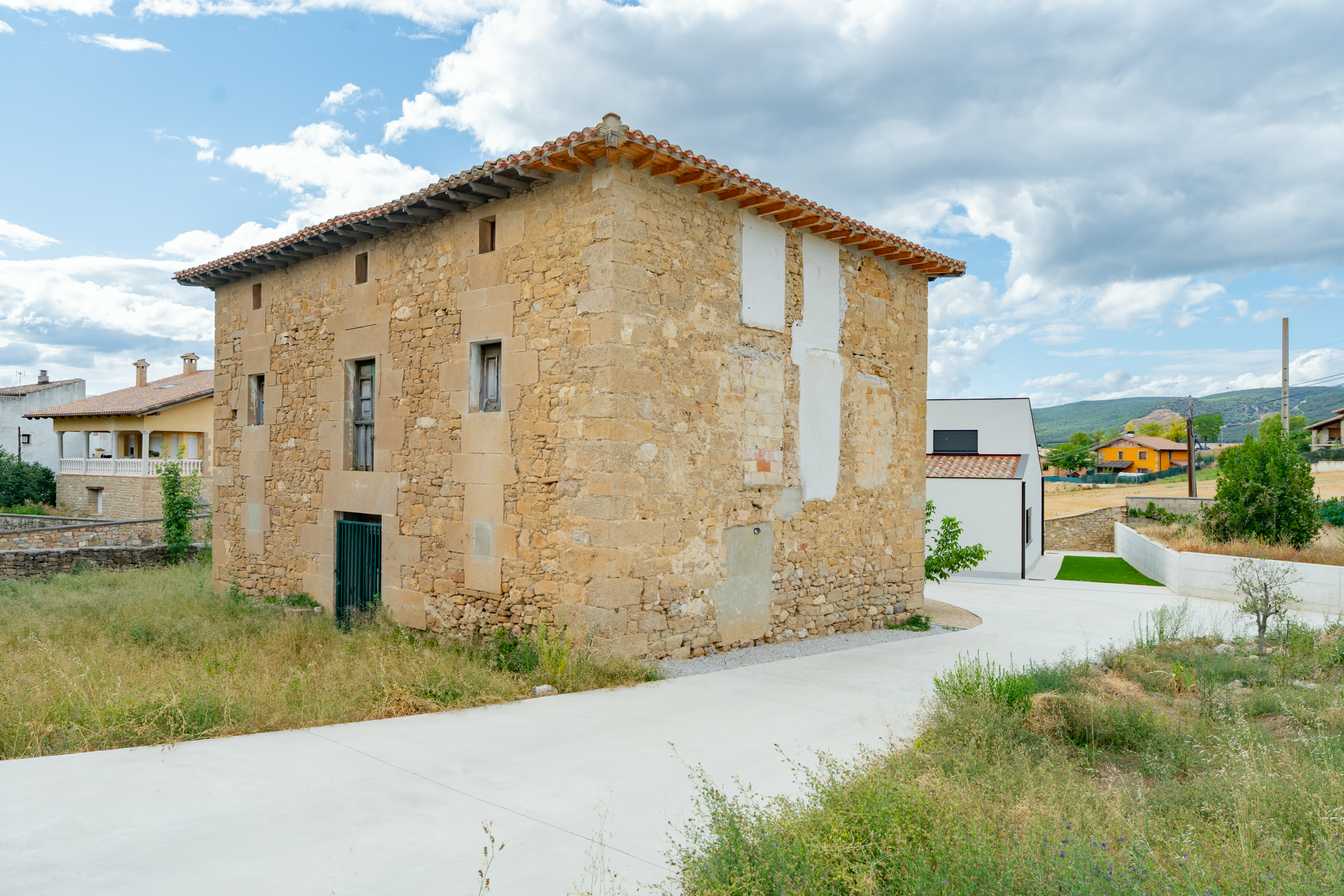
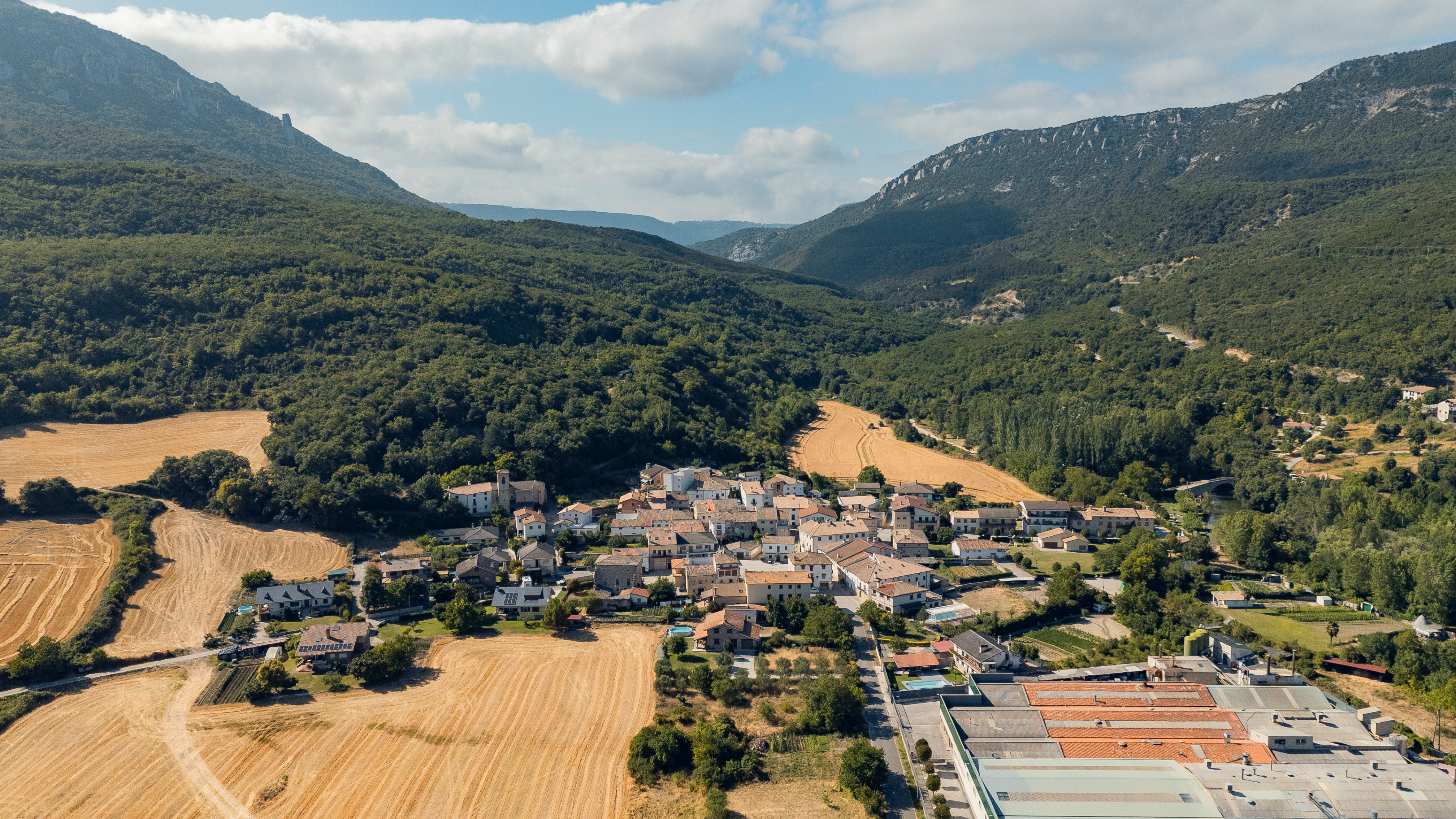
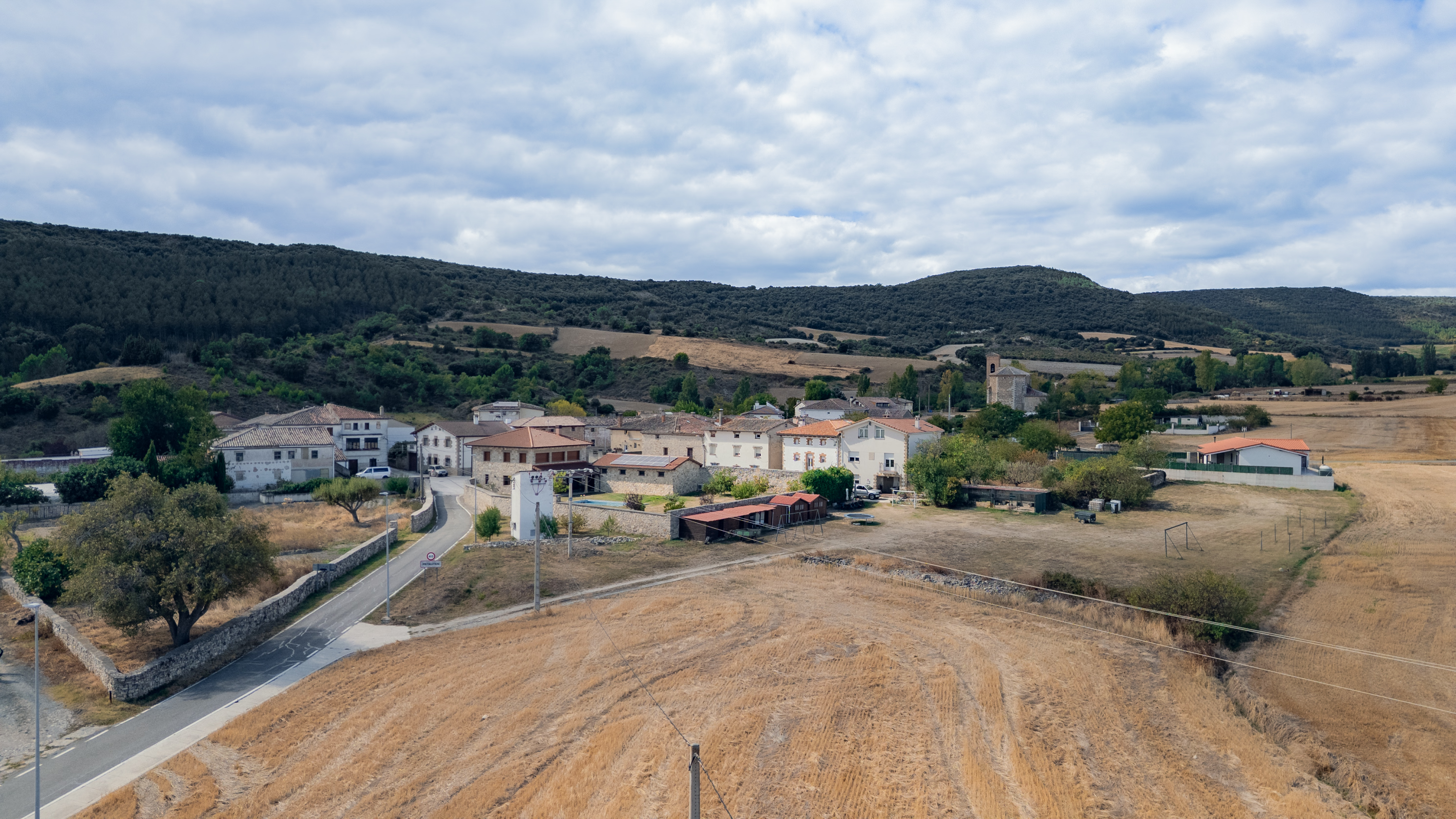
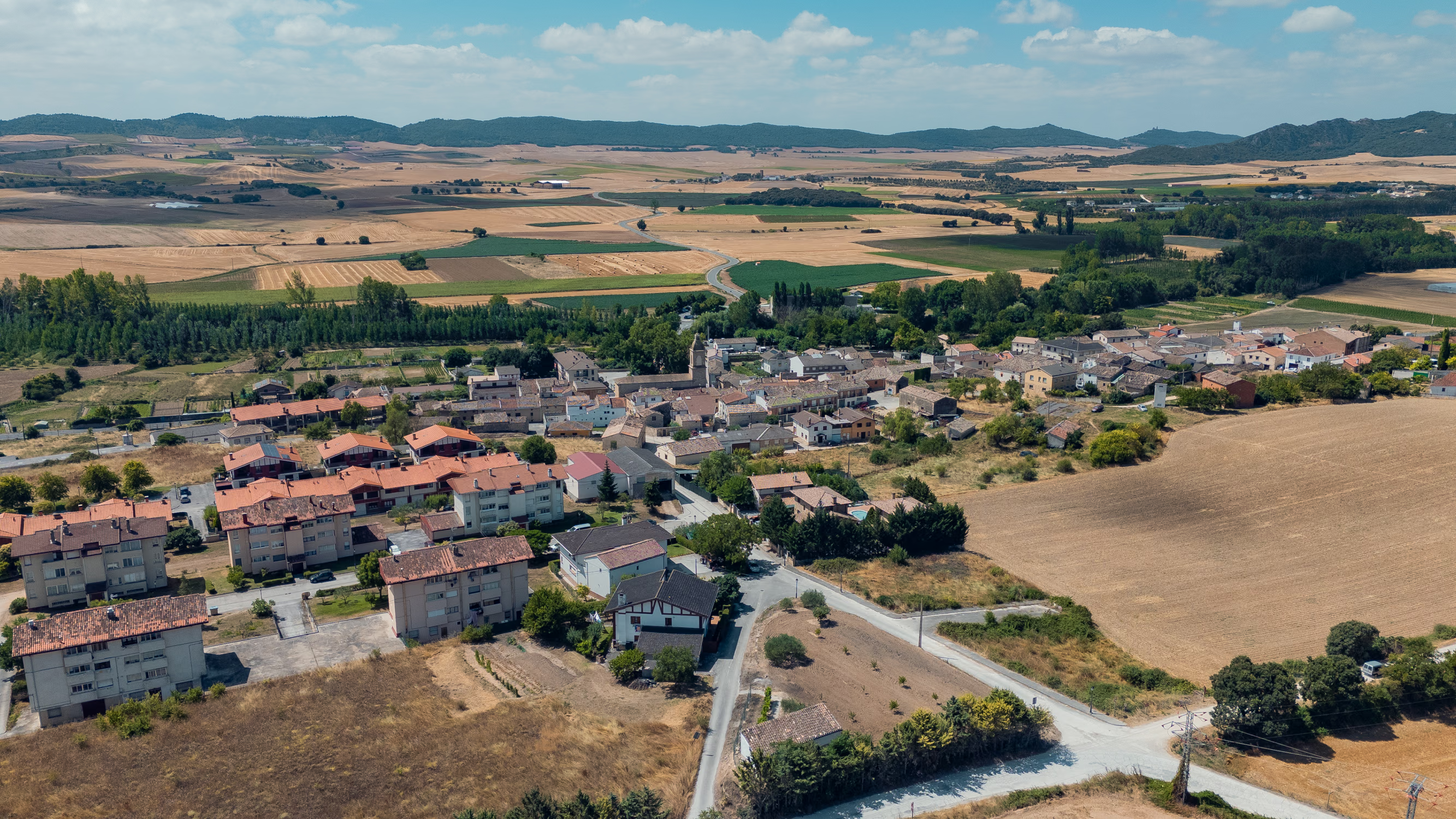
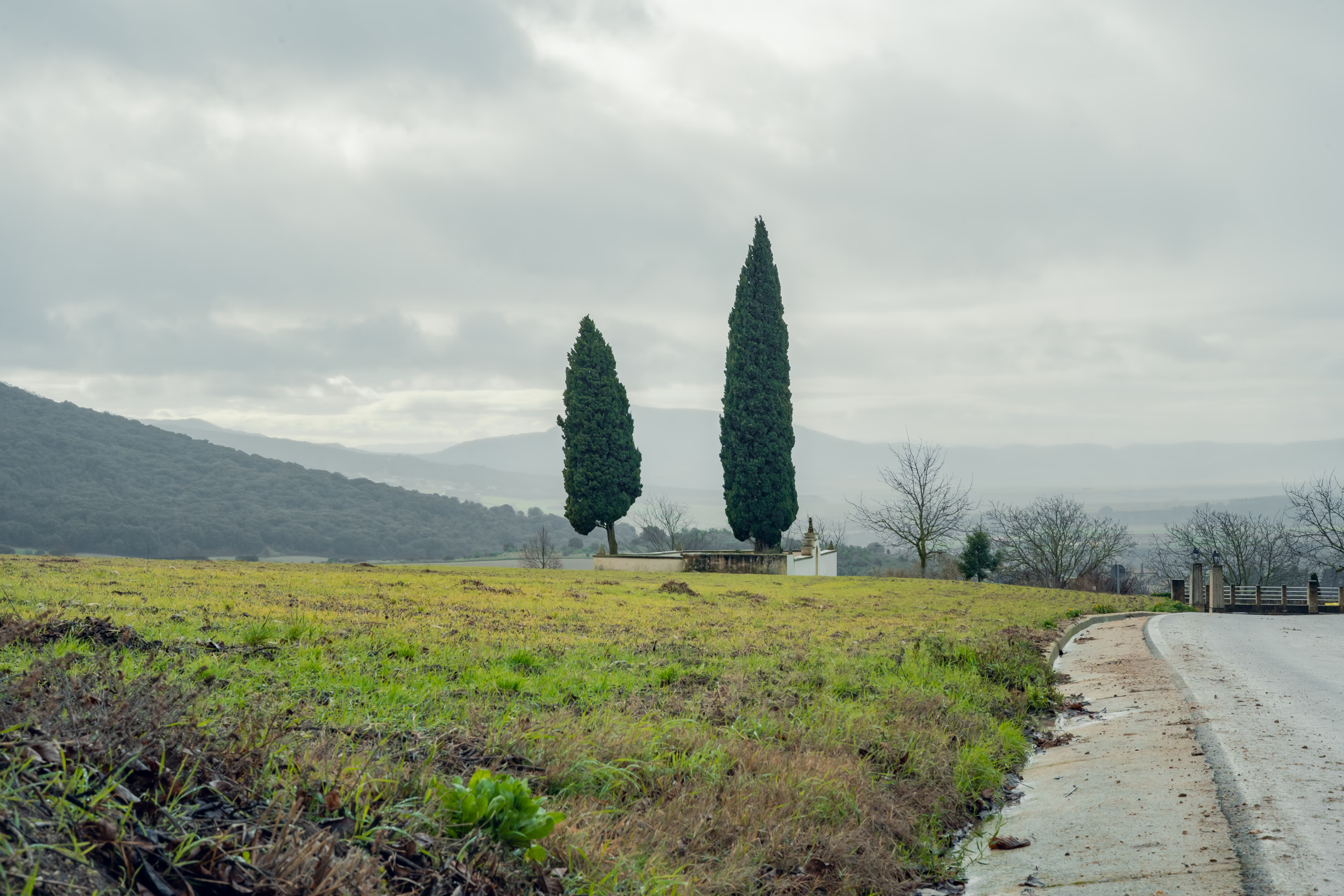
Abáigar is a small village in size, but grand in its landscape, history, and natural surroundings. Located in the fertile Valdega Valley, at the foot of the Sierra de Lóquiz and very close to the Ega River, this rural community retains the unhurried pace, agricultural identity, and direct connection to the land that characterize the villages of western Navarre.
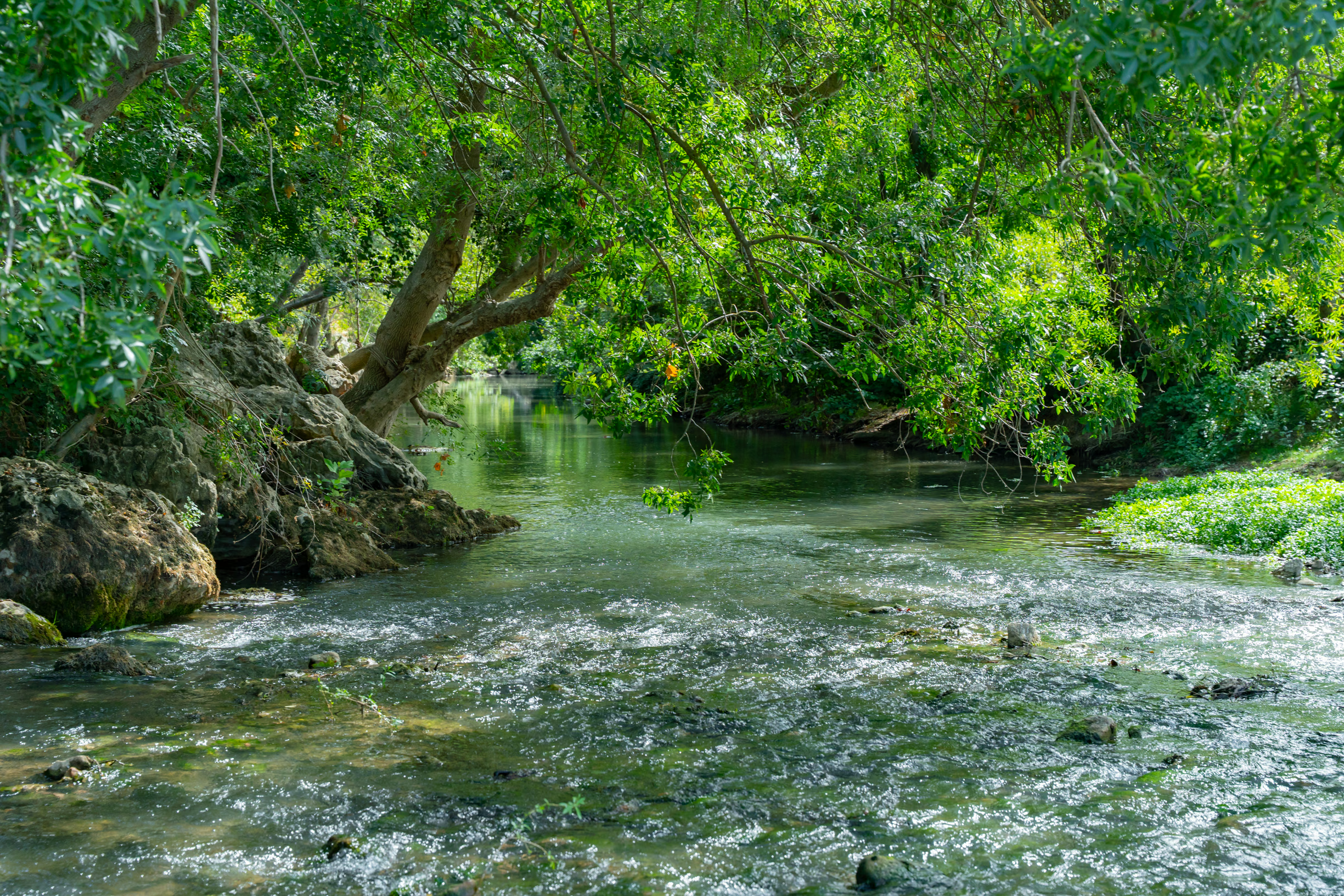
Amid farmlands, pastures, and oak forests in the Valdega Valley, Abáigar is nestled in a landscape of gentle hills shaped by ancient diapirs and salt hills such as San Miguel, El Robledo, and Lizaico. The waters of the Ega River, the forest, and the proximity of the Sierra de Lóquiz create an environment where nature, history, and daily life coexist naturally, keeping alive the traditions linked to the valley’s ancient trails.
Added to this is a culinary tradition rooted in traditional agriculture and local produce: pochas, beans, asparagus, and peppers grown in the valley’s vegetable gardens and featured in both everyday and festive meals. A simple, seasonal cuisine, rooted in rural life, is complemented by products from the mountains and nearby livestock farms, and continues to shape the culinary identity of Abáigar and the surrounding towns.
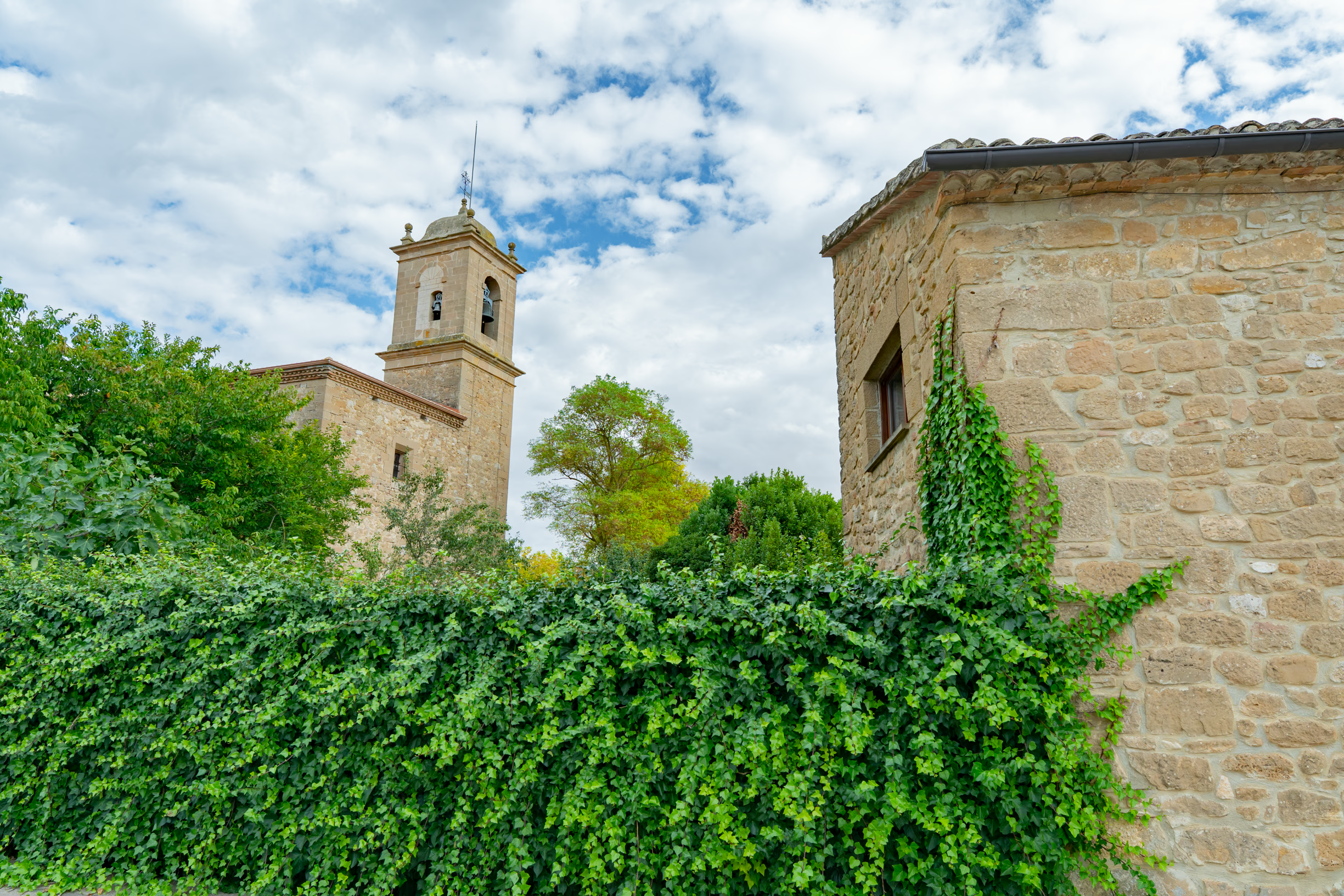
Abáigar is part of a region marked by pilgrimages, regional gatherings, and ancient rural trails. The parish church of San Vicente houses notable carvings of Saint Vincent and Saint Joseph, objects of popular devotion that reflect the historical importance of worship and religious imagery in the life of the village. These artistic expressions are woven into a traditional calendar shared with neighboring towns, where pilgrimages—such as the one to the San Bartolomé hermitage—continue to serve as a unifying force between Valdega, Lana, La Berrueza, and other surrounding villages, strengthening community bonds and regional identity.